Electronic Shelf Labels vs. Traditional Price Tags: Pros and Cons
ESL vs paper price tags: which is cheaper long term? Compare cost, labor savings, ROI, and real retail use cases before switching.

ESL vs paper price tags: which is cheaper long term? Compare cost, labor savings, ROI, and real retail use cases before switching.

Shoppers expect accuracy when checking out, and price discrepancies can lead to frustration, lost sales, and decreased trust. By eliminating the need for manual updates, digital shelf labels ensure that pricing remains uniform across both physical stores and online platforms.
Beyond convenience, ESL technology plays a vital role in boosting revenue through automated promotions, real-time price adjustments, and strategic product placement. Many retailers have already adopted this solution, reporting reduced labor costs and an increase in impulse purchases.

Retail margins are razor-thin, and every investment must justify itself in hard numbers. The allure of sleek, electronic displays is undeniable, but do they truly deliver the efficiency and profitability retailers crave? From dynamic pricing strategies to operational streamlining, this deep dive explores the financial reality behind these futuristic labels.

In today’s hyper-competitive retail landscape, every second—and every cent—counts. Imagine a world where your supermarket shelves update prices in real-time, eliminating pricing errors, slashing labor costs, and enhancing the customer experience all at once. Sounds futuristic? It’s happening right now with Electronic Shelf Labels (ESLs).

Retailers are in a high-stakes race where speed, accuracy, and adaptability determine survival. ESLs aren’t just fancy price tags—they’re a game-changer in operational efficiency. With one system, you can eliminate pricing errors, reduce labor costs, and unlock the full potential of data-driven retail.

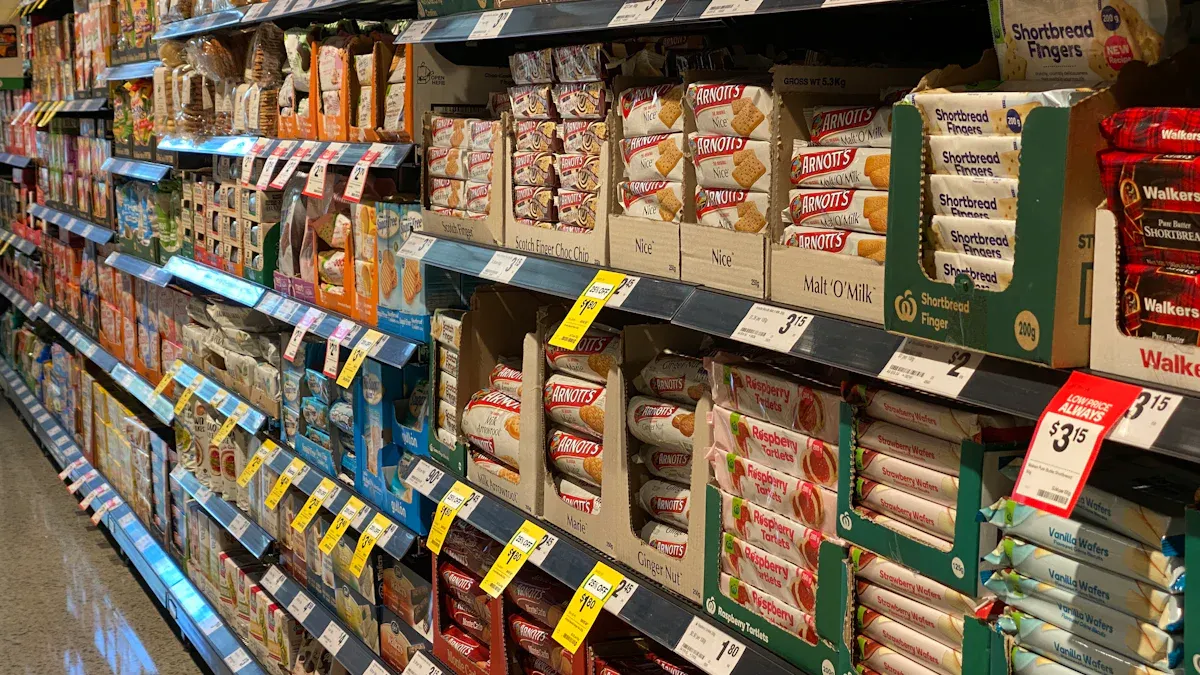
Retailers worldwide are ditching traditional pricing methods, not just for convenience, but for survival. With rising operational costs, shrinking profit margins, and consumers demanding instant pricing accuracy, the old way simply doesn’t cut it anymore. Static price tags are now a liability, while ESLs are an asset—automating updates, reducing errors, and unlocking the power of dynamic pricing.

Retailers worldwide are rapidly adopting electronic shelf labels (ESLs) to streamline pricing updates, enhance customer experience, and improve operational efficiency. With the growing demand for digital pricing solutions, businesses must choose between E-Ink and LCD-based displays—two dominant technologies with distinct advantages.

Choosing the right electronic shelf label (ESL) can revolutionize how retailers manage pricing and promotions. Among the leading technologies, **LCD** and **E-Ink** labels stand out with distinct features tailored to different needs. LCD displays grab attention with their vibrant colors and dynamic animations, while E-Ink offers a paper-like appearance and energy efficiency.

Electronic shelf labels (ESLs) are the silent revolution reshaping the retail landscape. These nifty devices replace traditional paper price tags with digital displays that communicate directly with a store’s pricing system. But they’re more than just a modern replacement—they’re a leap forward in efficiency, adaptability, and customer engagement.

In today’s digital age, retailers are constantly looking for ways to improve efficiency, reduce costs, and enhance the customer experience. That’s where electronic shelf labels (ESLs) come into play. But what exactly are they?
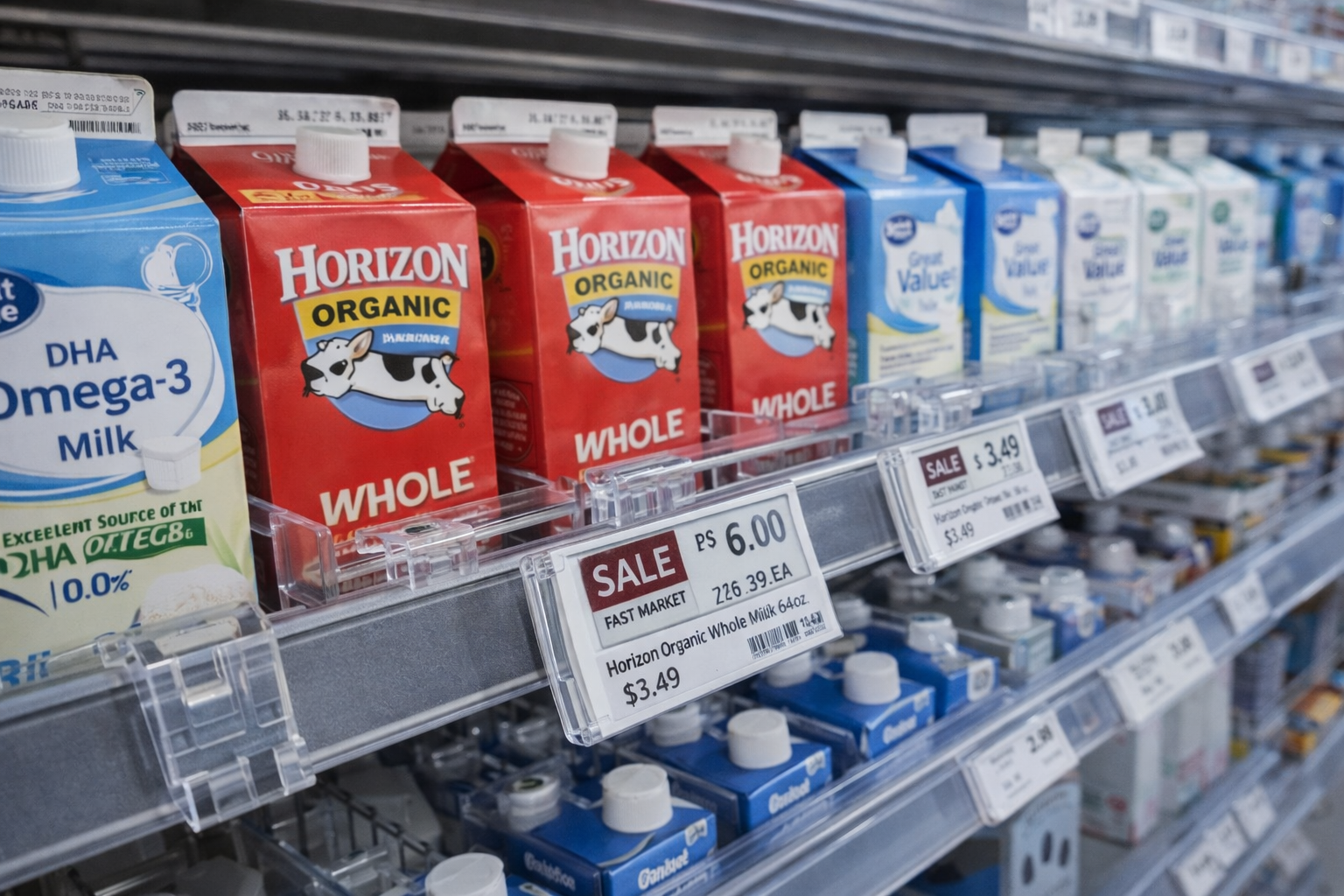
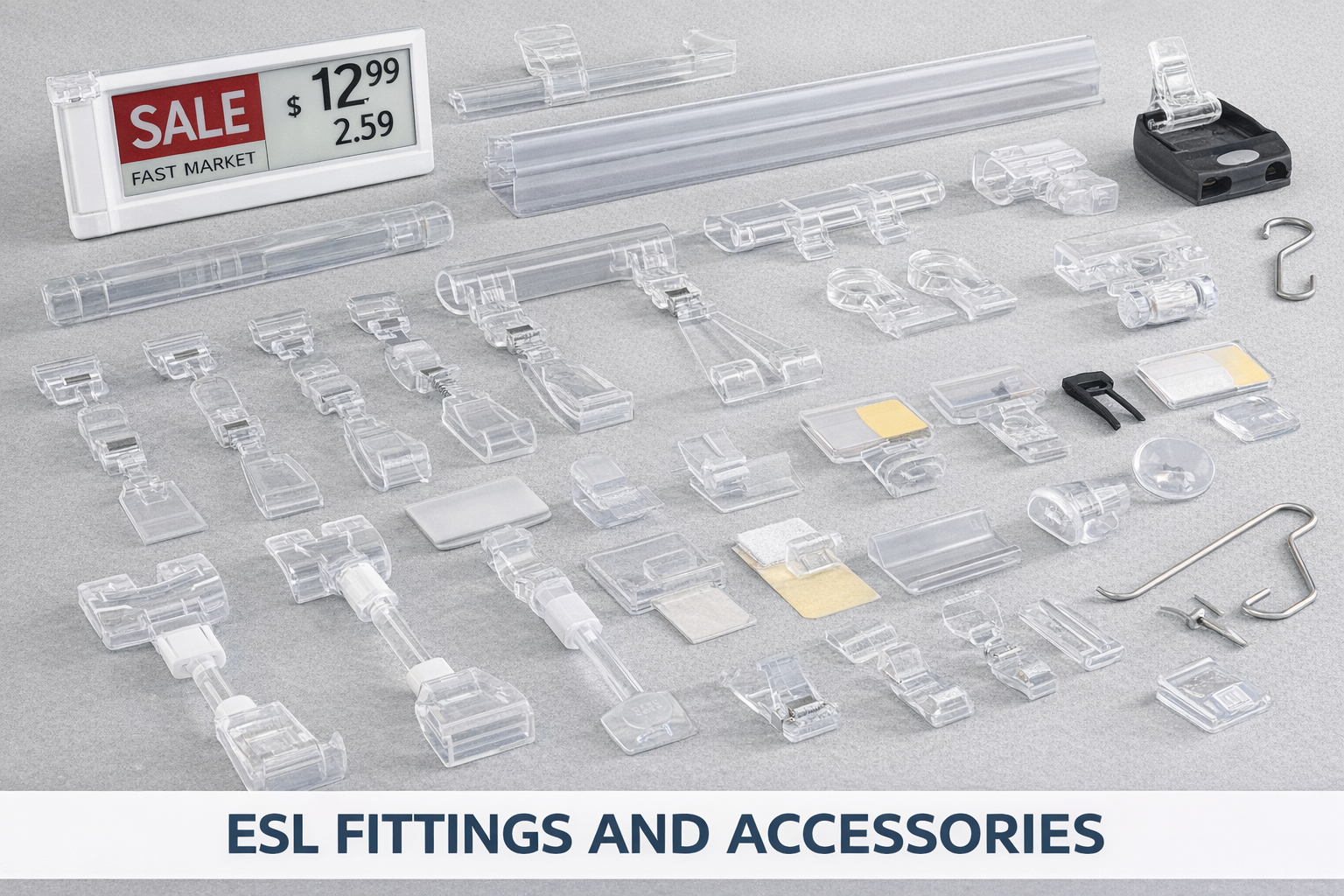
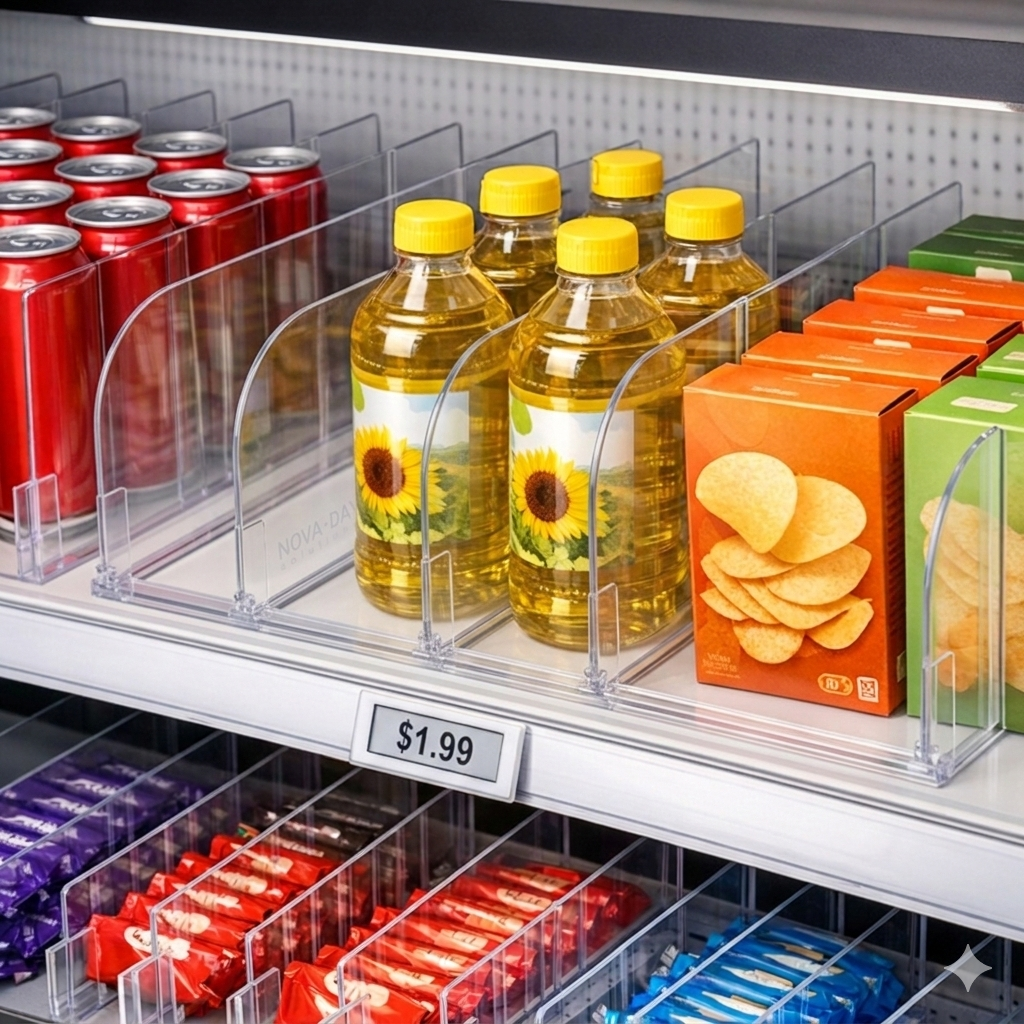
Simply put, ESLs are digital price tags that replace traditional paper labels. These labels display important product information, such as pricing, descriptions, promotions, and stock availability. Unlike paper labels tags, ESLs are connected to a central system, allowing for real-time updates and seamless changes across multiple stores or shelves simultaneously.
Please pay attention to the email with the suffix “@nova-day.com”.
Your information will be kept strictly confidential.
This site is protected by reCAPTCHA and the Google Privacy Policy and Terms of Service apply.
Allow file type: pdf, jpg, png (less than 20M)