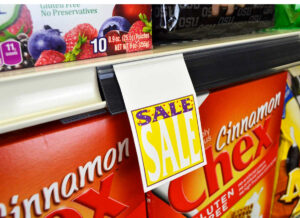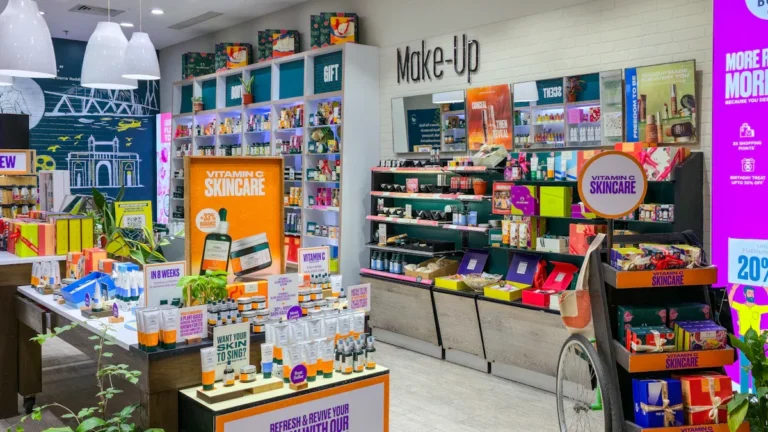
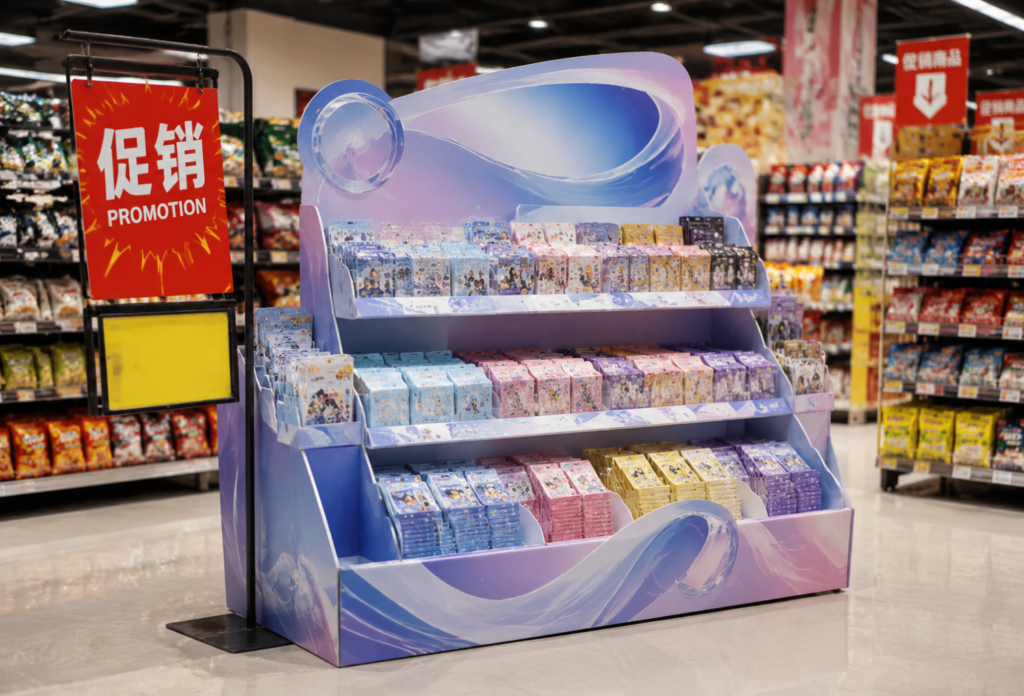
There is no single “better” display type for every store. Your product, store space, and goals decide what works best. Are you losing sales by choosing the wrong format?
A Counter Display suits small, impulse-buy items near the checkout. Floor displays grab attention in open aisles because they take up more space. Both types strongly affect shoppers. Studies show 82% of purchase choices happen inside the store. Another 62% of shoppers buy on impulse during their visit.
This post explains the main differences between these displays. You’ll see real-world examples and get a simple way to decide. By the end, you’ll know which display fits your store plan.
Key Takeaways
- Counter displays work best for small, impulse items near the checkout.
- Floor displays catch people’s eyes in open aisles and show off the whole product range.
- Pick a display that fits your product size, budget, and store space.
- Using both display types together can increase sales and brand visibility.
- PVC foam board displays offer a flexible and affordable solution for both formats.
Counter Display vs. Floor Display: Key Differences
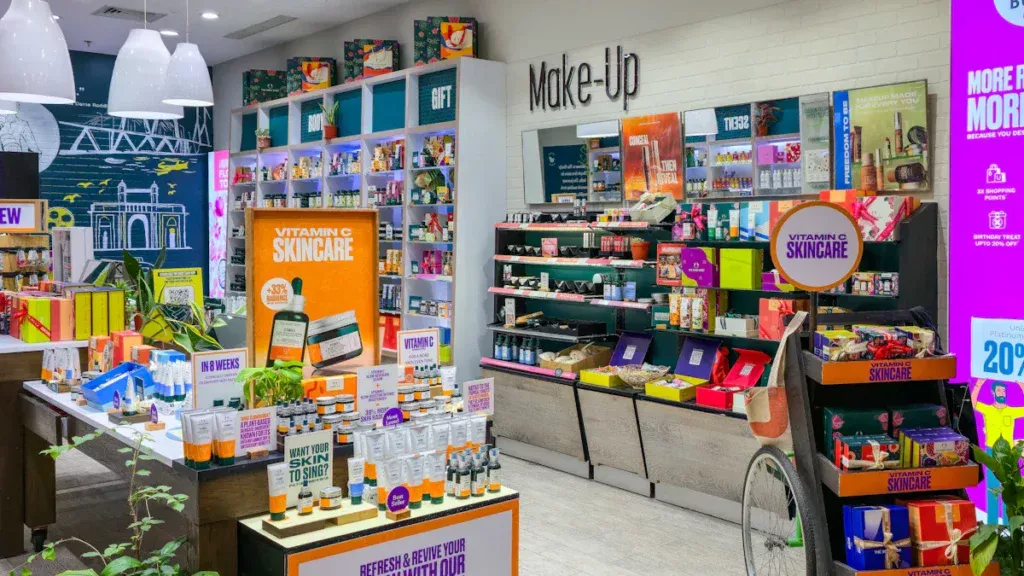
Knowing how these two displays differ in size and shape helps you pick the right one. Each type has a special job in your store. The table below shows the main points you need to know.
| Attribute | Counter Display | Floor Display |
|---|---|---|
| Physical placement | On tabletops, checkouts, or service counters | Freestanding on the floor, endcaps, or feature zones |
| Physical height | Up to 80 cm | Typically 1.2–1.8 meters |
| Physical setup | Lightweight, often pre-assembled | Modular, flat-packed, requires assembly |
| Functional focus | Impulse items, testers, compact products | Full product lines, seasonal launches, flagship visual merchandising |
| Engagement style | Quick glance, tactile sampling | Immersive, browsable storytelling |
| Retail format fit | Inline display systems, convenience stores | Department stores, pop-up corners, open aisles |
Size, Placement, and Cost
A Counter Display gives up floor space to sit near the register. You place it where people pay, reaching shoppers in their last moments of deciding. These units stay small, usually under 80 centimeters tall, so they fit neatly next to cash registers or on service counters. Their light build means you can move them easily when you need to change your checkout area.
Floor displays take up their own space in your store. They stand alone at 1.2 to 1.8 meters tall, catching attention as shoppers walk through your aisles. These bigger units need more time and planning to set up. You must think about where to put them so they don’t block foot traffic or hide other products.
The cost gap between these formats comes from their size and build. Counter displays cost less upfront because they use fewer materials and ship more easily. Floor displays cost more, but they give you better visibility and can hold more stock. Your budget and available space should guide this choice.
The physics of an aisle are entirely different from the physics of a register. Designing for the specific physical zone protects your brand from costly retailer chargebacks.
This idea matters because floor displays must handle the bumps and pushes of open aisles. They need strong bases and secure builds. Counter displays, on the other hand, must stay small and safe on registers without getting in the way of staff work.
Engagement and Impulse Buying
The way shoppers interact with these displays is very different. A Counter Display encourages quick looks and hands-on testing. People waiting in line can pick up your product, check it, and decide to buy in seconds. This format works great for small add-ons, reminders, or last-minute buys.
Floor displays create full, browsable experiences. They invite shoppers to look at your whole product line, read package details, and compare choices. This format suits brand stories and seasonal launches where you want customers to spend more time with your products.
The numbers on impulse buying strongly favor checkout placement. Research shows that 87% of US shoppers have made an impulse purchase at checkout. The average consumer spends $282 per month on impulse purchases, according to Capital One Shopping’s 2024 research. Published studies on checkout displays show category lifts ranging from 15% to over 80%. A 2020 field experiment in the Journal of Business and Retail Management Research found sales increases between 80% and 478% for products displayed at checkout.
POPAI industry research reveals that 70% of brand decisions happen in-store. This fact applies to both display types, but the way people decide differs. At the register, shoppers make quick, emotional choices. In the aisle, they think more carefully. A 2022 study in the Journal of Retailing found that strategic checkout displays produced an average 11.15% increase in store revenue.
Your product type should decide which engagement style you use. Small, high-profit items with wide appeal do well in counter displays. Larger products or those needing explanation benefit from the space and visibility of floor displays. Match your display choice to how customers naturally shop for your category.
Choosing Based on Retail Space
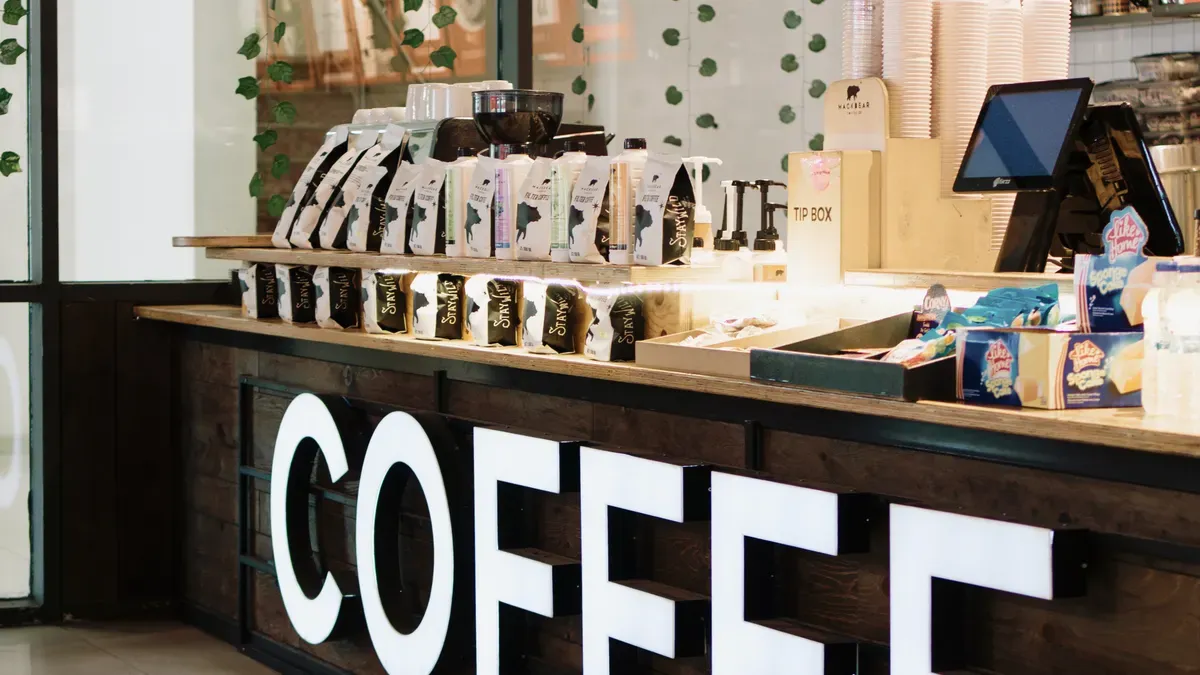
Your store’s layout should help you pick the right display. A small store has different needs than a big store. Put your display where shoppers stop, wait, or look around.
Counter Displays for Checkout Zones
Checkout counters are your last chance to affect a sale. Shoppers stand in line, ready to pay and still deciding. A Counter Display here gets their last look before they pay. A bright display right in front of them is very easy to see. Shoppers can’t easily ignore products at eye level during checkout.
Certain products do very well in this zone. Gift cards, snacks, single drinks, and travel-sized items sell fast at registers. Small children’s items, pet accessories, and seasonal things also do well in small spaces. Premium candy, phone chargers, lip balm, and hand sanitizer are also good choices. These items have things in common: they are small, cheap, and don’t need much thinking to buy.
The data backs this up. A 2024 report from Invesp says 84% of all shoppers have bought something on impulse. 80% of these impulse buys happen in real stores. POS and POP displays are the last chance to sway a shopper, making them important for getting more last-minute sales.
| Evaluation Factor | Counter Display Suitability | Floor Display Suitability |
|---|---|---|
| Space requirement | Takes less space; fits in small checkout areas | Takes more space; needs open floor area |
| Traffic placement | Near the register for last-minute buys | In busy areas where people can see it |
| Product type | Small items like candy, gum, and accessories | New products, seasonal deals, and special offers |
| Store layout consideration | Must fit on the counter or checkout area | Must fit with how people move and the floor space you have |
| Promotional objective | Quick extra sales at checkout | Show products that need a big display |
Floor Displays for High-Traffic Areas
Floor displays get attention as shoppers walk through your store. These larger units work best in open areas where people walk naturally. Entrances, main aisles, and end caps are great spots to catch shoppers’ attention. Put them where shoppers can see them from different sides.
High-volume stores use product displays at certain times: busy seasons, when new products come out, or during sales events. At other times, floor space stays empty. This makes a visual difference that makes the displays feel important when they appear, instead of just something shoppers get used to and ignore.
Good floor displays have enough stock to match how many shoppers come. Empty displays annoy shoppers and cost you sales. Good displays can boost sales by 20 to 30 percent, and displays affect 70% of what people buy in stores. Put floor displays next to related items to help sell more together. Use bright colors and interesting shapes to get attention. Keep track of how many people walk by and how many buy to see how well they work and make better ones later.
Freestanding floor displays are good for big stores with extra space. Countertop displays are still best for small spaces like shelves in aisles and checkout areas. Pick the type that fits your store size and your sales goals.
The Hybrid Approach: Combining Both Formats
You do not have to choose only one display type. Using both formats together makes a stronger store campaign. The floor display acts as your brand anchor. It pulls attention from across the aisle and shows your full product line. The counter unit works at the register. It highlights your best product or a sample for last-minute shoppers. Together, they cover the whole shopping trip from entrance to exit.
Complementary Strategies
A unified campaign with both formats brings real results. Travel Blue, a global travel accessory brand, proved this in duty-free shops across Europe and Asia. They used a modular POP system. Floor displays held many SKUs for easy browsing. Counter trays with adjustable risers showed hero products at checkout. The result was clear. Impulse sales rose at Frankfurt Airport within six weeks. Shipping costs per unit fell because the displays came in compact flat packaging.
This strategy works because each format has a different job. The floor display builds awareness and shows your full range. The Counter Display turns that awareness into a sale at the register. Many brands do well with this blended approach.
Many brands do well with a blended strategy: floor standing for awareness and selection, countertop for conversion and add-on sales. Matching both formats under one campaign can create stronger overall store impact.
Modular Solutions from Nova-day
Your hybrid campaign needs displays that fit in both spots. Nova-day‘s PVC Foam Board POP Displays offer that flexibility. You can customize them for counter or floor setups. The light build makes moving them easy. You can shift a display from the checkout to the aisle without heavy lifting. The strong material handles daily store use. Bright UV printing keeps your graphics clear and eye-catching.
These displays are also budget-friendly. You get a professional look without spending too much. This makes them great for seasonal sales or product launches. You can try different spots and change your plan fast. The modular design lets you scale your campaign up or down as needed.
Put a floor display near your entrance and a countertop display at the register. You catch attention early and turn it into a sale at the last moment. This method boosts your in-store impact without a big investment.
Case Study: Boosting Sales with PVC Foam Board Displays
The Challenge and Solution
You own a snack brand named SummerBite. You start a seasonal sale for new fruit snacks. You want to catch shoppers in the summer months. You need a display that works in two spots at once.
You face a common store problem. Temp displays often sit in storage because they are too hard to set up. Cardboard units look worn after a few days in busy aisles. Your budget can’t replace cheap displays every week.
Nova-day’s PVC Foam Board Displays fix both issues. You put a Counter Display at the checkout for last-minute add-ons. A bigger floor display near the entrance grabs shoppers as they come in. The light material makes setup quick. You can put together both units in minutes without tools.
The bright UV printing grabs attention. Your snack packaging looks bright and professional. The smooth finish resists scuffs and stains. You can clean it with standard store products. This matters for food displays that must stay fresh-looking.
POP displays increase brand visibility, engage shoppers, and drive impulse sales. They help businesses stand out in competitive retail environments while providing essential product information.
The cost benefit is clear. A big cosmetics company switched to PVC foam boards and could refresh displays more often for the same budget. You get the same benefit. Your seasonal campaign runs longer without extra printing costs.
Measurable Results
The results come in fast. Well-placed POP displays can boost SKU visibility and trial conversion compared to shelf-only placement. Your floor display near the entrance pulls shoppers toward your brand. The checkout unit catches them at the final moment.
The light design supports quick setup. You can move displays as foot traffic patterns change. This flexibility keeps your brand visible throughout the campaign. The modular PVC foam board system uses standard panel sizes that change for different products. A sporting goods store cut setup time significantly with similar systems.
Impulse buys rise a lot. The checkout unit triggers last-minute choices. The floor display builds awareness that leads to planned purchases. Together, they cover the full shopping trip.
The displays are reusable for many seasons. Unlike wood forms that break down after a few uses, PVC foam boards pay for themselves after multiple projects. You store them flat between campaigns. The sturdy build works well when stored dry. Your marketing budget goes further each season.
Your brand visibility improves across the store. The bright UV-printed graphics keep their quality throughout the promotion. The professional finish makes the product seem more valuable. You build brand recognition that carries into future campaigns.
Quick Selection Tips for Your Product
Choosing between display formats comes down to a simple rule. Match the display to your product’s size, weight, and price point. Then match it to your budget and available floor space. This section gives you a clear framework for both decisions.
Product Attributes and Display Choice
Start with your product’s physical traits. Small, lightweight items under two pounds work best in a Counter Display near the register. Think gum, lip balm, travel-size toiletries, or phone chargers. These items cost little, so shoppers buy them without much thought. A countertop unit puts them within arm’s reach at the exact moment of purchase.
Larger or bulkier products need floor displays. Heavy items like bottled water, pet food cans, or garden tools require sturdy stands that can hold real weight. Products that need explanation also benefit from floor space. A floor unit gives you room for multiple tiers, product information, and visual storytelling.
| Product Characteristic | Best Display Type |
|---|---|
| Small, lightweight, low-cost | Counter Display |
| Large, heavy, or bulky | Floor Display |
| High-margin impulse items | Counter Display |
| New launches needing explanation | Floor Display |
| Single hero SKU or tester | Counter Display |
| Full product line showcase | Floor Display |
Your primary metric also matters. Ask yourself what you want to achieve. If you want more units per visit, a dump bin style works well. If you want bigger basket size, use clip strips for add-on items. If you want brand recall, invest in a branded floor stand. Each goal points to a different format.
Dwell time guides your choice too. Shoppers spend little time at a single-tier counter unit. They might stay longer at a multi-tier floor display with a try-me station. Match your display depth to how long customers naturally engage with your product category.
Budget and Space Planning
Cost differences between formats are significant. At smaller order quantities, counter displays are notably cheaper per unit. Floor displays cost more, but that gap narrows as you order more. However, floor displays always carry a higher upfront investment.
Order volume changes your strategy. Counter displays benefit from ordering larger quantities to reach lower per-unit costs. Floor displays need careful volume planning because per-unit costs stay high even at larger quantities. Also account for soft costs. Floor displays typically require more assembly and pack-out labor at retail. Counter displays often arrive retail-ready.
Space planning matters just as much as budget. Evaluate your floor space before committing to a display. Consider traffic flow, product placement, and visibility during the planning phase.
Floor displays must sit along the primary traffic path without blocking sightlines. When displays align with natural movement patterns, they guide shoppers rather than interrupt them.
Use focal points to draw shoppers deeper into your store. Create pause points with cross-merchandising tables that increase engagement without blocking the path. Design transition zones that signal category changes through visual cues. These elements keep your store feeling open while still showcasing your products.
For short-term promotions, Nova-day’s PVC Foam Board Displays offer a cost-effective solution. Their lightweight construction makes repositioning easy when traffic patterns shift. The durable material handles daily wear, and the bright UV printing keeps your graphics sharp throughout the campaign. You get professional presentation without the higher price tag of permanent fixtures.
The right display fits your store, product, and goals. No single format works everywhere. Start with your product size. Small impulse items belong at checkout. Larger products need floor space for storytelling.
Review your budget and available floor area. Match your display to your primary metric, whether that’s units per visit or brand recall. Evaluate your current displays. Identify gaps in visibility or engagement. Choose the format that fills those gaps.
If you still feel uncertain, talk to a POP display manufacturer like Nova-day. They can help you explore custom options tailored to your retail environment. Your next display could transform your in-store performance.
FAQ
How much does a floor display cost compared to a counter unit?
Floor displays cost more per unit at the same order volume. At 500 units, expect a floor display to be significantly more expensive than a counter unit. The gap narrows as you order more, but floor displays always carry a higher upfront investment.
Can I reuse PVC foam board displays for multiple campaigns?
Yes. PVC foam boards pay for themselves after multiple projects. They store flat between campaigns and resist scuffs and stains. Clean them with standard store products. This durability makes them a smart choice for seasonal promotions that repeat each year.
How long does assembly take for these displays?
Most PVC foam board displays assemble in minutes without tools. The lightweight panels lock together quickly. A sporting goods store cut setup time significantly using similar modular systems. You can reposition displays as foot traffic patterns change throughout the day.
What products should never go in a counter display?
Avoid heavy, bulky, or fragile items at the checkout. Products needing explanation also fail in this space. Shoppers spend little time at a counter unit. Save that spot for small, self-explanatory impulse items like gum, lip balm, or travel-size products.
How do I know if my store has enough space for a floor display?
Measure your aisle width and traffic flow first. A floor display needs clearance on all sides so shoppers can pass comfortably. Place it along the primary path without blocking sightlines. If shoppers must squeeze around it, choose a smaller counter unit instead.