Skip to content


When choosing the best material for lockable cigarette displays, it’s essential to consider the differences between PETG/acrylic and steel. Steel offers the highest level of security, effectively preventing theft. On the other hand, PETG and acrylic provide visibility into the display while also being more cost-effective. The appearance of these displays is crucial in retail environments, and you can notice a significant difference in both strength and price. Ultimately, the decision between PETG/acrylic vs steel for lockable cigarette displays will guide you in selecting the most suitable option for your store.
Key Takeaways
- Pick PETG or acrylic if you want displays people can see through and that look new. These are not heavy and are simple to put together.
- Use steel displays if you care most about safety. Steel keeps things safe from being stolen or broken.
- Think about your store’s setting. Use PETG in busy spots where displays might get hit. Use acrylic in places where stealing is not a big problem and you want things to look nice.
- Hybrid displays have steel frames and PETG panels. They are strong and let people see the products. This choice is good if you want both safety and a nice look.
- Think about how much you will spend over time. Steel costs more at first but lasts longer. This can help you save money because you will not need to buy new ones soon.
petg/acrylic vs steel for lockable cigarette displays
Material overview and key differences
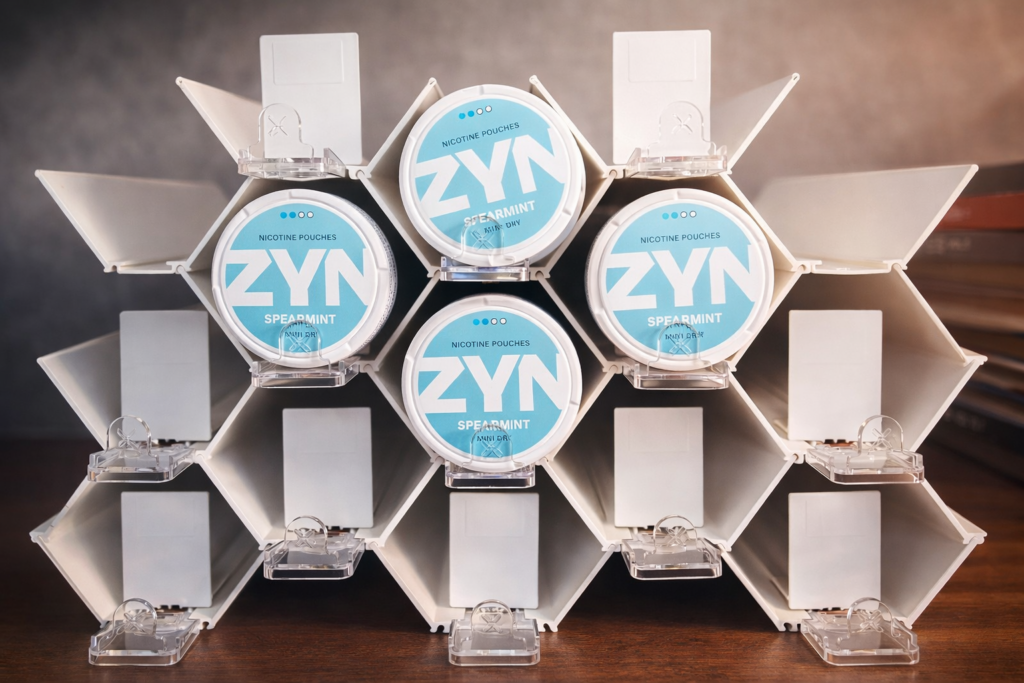
When you compare petg/acrylic and steel for lockable cigarette displays, you notice they are very different. Petg and acrylic are clear plastics used in many displays. These plastics let people see the products but still keep them safe. Clear premium acrylic looks shiny and smooth, almost like glass. Clear extra strength petg is tougher and can take more hits without breaking. Both plastics are lighter than steel. They are also easy to shape into many display styles.
Steel is the strongest choice for lockable cigarette displays. Metal frames protect your products from theft and damage the best. Steel displays last longer than most plastic ones. They can hold more weight and do not bend or break easily. But metal displays are heavy and hard to move or set up. You might need help to install steel displays in your store.
You can check the main differences in this table:
| Property | PETG | Steel |
|---|---|---|
| Impact Resistance | Up to 30 times more impact-resistant than acrylic | Superior strength and longevity |
| Chemical Resistance | Excellent against common retail cleaners | Susceptible to corrosion without treatment |
| Optical Clarity | High optical clarity for merchandise visibility | N/A |
| Design Flexibility | Can be thermoformed into complex shapes | N/A |
| Expected Lifespan | 5-7 years in standard conditions | 10+ years with proper maintenance |
| Weight | Lighter than steel | Heavier, making installation labor-intensive |
| Load-Bearing Capacity | N/A | Maximum load-bearing capacity |
You should pick a material that fits your store’s needs. If you want a fancy look, clear premium acrylic is a good choice. If you need something strong, clear extra strength petg is better. Metal is best for security, but it may not look as modern as plastic.
Common retail applications
You find petg/acrylic and steel displays in many stores. Each material works best for different uses. Clear premium acrylic is great for specialty stores and shows. It makes displays look clean and fancy. Acrylic is also used in supermarkets when you want shoppers to see the products. Clear extra strength petg is good for busy stores. It does not break easily if someone bumps into it.
Steel displays are best where theft is a big problem. You see metal displays in convenience stores and busy places. Metal displays keep products safe and last a long time. Some stores use both steel and clear plastic together. This gives you both strength and a clear view.
Here is a table that shows where each material is used:
| Retail Environment | Material | Usage |
|---|---|---|
| Specialty Stores | Acrylic | Exhibition Show |
| Supermarkets | Acrylic | Specialty Stores |
| Exhibition Shows | Acrylic | Indoor Display |
Clear premium acrylic and clear extra strength petg are popular when you want displays to look nice and show off products. Metal displays are best when you need strong security. When you choose between petg/acrylic and steel, think about what is most important for your store. The material you pick changes how your displays look, how long they last, and how well they protect your products.
Tip: If you want displays that are simple to clean and keep looking new, clear premium acrylic and clear extra strength petg are smart picks. If you need displays that can take a lot of use and stop theft, metal is the best choice.
Durability and Impact Resistance
petg vs acrylic: strength and flexibility
When you compare petg vs acrylic, you see big differences in strength and flexibility. Petg is more impact resistant and less brittle than acrylic. This means petg can handle bumps and drops better. You can bend petg without it cracking. Acrylic gives you a shiny look and better scratch resistance, but it breaks more easily if you hit it. In busy stores, petg lasts longer because it does not snap under pressure. You should choose petg if you want a display that can take a lot of use and still look good. Acrylic works best when you want a polished look and do not expect much rough handling.
- Petg is flexible and tough.
- Acrylic is clear and smooth but can break.
acrylic vs metal: breakage and wear
You need to think about acrylic vs metal when you want to stop breakage and wear. Metal is much stronger than acrylic. If someone tries to break into your display, metal will hold up better. Acrylic can crack or shatter if someone hits it hard. Metal does not break, but it can get scratched or dented over time. In the acrylic vs metal debate, metal wins for toughness and durability. Acrylic gives you a nice look, but metal keeps your products safer. You should pick metal if you worry about theft or heavy use.
| Feature | Acrylic | Metal |
|---|---|---|
| Breakage Risk | High | Low |
| Wear Over Time | Scratches | Dents |
| Security Level | Medium | High |
Steel and PETG: real-world performance
Steel and petg both give you good durability in real-world use. Steel is the most durable material for lockable cigarette displays. It can handle hits, drops, and even tampering. Petg is also tough and impact resistant, but not as strong as steel. You can use petg in places where you want a clear view and still need toughness. Steel works best in high-risk areas where you need the toughest protection. Both materials last a long time, but steel will outlast petg if you take care of it. When you compare durability comparison between steel and petg, steel is the winner for strength, but petg gives you a good mix of clarity and toughness.
Note: If you want a durable material that balances toughness and looks, petg is a smart choice. For the highest level of durability and security, metal is best.
Security and Theft Protection
PETG/acrylic security features
You want your cigarette displays to keep products safe. PETG and acrylic panels help by making a clear wall between people and cigarettes. These plastics let you see what is inside but still protect the products. PETG is better than acrylic at taking hits. If someone bumps or pushes the display, PETG bends instead of breaking. This helps in busy places where accidents can happen.
Acrylic looks shiny and smooth, so your store looks neat. But acrylic can crack if it gets hit hard. PETG is better for places where things get bumped a lot. Both PETG and acrylic can use locks to stop theft. You can put locks on doors or sliding parts, so it is harder for someone to take things without asking. These plastics give you safety and let you see the products, but they work best in stores with less theft.
Tip: Pick PETG for busy places if you want more safety. Acrylic is good for quiet stores where you care about how things look.
Steel security and theft deterrence
Steel gives you the best safety for your cigarette displays. You can trust steel to stop theft because it is very strong. Thieves have a hard time breaking or bending steel. Steel works best in busy places where you worry about theft. Steel panels protect your products from damage and tampering.
Steel gives you better safety and stops theft more. Many stores use steel displays where theft happens a lot. Steel does not crack or break, so it keeps products safe even if someone tries to force it open. You can use steel for both the frame and the doors, so the whole display is tough.
| Material | Security Level | Best Use Case | Safety Rating |
|---|---|---|---|
| PETG | Medium | Busy but low-risk areas | Good |
| Acrylic | Medium-Low | Specialty displays | Fair |
| Steel | High | High-traffic areas | Excellent |
Locking systems and tamper resistance
Locks are important for safety and stopping theft. You can add different locks to PETG, acrylic, or steel displays. Some locks are cam locks, push locks, or electronic locks. These locks stop people from opening the display without a key or code. Steel displays often use stronger locks because steel is very strong.
Tamper resistance means it is hard for someone to break in or damage the display. Steel is best at stopping tampering because it does not bend or break easily. PETG is better than acrylic at stopping tampering because it is flexible and strong. You should check your locks often to make sure they work. Good locks and strong materials help you feel safe about your products.
Note: Always pick a lock that is as strong as your display panels. This helps you get the best safety and stop theft in your store.
Maintenance and Longevity
Cleaning PETG and acrylic
You can keep PETG and acrylic displays looking clear with simple cleaning steps. Use a soft, damp cloth to wipe away dust and fingerprints. Avoid rough sponges or brushes because they can scratch the surface. For best results, choose a mild soap or a cleaner made for plastics. Never use window cleaners with ammonia. Ammonia can make the plastic cloudy or cause cracks over time.
Tip: Always dry PETG and acrylic with a clean microfiber cloth. This helps prevent streaks and keeps your display shiny.
If you see scratches, you can use a special polish for plastics. Light scratches often buff out with gentle rubbing. Deep scratches may not come out, so handle the panels with care.
Steel maintenance needs
Steel displays need a different kind of care. You should wipe steel surfaces with a soft cloth and mild detergent. This removes dirt and keeps the metal looking good. Dry the steel right away to stop water spots or rust. If you see fingerprints, use a cleaner made for stainless steel.
Steel can rust if you leave it wet or use harsh chemicals. Check for rust spots often. If you find any, use a rust remover and touch up the area with paint if needed. Hinges and locks on steel displays work best if you oil them sometimes.
- Wipe with mild soap and water
- Dry after cleaning
- Check for rust and oil moving parts
Lifespan and replacement rates
PETG and acrylic displays usually last 5 to 7 years in a store. They may need replacement sooner if they get scratched or cracked. Steel displays last much longer. You can expect steel to last over 10 years with good care.
| Material | Typical Lifespan | Replacement Rate |
|---|---|---|
| PETG | 5-7 years | Moderate |
| Acrylic | 5-7 years | Moderate |
| Steel | 10+ years | Low |
You should choose PETG or acrylic if you want easy cleaning and a clear look. Pick steel if you want displays that last a long time and need less replacement.
Cost and ROI
Upfront costs: PETG, acrylic, steel
You should check the price before picking a display. PETG and acrylic displays cost less than steel ones. Acrylic displays cost between $100 and $500. PETG displays are usually in the same price range. Steel displays cost more, starting at $200 and can go over $1,000. Shipping steel displays costs more because they are heavy. Setting up steel displays is harder and needs tools. PETG and acrylic displays are lighter and easier to put together.
| Material | Initial Cost Range | Lifespan | Shipping Costs | Assembly Complexity |
|---|---|---|---|---|
| PETG | $100-$500 | 5-7 years | Moderate | Easy |
| Acrylic | $100-$500 | 1-3 years | Moderate | Easy to Moderate |
| Steel | $200-$1,000+ | 5+ years | Very High | Complex |
Long-term value and replacement
You want displays that last and help you save money. Steel displays give the best value over time. They last more than five years and do not need to be replaced often. PETG displays last five to seven years. Acrylic displays last one to three years. You spend less on new displays with steel. PETG is good if you want a balance between price and strength. Acrylic displays need to be replaced more often, which costs more. Think about price and value when you choose. Steel displays cost more at first but save money later.
Note: Steel displays are best for stores with lots of shoppers and theft. PETG displays are good for stores that want clear panels and decent strength.
Budget tips for retailers
You can get more value by picking displays that fit your store. Here are some tips:
- Pick PETG if you want clear panels and good strength for less money.
- Choose steel for places that need strong security and long-lasting displays. The higher price pays off with fewer replacements.
- Use acrylic for special displays or short sales.
- Compare prices and think about shipping, setup, and how often you need new displays.
- Plan for changes in your store. Modular steel displays let you change your layout as your store grows.
Tip: Always check how long displays last and how often you need new ones. This helps you get more value from your money.
Appearance and Customization
Visual clarity: PETG vs acrylic
You want your cigarette display to look clear and attractive. Both PETG and acrylic give you good visibility, but there are some differences. Acrylic lets in more light and looks almost like glass. It gives your products a bright, sharp look. PETG is also clear, but it lets in a little less light. You still get a great view of your products, but the finish is not as glossy as acrylic.
Here is a quick comparison:
| Material | Light Transmittance | Clarity Level | Common Uses |
|---|---|---|---|
| Acrylic | 93% | Excellent | Aquariums, optical lenses, signage |
| PETG | 88% | Very Good | Retail displays, safety shields |
If you want the clearest look, choose acrylic. If you need a tough display that still looks good, PETG is a smart pick.
Branding and design with metal
Steel displays give you many ways to show off your store’s brand. You can change the color or finish to match your style. You can add your store logo or signs right on the display. Steel lets you use adjustable shelves for different product sizes. You can switch out parts to update your look or add new features. You can even add lights or screens to make your display stand out.
- Adjustable shelf heights for different tobacco packs
- Custom colors and finishes to match your store
- Easy spots for logos, signs, or warnings
- Lockable doors for safety and rules
| Feature | Details |
|---|---|
| Customization | Size, color, and design options for your store’s look |
| Branding Opportunities | Space for logos, signs, and promotions |
| Security Features | Locks, alarms, and age-check systems |
Steel displays help you keep your products safe and make your store look professional.
Custom fabrication options
You can ask for custom displays made from PETG, acrylic, or steel. Each material uses special techniques to fit your needs. PETG can be cut into exact shapes with CNC machines. Makers can bend PETG to create curved or unique designs. They can print your logo or images right on the plastic. Acrylic works well for clear panels and shaped parts. Steel can be bent or cut into strong frames and brackets. Welders join steel parts to make displays that last a long time.
| Material | Technique | What It Does |
|---|---|---|
| PETG | CNC routing | Cuts shapes for neat, uniform displays |
| PETG | Drape forming | Bends plastic for curved or special designs |
| PETG | Screen printing | Adds logos and bright images |
| Steel | Metal bending | Makes strong frames and hooks |
| Steel | Sheet metal cutting | Shapes metal for custom layouts |
| Steel | Welding | Joins parts for tough, long-lasting displays |
Tip: Ask your supplier about custom options. You can get a display that fits your space, shows your brand, and keeps your products safe.
Best Use Cases in Retail
When to choose PETG/acrylic
You should pick PETG or acrylic displays when you want clear panels that show off your products. These materials work well in stores where you need to highlight merchandise and create a modern look. PETG and acrylic are great for specialty shops, tobacco boutiques, and supermarkets. You can use them in places with low theft risk. PETG gives you extra strength, so it fits busy stores with lots of customers. Acrylic offers a shiny finish, making your display look clean and attractive.
Best situations for PETG/acrylic:
- You want easy cleaning and maintenance.
- You need lightweight displays for quick setup.
- You prefer a clear view of products.
- You have a store with low to moderate theft risk.
Tip: Choose PETG for high-traffic areas. Pick acrylic for displays where appearance matters most.
When steel is best
Steel displays give you the highest security. You should use steel in stores where theft is a big concern. Convenience stores, gas stations, and high-traffic retail locations benefit from steel displays. Steel protects your products and lasts a long time. You can rely on steel when you need strong locks and tamper resistance.
Steel works best when:
- You need maximum theft protection.
- You want displays that last over ten years.
- You have heavy products or need strong frames.
- You operate in areas with frequent theft attempts.
| Store Type | Material Choice | Reason |
|---|---|---|
| Convenience Store | Steel | Security |
| Gas Station | Steel | Durability |
| High-Traffic Retail | Steel | Theft Deterrence |
Hybrid solutions: steel frames with PETG panels
You can combine steel and PETG to get the best of both worlds. Hybrid displays use steel frames for strength and PETG panels for clear visibility. This solution fits stores that need security and want to show products. You get a tough frame that stops theft and a clear panel that attracts customers.
Benefits of hybrid displays:
- Strong steel frame protects against theft.
- PETG panels let shoppers see products easily.
- Custom designs fit your store’s layout.
- Easy to clean and maintain.
Note: Hybrid displays help you balance security and appearance. Ask your supplier about custom options for your store.
You can pick from different materials for lockable cigarette displays. PETG and acrylic let you see inside and cost less. But they can get scratched or break more easily. Steel is stronger and lasts longer. It protects your products better but costs more at first. Look at this table to compare:
| Feature | Acrylic | Steel |
|---|---|---|
| Durability | Scratches, cracks | Strong, stable |
| Security | Easier to break | Hard to tamper |
| Cost | Lower upfront | Higher upfront |
Choose the material that fits your store’s needs for safety, price, and looks.
FAQ
What is the main advantage of PETG over acrylic for cigarette displays?
PETG gives you better impact resistance. It bends instead of breaking when hit. You get a safer display in busy stores.
How do you clean steel displays without causing rust?
Use a soft cloth and mild soap. Dry the surface right away. This keeps your steel display looking new and prevents rust.
Can you customize the size and shape of these displays?
Yes! You can ask for custom sizes and shapes with PETG, acrylic, or steel. Most suppliers offer options for shelves, colors, and logos.
Which material is best for high-theft areas?
| Material | Security Level |
|---|---|
| Steel | High |
| PETG | Moderate |
| Acrylic | Low |
Steel gives you the best theft protection.