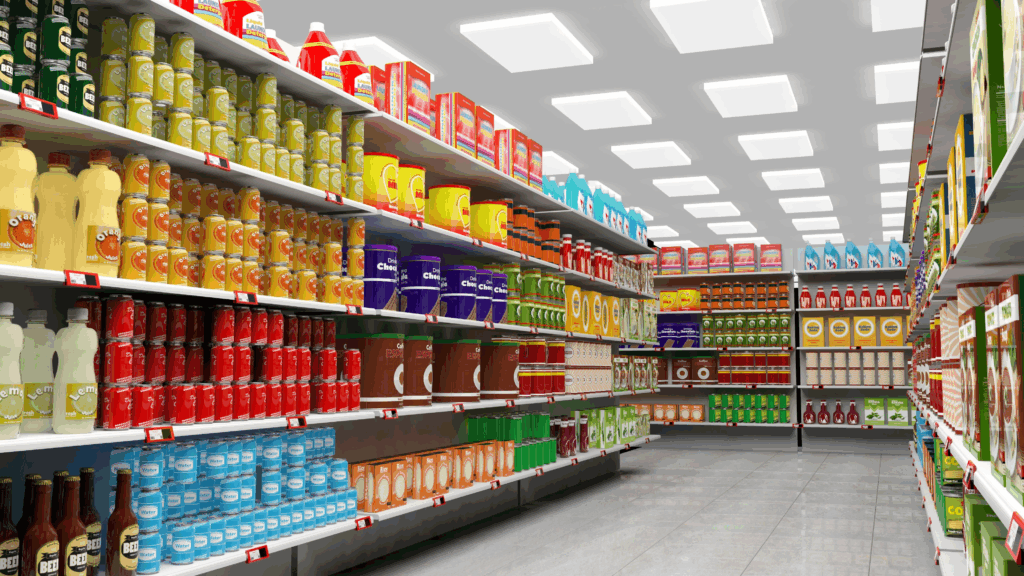
You play a key role in shaping customer experiences and influencing purchasing decisions by making smart merchandising choices. Understanding what is retail merchandising helps you realize how strategic product placement can drive customer interest and boost sales. Many shoppers report that excellent service and the ability to easily find products are major factors in choosing where to shop.
- 58% of shoppers care about past customer service.
- 50% appreciate displays tailored specifically for them.
Retailers face several challenges. Here’s a quick overview:
| Challenge | Impact on Store Performance |
|---|---|
| Limited Display Space | Stores lose sales and have empty shelves |
| Budget Constraints | Stores get messy and shoppers have bad experiences |
| Inconsistent Store Layouts | The brand looks bad and shoppers do not stay loyal |
Nova-day offers innovative solutions such as shelf management systems and the pusher system. These tools are designed to address these challenges and help you optimize your retail merchandising strategy.
Key Takeaways
- Good merchandising choices help customers have a better time and buy more. Put products in the right spots to get shoppers’ attention.
- Pick the best merchandising units for your store’s layout and how people walk around. This makes products easier to see and helps sales go up.
- Connect merchandising units with shelf management systems to keep things organized. This makes shelves tidy and helps people find products fast.
- Use facts and numbers to make your displays better. Live inventory updates stop empty shelves and lost sales.
- Check and change your merchandising plans often. Keeping up with trends makes your store look new and interesting to shoppers.
What Is Retail Merchandising and Its Importance
You might ask what retail merchandising means and why it is important. Retail merchandising is how you set up and manage products in your store. It is not just about making shelves look neat. You use retail merchandising to put products where people will notice them and want to buy them. When you know what retail merchandising is, you can see how it helps you keep your store tidy, help customers find things, and sell more.
Types of Merchandising Units
There are many merchandising units you can pick for your store. Each one has a special use and works best for certain products. Here is a table that shows some common types:
| Type of Display | Description |
|---|---|
| Freestanding Displays | These are easy to move and great for sales. You put them in busy spots. |
| POP Displays | These go near the checkout for quick buys. They are good for small things. |
| Mannequin Displays | These show how clothes look on people. Stores use them for clothes. |
| Gondola Shelving Displays | These are regular shelves for sorting products. You see them in many stores. |
| Table Displays | These make items stand out. Boutiques use them for special things. |
| Digital Displays | These use screens to get shoppers interested. Tech stores use them a lot. |
You can choose merchandising units by thinking about your store, your products, and how your customers shop.
Role in Retail Shelving
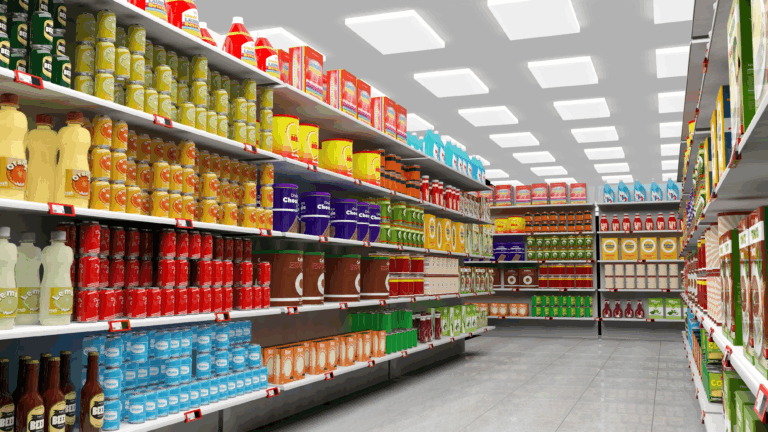
When you think about retail merchandising, you should also think about how it helps with shelving. Merchandising units keep shelves neat and help people find what they need. Good merchandising helps you keep track of products, stop empty shelves, and make sure popular things are always there. You can use these units to make your store look nice and clean, so shopping is easier for everyone.
Impact on Customer Experience
Retail merchandising changes how customers feel in your store. If you use smart displays and keep shelves neat, shoppers find things fast. Bright displays can catch people’s eyes and make them want to buy more. Studies say putting products at eye level or in special spots helps sales and makes shopping fun. If you focus on retail merchandising, you can make your store friendly and help customers leave happy.
Selection Criteria for Merchandising Units
Picking the right merchandising units helps your store do well. You need to choose carefully so your displays work with shelf management systems. They should fit your products and help you reach sales goals. This section explains what to think about when you pick units.
Compatibility with Shelf Management Systems
Your merchandising units should work with your shelf management systems. You need to check a few things before you decide. The table below can help you make smart choices:
| Criteria | Details |
|---|---|
| Flexibility | Modular kit adaptable for various uses |
| Accessory Compatibility | Supports slat panels, promotional units, pullout shelves, and more |
| Safety Requirements | Must meet safety standards for installation and use |
| Layout Planning | Requires consideration of store traffic flow and aisle width |
| Compliance with Regulations | Must adhere to ADA and local building codes |
You should also:
- Check how to anchor different gondola types.
- Make sure units work with your store’s floors and walls.
- Add anchoring hardware to your quality checks.
Planning your layout helps customers move easily. You want wide aisles and no dead ends. This makes shopping safer and more fun. You also need to follow safety and building rules.
If you use digital shelf management systems, you need good product data. This helps your units work with digital tools. You want to stop product mix-ups that confuse shoppers or cause returns. Product Information Management systems keep your data correct and your displays neat.
Product Suitability and Flexibility
Your merchandising units should match your products. You need units that fit many items and can change when needed. The table below shows what to look for:
| Aspect | Description |
|---|---|
| Easy Customization | You can change fixtures to fit new products or layouts. |
| Efficient Use of Space | Adaptable units help you use every inch of your retail space. |
| Quick Refresh | You can update displays fast to keep your store looking fresh. |
Units that let you try new layouts keep your store interesting. You can follow trends and use your space well. This helps you show off your products.
Check if your units are strong and last long. Pick ones made from tough materials. This saves money and keeps your store looking nice.
Nova-day’s Pusher System Advantages
Nova-day’s pusher system is a smart choice for your store. It works with many shelves and products. It uses dividers and feeding tracks to guide shoppers’ hands. This makes it easy for people to pick up products.
Studies say you can make products easier to see by up to 30% with good shelf placement. The pusher system keeps items at the front. Your displays look full and neat. Shoppers feel sure you have what they want.
Here is a table that shows why Nova-day’s pusher system is special:
| Benefit Description | Impact on Sales and Organization |
|---|---|
| 24 hours working, 365 days, no working fatigue complaints. | Ensures consistent shelf organization without labor fatigue. |
| Increase Profitability by a low maintenance and labor-saving to organize products. | Reduces costs and increases sales through better product visibility. |
| Works in normal temperature environment, also in coolers, chillers and ambient. | Versatile use enhances product display in various conditions. |
| Durable, long-lasting solution reduces waste and carbon footprint. | Sustainability can improve brand image and customer loyalty. |
| Can be designed to meet any requirements. | Customization can lead to better shelf organization and sales strategies. |
This system works all day and never gets tired. You do not need to worry about messy shelves or tired workers. The pusher system saves time and money. It works in coolers, chillers, and regular store areas. You can change it to fit your brand and products.
Dividers and feeding tracks help you make smart displays. Products stay easy to see and grab. This helps shoppers buy more, even slow-selling items. Your store looks full, which builds trust.
Choosing Nova-day’s pusher system means you get a strong, flexible, and useful solution. You help your sales, make customers happy, and keep your store neat with less work.
Tip: Check your merchandising units often. Picking the right ones is not just one job. Change your displays when your products or customers change.
Placement Strategies for Retail Shelving
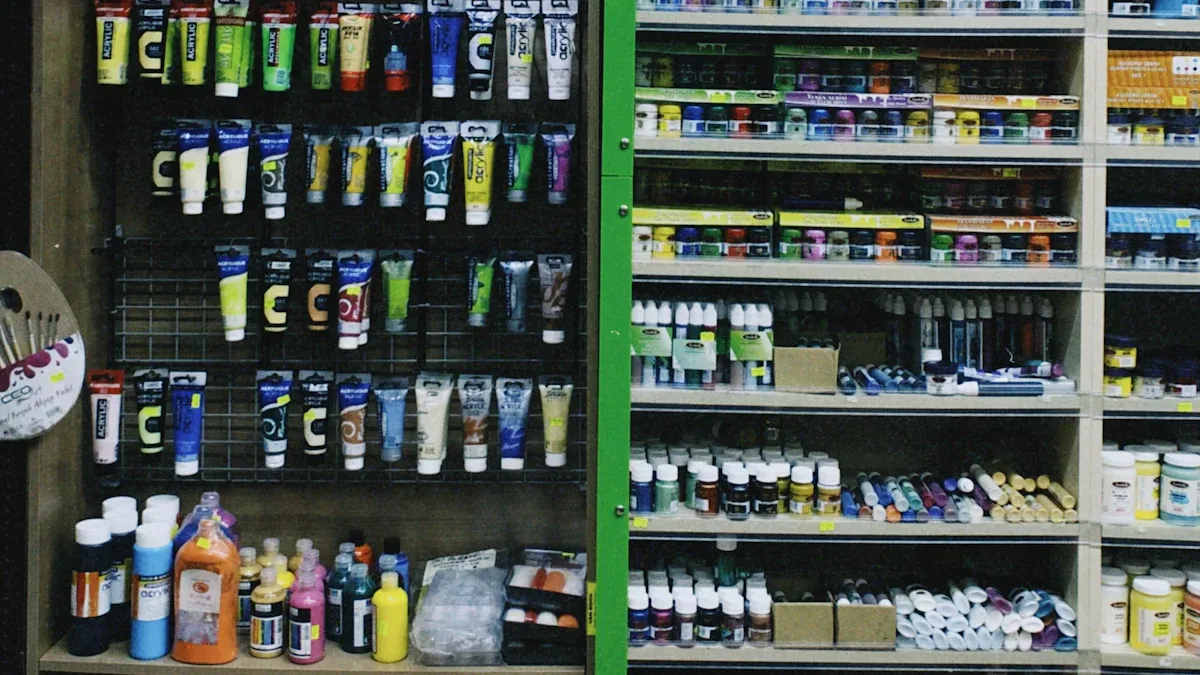
Analyzing Store Layout and Customer Flow
You should look at your store’s layout before placing products. The way your store is set up affects how shoppers move and what they see. If you know how customers walk around, you can put products where they will notice them first.
Studying your store’s layout helps you place merchandising units better. This changes how customers move and act in your store.
You can use cameras or heat maps to find busy spots. Ebster says shoppers like to walk on the same floor they entered. When you learn these habits, you can put popular products along these paths. This makes products easier to see and helps shoppers find things.
Maximizing Visibility and Accessibility
You want your products to be easy to spot. Putting items at eye level works best. Eye-level shelves get more attention and sell better than high or low shelves. Sales can go up by 23% when you use eye-level placement.
Here is a table to help you pick shelf levels:
| Shelf Level | Description | Product Type |
|---|---|---|
| Top Shelves | These hold fancy or special items | High-profit, low-volume items |
| Middle Shelves | These are where shoppers look first | High-profit, high-volume items |
| Bottom Shelves | These are harder to see and reach | Low-profit, high-rotation items |
Items in busy spots like endcaps sell more. Keep popular products easy to reach. Do not pack shelves too tightly. Shelves that can change height and depth help you show products better.
Common Placement Mistakes to Avoid
Some mistakes can make you lose sales. Do not hide price tags or tickets. If prices are hard to see, shoppers may leave. Not restocking shelves or keeping them ready can upset customers. Empty shelves make people think your store is not reliable.
If you skip eye-level placement, products get ignored. Signs that are old or weak make shoppers trust you less. If your stores look different, people may forget your brand or not stay loyal.
Good product placement helps shoppers notice and buy things.
Check your product placement often to make your store better. Smart placement builds trust and helps you sell more.
Integration with Shelf Management Systems

You need to link your merchandising units with shelf management systems. This helps your store stay neat and makes products easy to find. Using advanced systems lets you make better choices and helps your store work well.
Planograms and Digital Tools
Planograms are maps that show where each product goes. They help you give every item a spot so nothing gets lost. Digital tools make planograms stronger. You can change them fast and share updates with your team right away.
Here is a table that shows how digital tools help:
| Evidence Point | Description |
|---|---|
| Integration with ERP and POS | Planogram software connects with ERP and POS systems. You get live data and can move products based on sales and stock. |
| Cloud-based Solutions | Cloud tech lets you and your team work on planograms anywhere. Your data stays safe and easy to reach. |
| Mobile Applications | Mobile apps let staff update planograms in the store. You can fix product spots quickly. |
| AI and Machine Learning | AI uses data to guess which products will sell best. You use this to make smarter merchandising choices. |
Think about your shoppers when you make planograms. Set clear goals before you begin. Use system data to see what works and what does not. This helps you keep shelves full and customers happy.
Tip: Use tech to track inventory and update planograms. This makes things run smoothly and stops mistakes.
Data-Driven Merchandising Decisions
Data helps you make smart choices for your shelves. Shelf management systems with digital tools give you live updates on your stock. You always know what you have and what needs to be ordered.
Here are some benefits of using data:
- Live inventory updates keep shelves full and stop lost sales.
- Image recognition finds messy shelves and helps you fix them fast.
- Data on buying habits shows what customers like. You use this to plan displays and promotions.
Stores using data-driven systems get big improvements. They fill orders 30% faster and have 30% fewer empty shelves. Empty shelves cause 40% of lost sales. Many shoppers leave if they cannot find what they want. Using data keeps shelves ready and customers happy.
For example, a luxury skincare brand used data to improve orders. This led to a 41% jump in on-time shipments and a 91% rise in supplier teamwork. You can see how data-driven integration helps a lot.
Note: Talk with your team often about shelf management. Regular meetings help you spot problems and fix them fast.
Nova-day Solutions for Integration
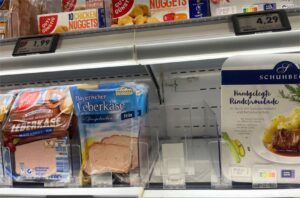
Nova-day gives you tools that work with many shelf management systems. The Nova-day pusher system is easy to add to your store. It keeps products at the front of the shelf so they are easy to see and grab.
Stores using Nova-day pushers see neater shelves and happier shoppers. One supermarket manager said, “After installing Novaday pushers, our shelves stayed tidy all day, even when busy.” You can trust these systems to keep your store looking nice.
Here is a table that shows how retailers benefit from Nova-day:
| Retailer Type | Outcome Description |
|---|---|
| Supermarkets | Cut labor costs by 30% by stopping manual price tag updates. |
| Clothing Stores | Used dynamic pricing to match online competitors right away. |
| Electronics Retailers | Gave personalized deals using loyalty app data. |
Nova-day’s pusher system works in many places. You can use it in coolers, chillers, or regular aisles. The system fits your needs and helps you keep shelves neat with less work. You can change the system to fit your products and brand.
When you pick Nova-day, you get strong links with your current systems. You save time and money. You also make shopping easier for your customers. The system helps you keep shelves full and your store running well.
Callout: Nova-day’s integration helps you stay ahead in retail. You can react quickly to changes and keep your store neat.
Always look for ways to make your integration better. Use tech, talk with your team, and pick flexible systems like Nova-day. This helps you do well in retail and keeps customers coming back.
You make your store better by picking good merchandising units. You should plan how shelves are set up. You also need to connect displays with shelf management systems. Nova-day’s solutions help shoppers reach products easily. These tools save workers time and keep items fresh. Merchandising analytics let you see basket size and product trends. This helps you check if your shelving ideas work. Nova-day gives you tools for visual search and intent recognition. You get more control over your merchandise and displays. Use these merchandising tactics to make shopping nicer and help your products do well.
FAQ
What is the main purpose of retail shelving?
Retail shelving helps you organize products. It makes items easy to find. Shelving keeps your store neat and tidy. It supports your shelving strategy. Shelving helps you use space better. You can boost sales by making products easy to see. Shelving also makes products easier to reach.
How do gondola shelves help with space optimization?
Gondola shelves help you use all your store space. You can change them to fit different products. This flexibility helps your shelving strategy. You get better space use and can change displays fast. Gondola shelves make it easy to set up new promotions.
Why should you update your retail shelving layout often?
You should change your shelving layout to match shopping trends. Changing layouts keeps your store looking new. It lets you try new ideas for using space. You can make products look better and your store more welcoming.
What makes gondola shelving different from other display units?
Gondola shelving stands in the middle of aisles. You can reach products from both sides. This design gives you more room for displays. Gondola shelving works for many products. It helps you keep your store organized.
How does visual merchandising connect with retail shelving?
Visual merchandising uses shelving to show products well. You arrange items to catch shoppers’ attention. Good shelving helps your displays stand out. It makes it easier for customers to find things. Shelving helps shoppers get what they need faster.