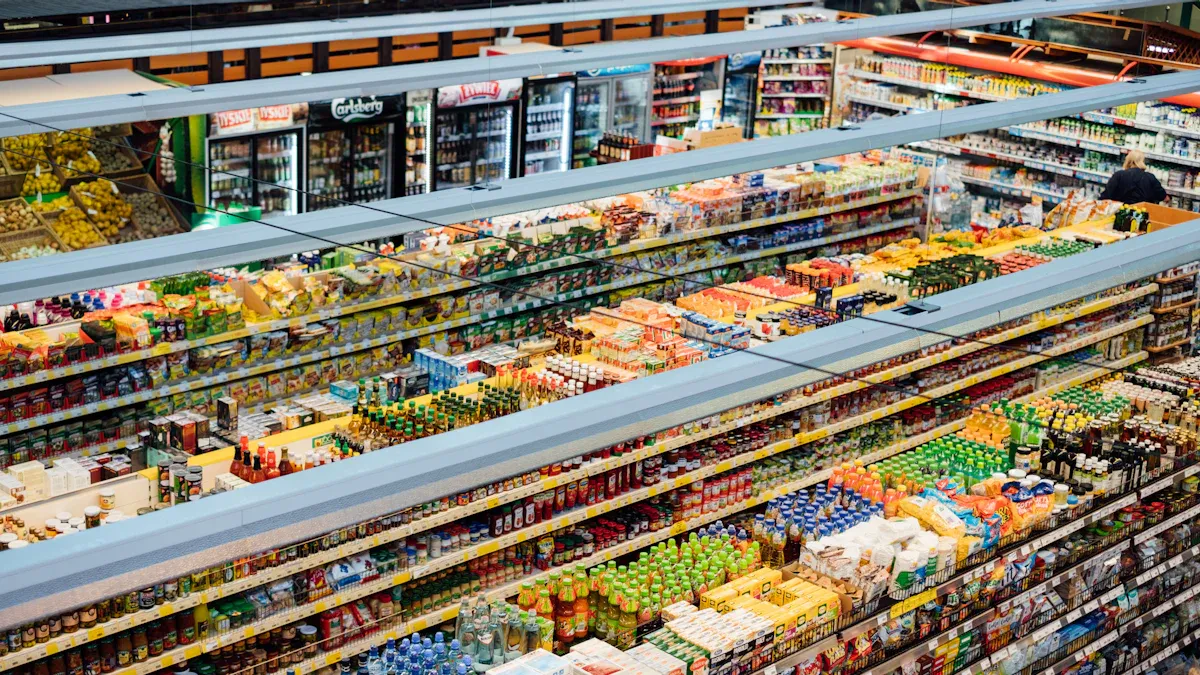
Store shelf management helps you use all your retail space. It can help you sell more products. Good product arrangement brings in more shoppers. It also helps them pick what to buy. Studies show about 40% of shoppers choose a brand after they walk in. Products in the best spots can sell up to 30% more. You get more than just money. Shelf management makes shopping better for customers. It keeps things neat and easy to find. It also gives you data to make smarter choices. Nova-day offers new ways to help you get these results. Think about how you can make your shelf management better.
| Benefit | Description |
|---|---|
| Increased Sales | Putting slow-selling items near popular ones helps people see and buy them. |
| Improved Customer Experience | Fun and smart setups make shopping easier and more fun. |
| Data-Driven Insights | Checking shelves often helps you fix stock and where things go. |
Key Takeaways
- Good shelf management can help sales go up by 30%. This happens when products are put in the best spots.
- Tools like pusher systems and roller tracks keep shelves tidy. These tools also make people buy things without planning.
- Checking shelves often helps find problems with stock. It also makes shopping better for customers and helps sales grow.
- Teaching workers about shelf management keeps the store clean. It also makes shoppers happier.
- Using data analytics helps you place products better and manage inventory. This makes your store work well and earn more money.
Store Shelf Management Overview
Definition and Scope
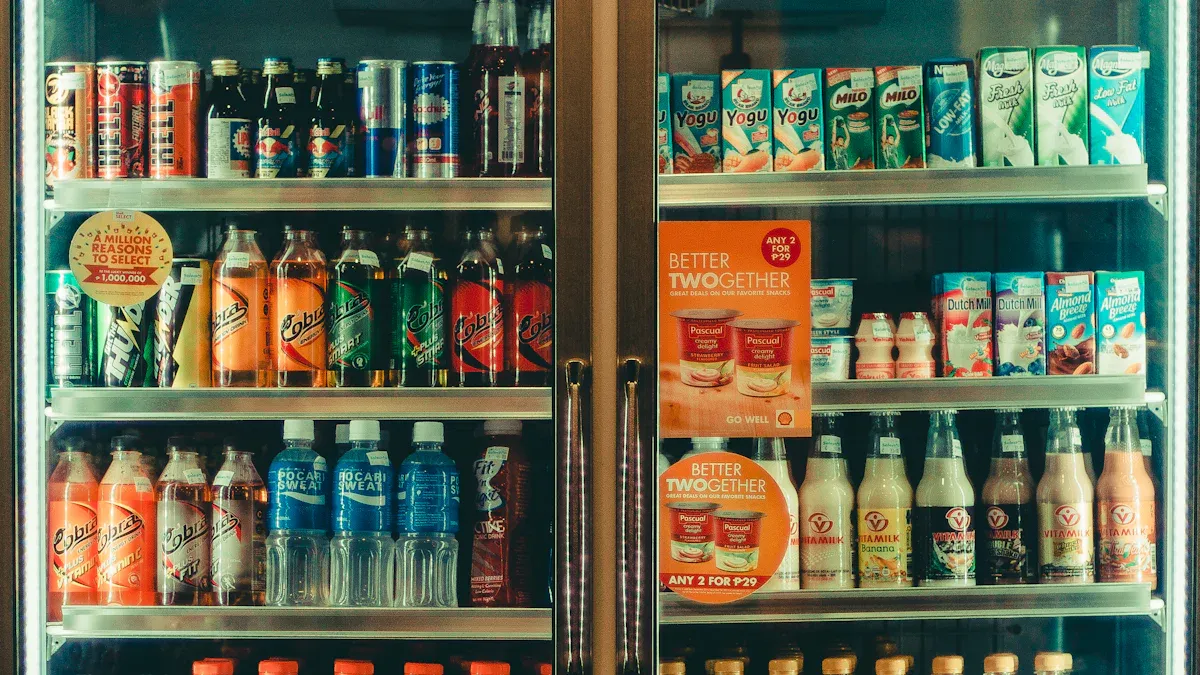
Store shelf management is how you set up products on shelves. You make the store easy for people to shop. This includes many jobs:
- You arrange shelves so people see products better.
- You make displays that catch shoppers’ eyes and help them buy.
- You keep shelves full and tidy.
- You use data to decide where things should go.
- You teach workers the best ways to do these jobs.
- You use technology to check stock and work faster.
You do these jobs in big and small stores. Small shops need to use every shelf space well. Big stores have lots of products and groups to manage. Good shelf management stops empty shelves and lost sales. It also helps you show products so people can find and reach them easily.
Importance for Retailers
Shelf management helps you sell more and make shoppers happy. Putting products in good spots can raise sales by 30%. About 40% of shoppers pick a brand after seeing the shelf. Shelves that are managed well make shopping easier and more fun.
| Benefit Type | Details |
|---|---|
| Sales Increase Potential | Products in prime shelf spots can boost sales by up to 30%. |
| Shopper Decision Influence | Nearly 40% of shoppers choose a brand after seeing the shelf. |
| Customer Experience Improvement | Well-managed shelves create a better in-store experience. |
You lose less stock when you manage shelves well. Stores run out of stock about 7-8% of the time. Most shoppers will not wait for you to restock. Many will buy something else, go to another store, or leave. Keeping shelves full and neat keeps more customers and helps you earn more. Merchandising and inventory control help your business do well together.
Principles of Effective Shelf Management
The Three P’s: Packaging, Place, Price
You can make shelf management better by looking at packaging, place, and price. Packaging is what shoppers see first. It shows your brand and makes your product stand out.
Packaging is the first thing people notice. It tells what the brand is about and why this product is special.
Most shoppers choose what to buy in the store. Nice packaging catches their eye and helps them think about value and ease.
Where you put products matters too. Items at eye level get bought more. The middle shelf sells the most.
Price is important as well. Shoppers look at prices fast. Small price changes can make people want to buy more or less. Checking prices before selling helps you do better.
| Findings | Description |
|---|---|
| More Posters Raised Sales | Posters made people buy more products. |
| Best Way to Show Price | ‘Compare’ posters helped show prices best. |
| Middle Shelf Sold Most | The middle shelf had the highest sales. |
Shopper Behavior Insights
Knowing how shoppers act helps you set up shelves well. Shoppers pick what to buy in seconds. Products at eye level sell more.
One big grocery store changed its snack aisle. They watched how people looked at shelves. This made snacks easier to see and sales went up.
You should set up shelves to match how eyes move.
- Putting products in good spots can raise sales by 40%.
- Most buying choices happen in 3-5 seconds at the shelf.
- Brands that use smart shelf spots get more sales.
Checking shelves often makes sure your plans work. You should watch how shoppers look and compare items.
- Eye-level products get 17% more buys.
- Shoppers remember where things are by how they look.
- Simple shelf setups help people see and buy more.
Visual Merchandising Basics
Merchandising uses looks to make shelves nice. You can use balance, symmetry, and colors to get attention.
| Principle | Description |
|---|---|
| Balance and Symmetry | Put products so they look even and neat. |
| Contrast and Focal Points | Use colors or shapes to make some items stand out. |
| Color Theory | Pick colors to set the mood and show your brand. |
| The Rule of Thirds | Split displays into parts for better balance. |
| Storytelling Through Displays | Make displays tell a story that shoppers like. |
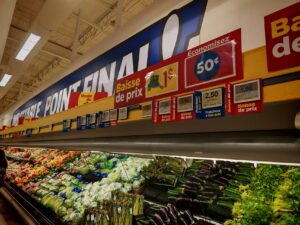
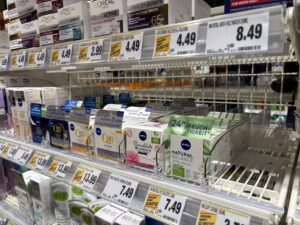
Change displays often and group items in odd numbers. Put important products where lots of people walk. Clear price tags and signs help shoppers choose fast.
Good visual merchandising makes shopping better and brings people back. Nice displays can make shoppers feel good and buy more.
Space Planning and Shelf Optimization
Planograms and Layouts
A planogram shows where each product should go on shelves. This tool helps you find the best way to set up items. Planogram programs help you manage shelf layouts and make products easier to see. They also help you sell more. You can use 3D features to see how shoppers walk in your store. This lets you find spots that need fixing and use space better.
| Feature | Benefit |
|---|---|
| Planogram programs | Manage shelf layouts, enhance visibility, and drive sales |
| 3D visualization | Simulate shopper movement, optimize space usage |
| Collaboration | Align marketing, sales, and supply chain for better promotions and stock |
When you use a planogram, every product goes in the right place. This helps you sell more in each area and have fewer stock problems. You also keep your brand looking good in all stores. Putting top-selling items in smart spots gets them noticed. Stores that follow planograms often sell more because shoppers find things fast.
- Planogram optimization helps you sell more and show products better.
- It makes sure shelf space is used well.
- Shelves set up right match business goals and how shoppers act.
Zoning and Product Grouping
Zoning means splitting your store into sections by product type. This helps shoppers find things faster. It makes moving around the store easier and shopping better. When you put similar products together, shoppers look at more areas and stay longer. This can lead to more impulse buys.
| Practice | Description |
|---|---|
| Zoning | Organize store by product type for better flow and navigation |
| Exploration | Encourage shoppers to visit more sections and increase in-store time |
| Impulse Purchases | 84% of shoppers make impulse buys, showing zoning boosts sales |
You can use merchandising tricks like putting pasta next to pasta sauce or razors near shaving cream. This cross-merchandising makes baskets bigger and shopping easier. Clear labels and neat groups, like sorting by category, help people find things and make restocking faster. A good layout helps you manage stock and keeps the store tidy. Macro space planning helps you run your store better and make more money.
Product Placement Strategies with Nova-day Solutions
Putting products in the right place helps your store look neat. It also helps you sell more. Nova-day gives you special tools for shelf management. These tools help your shelves look nice and work better. You can use them to save time and make more money.
Using Pusher Systems for Front-Facing Displays
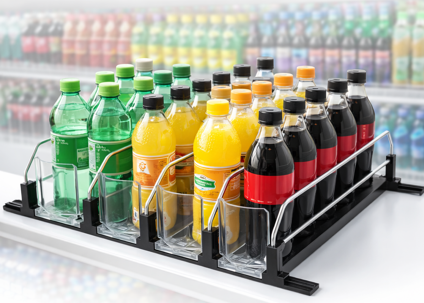
You want shelves to always look full and tidy. Nova-day pusher systems help you do this. These systems keep every product at the front. Customers always see neat rows. You do not have to worry about empty spots. The pusher system uses a spring to move products forward.
- Products stay at the front, so they are easy to see.
- Shelves look neat, which brings in more shoppers.
- The front lock lets you restock fast, even when busy.
- You spend less time fixing shelves and more time helping people.
Stores using pusher systems sell 18-22% more in many areas. They also spend 40% less time restocking. When products are easy to see, people buy more on impulse. Neat shelves help customers find things fast. This means they buy more items and pick better products. This way, you manage shelves well and sell more.
Tip: Use pusher systems for drinks, snacks, and other quick-selling items. Your shelves will look great all day.
Shelf Roller Track for Product Accessibility
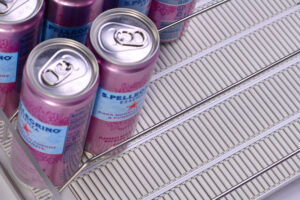
Nova-day shelf roller tracks use gravity to move products forward. You put these tracks on your shelves. Products roll to the front when someone takes one. This works well for drinks, dairy, and items that need restocking often.
| Benefit | Without Roller Track | With Roller Track |
|---|---|---|
| Product Alignment | Products sit unevenly | Products aligned automatically |
| Manual Facing | Frequent manual facing | Auto-fronting every time |
| Shelf Appearance | Shelf looks half-empty | Shelf appears fully stocked |
With roller tracks, you do not need to fix products by hand. Staff can help customers or restock busy shelves instead. This saves time on every shelf, every shift. Shoppers like shelves that look full and neat. When they find things fast, they feel happy and buy more.
You also make your store run better:
- Staff help customers more and restock less.
- Stock rotation is easier, especially for fresh items.
- Older products stay in front, so there is less waste.
Roller tracks help keep your store clean and neat. You have less mess and fewer lost items. This makes customers trust your store. This system helps you reach your merchandising goals and manage shelves better.
Dividers for Organization and Visibility
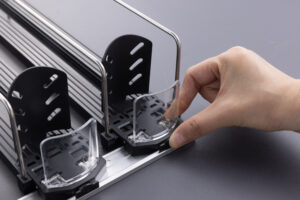
Nova-day shelf dividers help keep products apart and easy to find. These clear dividers let shoppers see everything on the shelf. You can use them to make neat rows for each product. This makes shopping faster and more fun.
| Benefit | Description |
|---|---|
| Visibility | Clear dividers let customers see products easily. |
| Accessibility | Open front design allows quick access to items. |
| Organization | Dividers keep products sorted and easy to locate. |
Many stores see good results after adding dividers. One supermarket sold more drinks because products were easy to spot. Pharmacies spent 40% less time restocking medicine shelves. Some stores saved up to $1 million a year by managing shelves better. Dividers also help you waste less and meet green goals.
When you use dividers, your shelves look neat and work well. Customers find what they need faster. Staff spend less time fixing messy shelves. This helps your merchandising plan and gives shoppers a better time.
Note: Use pusher systems, roller tracks, and dividers together for the best results. You will get neater shelves, more sales, and happier shoppers.
Inventory Rotation and Shelf Maintenance
FIFO Method
You need to keep shelves fresh for shoppers. The FIFO method means “First In, First Out.” You sell older products before new ones. This stops items from expiring on shelves. Staff learn to rotate stock with FIFO. You check dates and product quality each time you restock. Products that expire soon go in front. You can also use FEFO for short shelf life items.
- Sell older products first before new ones.
- Teach staff to use FIFO for rotating stock.
- Look at expiration dates and check quality.
- Put soon-to-expire items at the front.
You keep your store safe and waste less. Customers trust you because your products are always fresh.
Shelf Audits and Restocking
You need to check shelves often. Shelf audits help you spot empty spaces or too many items. You also find products in the wrong spot. You fix these problems right away. Regular audits and restocking keep shelves full and neat. You follow shelf management rules so everything looks nice.
| Benefit | Measurement |
|---|---|
| Sales Increase | 10% more sales from audits |
| Shrinkage Reduction | 5% less shrinkage saves money |
You follow shelf standards better. You have more products ready for shoppers. You also make more money. Shelf audits show problems like shrinkage and missing stock. You fix these issues to keep inventory right. This helps you earn more and makes customers happy.
Tip: Plan shelf audits at set times. Use a checklist so you do not forget anything. Your team works faster and your store looks great.
Shelf Management System and Technology
Benefits of Shelf Management Systems
A shelf management system helps your store run well. It keeps products organized and easy to find. You spend less time fixing shelves. Sales can go up when products are easy to see. Nova-day has smart shelf management systems. These systems make shelves look neat and professional. You use them to keep products in order. This makes shopping easier for everyone.
| Benefit | Description |
|---|---|
| Organize Displays | Shelf management systems keep products neatly aligned and organized, enhancing the store’s appearance. |
| Reduce Labor | These systems minimize the need for constant employee intervention in stocking and organizing shelves. |
| Increase Sales | By ensuring products are visible, these systems can boost sales by enhancing customer engagement. |
| Promote Branding | They help maintain product visibility and branding, appealing to customers’ recognition preferences. |
You can make displays that look nice and attract shoppers. Shelf management systems keep products facing forward. This makes items easy to grab. Organized shelves stop shoppers from getting upset. You give them a better time every visit.
Nova-day’s shelf management system uses strong materials and smart designs. These systems last long and work in many stores. Your team works faster and helps customers more.
Data Analytics and Automation
Technology makes shelf management systems even better. Data analytics shows what sells best and when to restock. This helps you keep the right amount of products on shelves. You can spot inventory problems before they get big.
- Data analytics lets you study sales and customer habits. You can guess what products you need and avoid running out.
- You see all your inventory in one place. This helps you fix mistakes and keep shelves full.
- Smart models help you manage stock better. You waste less and move products faster.
Automation adds more good things. Nova-day’s electronic shelf labels change prices right away. You do not need to switch paper tags by hand. This saves time and stops mistakes. Automated systems change shelves based on stock and what shoppers want. You set up new displays fast and keep your store fresh.
| Example | Impact Description |
|---|---|
| Faster time to market | Automation allows you to quickly set up new layouts and product displays. |
| Real-time shelf adjustments | Dynamic shelves change based on stock and demand, keeping products visible. |
| Customer behavior integration | Automated systems use shopper data to improve product placement and boost sales. |
Using shelf management systems with technology makes your store work better. You save money, make fewer mistakes, and give shoppers a better experience.
Implementation and Continuous Improvement
Staff Training
You need a team that knows what to do. Teach your staff how to keep shelves neat. Show them how to put products at the front. Make sure items are at the right height. Products should be in the correct order. Give your team easy checklists for each job. This helps everyone know their tasks every day.
Tip: Staff can take photos after they restock shelves. These pictures show if shelves look right. You can use them to check work and keep things on track.
Pick someone to watch each shelf section. Give them a time to finish their job. This helps everyone stay responsible and keeps the store tidy. Teach your team how to show off special deals. Use signs or special shelves for promotions. Change displays for holidays to make shopping more fun.
Monitoring and Adapting
Check your shelves often to see what changes. Look at them every day to find problems fast. Use regular checks to see what works well. Move items around a little and see if sales go up.
- Put slow-selling items next to popular ones to help them sell.
- Use special displays for deals and holiday products.
- Watch for new trends and change your shelf setup when needed.
AI tools can help you change shelves using real-time data. This keeps your store working well and shelves looking good. Teach your staff how to use these tools and learn from new ideas. Always try to get better so shoppers have a great time in your store.
You can sell more and make shopping better with good shelf management. Use planograms, pusher systems, and shelf dividers to keep shelves neat. Nova-day solutions help you follow shelf rules and make your store look nice. Check your shelves often and change them when trends shift. For more help, go to Nova-day’s website or ask for expert advice.
FAQ
What is the main goal of store shelf management?
You want to make your shelves work better. Store shelf management helps you use space well and increase sales. You keep products easy to see and reach. This leads to a better shopping experience for your customers.
How does modern shelf management software help my store?
Modern shelf management software lets you track inventory and sales in real time. You can adjust displays quickly. This tool helps you spot trends and fix problems fast. You make smarter decisions for your store.
Why should I focus on smart macro space optimization?
Smart macro space optimization helps you use every part of your store. You group products in the best spots. This method increases sales and makes shopping easier. You get more value from your retail space.
How often should I review my shelf setup for optimization?
You should check your shelves every week. Regular reviews help you spot empty spaces and slow sellers. You can move products to better spots. This keeps your store fresh and supports ongoing optimization.
What tools can help me keep shelves organized?
You can use pusher systems, roller tracks, and dividers. These tools keep products front-facing and neat. They save time for your staff. You give shoppers a better experience with organized shelves.