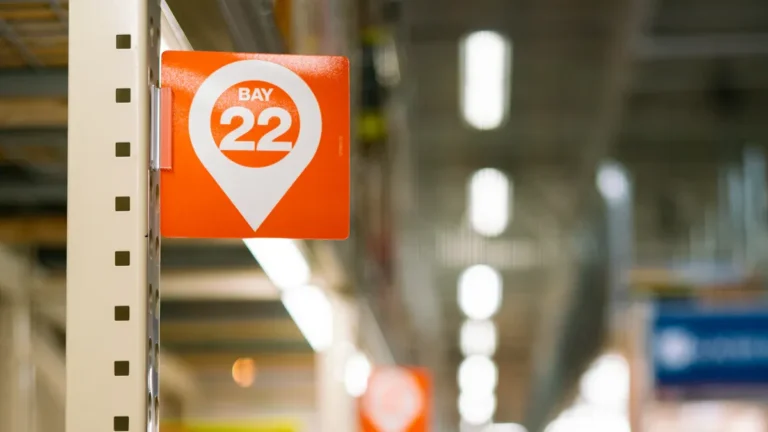
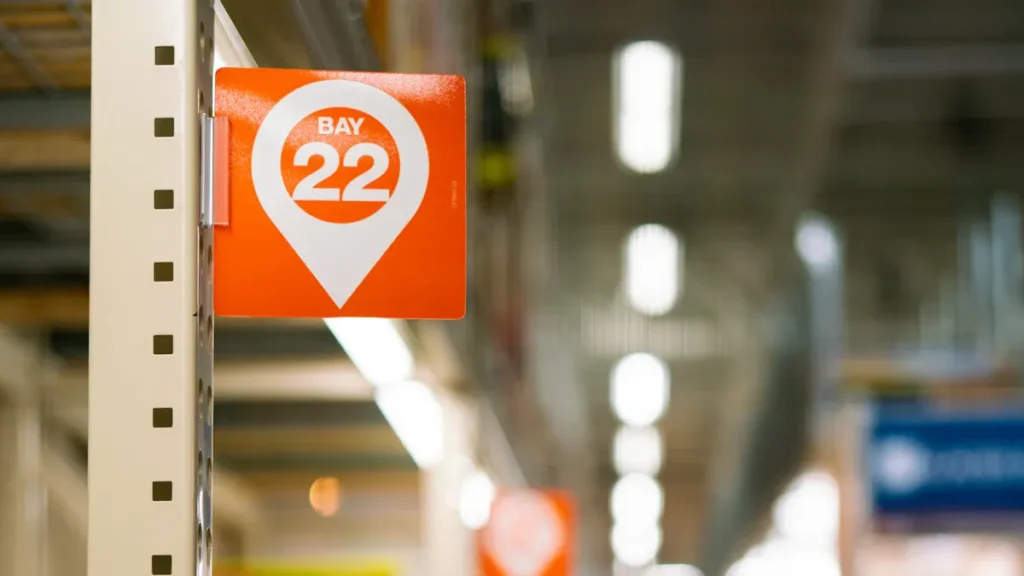
Warehouse signage helps you keep things in order. It makes your space safer. It also helps people work faster. Think about looking for something in a busy warehouse with no clear signs. You could waste time. You might get annoyed. You could even get hurt.
- Bad directions and missing load capacity signs cause confusion. They can also make things dangerous.
Studies show that digital signage helps people talk to each other better. It gives updates right away. It shows safety rules. Think about your own signage system. Picking the right signs for each spot helps everyone see your message. It keeps your warehouse working well.
Key Takeaways
- Good warehouse signage helps workers find things fast. It makes picking, packing, and shipping easier.
- Safety signs help stop accidents and injuries. They show where dangers and emergency exits are.
- Check and update signs often. This keeps them easy to see and follows safety rules.
- Use bright colors and big letters on signs. This helps workers see them and get information quickly.
- Teach staff how to read and use signs. This helps them pick orders better and stay safe at work.
Warehouse Signage for Efficiency and Safety
Streamlining Operations
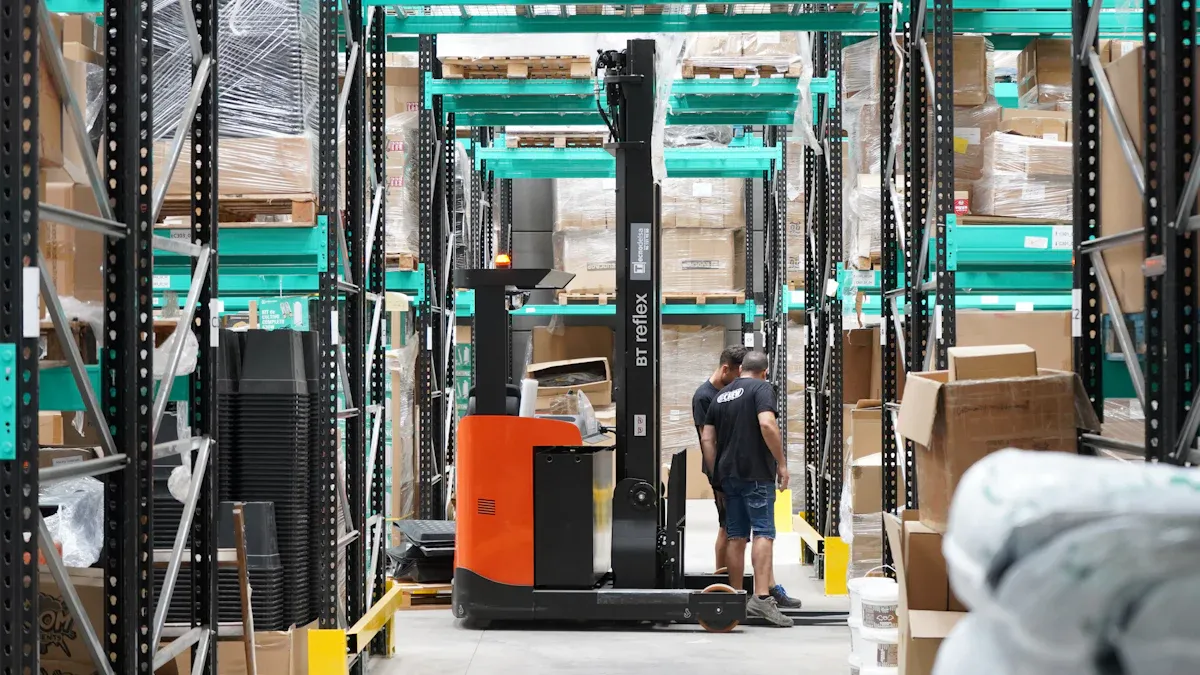
Warehouse signage helps you keep things neat and guides your team. Clear signs make picking orders faster and easier. Digital warehouse signage shows where to pick, pack, and ship. This saves time because workers find products quickly. You can point people to areas for staging, sorting, and packing. Good organization means fewer mistakes and less time scanning. It is easier to find inventory and be more accurate.
Order picking is easier when signage matches your warehouse layout. Custom warehouse aisle signage helps you find storage spots for counting and restocking. Sorting, stocking, and picking become simpler. Good signage helps with batch picking and other smart ways to work. You can use signs to give real-time updates. This helps you change workflows right away.
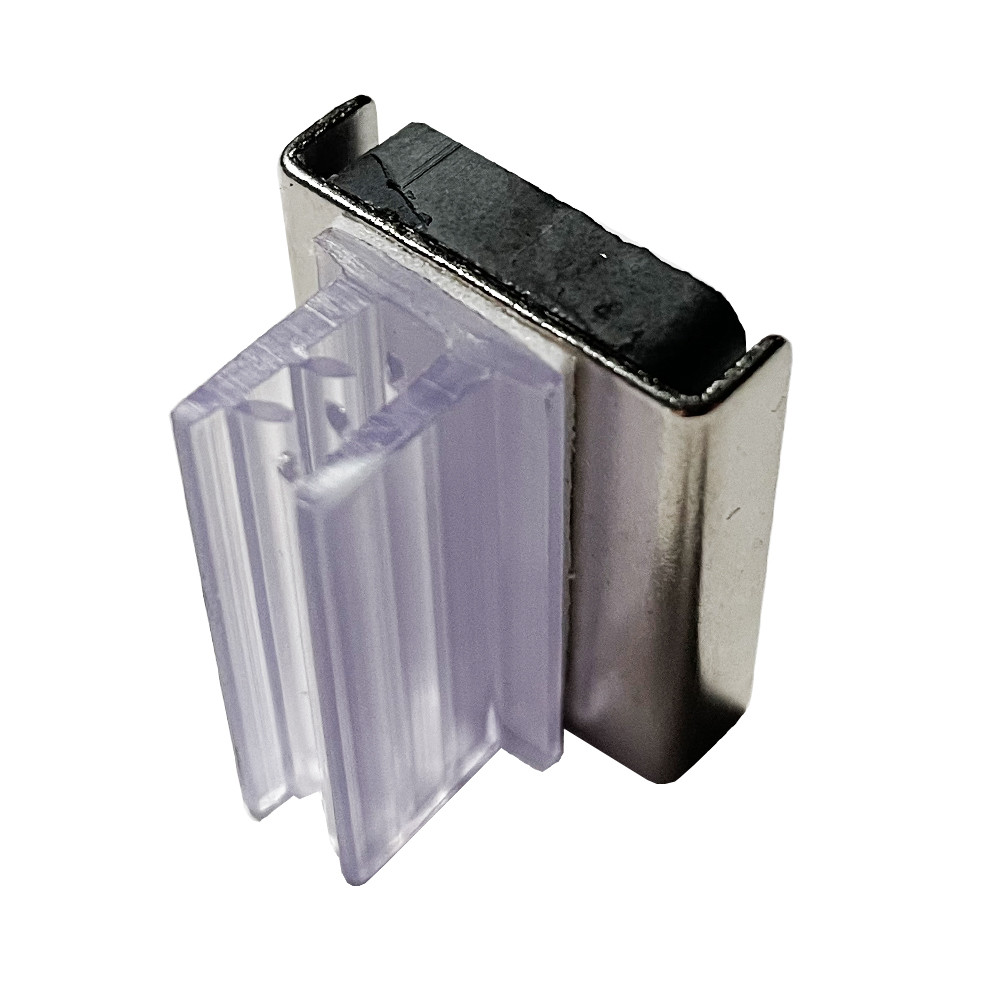
Nova Day’s Magnetic Aisle Sign Gripper Holder (#MAG25) lets you show signs in busy places. You can put it on top of shelves, end caps, and warehouse racks. The strong magnet keeps your sign in place and easy to see. You can show prices, deals, or directions clearly. This holder fits signs up to 4.8mm thick, so you can use many types.
Tip: Put signs at eye level and near picking zones. This helps workers find information fast and work better.
Here are some ways warehouse signage helps workflow:
- Makes it easier for staff to share information.
- Helps stop mistakes in inventory with clear signs.
- Boosts productivity by making it faster to find info.
- Lets you update workflows right away with new info.
- Helps new workers learn with easy-to-see signs.
- Makes it easier to track how well things are going.
- Supports batch picking and other smart picking ways.
You can make things run better and save time and money with good designs. Warehouse signage helps with batch picking, cross docking, and shadow boards. When signs are easy to see, your team works faster and safer.
Enhancing Safety Culture
Safety is very important in every warehouse. Signs help make things safer. You can use signs to mark places like forklift crossings, loading docks, and chemical storage. Clear signs on machines help stop injuries. Showing safety rules and exits makes the warehouse safer for all.
Easy-to-see warehouse signage gives workers and visitors clear directions. You can use signs to show emergency exits and routes. This helps people leave fast in an emergency. Signs also remind workers about dangers and safety lessons. You can use signs to show you follow the rules and keep things safe.
Good signs help people talk and give clear instructions. You can stop accidents by marking risky spots and showing safety steps. Signs on machines help workers stay safe. Using good signage builds a strong safety culture.
Note: Check your signs often to make sure they are easy to see and correct. Change any faded or broken signs to keep your warehouse safe.
You can use Nova Day’s Magnetic Aisle Sign Gripper Holder (#MAG25) to show safety signs in busy spots. The magnet keeps signs safe and easy to see, even in crowded areas. You can show safety rules, exits, and warnings with no worries.
Warehouse signage helps you work better and stay safe. You can guide your team, make fewer mistakes, and stop injuries. The right signs protect your workers and keep your warehouse in order.
Types of Warehouse Aisle Signage
Directional and Wayfinding Signs
Directional and wayfinding signs help people move around the warehouse. These signs show workers where to go. They make picking orders faster. When you put these signs in important places, workers find aisles, exits, and storage spots easily. This stops confusion and keeps everyone going the right way.
Here is a table that lists common directional and wayfinding signs:
| Type | Purpose | Examples |
|---|---|---|
| Identification | Shows where things are and acts as a landmark. | Door plaques, Department signs |
| Directional | Points people to the right place at turns. | Junction signs, Floor lines |
| Informational | Shares general facts about the warehouse. | Amenities signs, Maps |
| Regulatory | Tells people the rules for safe actions. | No smoking, ADA compliance |
Tip: Bright aisle signs help workers find things fast. Use colors and big letters so signs are easy to spot.
Good signage helps orders get delivered right and keeps people safe. It also makes workers happier and helps them pick orders better.
Safety and Compliance Signs
Safety and compliance signs keep everyone safe in the warehouse. These signs show where to find emergency exits, fire tools, and warn about dangers. They must follow OSHA and NFPA rules. You need to make sure signs are easy to see, even if the power goes out.
Here is a table with important safety and compliance sign rules:
| Regulatory Body | Key Requirements |
|---|---|
| OSHA | Must be seen from 100 feet, stay lit in outages, clear view |
| NFPA | Must light up, show through smoke, not melt in heat |
| Local Codes | Set how high to hang signs and how far apart |
You should use these safety signs in your warehouse:
- Emergency exits and fire extinguisher spots
- Warnings for electric or slippery areas
- Signs that say “No Smoking”
- Signs that say “Wear PPE”
- Signs for forklift and walking paths
Note: Look at your safety signs often. Change any faded or blocked signs right away.
Inventory and Location Labels
Inventory and location labels help you track products and pick orders faster. These labels mark shelves, bins, and racks. Clear names and codes make finding things easy. You can use colored labels to sort items quickly.
Here are some tips for using inventory and location labels:
- Put labels at eye level so people can see them.
- Use strong materials so you do not replace them often.
- Try barcode or QR code systems for quick scanning.
The table below shows labeling systems used in busy warehouses:
| Labeling System | Benefits |
|---|---|
| RFID Tags | Scan lots of items at once, adds safety |
| Traditional Barcode | Fast, works well, simple to use |
| QR Codes | Holds more info, works with phones |
When you use aisle signage for inventory, picking orders is more correct. You also save time and make fewer mistakes. Good signs and labels help new workers learn fast and keep the warehouse neat.
Choosing the Right Signs for the Right Message
Matching Signage to Application
You need to pick signs that fit each area. Every part of the warehouse has its own job. Some signs help workers pick orders. Other signs warn people about safety. Think about where you want each sign to go. Decide what you want each sign to do. Big, bold signs work well for aisles. Small labels are better for bins. The design should match the job.
Here is a table to help you pick the best signs for each use:
| Criteria | Description |
|---|---|
| Purpose of the sign | Tells if the sign is for aisle names, safety, or moving things. |
| Location of the sign | Shows where to put the sign, like above or at doors. |
| Materials used | Makes sure the sign is tough and easy to see for your needs. |
Try not to make common mistakes with signs. Do not put too many signs in one spot. This can make workers confused. Use bright colors and simple shapes. Keep your labels the same everywhere. This helps picking orders and keeps things neat.
Tip: Use colors and big letters to help workers pick orders fast and find their way.
Durability and Visibility Factors
Signs in your warehouse should last and be easy to read. The design needs to handle dust, water, and bumps. In busy places, use strong materials like plastic, PVC, or aluminum. These keep signs clear and tough. Aluminum is good outside and does not break or fade. PVC works well near machines. Laminated vinyl stays clear inside.
Here is a table that shows which materials work best in different places:
| Material Type | Properties | Suitability for Warehouse Conditions |
|---|---|---|
| Rigid Plastic | Tough, does not get ruined by water | Good for wet areas, stays easy to read |
| PVC | Light, does not break easily | Best near big machines |
| Aluminum | Strong, does not get ruined by weather | Great for outdoor docks or skylights |
| Coated Metal | Tough, does not wear out fast | Lasts in busy spots |
| Laminated Vinyl | Bends, does not fade in sunlight | Good for inside, stays easy to read |
Put signs where everyone can see them. Do not hide them behind things. Emergency exit signs need light or glow in the dark. Good signs help workers move safely and work faster. Clear signs also help stop accidents and make workers feel safe.
Note: Look at your signs often. Change any faded or broken signs to keep your warehouse safe and working well.
Picking the right signs for each message helps keep your warehouse safe, fast, and organized.
Best Practices to Improve Efficiency
Implementation Tips
You can make your warehouse work better by planning your signage. Add your label maker to your team early. This helps you avoid mistakes and saves time. Order the right barcode labels and signs for your needs. Work with your label maker to pick the best ones for your space and tools.
Look at your warehouse layout to find where you store things. Figure out where you need signs. Clean racks and aisles before you put on labels. Order preprinted labels early to make things faster. Start planning about 8-12 weeks before you install signs. Give correct data for making labels. When the crew comes, make sure your warehouse is ready.
“Check that your warehouse is ready for label installation. Make sure aisles are clear of stuff and equipment. Racks should be clean and ready for labels.” – Brian Blair, ID Label
Digital signage can help your warehouse run better. Digital signs give updates right away and guide workers. This lets you change things fast when needed. It also helps stop mistakes and keeps things moving.
Staff Training and Maintenance
Training your team is very important for good signage. Teach workers how to read and use new signs. Show them how signs help with picking orders and safety. Hold training often so everyone knows what to do.
Check your signage system at least once a year. High-risk spots may need more checks. After big changes or new rules, look at your signs and update them. Use a checklist to find missing or broken signs.
| Key Factor | Description |
|---|---|
| Signage Review | See if signs help your warehouse goals. |
| Identify Gaps | Find places missing signs. |
| Readability | Make sure signs are easy to read. |
| Standardization | Use the same colors and icons everywhere. |
| Material Selection | Pick strong materials for your warehouse. |
| Usability | Make sure signs are easy to use. |
| Compliance | Follow OSHA and ANSI rules. |
Regular checks and training help your warehouse work better and stay safe. Good signage keeps order picking easy and helps your team every day.
You can make your warehouse better with good signs. Signs help your team work quickly. They also help everyone stay safe. Signs keep things neat and easy to find. Look at the table below to see the benefits:
| Benefit Type | Description |
|---|---|
| Real-time performance insights | Live dashboards help you track work and goals. |
| Safety and compliance alerts | Automated alerts keep your team safe in risky areas. |
| Improved team coordination | Interactive signs help people report problems and stay updated. |
Begin with a signage check:
- Find important zones on a map.
- Look at each sign for damage.
- Make sure signs follow the rules.
- Write down what you see.
- Change safety signs first.
You can ask signage experts for help. They help you pick signs that fit your needs. This lowers mistakes and makes picking faster.
FAQ
What types of signs work best in busy warehouse aisles?
You should use bold, colorful signs with large letters. Magnetic holders like Nova Day’s #MAG25 keep signs secure and easy to see. Choose materials that last and do not fade.
How often should you check and update warehouse signage?
You need to check signs at least once a year. High-traffic or safety zones may need more frequent checks. Replace faded or damaged signs right away.
Why is magnetic signage useful in warehouses?
Magnetic signage lets you move signs quickly. You can attach them to metal racks or shelves. Nova Day’s #MAG25 holds signs firmly, even in busy areas.
How do you train staff to use signage systems?
You should show workers how to read and follow signs. Hold short training sessions. Use real examples from your warehouse. Repeat training after changes or updates.
What are the main benefits of upgrading your signage system?
Upgrading helps you work faster, stay safe, and keep things organized. Clear signs reduce mistakes and improve teamwork. You also meet safety rules more easily.