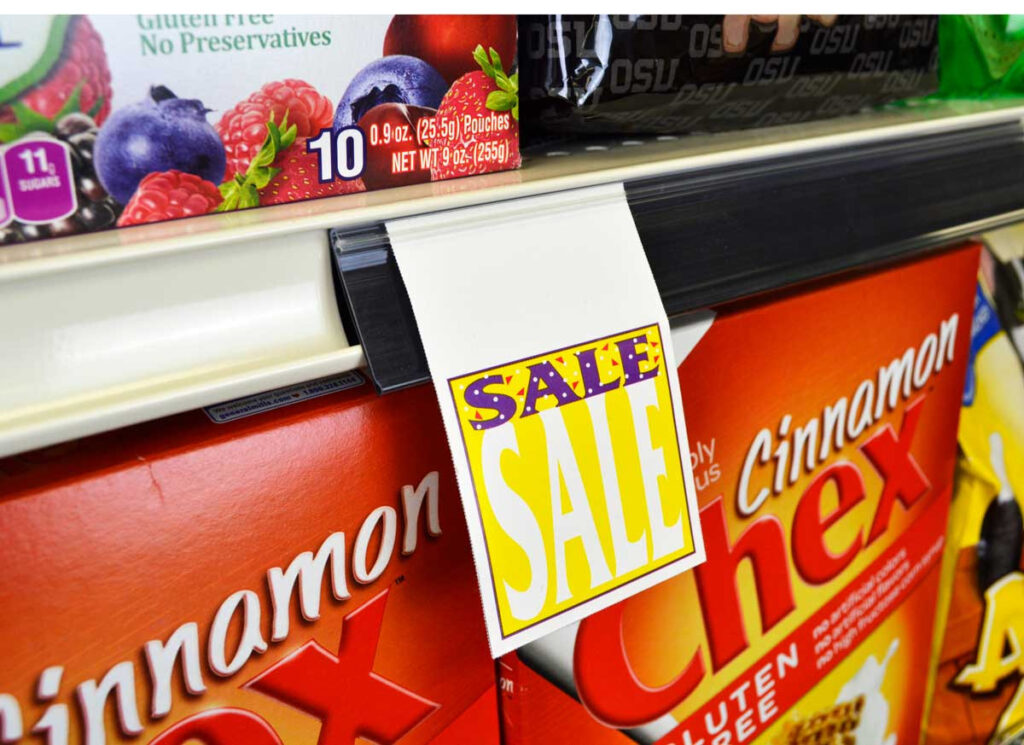
Did you know that most grocery buys are not planned? You can leverage this insight with cross merchandising strategies: how to increase basket size and drive impulse purchases. Smart displays can help sell more products and even double sales. These displays can also increase basket size by 20%. When you put matching products together, shopping becomes easier, encouraging customers to buy items they did not initially plan to purchase. Retail managers like you can utilize tools like Nova-day’s POP Pricing Systems. These tools help create engaging displays that can turn shoppers into buyers.
Key Takeaways
- Cross merchandising helps stores sell more by putting related products together. This makes it easier for shoppers to find things they want.
- Use hot zones in your store to show popular items. This helps people see them and buy things they did not plan to buy.
- Good signs, like shelf talkers and price strips, help people notice products. This can make more people buy them.
- Teach your staff how to suggest other products to customers. This helps shoppers find items that go well together and buy more.
- Look at sales data often to change your cross merchandising plans. This keeps your strategies working and useful.
What Is Cross Merchandising?
Definition and Key Concepts
When you walk into a store, you might see different things grouped together. This is called cross merchandising. It is also known as secondary product placement. Stores use this to put items from different sections next to each other. This makes it easier for shoppers to find things that go well together. For example, you might see chips next to salsa or batteries near electronic toys.
This way of setting up products is special. It puts matching items together to tell a story. Stores can use colors and patterns to make displays look nice. Signs can help show which items go together. These signs help you see what else you might want to buy. Sometimes, stores add things you can touch or try out. This makes shopping more fun.
To do cross merchandising well, stores need to know what customers like. They can use data and feedback to see which items work well together. When displays look good and make sense, shoppers want to look around more. This helps people try new things. Cross merchandising is not like old ways of selling. It cares more about how shoppers feel and helps them find new stuff.
Tip: Put cross merchandising displays in busy spots. More people will see them and buy more things.
Why It Drives Impulse Buys
Cross merchandising works because it matches how people shop. Many times, you buy things you did not plan to get. When you see related items together, you might grab something extra. Stores put these items in busy places, like at the checkout or on the ends of aisles.
- You might see mints, chocolate, or magazines at the checkout. This makes it easy to pick up something extra.
- Phone chargers next to electronics remind you of things you might need.
- Bright displays with nice colors catch your eye and make you want to buy.
Impulse items do not cost much and are easy to grab. By making these things easy to see, cross merchandising helps you find new products. This also makes your shopping trip worth more.
Pairing Complementary Products
You can use cross merchandising strategies: how to increase basket size and drive impulse purchases by putting items together that people use at the same time. For example, you can put chips next to salsa or batteries near toys. This helps shoppers remember things they might forget and makes shopping easier.
Many stores do this to get bigger baskets. Topo Designs puts camping gear on a wall so shoppers remember to buy everything they need. Target puts backpacks, lunch boxes, and stationery together for back-to-school shopping. Western Market puts all the Caprese salad ingredients in one spot so it is easy to grab what you need for a meal. These examples show how you can use cross merchandising strategies: how to increase basket size and drive impulse purchases in your store.
You can also use special prices or short-time deals on these paired items. This makes shoppers want to add more things to their basket. When you show what goes together, you help customers decide fast. This leads to more impulse buys and bigger baskets at checkout.
Tip: Try putting products with the same theme or color together. This makes displays look nice and catches people’s eyes.
Creating Hot Zones for Impulse Buys
Hot zones are busy spots in your store where lots of people walk by or stop. You can use these places to increase basket size and get more impulse buys. Put popular or high-profit items in these spots to get more attention. For example, put healthy snacks near the fruits and veggies or small gadgets near the checkout.
Stores like Sephora use their layout to guide shoppers to hot zones. They put small products and tools near the cash register. This makes people buy things at the last minute. You can do this too by using maps to find the busiest spots in your store. Then put cross merchandising displays in those areas.
- Put short-time deals in hot zones to make people hurry.
- Use discovery zones so shoppers can find new things.
- Let customers touch or smell items to make shopping fun.
When you use cross merchandising strategies: how to increase basket size and drive impulse purchases in hot zones, you help shoppers find new things and add more to their basket. This works well for grocery stores and other shops.
Using Signage and POP Pricing Systems by Nova-day
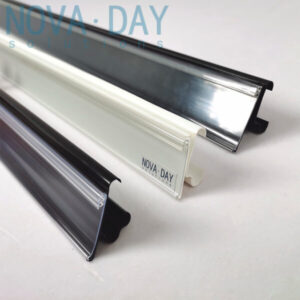
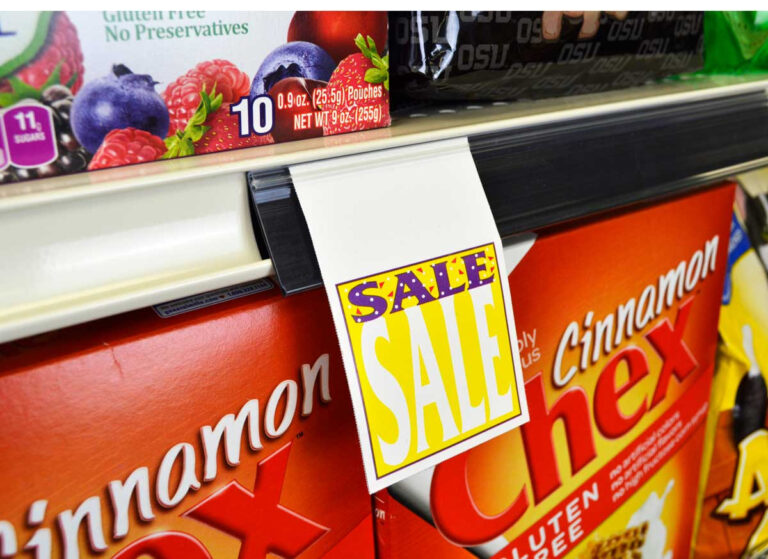
Signs are important in cross merchandising strategies: how to increase basket size and drive impulse purchases. You can use shelf talkers, shelf wobblers, and price strips to show deals and product info. These tools catch people’s eyes and help them choose fast.
Studies say good shelf talkers can raise sales by 20% or more. In one store, a shelf talker with a discount made Pinot Noir sales go up by 32%. Shelf wobblers can make impulse buys go up by 40% because they move and have bright colors. Most buying choices happen at the shelf, so clear signs are important.
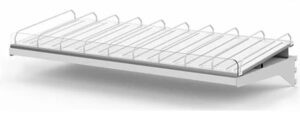
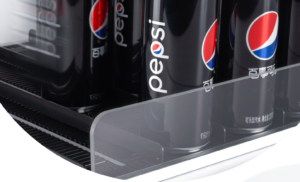
Nova-day’s POP Pricing Systems give you many ways to make signs in your store. You can use shelf edge price strips, reflex sign holders, and merchandising clip strips to organize and show off products. These tools help you make neat, nice-looking displays that help with cross-selling and cross merchandising. You can change these systems to fit your store and make your displays stand out.
Note: When you use Nova-day’s POP Pricing Systems, you make it easy for shoppers to see deals and find matching products. This helps people buy more and makes their basket bigger.
You can also use real-time data and customer info to make your displays better. By watching what sells best, you can change your cross merchandising strategies: how to increase basket size and drive impulse purchases. This helps you keep up with trends and make your store fun and new.
Optimizing Store Layout to Increase Basket Size
Product Placement and Traffic Flow
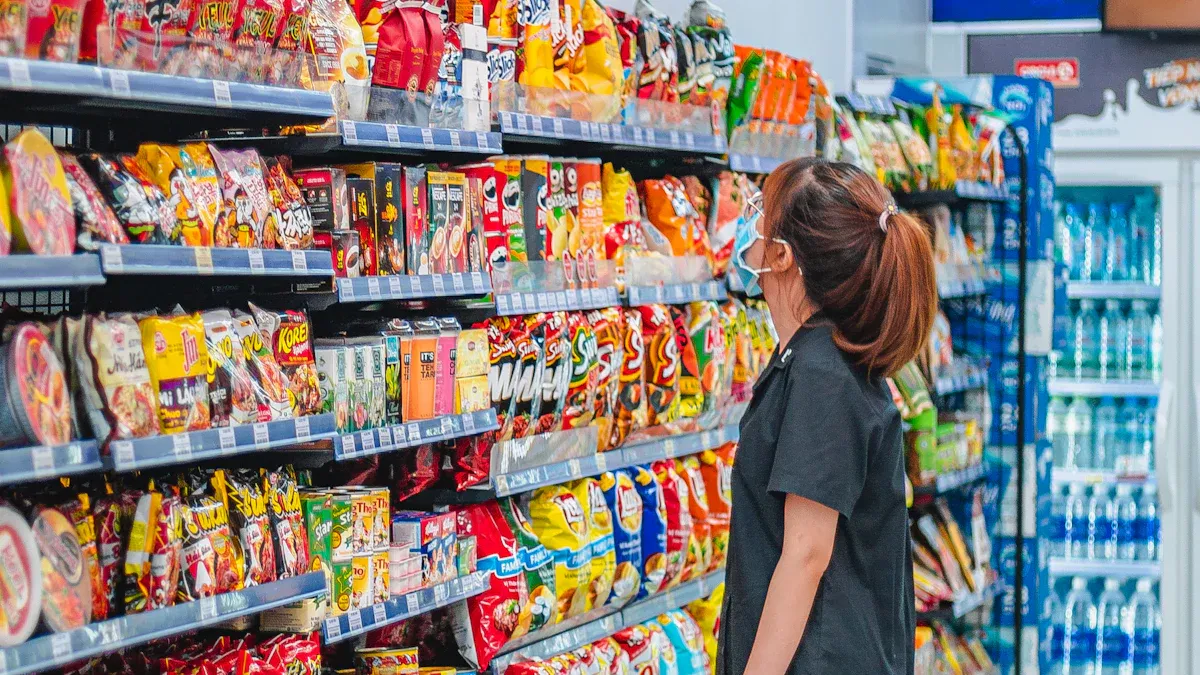
You can make baskets bigger by thinking about where things go. It matters how people walk around your store. If you put popular things like bakery goods in the back, shoppers walk farther. They see more items and might buy more. When you spread busy sections around, people shop longer. This can make them buy more things.
Here is a table that shows how different tactics can impact basket size:
| Tactic | Impact on Basket Size |
|---|---|
| Place Bakery at the back | Makes shoppers walk through the store and see more products. |
| Spread high-trafficked categories | Gets people to spend more time shopping, so they buy more. |
| Create discovery zones | Helps shoppers find new things and buy extra stuff. |
You can also put products near the checkout to get more impulse buys. Discovery zones let people find new things to add to their basket. If shoppers can see matching items, it is easier to cross-sell. This helps make baskets bigger.
Tip: Use bright displays and put things like chips with dips or pasta with sauce together. This makes cross-merchandising work better.
Leveraging Planograms
Planograms are tools that show where to put things on shelves. They help you put important items where people can see them. When you use planograms, you can put popular things at eye level. This makes it more likely shoppers will buy them.
- Planograms help you put similar things together for cross-selling.
- You can use shopping habits to put matching items side by side.
- A good planogram makes a path for shoppers and helps them buy more.
Think about how wide your aisles are and how people move. Wide aisles help shoppers see more and move easily. If you look at sales numbers, you can see what people like. Then you can change your planograms to fit what shoppers want. This keeps your cross-merchandising and cross-selling ideas new and helpful.
Note: The right store setup and planogram can turn a small basket into a big one. This makes every shopping trip better for your store.
Staff Training for Cross Merchandising Success
Suggestive Selling Techniques
You can boost your store’s results by teaching your team strong suggestive selling skills. When your staff knows how to talk with shoppers, you see more add-on sales and a bigger basket at checkout. Here are some top techniques you can use:
- Get to know your customers. Ask questions and listen to what shoppers want. This helps you suggest the right products.
- Make sure the products go hand-in-hand. Recommend items that match, like a phone case with a new phone. This makes cross-merchandising easy and natural.
- Offer sales, bundles, or bulk discounts. Shoppers love a good deal. These offers encourage people to add more to their basket.
- Share customer reviews and comments. Positive feedback builds trust. When you mention what others like, shoppers feel confident to try new things.
- Show expert product knowledge. When your team knows the details, shoppers trust their advice. This leads to more cross-selling and even upselling.
Tip: Practice these techniques with your team each week. Role-play common shopper questions to build confidence.
Empowering Staff with Product Knowledge
You can increase sales when your staff understands your products well. Product knowledge helps your team answer questions and suggest the best items. When your staff knows which products work together, they can use cross-merchandising to help shoppers fill their basket.
Give your team easy ways to learn. Use short training sessions or quick guides. Show them how to spot cross-selling chances. For example, if a shopper buys pasta, your staff can suggest sauce or cheese. This makes shopping easier for customers and helps your store grow.
Note: Confident staff members make better suggestions. They help shoppers find what they need and discover new favorites.
When you focus on training, you build a team that supports your goals. You see more happy customers and a bigger basket every day.
Overcoming Challenges in Cross Merchandising
Managing Inventory and Avoiding Confusion
Setting up cross-merchandising displays can be tricky. If you do not use shelf space well, you might lose sales. Think about how shoppers move and what they want. Changing where things are too much can confuse people. Keep displays neat and easy to follow.
Here is a table that lists common problems and what they mean:
| Challenge | Description |
|---|---|
| Poor shelf space utilization | Wastes space and makes it hard to see products. |
| Neglecting shopper behavior | Misses chances to show off popular or high-profit items. |
| Inconsistent product placement | Makes shoppers confused and hurts your store’s brand. |
| Lack of seasonal adaptation | Misses out on sales during busy times. |
| Overlooking data-driven decisions | Leads to bad results if you guess instead of using facts. |
| Ineffective cross-merchandising | Misses upselling if you do not group matching products. |
Use inventory planning tools to see what sells fast. Update your stock often so you do not run out or have too much. Use data to match your orders with your displays. Always put products together in a way that makes sense. For example, group items that solve a problem or give shoppers new ideas. This helps people fill their basket without getting mixed up.
Tip: Make displays simple and clear. Shoppers will feel sure about what to buy and may get more.
Measuring Results and Adjusting Strategies
You need to check if your cross-merchandising works. Use clear numbers to see what helps your basket grow. Here are some ways to track your results:
| Metric Category | Metrics |
|---|---|
| Revenue-Based Metrics | Cross-Sell Revenue, Average Revenue Per Account, Customer Lifetime Value, Product Penetration Rate |
| Sales Performance Metrics | Cross-Sell Conversion Rate, Opportunity Size, Time to Cross-Sell, Sales Cycle Length |
| Customer Success Metrics | Product Usage Rate, Customer Satisfaction Score, Net Promoter Score, Churn Rate |
| Operational Metrics | Qualified Opportunities, Sales Team Engagement, Product Mix Ratio, Implementation Success Rate |
Look at conversion rates to see how many people buy after seeing your displays. Track the average order value to know if people add more to their basket. Watch customer lifetime value to see if shoppers come back again. Check click-through rates if you use digital signs. Always compare your costs and sales to see if you are making money.
If your results are not strong, change your displays or try new product pairs. Use your data to help you decide what to change. This keeps your cross-merchandising plan working and helps your basket size grow.
Note: Check your results often and make smart changes. This helps you reach your sales goals and stay ahead.
Nova-day Solutions for Effective Cross Merchandising
POP Pricing Systems for Retail Success
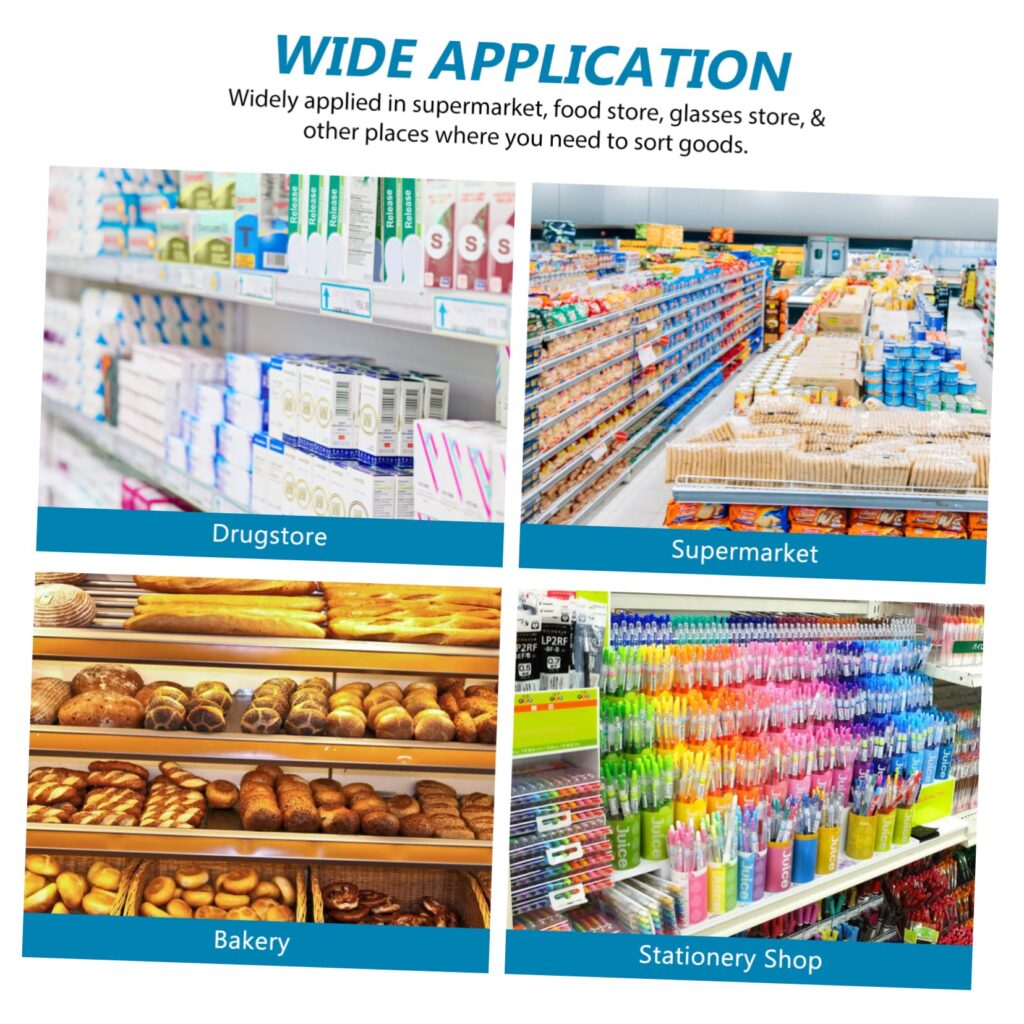
You want your store to work well and help shoppers find things fast. Nova-day’s POP Pricing Systems give you tools to do this. These systems keep prices clear and displays tidy. You can use label racks and Reflex Sign Holders to organize shelves. This helps customers see sizes, prices, and details easily.
Nova-day’s pricing solutions also help your staff. Color-coded labels show sizes or sales, so there are fewer mistakes when stocking. Barcode labels and onsite printing let you track items and check prices fast. This saves time and helps you avoid errors.
Here is how Nova-day’s POP Pricing Systems help your store:
| Feature | Benefit |
|---|---|
| Pricing Accuracy | You see fewer mistakes—up to 58% less human error in pricing. |
| Labor Cost Reduction | You save money because price updates happen automatically. |
| Customer Engagement | QR codes on labels let shoppers get real-time info and interact easily. |
Tip: Put QR codes on price tags. Shoppers can scan them to see product details or deals right away.
Customizable Display Solutions
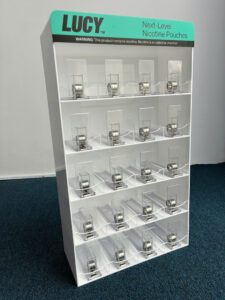
You can make your store special with Nova-day’s display options. These displays help you show products and get shoppers to buy more. You can pick different solutions to fit your store.
- Gondola shelving helps you organize products and makes them easy to see.
- Floor displays can change height, so you can use them for any sale.
- Endcap displays have parts you can move, so you can update them for new seasons or brands.
Nova-day’s displays are quick to set up and last a long time. You do not need to replace them often. The materials are safe and strong. You can use these displays on many shelf types, which gives you more choices than other brands.
| Feature | Nova-day’s Solutions | Competitors’ Solutions |
|---|---|---|
| Installation Speed | Quick and easy | Often more complex |
| Material Durability | Durable, food-safe | May need frequent replacement |
| Compatibility | Fits many shelf types | Limited compatibility |
| Real-time Price Updates | Yes | Often manual |
| ROI Potential | High | Often lower |
Note: When you use Nova-day’s display solutions, you help shoppers find what they want and you sell more at the same time.
You can raise your sales by using cross merchandising strategies. When you put products together, shoppers buy more. Hot zones are busy spots that help people see items. Clear signs make it easy for shoppers to find things. Impulse buys are a big part of supermarket sales. Sometimes, 62% of sales come from impulse purchases. During holidays, many people buy things they did not plan to get. One out of three shoppers makes an impulse buy at this time. Nova-day’s POP Pricing Systems help you make displays that work well. Try using one new idea in your store today. If you have questions or want to tell us what happened, write in the comments!
| Impact Area | Key Fact |
|---|---|
| Impulse Purchases | Up to 62% of supermarket sales |
| Holiday Season | 1 in 3 shoppers buy more on impulse |
FAQ
What is cross merchandising?
Cross merchandising means you place related products together. You help shoppers find items that go well with each other. This makes shopping easier and can increase sales.
How does cross merchandising increase basket size?
You encourage shoppers to buy more when you group matching products. People see items they might need together. This often leads to bigger baskets at checkout.
Why do impulse purchases matter in retail?
Impulse purchases can make up a large part of your sales. Shoppers often buy things they did not plan to get. You can boost your profits by making these items easy to spot.
How can Nova-day’s POP Pricing Systems help my store?
Nova-day’s POP Pricing Systems give you clear signs and price labels. You organize your shelves and highlight deals. This helps shoppers find products quickly and increases your sales.