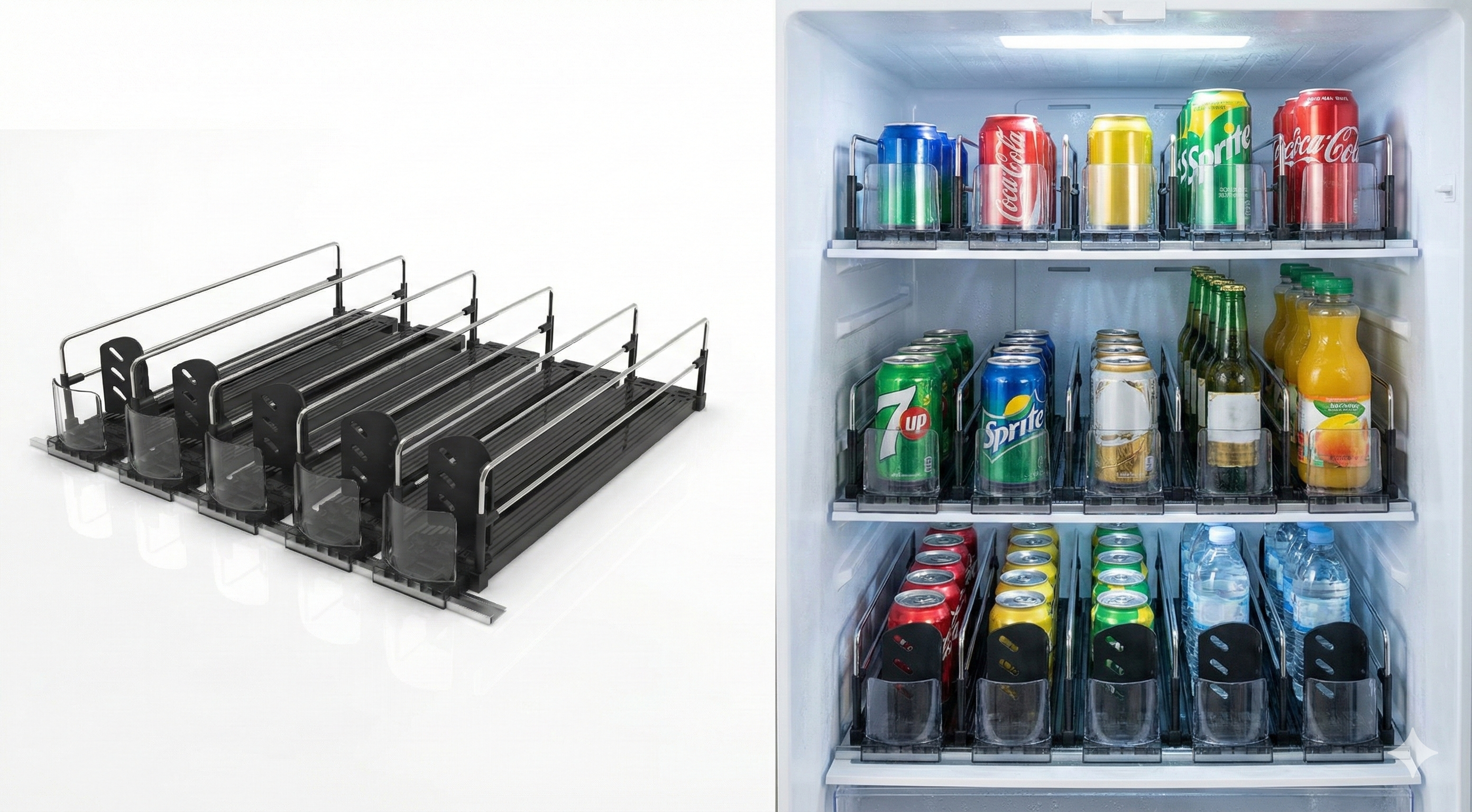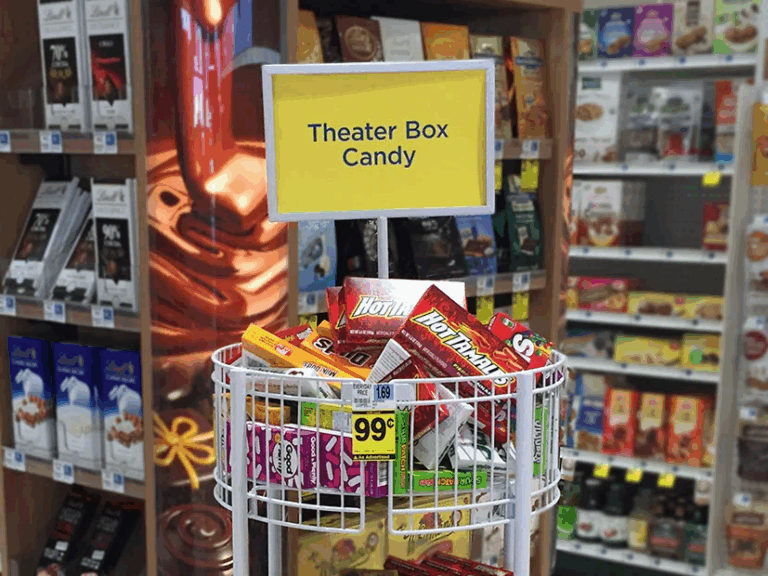
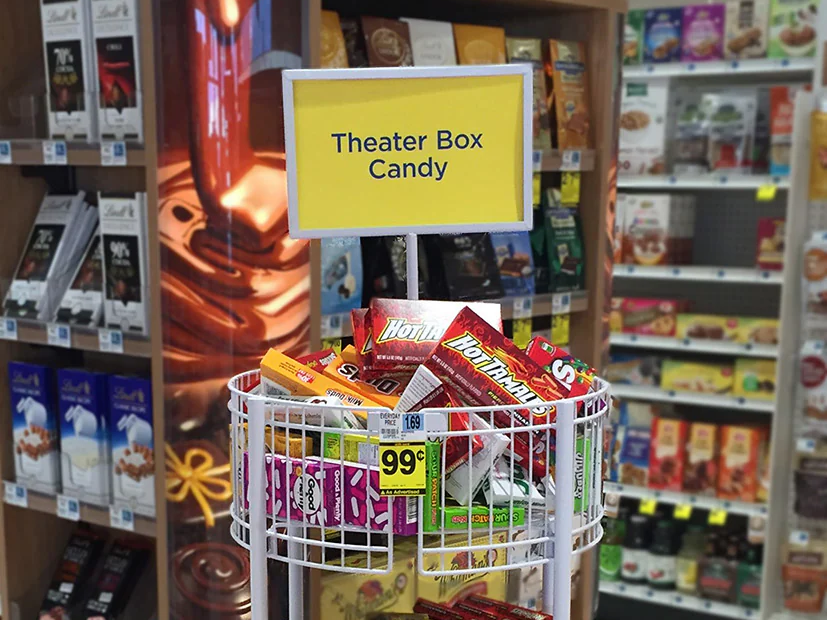
Effective shelftalkers help shoppers make purchasing decisions by grabbing attention and guiding their choices. Clear design and innovative ideas are essential for achieving strong results. Nova-day is a leader in this field, utilizing smart systems such as electronic shelf labels and gravity-fed tracks. These tools ensure consistent pricing and organized product displays, making shopping easier for everyone. By integrating advanced solutions, Nova-day helps each shelftalker perform at its best.
Key Takeaways
- Shelf talkers can help sales go up by 20% or more. Good design makes them work better. Use shelf talkers to show deals and new items.
- Shelf talkers should be easy to read and not confusing. Use bright colors and big letters to catch people’s eyes. This helps everyone read them easily.
- Put shelf talkers where people can see them easily. Eye level is the best spot for shoppers to notice them. This helps people decide what to buy faster.
- Change shelf talkers often so displays look new. New shelf talkers make people pay attention. This can make shoppers buy things without planning.
- Add things like QR codes to shelf talkers for more details. This gives shoppers extra information and makes shopping more fun. It helps customers feel interested.
The Impact of Shelf Talkers in Retail
Influencing Shopper Decisions
When you go into a store, you see shelf talkers. These small signs do more than show prices. They help you pick what to buy and make you feel sure about your choices. Shelf talkers work like quiet salespeople. They point out deals, new items, and important facts about products. You notice them because they are easy to see and grab your attention.
Tip: Shelf talkers can help you feel less stressed. When displays are clear and neat, you do not get confused by too many choices.
Experts say shelf talkers can raise sales by 20% or more if used well. For example, a wine shop in California sold 32% more Pinot Noir after using a shelf talker with a discount. Studies show that up to 76% of buying choices happen right at the shelf. This means shelf talkers really matter for what people buy.
Here are some ways shelf talkers affect your mind:
- Good looks show the store is professional and honest.
- Neat displays help you choose fast and feel sure.
- A tidy store makes you feel in control.
Shelf talkers also teach you about products. In one store, shelf talkers told shoppers about eco-friendly packaging. This started good talks between workers and shoppers.
Enhancing Product Visibility
Shelf talkers help you see products better. You spot items faster when shelf talkers point them out. They guide you to certain products and help you find groups of items. Stores use shelf talkers to talk to you and share messages.
A study found that impulse buys went up by 34% when stores used moving shelf talkers instead of still signs. Shelf talkers help you find deals and new things fast. They make shopping more fun and interesting.
Here is a table showing how shelf talkers help you see products better than other displays:
| Evidence Type | Description |
|---|---|
| In-store shopping preference | 61% of shoppers like to shop in stores for the experience, which shows how important it is to see products. |
| Impulse purchases | 62% of grocery buys in stores are not planned, so shelf talkers help people buy things they did not plan to get. |
You see shelf talkers in many store plans. They help brands sell more and get noticed. Shelf talkers make products stand out and catch your eye, which leads to more sales.
What Are Shelf Talkers?
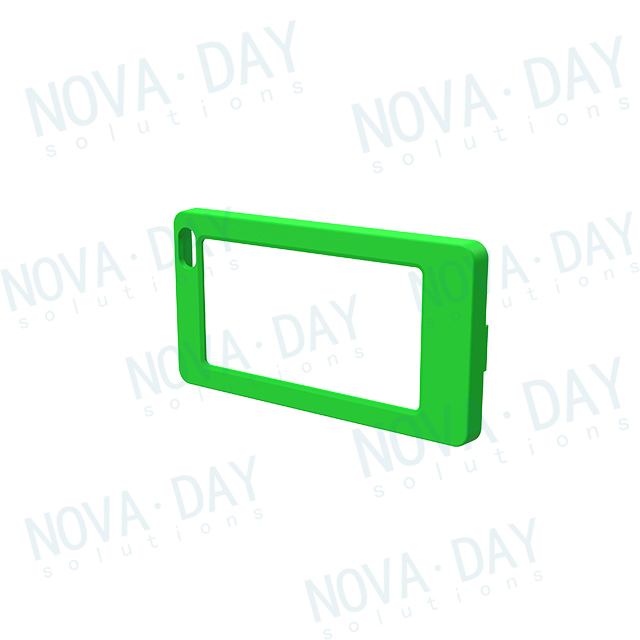
Shelf talkers are small signs or tags you see on store shelves. You notice them because they stand out and catch your eye. In retail, shelf talkers act as visual aids that highlight products and make shopping easier. You might see them in grocery stores, pharmacies, or even libraries, where they help you find books or special items.
Types and Functions in Retail
You find many types of shelf talkers in retail environments. Some show prices, while others share product details or announce special offers. Each type serves a unique purpose. Here are some common functions:
- Shelf talkers grab your attention with bold colors and clear messages.
- They encourage you to buy products by promoting limited-time deals or seasonal specials.
- You learn about product benefits, ingredients, or how to use items without asking staff.
- Shelf talkers help brands stay consistent by using the same design and colors across displays.
You see shelf talkers on shelf edges, hanging from hooks, or attached to racks. Some use bright graphics, while others keep things simple with just text. In busy aisles, shelf talkers help you spot products quickly.
Why Shelf Talkers Matter
Shelf talkers play a big role in your shopping experience. They help products stand out in crowded stores and guide your choices. When you see a shelf talker, you feel more confident about what you buy. Studies show shelf talkers can boost sales by 5-6%. Products with shelf talkers often sell up to 22% faster. In fact, 76% of buying decisions happen right at the shelf.
Tip: Shelf talkers make it easier for you to compare products and find the best deals.
Retailers use shelf talkers to improve customer engagement and drive impulse purchases. You notice products you might have missed, and you make decisions faster. Shelf talkers help you feel informed and satisfied with your choices.
Design Principles for Effective Shelf Talkers
Making shelf talkers that help people buy things needs smart planning. You need to use good marketing ideas and clear designs. Shelf talkers should stand out and show a simple message. They must help shoppers know what to do next. Let’s look at the main rules for making shelf talkers that help stores sell more.
Visibility and Readability
Shelf talkers must be easy to see from far away. They should also be easy to read when you get close. Big, bold letters help people see the message from three feet away. Using colors that stand out, like black on yellow, makes signs easy to notice. Keep your message short. Three to seven words is best. Shoppers move fast, so they need to read your sign quickly.
Tip: Put shelf talkers at eye level or just below. This helps more people see your message.
Nova-day’s POP Pricing Systems use these ideas. They have price strips and sign holders you can change. Their signs use clear letters and bright colors. This makes it easy for shoppers to find and read product details.
Here is a table with the best ways to make shelf talkers easy to see and read:
| Principle | Description |
|---|---|
| Large, legible fonts | Easy to read from three to five feet away |
| High-contrast colors | Stand out against shelf backgrounds |
| Concise messaging | Three to seven words for instant understanding |
| Eye-level placement | Increases engagement and shopper attention |
Messaging and Call to Action
Shelf talkers should have one main idea. Shoppers like simple messages such as “Save 25%,” “New Arrival,” or “Best Seller.” Do not add too much information. Focus on the most important offer. Use words that tell shoppers what to do. Say things like “Try Today” or “Limited Time Offer” to make people act fast.
- Make your message short and clear.
- Use strong words to get people to buy.
- Show the best things about your product.
Nova-day’s POP Pricing Systems let you change messages quickly. This helps you keep your signs up to date. You can match your signs to new sales or shopper needs.
Color and Font Choices
Colors and fonts matter a lot for shelf talkers. Bright colors like red or yellow get attention in busy aisles. Neutral colors look clean and fancy. Strong color differences make words easy to read. Warm colors make people feel happy and excited. Cool colors help shoppers feel calm.
| Color Type | Description |
|---|---|
| Bright Colors | Draw attention in high-traffic areas |
| Neutral Colors | Offer a sophisticated, clean appearance |
| Bold Contrasts | Improve readability from a distance |
| Warm Tones | Create excitement and encourage interaction |
| Cool Tones | Promote a relaxed shopping experience |
| Seasonal Colors | Keep displays timely and relevant |
Pick fonts that are simple and easy to read. Do not use fancy or curly letters. These can confuse shoppers. Use the same colors and fonts for all your shelf talkers. This helps people remember your brand.
Placement Strategies
Put shelf talkers where shoppers look most often. Eye level or just below is best. Do not put too many signs on one shelf. Too many signs can make shoppers feel lost. Make sure prices are easy to see. This helps people buy without trouble.
- Put shelf talkers where lots of people walk by.
- Use shopper data to find the best spots.
- Change shelf talkers often to keep things fresh.
Nova-day’s POP Pricing Systems make moving shelf talkers easy. You can change their place to fit new store layouts or sales.
Note: Putting shelf talkers in the right spot helps more people see them and buy more.
If you follow these rules, your shelf talkers will grab attention. They will help shoppers feel sure about what to buy. Good shelf talkers use clear words, strong pictures, and smart placement. This helps stores sell more and reach their goals.
Adapting Shelf Talkers for Retail Environments
Customizing for Product Categories
Shelf talkers work best when matched to each product group. Stores have different needs for fashion, electronics, and food. For fashion, pick colors that fit the season or match accessories. Electronics stores use shelf talkers to sort items by brand or use. This helps shoppers compare choices. Small shops use creative shelves to save space and keep things neat.
| Strategy | Description |
|---|---|
| Keep It Short and Punchy | Give a clear message fast. |
| Use Colors That Command Attention | Pick colors that stand out. |
| Make Pricing and Promotions Impossible to Miss | Show savings clearly to get attention. |
Put shelf talkers in front of products or at eye level. You can also place them near items that go together. This helps people notice them and buy more things.
Solutions for Fashion and Apparel (Nova-day Reflex Sign Holders)
In fashion stores, Nova-day Reflex Sign Holders help a lot. These holders keep shelf talkers steady and easy to see. Displays look clean and fit any style. The strong polycarbonate material lasts long and looks neat. You can change signs fast with the top slot and thumb notch. The rubber joint fits most racks, so you can use them anywhere. Many sizes let you use them on different shelves.
- Shelf talkers stay steady and show prices well
- They catch shoppers’ eyes and make items easy to see
- Strong material keeps displays looking new
- You can swap signs quickly for new sales
Seasonal and Promotional Uses
Shelf talkers help you sell more during special times and sales. You can show discounts next to products to get shoppers interested. You can share details about new items. You can use custom signs to help slow-selling products get noticed. Fast messages let shoppers see prices and deals right away. Special messages show off your brand and what makes it special. You can also help shoppers buy more by putting shelf talkers near matching products.
Tip: Change shelf talkers often for new seasons or sales. This keeps your store looking fresh and fun.
Shelf Talker Implementation and Optimization
Frequency and Rotation
You keep shelf talkers interesting by changing them often. Switch out brands at eye level every few weeks. This keeps shoppers interested and helps them notice new things. When you update shelf talkers, you can show off new products or special sales. Each time you do this, you help the store sell more. Most people decide what to buy right at the shelf. Changing shelf talkers a lot can really help sales.
- Change shelf talkers every few weeks
- Update them for new sales or products
- Put shelf talkers at eye level so people see them
Tip: Changing shelf talkers often helps people see products and makes shopping more fun.
Integrating Technology
You can use technology to make shelf talkers better. QR codes let shoppers scan and learn more about products. They can watch videos or get special deals. Digital shelf talkers let you change signs from one computer. You can also give special offers to loyalty members. These tools make shopping in the store feel more like shopping online.
- Add QR codes so shoppers get more info fast
- Use digital shelf talkers to change signs easily
- Give loyalty members special deals
| Technology Feature | Benefit |
|---|---|
| QR Codes | More info, videos, special deals |
| Digital Shelf Talkers | Easy updates, special offers |
Measuring Effectiveness
You check if shelf talkers work by looking at numbers. Count how many people walk by and where they stop. See if more people buy things after you use shelf talkers. Look at how much it costs to make and use them. Make sure you are making more money than you spend. Use what you learn to make shelf talkers even better next time.
- Watch how many people walk by and buy things
- Check if sales go up during promotions
- Compare costs and sales to see if it works
Note: Checking how well shelf talkers work helps you make better choices and sell more.
You can help your store do better by using smart shelf talker ideas.
- Team up with suppliers to make messages that show off your brand.
- Make each sign fit the people who shop at your store.
- Create shelf talkers for each product so they stand out.
- New things, like QR codes and special holders, make shopping fun and help people choose what to buy.
- Nova-day tools let you see how well your signs work and help your store stay up-to-date.
Keep trying new things and making your signs better for good results.
FAQ
What is a shelf talker?
A shelf talker is a small sign or label that you see on store shelves. It highlights products, shares prices, or promotes special offers. You use shelf talkers to help shoppers make quick decisions.
How often should you update shelf talkers?
You should update shelf talkers every few weeks. Frequent changes keep your displays fresh and relevant. Shoppers notice new promotions and products more easily when you rotate shelf talkers regularly.
Can you customize shelf talkers for different products?
Yes, you can customize shelf talkers for any product category. You choose colors, sizes, and messages that fit your brand and target audience. Custom shelf talkers help you attract attention and boost sales.
Why do colors and fonts matter for shelf talkers?
Colors and fonts help you grab attention and improve readability. Bright colors stand out in busy aisles. Simple fonts make messages easy to read. You create a strong first impression with the right design choices.
How do you measure shelf talker effectiveness?
You track sales before and after using shelf talkers. You count how many shoppers stop and buy products near the signs. You compare costs with increased sales to see if your shelf talkers work well.