Skip to content


Have you had trouble making prices stand out yet look nice? Acrylic price holders offer a clean, professional answer. This guide covers why acrylic works, choosing the right type, design tips, and where to put signs to boost sales.
Clear acrylic lets all light through. Products on risers look brighter and more delicate. That’s why cosmetic, jewelry, and eyewear stores use this material to make products shine. Lighting helps increase sales.
Using different riser heights makes a layered look. This catches customers’ eyes and makes displays more interesting. You can improve your store’s look with the right plan.
Key Takeaways
- Acrylic holders let 92% of light pass through, so products stand out clearly. They also resist damage, which makes them a wise choice for the long run.
- Pick holders that fit your store layout: countertop ones work well at checkout, shelf-edge ones are great for tight aisles, and wall-mounted or A-frame types help save space.
- Design clear signs with bold fonts, strong contrast, and the right letter size so prices are easy to read from far away.
- Place signs at eye level and use different riser heights to create depth, which can boost customer interest by up to 35%.
- Clean acrylic with mild soap and a soft cloth, skip harsh chemicals, and store it well to stop scratches and yellowing.
Why Choose Acrylic Price Holders?
Unmatched Clarity and Durability
Acrylic stands out from other display materials for one simple reason: it lets light pass through very well. Standard glass blocks more light, but acrylic allows up to 92% light transmission. This clear quality means your pricing signs stay sharp and easy to read even under bright store lights. The material also spreads light evenly, cutting down glare that can hide your message.
Acrylic’s light transmission of up to 92% makes it a popular alternative to glass. Its high transparency and light diffusion properties ensure that displayed information—such as prices—remains clearly visible without distortion or glare.
Durability matters just as much as clarity. High-quality custom acrylic resists moisture, temperature changes, and daily light exposure without warping or yellowing. Wood needs regular moisture-proofing treatments. Metal needs anti-rust care. Glass shatters. Acrylic simply wipes clean with a soft damp cloth. This low-maintenance nature saves real money over time. You pay more upfront, but you avoid constant replacement costs.
| Material | Durability | Cost-Effectiveness |
|---|---|---|
| Metal | Strong, long service life | High cost, but worth it for durability |
| Wood | Sturdy, but prone to moisture/pests | Expensive due to natural texture |
| Acrylic | Moderately durable, scratches easily | Higher cost, premium look |
| Glass | Fragile | Moderate cost, elegant but delicate |
The table shows why many retailers choose acrylic display stands despite the higher initial price. The long-term value outweighs the upfront expense.
Versatility Tips for Different Retail Settings
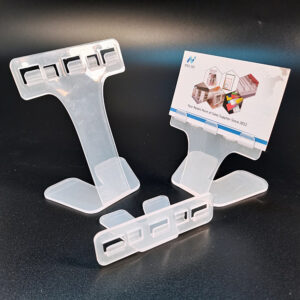
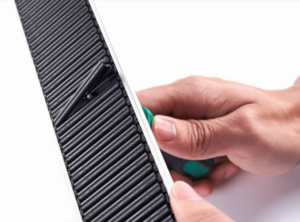
Acrylic price holders fit nearly any retail space. Nova-day‘s POP Pricing Systems include shelf edge strips, reflex sign holders, and POP clips. Each product serves a different purpose. Shelf edge strips work well for grocery aisles with many products. Reflex sign holders attach to standard retail rails. POP clips handle heavier signage needs.
Clear displays also shape how customers see your brand. Professional presentation boosts your store image. Well-organized pricing signs show attention to detail. Customers notice this care and remember it. They link your brand with quality and reliability.
The sleek, modern look of acrylic display stands adds perceived value to your products. Consistent branding across all signage strengthens your identity. Customers trust what they can see clearly. This trust leads to smoother shopping experiences and stronger brand loyalty.
You can also use acrylic display stands creatively. Mini holders hang on grid walls. Larger units stand on floors. Magnetic options attach to steel surfaces. This flexibility means you can keep consistent quality pricing signs throughout your store, from entrance to checkout.
Selecting Acrylic Price Holders for Your Store

Countertop and Shelf-Edge Options
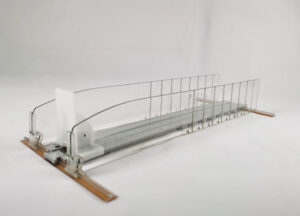
Countertop signs are good for checkout counters, service desks, and small product displays. You put them on flat surfaces where customers often look while waiting. Nova-day’s POP Pricing Systems include shelf edge strips that attach to the front of store shelves. These strips hold pricing signs for many products in one row. You can change prices fast without taking the whole holder off.
Shelf-edge options work well in grocery stores, pharmacies, and convenience stores with many products close together. You slide the acrylic holder into standard shelf rails or use sticky backing for smooth surfaces. The clear material lets product packaging show through while showing price info. Pick holders with a slight angle so customers can read them without bending or straining.
Material thickness matters more than you might think. Thicker acrylic does not bend or warp under daily use. Thinner material works for short-term sales but may flex over time. You should also think about custom sizes for unusual shelf sizes. Measure your shelf depth and product height before you order. A good fit stops signs from looking odd or blocking product access.
Wall-Mounted and A-Frame Varieties
Wall-mounted acrylic holders save valuable counter and shelf space. You mount them on grid walls, pegboards, or smooth wall surfaces. Mini acrylic sign holders can hang from grid walls or attach with clothespins for a casual look. These options work well for boutiques, galleries, and stores with little floor space.
A-frame holders stand on the floor and show larger pricing signs. You see them often at store entrances, aisle ends, and promotion areas. These holders catch attention from a distance and guide customers to featured products. Nova-day’s reflex sign holders attach to most retail rails and adapt to many designs. You can switch between wall-mounted and standing setups as your display needs change.
When picking any acrylic display stands, tell your maker what you need clearly. Cutting, bending, polishing, and printing all affect the final product. Tell your supplier about your use and setting. Indoor displays need different care than outdoor signs. Lighting changes how colors look through the acrylic. Share your drawings, quantity, and tolerance needs ahead of time. This planning makes sure your acrylic display stands arrive ready to use right away.
Design Tips for Pricing Signs That Sell

Font, Size, and Contrast Essentials
Your pricing signs need to share info fast. Customers decide in seconds if they want to check a product. Good font and color choices help them decide quickly.
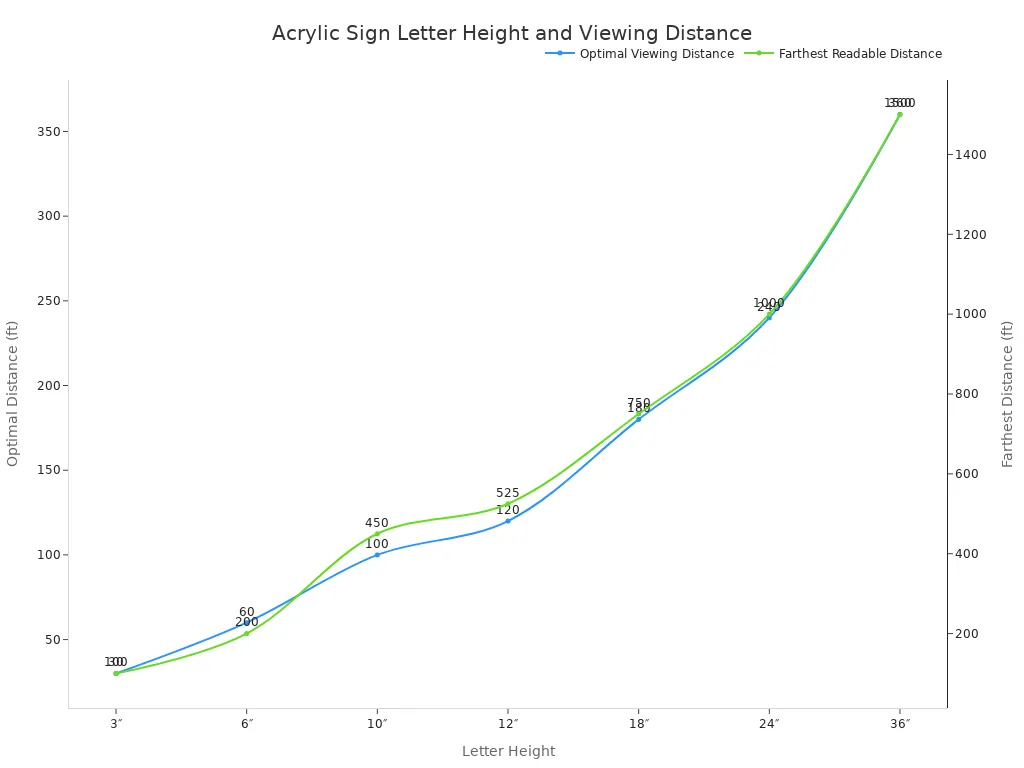
Start with the letter size. How far away someone stands decides the size you need. A simple rule helps: for every 10 feet away, letters should be at least 1 inch tall. If a shopper is 30 feet away, use 3-inch letters. If they are 100 feet away across a big room, use 10-inch letters. The chart below shows how letter height and reading distance work together.
Font choice is also important. Bold fonts without serifs, like Arial Black, Helvetica, or Futura, are easiest to read from far away. Thin or fancy fonts blur when you see them through acrylic at an angle. Good letter spacing also helps reading. Squished text makes customers squint. Wide spacing gives each letter room.
Contrast is the last key to good reading. High-contrast pairs work best. Black on white, yellow on black, and white on blue are some of the easiest combos to read. Follow WCAG rules for accessibility. Normal text needs a contrast ratio of at least 4.5:1. Big text needs at least 3:1. These rules apply to acrylic signs just like they do to screens.
The distance changes how you use contrast. For under 10 feet, soft contrast works fine. Navy text on white reads well up close. For 10 to 50 feet, stronger contrast works better. Red on white grabs attention without hurting the eyes. Beyond 50 feet, use the strongest contrast. Black on yellow is the easiest to see from far away.
These tips turn a simple price tag into a good pricing sign. When you use the right letter size, clean fonts, and strong contrast, your signs become easy to read from anywhere in the store.
Customization to Boost Branding
Your pricing signs should show your brand. Custom printing and matching colors make this happen. Nova-day gives you Pantone color matching so your brand colors look the same on every display piece.
A real project from a big perfume brand shows why this matters. The brand needed Pantone 186C to match on three different parts: a counter display using resin, a tester tray using acrylic, and a side panel using MDF. Each material takes and shows color differently. The maker made separate samples for each material. They changed the finish for each piece. Semi-gloss worked for resin. Matte reverse-painting was best for acrylic. Gloss lacquer finished the MDF panel. The final match passed the brand’s office check and in-store lighting tests. This care builds brand memory and customer trust.
Color psychology also changes how customers act. Green means savings and value. Use green tags for regular deals to encourage shoppers looking for value. Red means hurry. Use red on clearance items to make quick decisions. Yellow catches attention. Put yellow sale stickers where you want the most interest.
Grouping products by color makes these effects stronger. Put all blue items together. Group all red products in one area. This creates a neat, pretty display. Customers stop to look when they see organized colors. They touch more products when the setup feels planned.
Good pricing signs with custom colors make your whole store look better. The clear acrylic holders and brand colors together create a professional feel. Customers see this steadiness. They connect your store with care and detail. That feeling leads to loyalty and repeat visits.
Remember these tips when you plan your next display change. Small tweaks in font, contrast, and color make real improvements in customer interest.
Placement Tips for Maximum Impact
Eye-Level Positioning and Traffic Flow
Where you put your pricing signs matters just as much as what they say. Shoppers move through stores using visual clues, not set paths. You can guide their trip with smart sign placement.
Start by watching how shoppers move through your space. Notice where they stop, which aisles they skip, and where they turn back. This watching shows you your store’s natural traffic patterns. Then you can place your acrylic display stands to grab attention at the right times.
Busy areas deserve your best spots. Endcaps and pedestal displays at aisle ends show seasonal items or promotions well. These prime spots work great for products that need extra notice. Put clear acrylic signage holders at shelf ends or checkout areas to highlight special offers. This plan catches customers at the moment they are most ready to buy.
Think about the path you want shoppers to take. Place fast-moving items toward the back to get them to walk past higher-margin products. Use clear signs to group items, tell a story, or suggest related products. This method guides the customer journey in a natural way.
“From a strictly visual perspective, it’s key to have clear readable signage from the outside that leads customers in the store. From there, plan the customer journey from [a] high level,” says Walzer. She suggests using signage that supports overall shopping. When the customer reaches specific merchandise, or the “buy level,” use signage that strengthens the buy message.
Eye-level placement drives impulse buys. Put your pricing signs at eye level or a bit higher to catch attention from people passing by. This height works best for countertop signs near checkout areas. Customers see the price without bending or looking around. Your acrylic display stands should sit close to the products they show. This closeness removes confusion and speeds up buying choices.
Creating Visual Depth with Layering
Changing the height of acrylic risers creates a layered look that improves visibility and makes displays more interesting. This method turns flat shelves into lively presentations.
Place your acrylic riser stands at eye level or slightly above. Use several levels to create a dynamic, tiered display that pulls customers in. Put the most important items on the highest stand, since shoppers scan left-to-right and top-to-bottom. Keep the area around it neat and free of clutter to boost how valuable products seem.
Changing acrylic riser heights creates an eye-catching tiered effect that draws attention to each item. Putting smaller items on lower risers while larger products sit on higher ones creates a sense of depth and dimension that invites customers to look at the display more closely.
The numbers back this approach. Elevated displays boost customer engagement by up to 35%. Good product display increases sales by 30%. Color use adds another 20% lift. And 73% of shoppers say they are more likely to buy when products look neat and organized.
| Metric | Statistic |
|---|---|
| Customer engagement increase from elevated displays | Up to 35% |
| Sales increase from effective product display | 30% |
| Sales increase from effective color use | Up to 20% |
| Shoppers more likely to purchase with neat displays | 73% |
Nova-day’s reflex sign holders offer flexible placement for these layered setups. You can attach them to most retail rails and adjust angles as needed. This flexibility lets you try different heights and arrangements until you find what works best.
Your pricing signs should work together as one system. Combine shelf-edge strips for everyday prices with larger signs for promotions. Use countertop signs near registers for impulse items. Each display part supports the others, creating a smooth shopping experience.
Remember that better visibility leads straight to sales. When customers can see prices clearly, they spend less time searching and more time choosing. This efficiency improves their experience and raises your revenue. Smart placement of your acrylic display stands turns passive browsing into active buying.
Caring for Your Acrylic Price Holders
Cleaning Tips for Longevity
Your acrylic price holders stay clear and look nice if you take care of them the right way. How you clean them matters a lot. Mix a little mild dish soap with distilled water. You can also buy a cleaner made for plastic. Dampen a soft microfiber cloth with the mix. Wipe gently in circles without pressing hard. For sticky spots, let the mix sit a few seconds before wiping. Dry with a clean, dry microfiber cloth. This stops streaks and keeps your pricing signs easy to read.
Do not use paper towels, tissues, or rough scrubbers. These can scratch the surface. Avoid cleaners with ammonia, alcohol, or strong chemicals. They can make the plastic cloudy or cracked over time. A plastic cleaner that stops dust from sticking helps keep your signs clean longer.
Nova-day’s strong holders can handle daily store use. First, dust with a clean microfiber cloth before using any liquid. This removes loose dirt that could scratch the surface. Dusting often with a microfiber cloth stops tiny scratches from dust buildup. Acrylic is tough and not easy to damage if you care for it the right way. Regular cleaning makes your pricing signs last longer. Your signs stay bright and easy to read for years with good cleaning habits.
Avoiding Scratches and Yellowing
Scratches happen from common mistakes. Rough handling when you drag or carry holders the wrong way causes damage. Always carry acrylic display stands with both hands. Use gloves to keep off fingerprints. Keep sharp things like pens, keys, and jewelry away from the surface. Put rubber or silicone pads under the items you display.
Using the wrong cleaning supplies also causes scratches. Paper towels and cleaners with ammonia hurt the surface. Always use microfiber cloths and mild soap. Dust often to stop dirt from scratching. For small scratches already there, use acrylic polish with a microfiber cloth to rub them out.
Yellowing affects some plastics over time. Acrylic resists this better than polycarbonate. The material stays clear even with sunlight. You can make it even better with UV blockers or protective coatings. These coatings shield the plastic from sunlight, heat, and pollution. They slow down the process that causes yellowing. This protection keeps your pricing signs looking professional.
Store acrylic display stands the right way. Wrap them in cloth or bubble wrap. Store them standing up and do not stack things on top. Buy thicker, UV-resistant, high-quality acrylic for better durability. Nova-day uses quality materials that resist yellowing and scratches. Your acrylic display stays looking new with simple, regular care.
Strong and clear acrylic price holders make your store look professional. These acrylic fixtures resist moisture and stay clear for many years. Pick the right type for your store. Use readable design choices like high contrast, clean fonts, and proper sizing for your pricing signs. Put pricing signs at eye level. Use different heights for the best display. These tips get customers more interested. Check out Nova-day’s POP Pricing Systems for custom, high-quality options. Small changes to your acrylic displays can lead to big sales. Smart placement and good design bring in customer interest.
FAQ
What sizes do acrylic price holders come in?
Acrylic price holders are available in a wide range of sizes. Standard shelf-edge strips fit most store shelves without any issues. Nova-day can also make custom dimensions for you. Before you order, measure your shelf carefully. When the holder fits well, your pricing signs look neat and professional.
Can you use acrylic display stands outdoors?
Acrylic display stands are best used inside. If you need them outside, choose UV-resistant acrylic. Direct sunlight can make the plastic turn yellow over time. For outdoor pricing signs, pick a thicker acrylic material. With proper care, your acrylic display stands will stay clear and look good.
How do you clean acrylic display stands?
To clean acrylic display stands, use mild soap and water. If you see scratches, acrylic polish can help remove them. Stay away from harsh chemicals like ammonia or bleach. Regular cleaning keeps your displays bright and your pricing signs easy to read.
How often should you update pricing signs?
You should update your pricing signs every week. While you are at it, clean the acrylic holders too. Use acrylic polish to remove any smudges or fingerprints. Fresh, accurate displays help build customer trust. Keeping labels up to date also helps your store stay organized.
Are custom acrylic display stands worth the cost?
Yes, custom acrylic display stands are worth the money. They fit your space perfectly. Nova-day can match your brand colors exactly. A proper fit stops the stand from wobbling or tipping over. Quality material resists scratches and stays clear. Well-made signs make your price tags stand out and look professional.