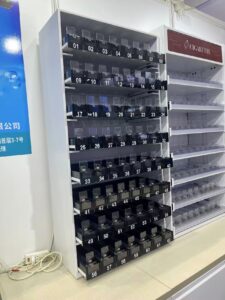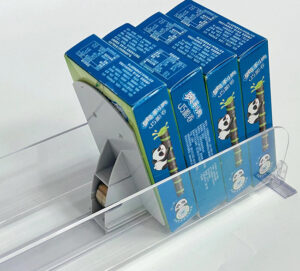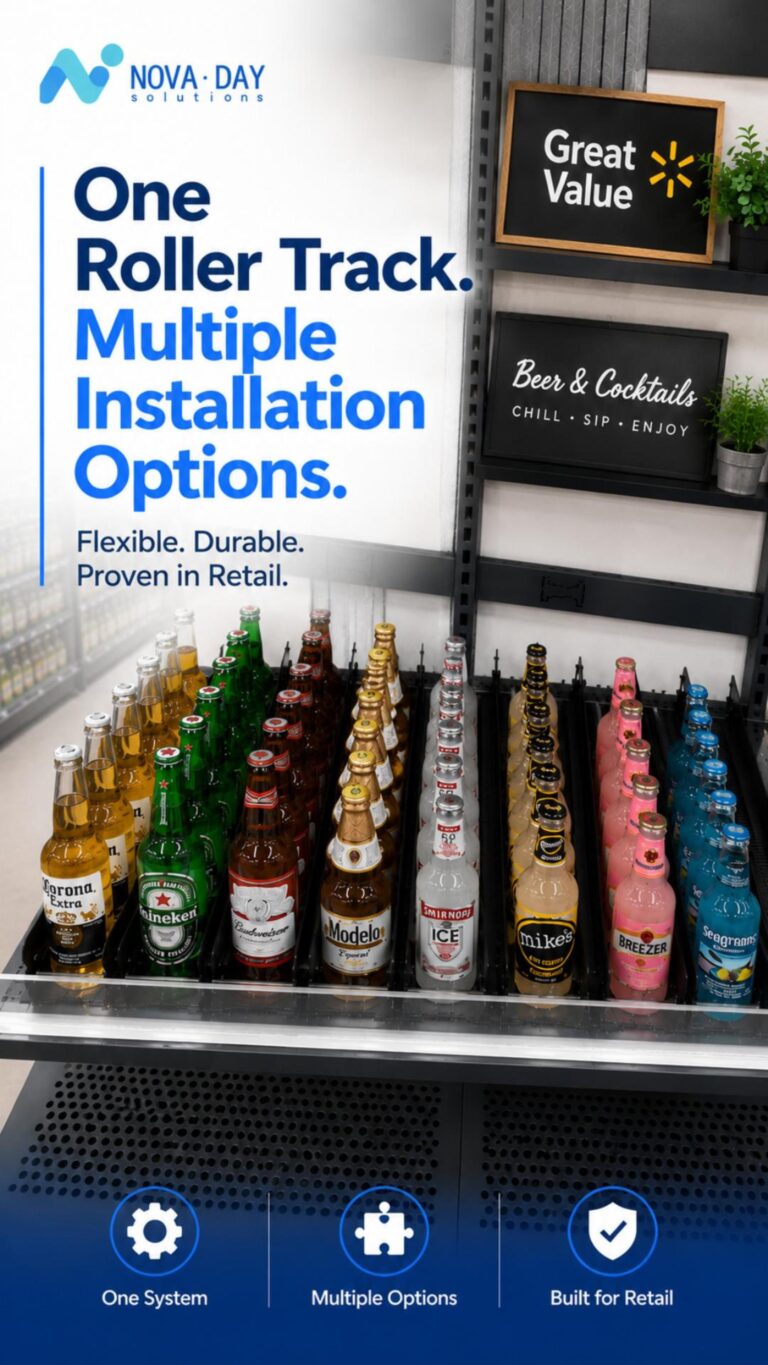
ou need to use the right steps to install a roller track system for industrial work. Many industries use roller track technology. It helps move materials safely and boosts productivity. Picking a good solution, like the Nova-day shelf roller track, gives better results. It also makes your job easier. Look at the benefits in the table below:
| Benefit | Description |
|---|---|
| Products Stay Front-Facing Automatically | Staff do not need to move items. Displays stay neat by themselves. |
| Faster Restocking and Less Labor | Workers can do other jobs. Merchandise is always at the front. |
| Reduced Product Damage | Controlled movement stops breakage. Fragile goods stay safe. |
| Improved Customer Experience | Neat displays make shopping better. This helps people buy more. |
| Optimized Space Utilization | Shelves hold more products. Order is kept and items are easy to see. |
Key Takeaways
- Pick the correct tools and materials for roller track installation. This keeps everyone safe and helps the job go well.
- Check the site carefully before you start installing. This stops problems later and helps the system work well.
- Use safety rules and follow standards when you install. This keeps workers safe and the system strong.
- Do regular maintenance to keep the roller track working. Easy weekly checks can stop big problems from happening.
- Test the system after you finish installing it. This helps you find any problems early.
Roller Track Installation Preparation
Tools and Materials
You need to have the right tools and materials first. This helps you finish the job faster and safer. For a Nova-day shelf roller track system, get these things ready:
- Screwdrivers
- Measuring tape
- Fasteners (if needed)
- Wrenches
- Brackets and mounting screws
- Leveling tools for straight lines
Nova-day shelf roller track products are made with strong materials. They can hold heavy things and do not rust easily. You can count on them to last a long time in factories.
Site Assessment
You should look at the site closely before you start. Do these steps:
- Check the site for soil strength, water flow, and buildings.
- Clean, level, and pack down the ground to make it solid.
- Set up ways to get in, safety rules, and places for tools.
A good site check stops problems from happening later. You make sure the system works well and stays safe.
Tip: Draw clear lines where you will install. This helps you keep the roller track straight and flat.
Safety Guidelines
Safety is very important for every big project. You must follow the rules and get the right certificates. Nova-day shelf roller track products meet tough quality rules.
| Standard | Requirements |
|---|---|
| ISO 9001 | Makes sure products are safe, high quality, and always getting better. |
| CE Certification | Means the product follows EU safety and environment rules. |
You also need to follow safety codes when you install:
| Standard/Code | Scope | Application |
|---|---|---|
| OSHA 29 CFR 1910 | Workplace Safety | General rule for keeping rides safe |
| IEC 61508 | Functional Safety (SIL 1-4) | PLC safety levels for machines |
| ASTM F2291 | Design of Amusement Rides | Rules for how the whole system is built |
| ASTM F770 | Operation of Amusement Rides | Rules for checking and fixing rides |
By following these rules, you keep workers safe and the roller track system strong.
Roller Track System Installation Steps
Track Path Marking
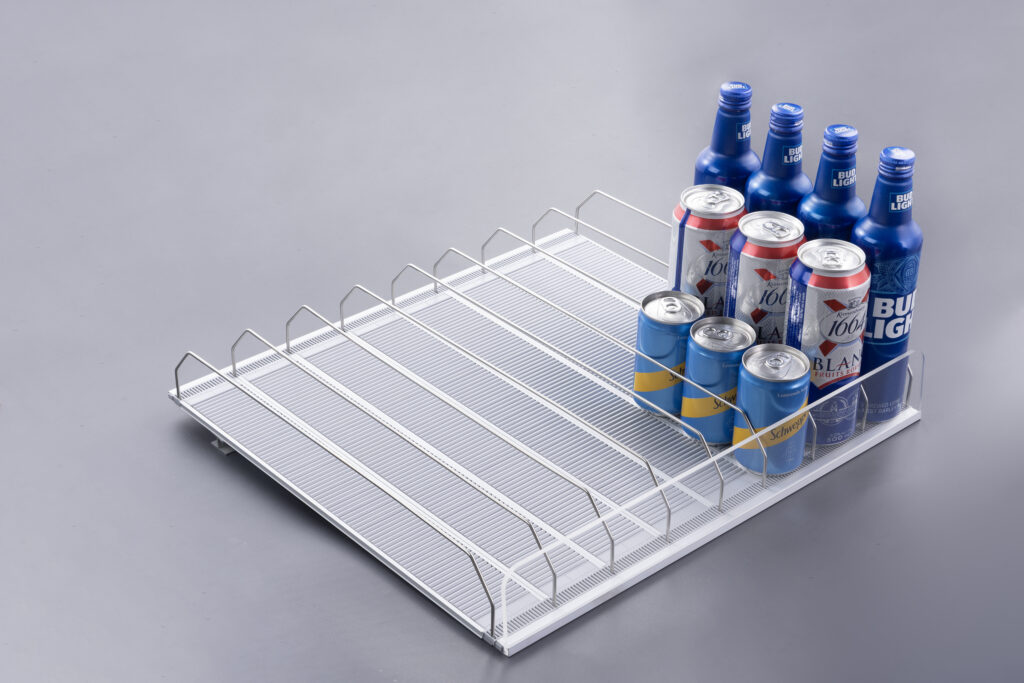
You need to mark the path for your roller track before you start assembly. Use a measuring tape and chalk to draw clear lines on the floor or shelf. Make sure the lines are straight and match your plan. This step helps you avoid mistakes later. If you use Nova-day shelf roller track, you can follow the product guide for marking. The system works best with a minimum 3-degree angle. This angle lets gravity move items smoothly.
Tip: Double-check your measurements. If you mark the path wrong, your track may not work well.
Component Assembly
You should assemble each part carefully. Start by laying out the rollers, dividers, and brackets. Nova-day shelf roller track uses heavy-duty construction, so the parts fit together tightly. Make sure you follow these best practices:
- Inspect each part for damage or wear before assembly.
- Adjust track tension as the manufacturer suggests.
- Check alignment and balance often.
- Train your team to handle parts correctly.
- Avoid sharp turns and high-speed movement on hard surfaces.
- Use the right equipment for your site.
If you skip these steps, you may face problems like uneven tracks or misaligned wheels. These issues can cause scraping or sticking.
| Challenge | Description |
|---|---|
| Uneven tracks | Misalignment leads to scraping or sticking. |
| Misaligned wheels | Wheels do not slide smoothly. |
| Low-quality wheels | Wheels wear out fast and make noise. |
Track Securing
You must secure the roller track so it stays in place. Use brackets, mounting screws, and fasteners. Nova-day shelf roller track supports heavy loads and resists rust. For industrial settings, you can use these methods:
- Elastic rail clips hold the track tight and absorb vibration.
- High-strength bolts keep the track stable.
- Tie plates spread the load and protect the track.
- Specialized fastening systems help in areas with heavy thrust.
Note: Always use the right fasteners for your environment. If you use weak fasteners, the track may shift or break.
System Leveling
You need to level the system to prevent operational issues. Use a level tool to check alignment. If you find irregularities, loosen the screws, realign the track, and retighten them. Make sure the rollers sit properly in the track. This step stops tilting and keeps movement smooth.
- Check the track with a level.
- Adjust anchors if needed.
- Verify roller alignment.
- Test movement after adjustments.
If you skip leveling, you may see uneven tracks and poor performance.
Movement Testing
You should test the movement of items on the roller track system after installation. Start by cleaning the area around each roller. Look for cracks, leaks, or uneven wear. Pay attention to tight gaps where debris can collect. Follow these steps:
- Clean undercarriage parts to remove dirt.
- Inspect for cracks, leaks, and abnormal wear.
- Measure roller diameter and compare to product specs.
- Check for flange wear.
- Rotate rollers by hand to check for smooth movement.
- Look for side-to-side movement.
- Inspect oil levels in sealed rollers.
Safety Alert: Use chocks to prevent movement. Wear gloves and safety glasses. Never reach into pinch points or stand under elevated parts.
If you follow these steps, you can avoid common mistakes and keep your system running smoothly. Nova-day shelf roller track offers self-cleaning rollers and durable parts, so you spend less time on maintenance.
Post-Installation Safety and Maintenance
Maintenance Tips
You have to keep your roller track system working well. Nova-day shelf roller track uses strong PET plastic. It can handle heavy use. The self-cleaning feature helps remove dust as rollers turn. This means you do not need to clean as much. Follow these steps to help your system last longer: 1. Wipe the rollers every week to get rid of dust. 2. Use compressed air to blow out dirt from small spaces. 3. Clean up spills right away so things do not get sticky. 4. Put a little lubricant on moving parts every few months. 5. Use a leveler to check if the track is straight and fix it if needed. 6. Test the track by rolling something through it. 7. Always check the weight limit so you do not overload it. You should also look at chains and tension. Pick the best chain for your work area. Checking early helps you find problems before they get worse.
Tip: Make a daily routine for maintenance. This helps you find problems early and keeps your system working well.
Troubleshooting
If your roller track system stops working, you can fix most problems with easy checks. First, look at the safety systems. Check for wiring problems or stuck emergency stop buttons. Make sure sensors are clean and in the right place. Look for noise on signal lines and check if the ground is good. Make a test plan. Check the power, look at fuses, and read any fault codes. Pretend to use the sensors and go through the control steps. Keep spare parts ready so you can fix things fast. Teach your team how to do basic troubleshooting and lockout-tagout steps. After you fix a problem, find out what caused it and update your checklist.
Safety Checks
You must check safety features after you install your roller track. Use this table to help you inspect:
| Safety Check Item | Description |
|---|---|
| Photocell sensors | Find things in the way and keep people safe. |
| Safety edge | Stops and goes back if something blocks the track. |
| Torsion spring(s) | Must be whole and tight to store energy safely. |
| Manual emergency release | Should work and be easy to reach in emergencies. |
| Physical structure | Check panels and tracks for damage and if they are straight. |
| Drive and motor system | Look at the motor, gearbox, and cables for wear. |
| Controls | Make sure control panels and sensors work right. |
| Manual operation | Test emergency release and manual override. |
| Locks and security | Check locks and padlocks to keep things safe. |
| Signage | Make sure instructions and warning signs can be seen. |
You need to wear safety gear and pay attention near moving parts. Train your team often and follow all safety rules. Never skip safety systems or guards.
Safety Alert: Always use lockout/tagout steps when doing maintenance. This keeps everyone safe.
You can put in a roller track system by using simple steps. Begin with good planning. Make sure you do safety checks. Keep the system working with regular care. Nova-day shelf roller track is a strong choice for stores and factories. The tough design uses PET and ABS. These materials can be recycled and are good for the planet. Look at the table below:
| Material | Recyclability | Sustainability Score | Common Use |
|---|---|---|---|
| PET | High | Excellent | Beverage and cold goods |
| ABS | Medium | Good | Electronics, heavier items |
You get things like first-in, first-out stocking. It is easy to reach products. Always follow each step. Check the product guide for the best results.
FAQ
What is a low headroom garage door?
You use a low headroom garage door when your ceiling space is limited. This type of door fits in areas where standard doors cannot work. It helps you save space and still get smooth operation. You see these doors in many industrial settings.
How do you install a low headroom garage door?
You start by measuring your space. You attach the tracks close to the ceiling. You use special hardware for a low headroom garage door. You follow the instructions for installing low headroom double rollers. This setup lets the door move without hitting the ceiling.
Why should you choose a low headroom garage door for your facility?
You pick a low headroom garage door when you need to save vertical space. It works well in warehouses and factories. You get easy access for large items. You also keep your work area clear and safe.
Can you use a low headroom garage door with multi-monitor mounting systems?
You can use a low headroom garage door in spaces with multi-monitor mounting. You keep your monitors safe and your door working. You must plan your layout so both systems fit well. You avoid blocking screens or tracks.
How do you maintain a low headroom garage door?
You clean the tracks and rollers often. You check for loose screws and worn parts. You use the right lubricant for smooth movement. You test the door every month. You fix problems early to keep your low headroom garage door safe and reliable.