Skip to content


Picture a customer looking for an oil filter. They walk through aisles, trying to see past messy shelves. They get frustrated. They leave without buying anything. Now think of a different scene. Neat displays lead them right to it. Staff know exactly where things are. Sales happen fast. This guide shows you how to change your store. Organizing Auto Parts well turns confusion into profit. Are you losing customers to online shops because your store is hard to navigate? Good organization gives you an advantage.
Key Takeaways
- Group parts by vehicle brand and system. Use clear signs to help customers find items fast.
- Put best-selling parts at eye level with pusher systems. This keeps shelves full and cuts labor.
- Place related items like oil filters next to oil. This triggers extra purchases and raises sales.
Organizing Auto Parts by Category

Customers come into your store needing one specific thing. They might want a brake pad for a 2015 Ford F-150 or a spark plug for a Chevy Silverado. Sorting parts by vehicle brand, like Ford or Chevy, feels natural. It matches how many people think about their cars. But DIYers often think by system instead. They know they need something for the brakes or the ignition, not just a part for a certain make. A mix of both works best. Put main aisles for vehicle brands. Then, inside each aisle, sort shelves by system—brakes, ignition, cooling, electrical. This way helps both casual shoppers and skilled mechanics. Good Organizing Auto Parts starts with this two-part setup.
| Company | Grouping Strategy | Measured Outcome |
|---|---|---|
| BrakeMaster Parts | Brake system group (maintenance reminders) | 30% more repeat orders |
| AutoGear Pro | Ignition system group (discounts on coils for spark plug buyers) | 22% boost in upsell conversions |
| PartsDirect | Product category onboarding (installation tips) | 15% higher satisfaction, 18% more repeat purchases |
| DriveSafe Components | Vehicle-specific group (oil change tips by age/mileage) | 25% sales growth |
| SpeedLine Auto | Dormant user re-engagement via SMS | 12% recovery of inactive customers |
These examples show that grouping by system boosts repeat sales and loyalty. You can use the same idea for your store displays.
Next, pick the right storage for each part type. Metal pegboards resist warping in a busy auto shop. They hold heavy tools and small hanging parts safely. You can move hooks, bins, and shelves as your stock changes. Each tool has its own spot, which cuts loss and boosts safety. For bigger items like alternators, use metal displays. They hold the weight without bending. For small parts like nuts, bolts, and clips, use Rousseau cabinets with high-density drawers. These drawers handle tiny parts well. You can also use Flexi bins, or bolt bins, with dividers on each shelf level. This setup lets you sort, store, and grab small parts fast. It supports a smooth inventory system. You can change the bins when your stock shifts. These options handle many different SKUs. They keep your display tidy and professional.
Group by Vehicle Type and System
Start with the vehicle brand sections. Use clear overhead signs: Ford, Chevy, Toyota, Honda. Inside each section, use shelf labels for systems. For example, in the Ford aisle, have a row for brakes, another for ignition, and another for cooling. This mixed method cuts confusion. Customers find the right part faster. It also helps staff restock quickly. They know exactly where each part goes. This method is a key part of Organizing Auto Parts for better sales.
Use Clear Signage and Labeling
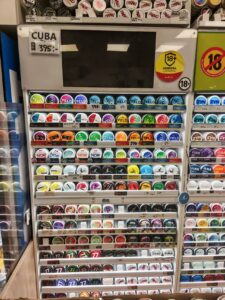
Signs guide every choice. According to McKinsey, more than 40 percent of customers switch brands inside a store. Smart signs play a big role in that. Good signs help people find the right aisle. They also push impulse buys. For example, 19% of viewers made an unplanned purchase after seeing a retail digital sign. 80% of shoppers entered a store because a digital sign caught their eye. 72% of people think good signs matter more than other marketing. Use hanging signs for each aisle. Use shelf-edge labels for specific parts. Nova-day offers in-store signs and shelf edge label holders. You can customize them to match your store’s look. Pick colors that match your logo. Use the same style on all shelves. This consistency builds trust and recognition. It also makes your store look clean and professional. Well-fitted strips stop broken holders or mixed label sizes. This protects your brand image. Staff can follow the same rules in every location. Strong signs, plus smart grouping, completes your Organizing Auto Parts plan.
Maximize Shelf Space with Pusher Systems
You have limited shelf space. Every inch must earn its keep. The ABC method helps you decide what goes where. This method groups your inventory into three categories. ‘A’ items are your best sellers. They need the best spots. ‘B’ items sell moderately well. ‘C’ items move slowly. Put ‘A’ items at eye level. Customers see them first. ‘B’ items go on the next shelves. ‘C’ items belong on the bottom or top shelves. This setup maximizes visibility and sales.
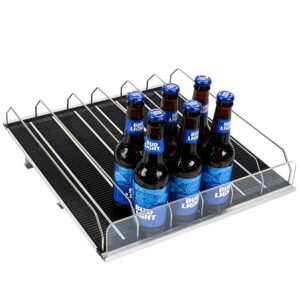
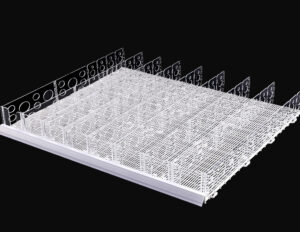
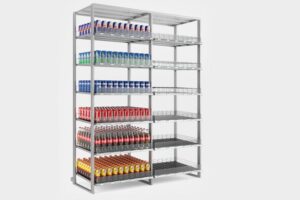
Now, how do you keep ‘A’ items always visible? Customers pick them up. They leave gaps. The display looks messy. A pusher system solves this problem. Pusher systems use spring-loaded mechanisms. They push products forward automatically. Every item stays at the front of the shelf. Your display always looks full and professional. The benefits are clear. Studies show an 18-22% sales increase across multiple retail categories. You also see a 40% reduction in restocking labor costs. The system eliminates awkward reaching into deep shelves. It creates universal access for shoppers of all abilities. It reduces product handling that can damage merchandise. It improves shopping speed by making item selection effortless. The system reduces wasted time. In a typical supermarket, employees spend two to four hours daily per aisle on manual facing. With pusher systems, a store with ten full-time employees can recover 1,500 to 2,500 working hours per year. Look at the labor savings:
| Shelf Type | Manual Facing Time per Day | With Pusher System Time per Day | Labor Saved per Day |
|---|---|---|---|
| Snack shelf | 20 minutes | 5 minutes | 75% saved |
| Beverage fridge | 25 minutes | 7 minutes | 72% saved |
| Cosmetics display | 30 minutes | 10 minutes | 66% saved |
These numbers apply to auto parts too. Oil bottles, filters, and wiper blades all benefit. Your staff can focus on helping customers instead of straightening shelves.
Implement the ABC Method for High-Turnover Parts
Start with your sales data. Find your ‘A’ items. These are the parts customers buy most often. Put them at eye level. Use pusher systems to keep them front-facing. This prevents empty facings. It keeps the display looking full. Your ‘B’ items go on shelves above or below. ‘C’ items go on the top or bottom. This method ensures high-turnover parts get the most attention. It increases sales without expanding your floor space. Organizing Auto Parts this way makes every shelf work harder for you.
Cross-Merchandise Related Items to Increase Basket Size
Customers buy more when you show them what they need. Place oil filters next to oil. Put spark plugs next to ignition wires. This triggers impulse buys. It increases basket size. Use shelf dividers to keep these items neatly separated. They stay visually connected. Customers see the relationship. They add both items to their cart. This simple change boosts sales without extra effort. A well-organized display guides customers naturally. They find everything they need in one spot. Your store becomes a destination for complete repairs, not just single parts.
Organizing Auto Parts by category helps customers find what they need fast. Pusher systems keep shelves full and neat. Organization never ends. Review your displays regularly. Pick one section this week. Reorganize it using these tips. Simple tools like pusher systems deliver immediate results. You will see happier customers and stronger sales.
FAQ
How quickly can I see results after reorganizing my displays?
You can see improvements quickly. Customers will find parts faster. Staff will spend less time restocking. Sales typically increase as shopping becomes easier.
Do pusher systems work for heavy auto parts like alternators?
Yes. Pusher systems can be designed for various weights, including heavy auto parts like alternators.
How often should I update my display organization?
Review your displays regularly. Track which parts sell fastest. Move slow-moving items to lower shelves. Adjust your layout based on real sales data. This keeps your store fresh and efficient.