Skip to content
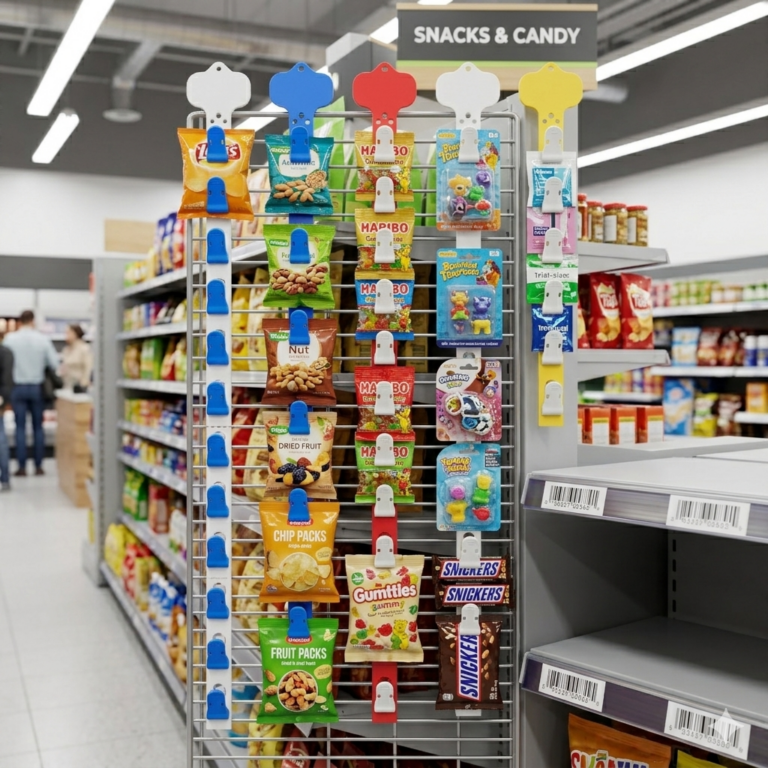
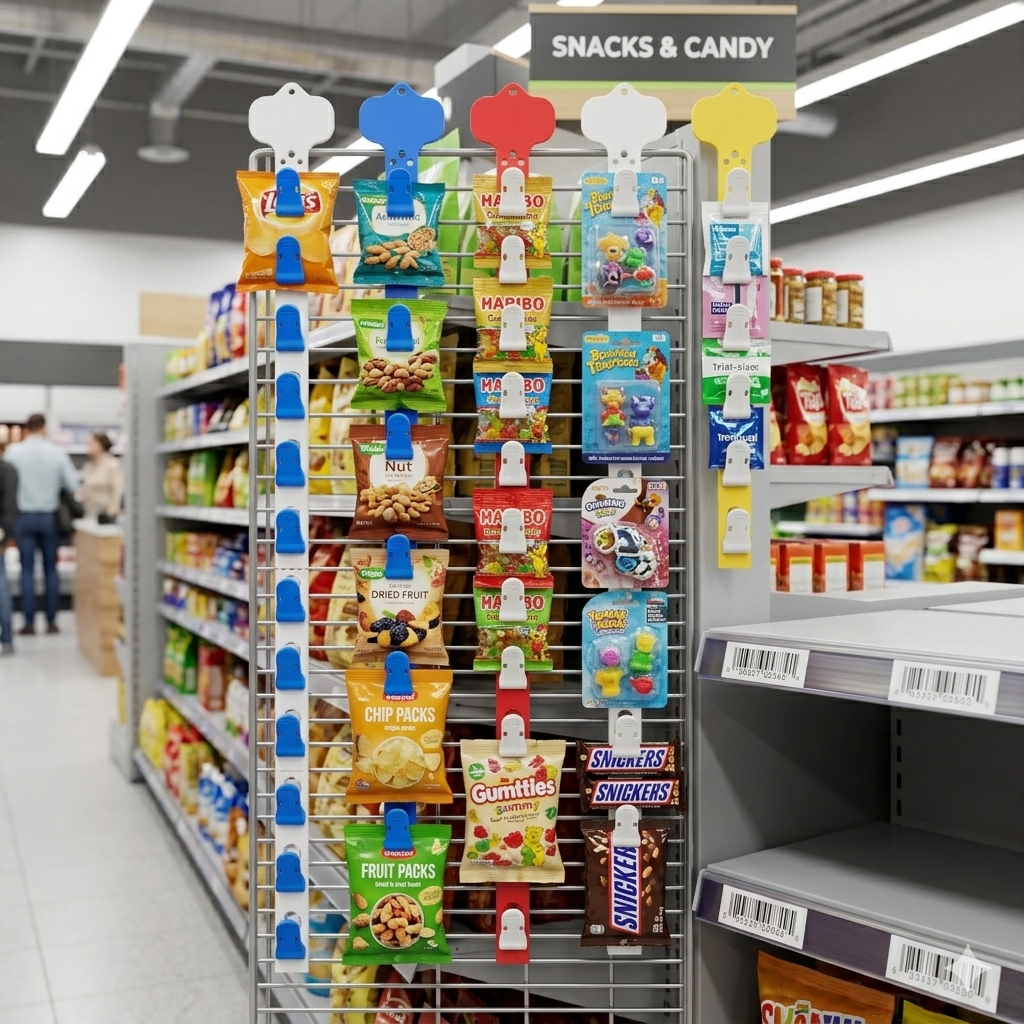
You should look for anti-slip pads at each station of the plastic clip strip. Also, check for textured surfaces and secure grip materials. These features help stop accidents and keep your display steady. Wetness and cold can make the grip weaker. If the fit is wrong, products can fall off.
| Cause | Description |
|---|---|
| Cold temperatures | Water drops can make the grip weak and cause items to fall. |
| Condensation | Wetness makes the display hardware hold less strong. |
| Improper fitting | Strips or labels that do not fit well can fall if bumped. |
Key Takeaways
- Find anti-slip pads and rough surfaces to hold products tight and stop accidents. – Pick materials with strong grip, which helps in cold or wet places. – Always check weight limits and station numbers so you do not overload and keep things safe. – Use clear labels and simple guides to set up displays the right way and make fewer mistakes. – Check clip strips often for damage to keep displays safe and neat.
Surface Grip
A strong surface grip helps keep products safe. It makes sure items stay steady on the plastic clip strip. Each strip should hold things tightly, even if people touch them. Good grip features stop slips and drops. This protects your stuff and keeps the display neat.
Textured Surfaces
Textured surfaces give more friction between the clip and product. This extra grip stops things from sliding off. It is helpful in busy store aisles. Many makers add special patterns or bumps to the clip area. These textures give more traction. They make it harder for products to slip, even if the package is smooth or shiny.
Labs use slip resistance tests to see how well these textures work. The most common tests are:
| Test Type | Purpose | Standards |
|---|---|---|
| Slip Resistance Testing | Surface traction and walking safety | ANSI A326.3, ASTM D2047 |
These tests check how much force is needed to move an item. More traction means better safety for your plastic clip strip displays.
Grip Materials
The material in a plastic clip strip changes how well it holds products. Some materials grip better, even in cold or wet places. You should pick strips made with high-friction or non-slip materials. These materials keep products in place, even if the weather changes.
Here is a quick guide to common grip materials and their features:
| Material Type | Key Features | Applications |
|---|---|---|
| Neoprene, EPDM, Nitrile Rubber | Works well in changing temperatures, resists water and chemicals | Medical devices, electronics, packaging |
| Closed-cell Sponge Rubber | Does not soak up much water, keeps grip in wet places | Food processing, outdoor installations |
| High-friction Non-slip Tapes | Great for smooth surfaces, can be made for special needs | Retail displays, packaging inserts |
| Cork and Rubber Composites | Gives cushion and grip, works on many surfaces | Construction products, protective layers |
| Silicone-based Options | Handles high heat, stays flexible in cold | Electronics, appliances, medical devices |
When you pick a plastic clip strip with these materials, your products stay safe. This lowers the chance of accidents and keeps your display looking good.
Anti-Slip Pads in Plastic Clip Strips
Integrated Pad Design
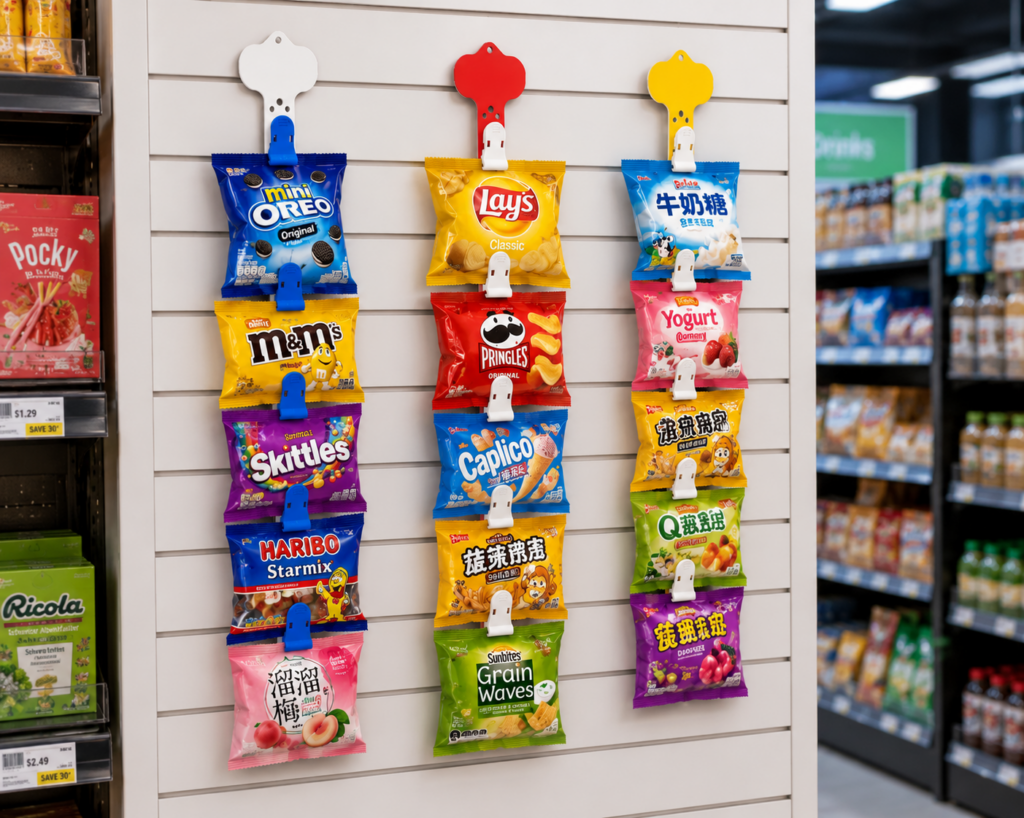
You want your display to stay neat and safe. Nova-day’s plastic clip strip uses an integrated anti-slip pad at every station. This pad holds each product firmly, even when shoppers touch or move items. You do not have to worry about products sliding off or falling to the floor.
Other brands offer different anti-slip solutions. Some companies use customizable surfaces with bright colors or special markings. These features help stores match their branding and improve safety. Some even add glow-in-the-dark pads or two-tone designs for extra visibility.
Here are some ways anti-slip pad designs can differ:
- Nova-day uses a built-in pad at each station to keep products steady.
- Some brands let you choose colors or add markings for branding.
- A few companies offer glow-in-the-dark or two-tone pads for better visibility.
When you choose a plastic clip strip with a strong anti-slip pad, you make your display safer and more attractive.
Tip: Look for clip strips with pads that match your store’s needs. Bright colors or special markings can help staff and shoppers spot products quickly.
Product Stability
Product stability matters in every store. If products fall, you lose sales and risk damage. Nova-day’s anti-slip pad design keeps each item in place, even in busy aisles. The pad grips the package and stops it from slipping, even if someone bumps the display.
You can trust that your products will stay where you put them. This means less mess and fewer accidents. Your display will look tidy all day. Shoppers will find what they want without trouble.
A good anti-slip pad does more than just hold products. It protects your merchandise and keeps your store safe. When you use a plastic clip strip with this feature, you show that you care about quality and safety.
Clip Design
Shape and Tension
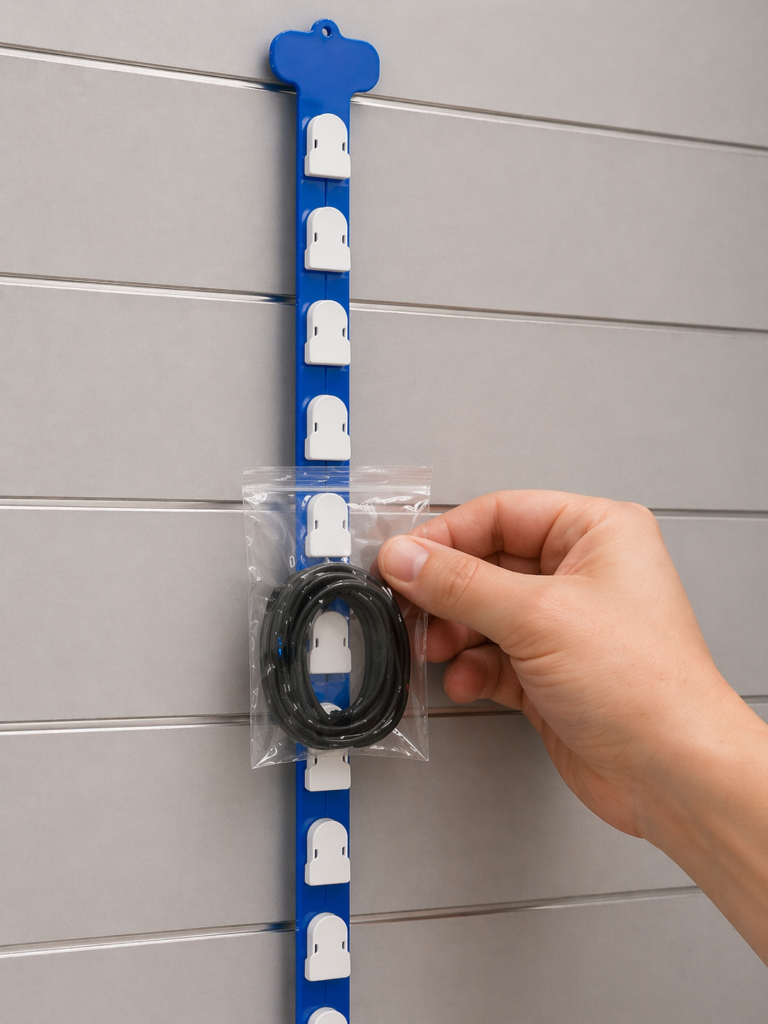
The shape and tension of a clip are important. They help your display hold products well. You want a clip that holds items tight but is easy to use. It should not be hard to put things on or take them off. Safety engineers suggest different clip shapes for better holding power. Each shape works best for certain displays.
| Clip Design | Description |
|---|---|
| Butterfly Tab | Flexible wings that spread to hold parts in place. |
| Latch | A hook-like feature that locks securely and can be released with pressure. |
| Hand-grip | Designed for easy manual engagement/disengagement. |
| Rib cage grip | Multiple flexible ribs that provide multi-point engagement. |
| Rabbit ear | Two flexible tabs that compress and expand when inserted. |
| Wedge clip | Tapered locking design for firm retention. |
| Wedge clip with TPE insert | Combines rigid plastic with a softer elastomer for vibration damping. |
| TPE grip | Uses thermoplastic elastomers for better friction and sealing. |
Look for these features when you pick a plastic clip strip:
- Butterfly Tab clips are good for small spaces and need little force.
- Latch designs hold products tight, even if you have many items.
- Rib cage grips fit in tight spots and grab in more than one place.
- Wedge clips with TPE inserts stop shaking and keep things steady.
A good clip shape and the right tension stop products from slipping. This keeps your display safe and neat.
Locking Mechanisms
Locking mechanisms make your display safer. They help keep products in place, even if someone bumps the strip. Some clips have hooks or latches that snap shut when you add a product. Others use soft tabs that grip tight and let go with a gentle pull.
You should find clips with locks that are easy to use. These locks should not make it hard to take products off. But they must hold items tight. A strong lock stops things from falling and keeps shelves tidy. When you use a display with good locks, you protect your products. This also makes shopping safer for everyone.
Material Quality
Non-Slip Plastics
Pick plastics that help products stay put. Non-slip plastics have special formulas or coatings. These make the surface rough or sticky. This helps stop items from sliding off. Even if shoppers touch or move them, they stay in place. You see non-slip plastics in many store displays. They work well in busy stores with lots of people.
Some plastics have things added to make them rougher. Others have coatings that feel sticky or rubbery. These features help your display look neat and safe. If you use a plastic clip strip with non-slip plastics, you lower the chance of accidents and damage.
Tip: Pick plastics that stay grippy when it is cold or wet. This helps your display work well all year.
Durability
Durability is important for safety over time. You want plastics that can handle stress and do not rust. Strong materials keep your display working in tough places. Weak plastics can break or fail. This can make products fall and cause problems.
- Durable plastics can handle stress from the environment.
- They do not rust and keep displays safe in stores.
- Good materials stop problems like electrical shorts or fires.
You can look at different plastics used in clip strips. Some are eco-friendly and break down faster in landfills. Others are regular plastics that are strong and last long. Here is a simple table to show the differences:
| Feature | Sustainable Clip Strip (Eco-Clip Strip) | Traditional Plastic Clip Strip |
|---|---|---|
| Durability | Stays strong with Eco-Fast™ additive | Known for being tough and flexible |
| Environmental Impact | Breaks down much faster in landfills | Has a bigger impact on nature |
| Cost | Not always cheaper, recycled plastics may cost more | Usually costs less, but depends on supplier |
Pick materials that fit your store’s needs. Durable plastics keep your display safe and help you save money. When you use a plastic clip strip made with good materials, you protect your products and your customers.
Plastic Clip Strip Load Capacity
Weight Ratings
You need to know how much weight each station can hold. Nova-day’s modular design gives you flexibility. Each station supports up to 220 grams. You can stack the stations to create strips with 3, 6, 9, or 12 stations. This helps you match the display to your shelf space and product size.
You should always check the weight rating before loading products. If you overload a station, it can bend or break. This puts your products at risk. To keep your display safe, use a safety margin. Experts recommend a safety margin of 3 to 5 times the maximum expected load. This means if you plan to hang 200 grams, the station should handle at least 600 to 1,000 grams. This margin protects against sudden bumps, material aging, and changes in temperature.
Tip: Always use the lowest weight rating when stacking stations. This keeps your display strong and safe.
Balanced Display
A balanced display keeps your products secure. You should spread the weight evenly across all stations. If you put too much weight on one side, the strip can tilt or fall. This can cause products to drop and make a mess.
Follow these steps for a balanced display:
- Place similar items on each station.
- Avoid hanging heavy items next to very light ones.
- Check that the strip hangs straight after loading.
- Adjust the positions if the strip leans or twists.
You can use a table to plan your display:
| Station Number | Product Weight (g) | Total Weight (g) |
|---|---|---|
| 1 | 200 | 200 |
| 2 | 180 | 380 |
| 3 | 210 | 590 |
A well-balanced plastic clip strip helps prevent accidents. You protect your products and keep your store looking neat.
Compliance Standards
Certifications
You should look for certifications when picking plastic clip strips. Certifications mean the product meets safety and quality rules. These marks help you trust the clip strips in your store. Look for labels like CE, RoHS, and ISO. Each one checks a different safety part.
| Certification | What It Means | Why It Matters |
|---|---|---|
| CE | Meets European safety rules | Safe for shoppers |
| RoHS | No harmful chemicals | Good for health |
| ISO 9001 | Quality management system | Consistent performance |
Tip: Always look at the package or product for certification marks. These marks show the clip strips passed tough tests.
Certifications keep you safe from bad products. They also help you follow store rules and avoid fines. If you see a certification, you know the product is safe.
Safety Guidelines
You need to follow safety guidelines to keep your store safe. Guidelines tell you how to use clip strips the right way. They help you stop accidents and keep displays neat. Read the instructions that come with the product. Nova-day gives clear user guides and markings for safe use.
Here are some important safety steps:
- Put clip strips away from busy walkways.
- Do not put too much weight on each station. Check the weight rating.
- Make sure the strip hangs straight and does not lean.
- Check the clip strips often for damage or wear.
🛡️ Note: Following safety guidelines keeps your products safe and protects shoppers.
You can use a checklist to remember these steps:
- Check certifications.
- Read user guides.
- Follow weight limits.
- Check often.
Safety guidelines and certifications work together. They help you make a safe and strong display for your store.
Visual Indicators & Instructions
Markings
You can spot safe plastic clip strips by checking for clear markings. Nova-day makes this easy for you. Each clip strip has visible labels that show weight limits and station numbers. These markings help you load products correctly. You avoid mistakes and keep your display safe.
Look for these markings on your clip strips:
- Weight Limit Labels: You see the maximum weight each station can hold.
- Station Numbers: Each station has a number. You know where to place each item.
- Safety Icons: Nova-day uses simple icons to show safe loading and hanging.
Tip: Always check the markings before you add products. This helps you prevent accidents and keeps your display neat.
Here is a quick table to help you understand the markings:
| Marking Type | What It Shows | Why It Matters |
|---|---|---|
| Weight Limit | Maximum grams allowed | Prevents overload |
| Station Number | Position for products | Keeps display balanced |
| Safety Icon | Safe use instructions | Reduces risk |
User Guides
You need clear instructions to use plastic clip strips safely. Nova-day gives you easy-to-read user guides with every product. These guides show you how to set up, load, and check your clip strips. You follow step-by-step directions and avoid mistakes.
The user guide includes:
- Setup Steps: You learn how to attach the clip strip to shelves or racks.
- Loading Tips: You see how to place products without overloading stations.
- Safety Checks: You find out how to inspect the strip for damage or wear.
📝 Note: Nova-day’s instructions use simple language and pictures. You understand them quickly, even if you are new to merchandising.
You can use the guide as a checklist:
- Attach the strip to the shelf.
- Check the markings for weight limits.
- Load products evenly.
- Inspect the strip often.
Clear markings and user guides help you keep your display safe. You protect your products and make shopping easier for everyone.
When picking a plastic clip strip, look for anti-slip pads, textured grip, and clear markings. Good materials and strong locking clips help keep displays safe. Safety experts say you should talk with your team about these features. Make sure everyone knows what to do if something is not safe. Use a checklist to help you stay safe:
- Look for anti-slip pads and textured surfaces.
- Check weight limits and station numbers.
- Talk about safety steps with your team.
- Check for damage often.
Pick new products like Nova-day’s to keep your store and customers safe.
FAQ
What makes a plastic clip strip safe for my store?
You should look for anti-slip pads, textured surfaces, and clear weight markings. These features help keep products secure and prevent accidents. Always check for strong materials and easy-to-read instructions.
How do I know if I am overloading a clip strip station?
Check the weight limit label on each station. If your product is heavier than the limit, use fewer items or a stronger strip. Overloading can cause the strip to bend or break.
Can I use Nova-day’s clip strips in cold or wet areas?
Yes, you can. Nova-day’s clip strips use grip materials and anti-slip pads that work well in cold or wet conditions. These features help keep your products safe and steady.
Why are clear markings important on clip strips?
Clear markings show you where to place products and how much weight each station can hold. This helps you set up displays safely and avoid mistakes.
How often should I check my clip strips for safety?
You should check your clip strips every day. Look for damage, wear, or loose parts. Regular checks help you prevent accidents and keep your display looking neat.