Skip to content

A shopper stands in the cereal aisle, undecided. Bright shelf talkers catch her eye: “New! Low Sugar.” She grabs the box. That sale happened because of a small sign. How do you design a shelf talker that converts like this every time? The answer starts with smart shelf talker design. You will discover which colors grab attention, where shelf talkers belong, and how to measure results. Shelf talkers reward retailers who treat them as tools. Shelf talkers fail when cluttered. Shelf talkers win when clear. Shelf talkers drive impulse buys. Shelf talkers boost turnover. Shelf talkers earn their space. Shelf talkers turn browsers into buyers. Start treating shelf talkers as silent salespeople.
Key Takeaways
- Shelf talkers boost sales by 5–6% and speed up turnover by up to 22%.
- Use high contrast colors and large fonts for quick scanning.
- Keep copy short: under 25 words with a clear call to action.
- Place shelf talkers at eye level and in high-traffic areas.
- Test and measure results to improve your shelf talker strategy.
How Shelf Talkers Boost Sales with Custom Designs
The Psychology Behind Shelf Talker Effectiveness
Shelf talkers act like quiet salespeople right when someone is ready to buy. They catch the eye when a shopper stands in the aisle and compares products. Studies show that well-made shelf talkers raise sales by 16–23% and speed up product turnover by as much as 22%. With a smart plan, you can get even better results.
Products with shelf talkers usually sell 16–23% more than those without them. Stores report up to 23% higher sales for items that are promoted. These signs spark last-minute buying choices by sharing the right message at the right moment.
| Metric | Value |
|---|---|
| Faster product turnover | Up to 22% quicker sell-through |
This information shows that shelf talkers boost sales when you design them with a clear goal. They build stronger customer interest and create results you can measure in retail settings.
Nova-day’s POP Pricing Systems as a Point-of-Sale Solution
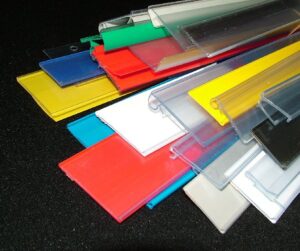
Nova-day‘s POP Pricing Systems give you a dependable way to add shelf talkers to your store. These custom shelf talkers are made from strong materials like ABS, PVC, and PC. They fit standard retail fixtures, so you can put custom messages at the shelf edge fast.
Pantone color matching keeps your custom shelf talkers in line with your brand identity. The Pantone Matching System lets you copy brand colors exactly. This accuracy matters for well-known retail brands that follow strict rules. Color stays the same on packaging, shelf talkers, and secondary displays. It also stays exact across every production run.
You can use these systems as a retail marketing tool to show promotions and guide buying choices. The strong build supports long-term use in busy retail spaces. This makes them a wise investment for any promotional campaign.
Key Principles for Effective Shelf Talker Design
An effective shelf talker uses a strong visual hook to make your shelf talkers stand out. Shoppers scan shelves in seconds. Your shelf talkers must stop them quickly. Focus on design and placement strategies to get the best results from your shelf talkers. Good shelf talker design for your shelf talkers follows clear rules. An effective shelf talker starts with a plan.
Color, Contrast, and Typography for Quick Scanning
Color contrast is your first tool. High contrast makes your sign visible. Pair bright colors with neutral backgrounds. Red or yellow on white works well. Black on yellow gives very strong visibility. Avoid low contrast combinations like gray on white. They blend into the shelf and get ignored.
Typography matters just as much. Choose a large, bold font. A shopper should read your message from 3 to 5 feet away. Sans-serif fonts like Arial or Verdana work best. They are clean and easy to read. Skip decorative fonts. They slow down reading and confuse the customer.
Nova-day helps you execute this. Their custom shelf talkers use Pantone color matching. This keeps your brand colors exact. It creates a consistent look across your marketing. This strong visual design reinforces your identity. It builds recognition and trust with the customer.
Material quality also plays a role. Durable plastic resists wear and tear. It keeps your message looking fresh. This supports your overall retail marketing strategies. Nova-day makes custom shelf talkers from durable ABS and PVC. These custom shelf talkers fit standard retail fixtures. You can deploy them without special tools.
Crafting Short Copy and Strong Calls to Action
Once you have their attention, you need a clear message. Use minimal words. Effective shelf talkers rely on simple phrases. “New!”, “Sale”, or “Try Me” work well. These represent the best practices for designing retail signs.
A structured message works best. Start with a short hook of 3 to 5 words. Then state the value or benefit. End with an action trigger. Keep your entire message under 25 words. This ensures the customer can process it instantly.
Your call to action must be direct. Tell the customer what to do. Use phrases like “Buy Now”, “Try it today“, or “Scan for a Recipe”. A strong CTA lifts conversion rates. Match the message to the shopper’s intent. This increases the chance of a sale.
Avoid clutter. The sign should complement the product, not overwhelm it. Let the product be the hero. The shelf talker just guides the choice. Integrate technology smartly. You can add a QR code. Link it to a recipe, a coupon, or more product details. This adds value without crowding the sign.
These strategies turn a simple tag into a sales tool. Good shelf talker design balances all these elements. It serves the customer and boosts turnover. You can update custom shelf talkers for seasonal promotions. Pantone matching makes your custom shelf talkers consistent. Investing in custom shelf talkers builds long-term brand equity.
This completes our look at the key principles for effective shelf talker design. Your custom shelf talkers should evolve based on sales data. Track sales before and after installing the shelf talkers. Use A/B testing to refine your shelf talker strategies. Effective strategies start with understanding your customer. A clear path makes the customer feel confident. Well-designed shelf talkers guide the customer to a choice. Place shelf talkers at eye level for maximum visibility. Integrate technology smartly with your shelf talkers. Durable materials keep your shelf talkers looking new. Rotate your shelf talkers regularly to keep content fresh.
Where to Place Shelf Talkers for Best Results

Strategic Positioning at the Point of Purchase
Putting shelf talkers at eye level or in busy areas can really change how well they work.
You need to put your shelf talkers where shoppers naturally look. Good placement starts with knowing how customers move through the store. You want these signs to grab attention at the right time.
The best spots for your placement include:
- Store entrances
- Checkout counters
- Aisle end-caps
- Promotional islands
- Floor stacks
These custom shelf talkers work in different ways at each spot. End-caps show off new items. Checkout counters catch last-minute buyers. Store entrances make a first impression. You can test each spot to find what works best.
Eye level matters most. Most shoppers look at shelves at eye height. Put your shelf talkers at this level for the biggest impact. This simple step makes them easier to see when the customer is deciding.
Follow these steps for good placement:
- Put shelf talkers in busy areas where shoppers will notice them, like eye-level shelves or near popular products.
- Make sure the design looks good and matches the brand, with bold colors, short messages, and clear calls to action.
- Match shelf talkers to specific campaigns, promotions, or seasonal themes for the biggest impact.
- Change shelf talkers often to keep the display fresh and interesting for returning customers.
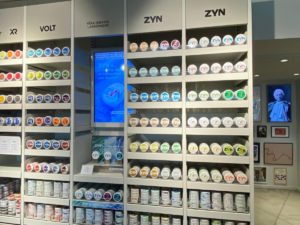
A grocery store example shows how this works. You put a “Low Sugar” talker next to the beverage aisle. Shoppers looking for healthier drinks see it right away. This turns a browsing moment into a purchase. Your custom shelf talkers need to fit the shopping context. Shelf edge talkers near the dairy section highlight freshness. A point of sale talker at checkout promotes add-on items. Custom shelf talkers from Nova-day give you options for each spot. The right placement makes your message relevant. Putting shelf talkers at the point of sale takes testing. You can move them and track results. Small changes in placement make big differences in sales. These custom shelf talkers help your overall merchandising strategy.
Common Pitfalls to Avoid with Shelf Talkers
You can make mistakes with placement that hurt your results. Avoid these common errors.
First, do not crowd shelves. Too many shelf talkers create visual noise. Shoppers ignore all of them. Pick one or two products per section. Let each shelf talker stand out clearly.
Second, use the right materials. Paper shelf talkers fail in damp places. They curl, fade, and look bad. You need durable plastic options. Nova-day’s reflex sign holders resist moisture and wear. They keep your message clear for weeks.
Third, keep branding consistent. Design that does not match across shelf talkers causes problems:
| Branding Issue | Effect on Customer Trust | Effect on Sales |
|---|---|---|
| Inconsistent design across shelf talkers (no shared template or brand identity) | Suggests disorganization; hurts the view of professionalism and attention to detail | Weakens the cohesive, professional impression that drives shopper confidence and purchase decisions |
| Outdated information (old vintage, price, or rating left in place) | Breaks trust — said to be worse than having no shelf talker at all | Hurts credibility, discouraging repeat purchases and reliance on the recommendation |
| No branding (no logo, shop name, or “Staff Pick” badge) | Removes the authority and trusted-source link that branding provides | Misses the chance to link quality recommendations to a trusted source, reducing persuasive impact |
Your custom shelf talkers need a shared template. Use the same logo, font, and color scheme everywhere. This builds recognition and trust. Your custom shelf talkers build brand recognition with consistent design.
Another pitfall is ignoring shelf edge talkers. These small signs sit right at the product line. They guide the final choice. Missing them costs you sales.
Poor placement leads to wasted money. You spend time and money on design. You lose value when shelf talkers sit in the wrong spot. Always test your placement before scaling up. Remember to change them often. Stale content loses impact. Fresh signs keep your store dynamic. Your shelf talkers should change with your promotions.
Your goal is simple. Place shelf talkers where they get seen. Avoid the mistakes that kill effectiveness. Use durable materials. Keep branding consistent. This approach turns every shelf talker into a reliable sales tool.
Measuring the ROI of Your Shelf Talker Strategy
You put time and money into shelf talkers. You need to know they work. Two ways give you clear answers. Track key numbers. Run controlled tests. Both turn guessing into a solid plan. Your shelf talkers become tools you can trust. You stop wondering and start knowing what makes people buy.
Key Metrics: Sales Lift, Turnover, and Dwell Time
Sales lift shows the percent increase in product sales after you put up shelf talkers. Compare sales from two weeks before and two weeks after. Use your checkout system for exact numbers. Small stores can do simple checks. Count sales each day and write them down. A clear sales lift proves your shelf talkers work.
Turnover rate shows how fast products sell. Faster turnover means better stock movement. Your shelf talkers should speed this up. Track turnover for the item with the sign. Compare it to similar items without signs. A higher rate proves your signs create urgency. Shoppers decide faster when they see clear messages. This number tells you if your message makes people buy quickly.
Dwell time measures how long shoppers stop near your display. Watch with a stopwatch. Look for longer pauses near items with shelf talkers. Longer time means strong interest. Your message grabs and holds attention. Use dwell time with sales lift numbers. Together they show your shelf talkers affect buying choices. Simple spreadsheets track these numbers in many stores. These numbers give you confidence in your plan.
A/B Testing and Iterating Custom Shelf Talker Designs
A/B testing shows what shoppers like. Run two versions side by side. Change one thing each time. Test different colors like red versus yellow. Try short text against slightly longer text. Compare eye-level placement to shelf edge. Measure which version gives more sales lift. Repeat the test in other areas to confirm your results.
Start with one product category. Test a red shelf talker against a yellow one. Run the test for two weeks. Record sales for each version. The winning design goes to more categories. The losing version shows you what to avoid. This process lets your shelf talkers improve with real data. You build a library of proven designs over time. Each test makes your approach better.
Iteration keeps your plan fresh. Customer likes change over time. Seasonal sales need new messages. Refresh your custom signs often. A stale sign loses its power over shoppers. Use test results to guide each update. Your custom designs get better with each round. This cycle helps boost sales over time and builds long-term growth.
Shelf talkers deliver a high return for a small investment. These shelf talkers work best when you design them with purpose. Focus on three areas. Use clear design with high contrast and short copy. Place shelf talkers at eye level or busy spots. Measure your results. Start small with one product category. Order custom shelf talkers from Nova-day. Track sales for two weeks before and after you install the shelf talkers. Compare the numbers. Use shelf talkers to refine your approach. Try again with new shelf talkers. Keep testing different shelf talkers. Effective shelf talkers reward your effort. Your shelf edge is prime real estate. Start designing shelf talkers that turn browsers into buyers today.
FAQ
How much do custom shelf talkers cost?
Pricing depends on size, material, and order volume. Durable plastic options from Nova-day use ABS, PVC, and PC, so they cost more upfront than paper. They last far longer, though. That longer life lowers your cost per promotion. Contact Nova-day directly for a quote on your specific design.
Which material works best for shelf talkers?
It depends on your store environment. Paper curls and fades in damp areas like refrigerated sections. Plastic holds up better there. Nova-day builds shelf talkers from ABS, PVC, and PC. These materials resist moisture and daily wear. They keep your message readable for weeks instead of days.
How many words should a shelf talker include?
Keep the total under 25 words. Shoppers scan quickly and rarely stop to read. Lead with a short hook of 3 to 5 words, such as “New!” or “Sale.” Add one benefit, then one clear call to action. Cluttered shelf talkers get ignored, so cut every unnecessary word.
Where should I place shelf talkers for the best results?
Place them at eye level, on end caps, or near high-traffic areas. A grocery store might put a “Low Sugar” sign beside the beverage aisle. Match the message to that spot’s shoppers. Test one location at a time. Move shelf talkers that underperform and track the difference.
How do I know if my shelf talkers are working?
Compare sales for two weeks before and two weeks after installation. Track sales lift and turnover rate. Well-designed shelf talkers can raise sales by 16–23% and speed turnover by up to 22%. Run A/B tests on colors, copy, or placement. Let the data guide your next design.