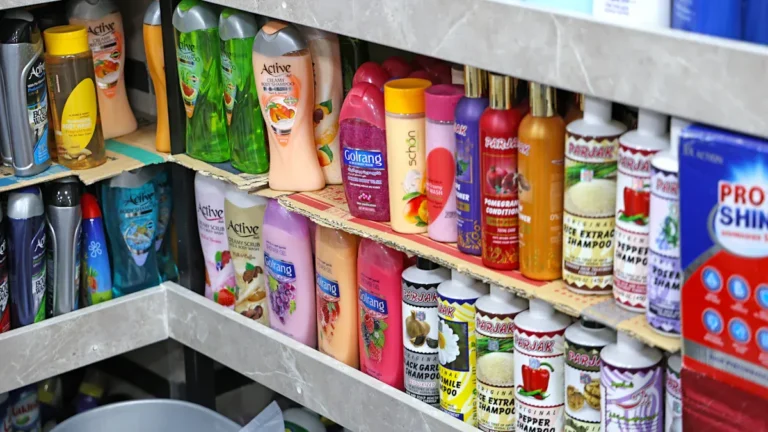
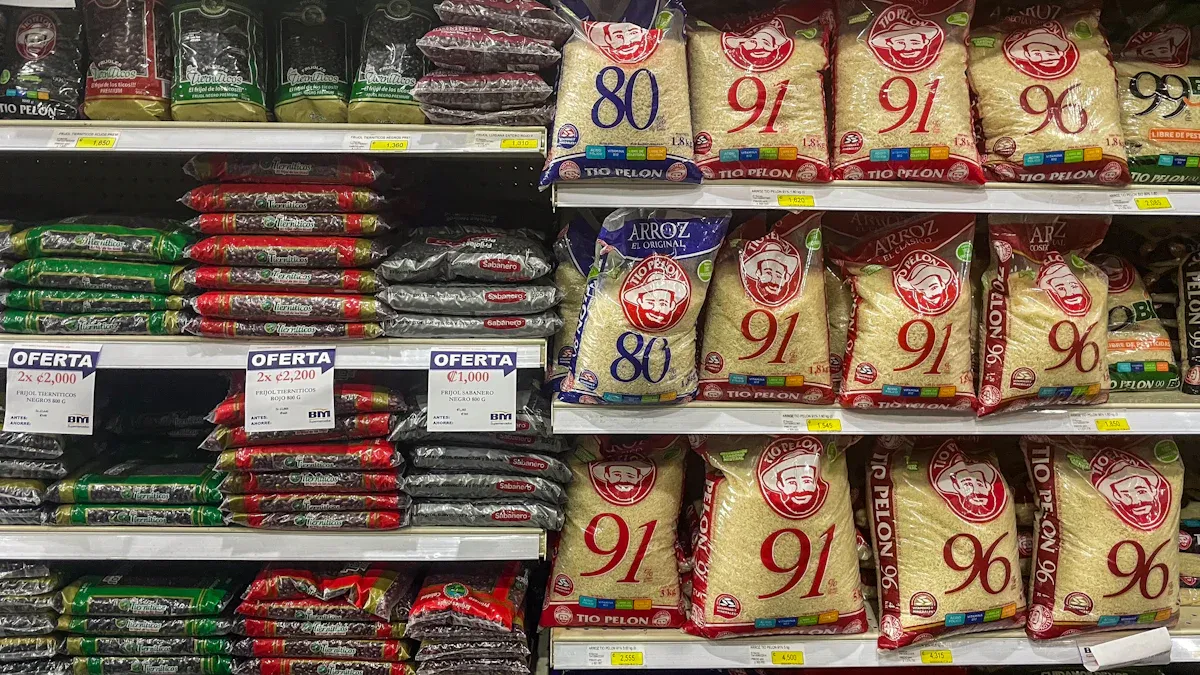
Store Shelf Management helps you use every inch of space, boost sales, and create a better shopping experience. You organize shelves so shoppers can find what they need quickly. When you use modern tools like Nova-day’s shelf roller track, you make restocking easier and keep products visible. For example, supermarkets that use roller track systems see lower labor costs and fewer customer complaints. In convenience stores, these systems lead to faster product rotation and better displays.
Key Takeaways
- Effective Store Shelf Management boosts sales by up to 30% through smart product placement and organization.
- Use the Three P’s: Product, Placement, and Presentation to enhance visibility and attract shoppers.
- Implement planograms to strategically place products, maximizing sales potential and maintaining a neat appearance.
- Regularly train staff on shelf management techniques to ensure a well-organized store and improve customer experience.
- Utilize modern tools like Nova-day’s shelf roller track to simplify restocking and keep products visible for customers.
What Is Store Shelf Management
Key Concepts
Store Shelf Management means you set up products on shelves so customers can shop easily. You use smart planning to make sure every item is visible and easy to reach. A good store layout helps guide shoppers and makes their visit better. You place products in the right spots to catch attention and boost sales. When you plan shelf space and product placement together, you can increase profits. You decide how many facings each product gets and how much space each shelf needs. This careful planning helps you use every inch of your store.
Tip: When you match shelf size with the right number of products, you make shopping easier and help your store earn more.
Here are some main jobs you do in Store Shelf Management:
| Aspect | Description |
|---|---|
| Arrange shelves | Make products easy to see and reach |
| Create displays | Use eye-catching setups to draw attention |
| Keep shelves tidy | Make sure shelves look neat and organized |
| Use data | Check sales numbers to decide where products go |
| Train staff | Teach your team the best ways to manage shelves |
| Use technology | Track stock and keep shelves full |
Importance for Retailers
Store Shelf Management helps you run your store better and make more money. When you put products in the best spots, you can boost sales by up to 30%. Almost 40% of shoppers pick a brand after seeing it on the shelf. If you keep shelves neat and well-stocked, customers enjoy shopping more and come back again.
| Benefit Type | Details |
|---|---|
| Sales Increase Potential | Products in prime shelf spots can boost sales by up to 30%. |
| Shopper Decision Influence | Nearly 40% of shoppers choose a brand after seeing the shelf. |
| Customer Experience Improvement | Well-managed shelves create a better in-store experience. |
You can use Store Shelf Management in any store, big or small. When you use these methods, you make the most of your space and help your business grow.
Core Principles
The Three P’s
You can improve your Store Shelf Management by focusing on the Three P’s: Product, Placement, and Presentation. First, choose products with packaging that tells a clear story and stands out. Next, place items where shoppers can see them easily. For example, putting popular products at eye level helps people find them fast. Finally, present your products in a way that looks neat and inviting. Good presentation, like grouping similar items or using bright packaging, makes shoppers want to buy more.
Shopper Behavior
Understanding how shoppers move and make choices helps you set up shelves for better results. Research shows that shelf height affects what people buy. Look at this table:
| Shelf Height | Percentage of Purchases |
|---|---|
| High | Lower |
| Middle | Highest |
| Low | Lower |
Most shoppers pick products from the middle shelf. You should put best-selling or new items at this level. When you watch how people shop, you can adjust your displays to match their habits and boost sales.
Visual Merchandising
Visual merchandising uses creative ideas to catch the shopper’s eye and increase sales. You can try these techniques:
- Themed displays
- Product placement strategies
- Merchandising hierarchy
- Digital displays
- Use of props
- Customized shelving
- Deploying product promoters
- Attractive campaigns
Simple rules, like the Rule of Three or the Pyramid Principle, help you organize products in ways that look good and draw attention. When you use these methods, your shelves look more appealing and shoppers spend more time exploring your store.
Tip: Train your team to use these core principles every day. Well-trained staff keep shelves organized and help customers find what they need.
Space Planning
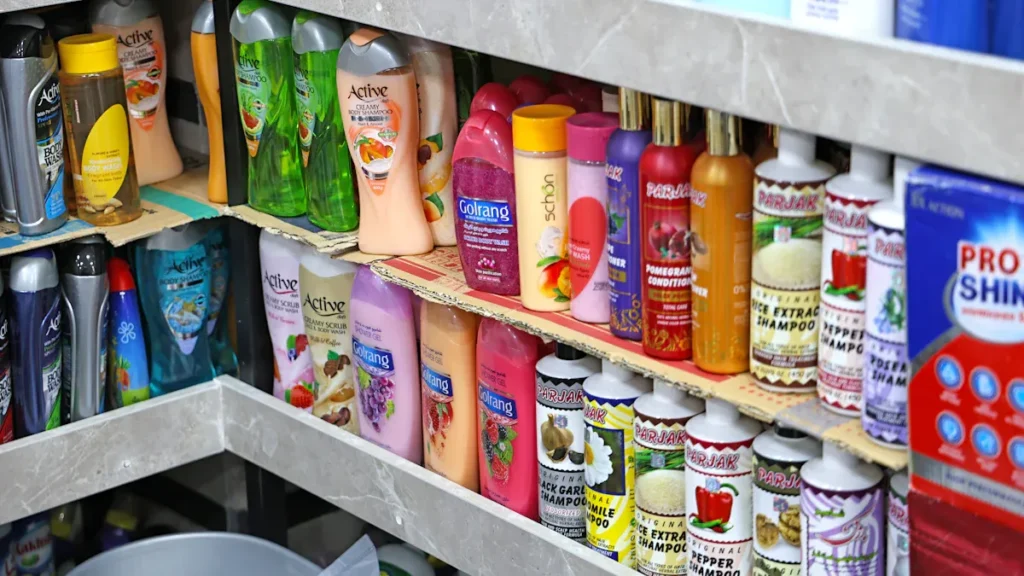
Effective space planning helps you make the most of every shelf in your store. You can use smart strategies to organize products, guide shoppers, and boost sales. Store Shelf Management relies on three main tools: planograms, zoning and grouping, and shelf optimization.
Planograms
Planograms show you exactly where to place each product on the shelf. You use them to create a map for your displays. This method helps you highlight popular items and keep shelves looking neat. During busy seasons, planograms let you adjust product placement to match demand. You can increase sales by putting high-margin products in prime spots. Planograms also help you keep a consistent look across all your stores.
| Benefit of Planograms | Description |
|---|---|
| Maximizes Sales Potential | Strategic product placements enhance visibility and drive growth. |
| Improves Visual Appeal | Helps manage inventory and keeps displays uniform. |
| Increases Sales | Puts impulse-buy items where shoppers see them first. |
Planograms eliminate dead space and guide customers to the products they want. You can use sales data to update your planograms and grow your business.
Zoning & Grouping
Zoning means you divide your store into sections based on product types. Grouping puts similar items together, making shopping easier. You can place pasta next to pasta sauce or snacks near drinks. This setup encourages shoppers to buy more. Category adjacency improves convenience and drives extra purchases. When you understand how people move through your store, you can put popular products in high-traffic areas.
- Grouping luxury chocolates with regular ones makes the cheaper option look more valuable.
- Placing small items at checkout encourages impulse buys.
- Different regions expect different layouts, so you should adjust zones for your shoppers.
| Evidence Type | Description |
|---|---|
| Contrast Effect | Grouping luxury and standard products boosts the appeal of lower-priced items. |
| Impulse Buying | Most supermarket decisions happen in-store, influenced by shelf placement. |
| Cultural Triggers | Store layout expectations change by region, affecting shopper comfort. |
Shelf Optimization
Shelf optimization means you use every inch of shelf space wisely. You can try vertical merchandising, which stacks products up and down to show more options. Strategic space allocation lets you give more room to best-sellers. The Three P’s—Packaging, Place, Price—help you decide which products get the best spots. Retailers who optimize shelf space see higher sales, happier customers, and better inventory control.
- Use vertical displays to show more products.
- Give extra space to items that sell fast.
- Adjust shelf layouts based on what shoppers buy most.
Smart shelf optimization helps you keep shelves full, reduce clutter, and make shopping easy for everyone.
Product Placement Tactics
Eye-Level & Hot Spots
You can increase sales by placing products at eye level and in hot spots. Shoppers look at the middle shelf first, so products here get more attention. Studies show that a product at eye level has a 5% conversion rate, while the same product on the bottom shelf only reaches 2%. The central part of the shelf is the best place for popular or high-margin items. When you use this tactic, you help customers find what they want quickly and make it easier for them to choose your featured products.
| Placement Area | Conversion Rate | Best Use |
|---|---|---|
| Eye Level (Middle) | 5% | Best-sellers, new launches |
| Bottom Shelf | 2% | Bulk items, less popular goods |
| Hot Spots | High | Promotions, impulse buys |
Tip: Rotate products in hot spots often to keep displays fresh and exciting.
Cross-Merchandising
Cross-merchandising means you place related products together. For example, you can put chips next to dips or pasta with sauce and wine. This setup encourages shoppers to buy more items at once. Retailers like Walmart and Kroger use bundling to boost sales. Tesco increased sales by placing beer and snacks near diapers. Cross-merchandising also makes shopping easier for your customers and helps you stand out from competitors.
| Benefit | Description | Example |
|---|---|---|
| Attract Customers | Draws shoppers in with creative displays. | Holiday entrance displays |
| Build Loyalty | Makes shopping more enjoyable, so customers return. | Themed bundles for Father’s Day |
| Increase Sales | Encourages impulse buys by linking related products. | Chips next to soda |
| Enhance Marketing | Adds variety to your marketing strategy. | In-store events or sampling |
- Offer discounts on bundled products to make them more appealing.
- Use cross-merchandising to create a one-stop shopping experience.
Seasonal Displays
Seasonal displays help you capture attention during holidays and special events. You can use themes like back-to-school, Halloween, or Christmas to create eye-catching setups. About 76% of purchase decisions happen in-store, so strong visual merchandising matters. Seasonal displays also drive impulse purchases—40% of shoppers buy more than planned during holiday shopping because of attractive promotions. These displays make your store feel lively and encourage customers to stay longer and explore more.
Note: Change your displays with each season to keep your store looking fresh and relevant. This keeps customers engaged and coming back.
Store Shelf Management uses these tactics to help you boost sales, improve the shopping experience, and make the most of your retail space.
Modern Solutions for Store Shelf Management
Modern solutions help you manage shelves faster and smarter. You can use new systems to keep products organized, reduce mistakes, and save money. These tools make your store look better and help you sell more.
Nova-day Shelf Roller Track
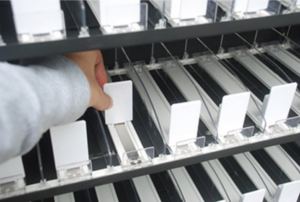
Nova-day offers the Gravity Shelf Roller Track System. This system uses rollers and gravity to move products to the front of the shelf. You do not need to push items forward by hand. The shelf roller track works all day, every day, keeping shelves neat and products easy to reach.
| Feature/Benefit | Description |
|---|---|
| Durable materials | Made from PET and high-quality plastics, extending lifespan. |
| Resistance to bending | Maintains integrity even with frequent movement. |
| Less wear-and-tear | Outperforms traditional static shelves in durability. |
| Quick setup | Easily mounted onto existing shelves without heavy tools. |
| Flexible configurations | Adjustable for various product sizes. |
| First-in, first-out rotation | Ensures expired goods are prevented from being sold. |
| Less staff intervention | Products remain organized automatically, reducing labor needs. |
| Easy to clean | No need for constant rearranging, simplifying maintenance. |
| Fewer restocking errors | Automatically moves products forward, minimizing mistakes. |
| Cost savings | Reduces labor and cleaning costs significantly. |
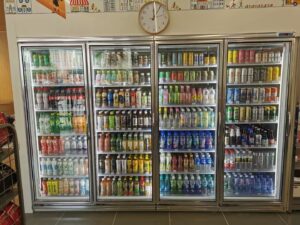
You can use the shelf roller track for drinks, snacks, dairy, and more. The system fits on most shelves, even in cold or humid places. You save time because you do not need to restock as often. Products stay visible, so customers find what they want quickly. You also lower labor costs because staff spend less time fixing shelves.
Tip: When you use Nova-day’s shelf roller track, you improve product visibility and make shopping easier for everyone.
Pusher Systems & Dividers
Pusher systems and dividers help you keep products in order. Pushers move items forward, so shelves always look full. Dividers separate products and keep them from mixing together. You can change the layout quickly when you update your planogram.
| Feature/Benefit | Description |
|---|---|
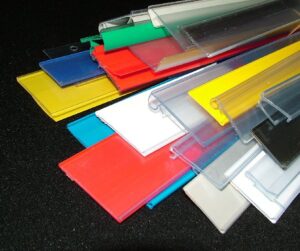
| Economical Organization | Clear dividers provide an economical approach to organize product on the shelf and promote labor savings. |
| Time Savings | Dividers easily slide left and right and lock into place, saving time and money with every planogram change. |
| Reduced Manual Adjustments | Shelf pushers automate the process of keeping products front-facing, reducing the need for constant manual adjustments by store staff. |
You spend less time fixing shelves. Staff can focus on helping customers instead of moving products. You also avoid mistakes when restocking. These systems work well for stores with many small items, like snacks or health products.
Note: Pusher systems and dividers make Store Shelf Management easier and help you save money on labor.
Data & Technology
Data and technology change how you manage shelves. You can use smart software and devices to track products and improve displays. AI and machine learning help you see which shelves need restocking. Augmented Reality (AR) and Virtual Reality (VR) train your team to set up shelves the right way. Edge computing lets you process data fast, so you fix problems quickly.
- AI and machine learning enhance visibility into shelf conditions, ensuring products are correctly placed and stocked.
- Augmented Reality (AR) and Virtual Reality (VR) are being integrated for training retail teams on optimal shelf layouts.
- Edge computing enables real-time data processing, allowing for quicker responses to stock issues.
- AI-powered predictive analytics forecast demand based on historical data and external factors, optimizing stock placement.
You can use technology to check inventory, set prices, and see which products sell best. You get real-time updates, so you know when to restock. You also reduce errors and save time.
“Gross Margin Return on Investment (GMROI) measures profit per dollar invested in inventory, helping to identify which products generate the best returns. Comprehensive reporting tracks inventory-related costs and revenue impacts, enabling data-driven decisions.”
You can choose custom AI models for full control and growth. Off-the-shelf solutions cost less at first but may cost more later. The best software grows with your business and keeps giving you good results.
- Precision in product localization and placement.
- Reduction in errors and manual labor.
- Enhanced pricing accuracy.
- Real-time on-shelf inventory insights.
You can measure your return on investment (ROI) by tracking savings and costs. For example, if software saves $5,000 each year and costs $2,000 to set up, your ROI is 150%. You should track inventory turnover, carrying costs, and time spent on manual tasks.
Modern solutions help you make Store Shelf Management simple, efficient, and profitable. You can use these tools to keep shelves full, reduce mistakes, and grow your business.
Inventory & Maintenance
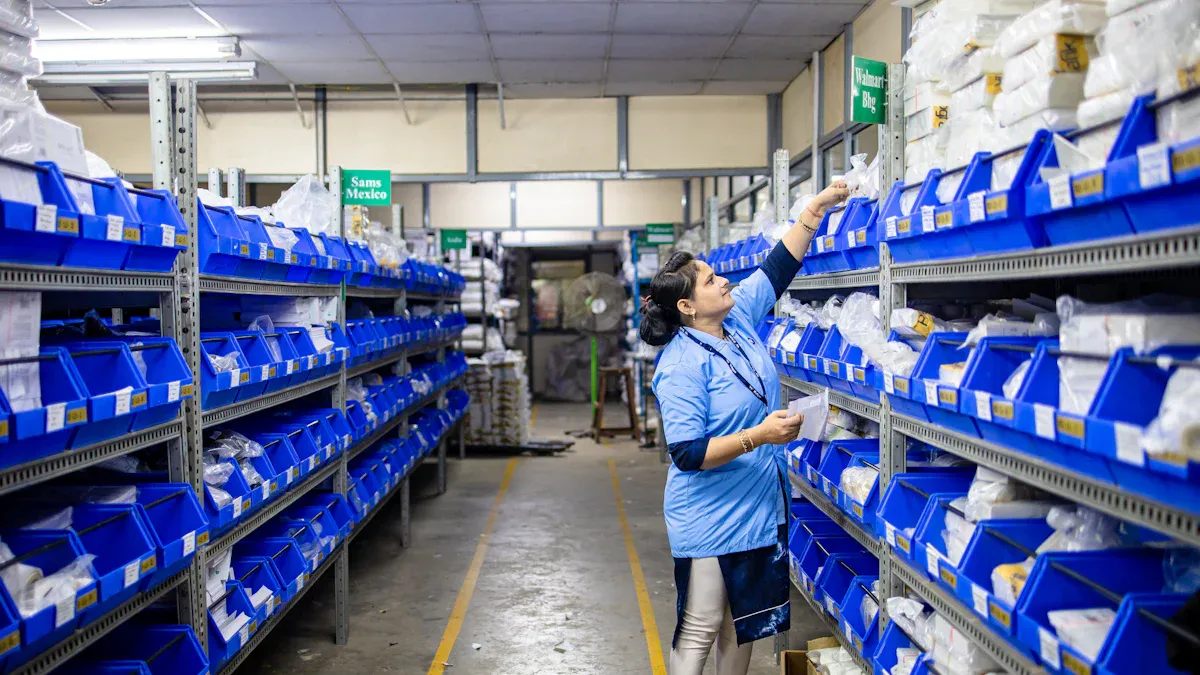
Stock Rotation
You need to rotate stock to keep products fresh and reduce waste. When you move older items to the front and place new stock behind, you make sure customers get the freshest products. This practice helps you avoid spoilage and costly write-offs. It also frees up shelf space and keeps your inventory moving. Customers notice when products are fresh, and they trust your store more. Proper stock rotation means you sell items before they expire, which improves your bottom line.
| Benefit | Description |
|---|---|
| Reduced Product Waste | Ensures older inventory moves first, preventing spoilage and costly write-offs. |
| Improved Product Freshness | Retailers receive well-rotated stock, enhancing customer satisfaction and brand perception. |
| Optimized Inventory Turnover | Healthy rotation reduces overstocking and frees capital tied up in aging inventory. |
Shelf Audits
Shelf audits help you check if products are in the right place and if shelves look neat. You can use mobile apps or inventory systems to make this job easier. Audits let you spot empty spaces, wrong prices, or misplaced items. When you plan your audit, pick a team, set clear goals, and review the results. This process helps you keep shelves full and organized, which leads to better sales.
- Plan the objectives.
- Select the team.
- Set the goals.
- Conduct the audit.
- Review and prepare the report.
Tools like CRM software and sales monitoring systems help you track what works best. Regular audits mean you catch problems early and fix them fast.
Cleanliness
A clean store makes a big difference. Customers feel welcome and safe when shelves are tidy and dust-free. Clean shelves show you care about quality and customer health. Most shoppers spend more time in stores that look clean and organized. They also trust your brand more and are likely to return. Messy shelves can drive customers away and hurt your sales.
| Impact of Cleanliness on Customer Perception and Sales | Description |
|---|---|
| Welcoming Atmosphere | A clean store creates an inviting environment that encourages customers to stay longer and explore. |
| Trust Enhancement | Cleanliness signals that a business cares about customer welfare, establishing immediate trust. |
| Increased Dwell Time | Customers spend more time in clean environments, which correlates with higher purchasing behavior. |
| Enhanced Conversion Rates | Comfort in clean spaces encourages customers to complete purchases rather than abandon their shopping. |
You should make cleanliness a daily habit. When you combine good stock rotation, regular audits, and clean shelves, you get the best results from Store Shelf Management.
Continuous Improvement
Continuous improvement helps you keep your store running at its best. You can use simple steps to make sure your shelves always look great and your customers stay happy.
Staff Training
You need a well-trained team to keep your shelves in top shape. Training programs teach your staff how to organize shelves, rotate stock, and handle products safely. These programs also show your team how to measure shelf space, use planograms, and set up displays for promotions. When your staff learns these skills, they can prevent stockouts and keep your store looking neat. You can also offer custom training to help your team stay ready for changes in the retail world.
- Teach shelf organization and stock rotation.
- Show how to use planograms and set up displays.
- Practice safe handling and inventory checks.
- Update training often to match new trends.
Tip: Regular training keeps your team sharp and ready to handle any challenge.
Performance Metrics
You can measure how well your Store Shelf Management works by tracking key metrics. These numbers help you see what is working and what needs to change. Use the table below to understand the most important metrics:
| Metric | Description |
|---|---|
| On-Shelf Availability (OSA) | Shows how often products are available for customers. |
| Share of Shelf (SOS) | Measures how much shelf space your brand uses. |
| Planogram Compliance Score | Checks if products match the planned layout. |
| Pricing Accuracy | Makes sure shelf prices match system prices. |
| Display and Promo Compliance | Tracks if displays and promotions follow the plan. |
Check these metrics often to spot problems early and keep your store running smoothly.
Adapting to Trends
You must stay flexible to keep up with new trends and customer needs. Use real-time data to adjust product placement and displays. Try creative setups and seasonal themes to catch shoppers’ attention. Listen to customer feedback and train your team to respond quickly. You can also use technology, like electronic shelf labels and RFID tracking, to get real-time updates and reduce errors.
- Review competitor strategies to stay ahead.
- Update displays for holidays and special events.
- Use customer feedback to improve shelf setups.
Note: Continuous improvement means you always look for ways to make your store better. Small changes can lead to big results.
You can boost your store’s results by using proven Store Shelf Management strategies. The table below shows how real-time stock monitoring, demand forecasting, and shelf optimization lead to better sales and happier customers. Nova-day’s shelf roller track fits these methods by keeping products visible and easy to reach. Review your current setup, train your team, and check your progress often. Explore modern solutions to keep your shelves ahead of the curve.
| Strategy | Benefit |
|---|---|
| Real-time Stock Monitoring | Fewer manual checks |
| Demand Forecasting | Higher sales, less overstock |
| Shelf Placement Optimization | Better product visibility |
| Customer Experience Enhancement | More repeat visits |
FAQ
What is the main goal of store shelf management?
You want to make products easy to find and buy. Good shelf management helps you use space well, boost sales, and keep customers happy.
How does Nova-day’s shelf roller track help my store?
Nova-day’s shelf roller track keeps products at the front of the shelf. You save time on restocking. Shoppers see items clearly and can grab what they need fast.
Can I use shelf roller tracks in cold or humid areas?
Yes! You can install Nova-day’s shelf roller track in cold, chilled, or humid environments. The system works well for drinks, dairy, and frozen foods.
How often should I check and clean my store shelves?
You should check and clean shelves every day. Clean shelves look better and help you spot problems early. Customers trust stores that look neat and tidy.