Skip to content

You run a small store. You keep pushing products forward. Your aisles look messy. Customers walk away. You lose sales. You waste time. This feels frustrating.
What if one simple tool could fix this? Retail shelf pushers keep your products organized. They move items forward on their own. Your display stays neat. You get better product visibility. This retail solution saves you time. It boosts how fast you restock. The right shelf pusher systems help small stores compete in a busy market.
Learning about these retail solutions starts here. You will learn how a shelf pusher system improves product visibility. You will see how it improves visibility in every aisle. You will understand how this product increases sales. You will find practical tips for your store. This knowledge helps you make smart choices. Your store becomes more organized. Your customers find what they need. You save valuable time each day.
Key Takeaways
- Shelf pushers keep products tidy and easy to see, which can raise sales by as much as 30%.
- They cut restocking work by up to half, so staff have more time to help customers.
- Choose spring-loaded pushers for light items, and choose gravity pushers for heavy items that are the same size.
- Measure the depth of your shelves and adjust the pusher width so it fits your store layout perfectly.
- Nova-day makes strong, low-cost pushers with settings you can change to fit small stores.
Understanding Shelf Pusher Systems
What Are Shelf Pushers and How Do They Work?
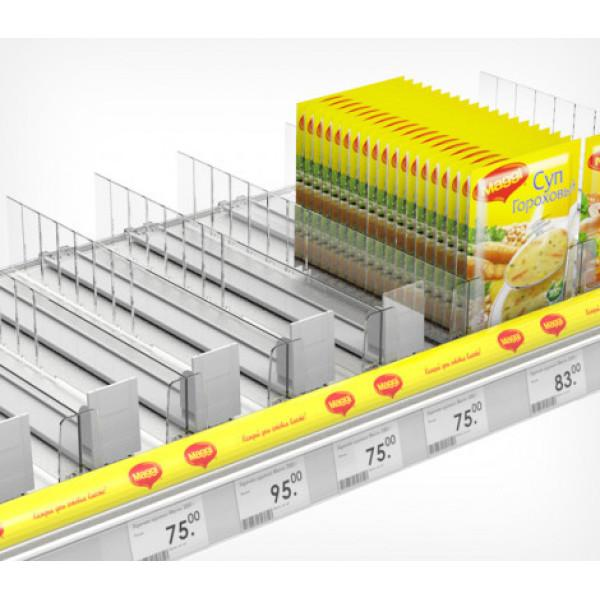
A shelf pusher system uses a spring or gravity to work. It moves items to the front of the shelf on its own. This keeps your display neat without you having to do anything. You don’t need to push items forward by hand anymore. This easy tool changes how your shelves look and work.
The system has a spring that sits between the front and back rails. When you put items on the shelf, the spring stores energy. When a customer takes an item, the spring releases that energy. The pusher plate then slides forward along the track. This moves the remaining items to the front edge. The process happens again and again, so your shelves stay full and tidy. It works for many products, like drinks and snacks. It’s a dependable system that makes your store look better and run smoother.
Key Benefits for Small Retailers
Shelf pusher systems help small stores in many ways. You spend less time fixing and facing products. The system can cut the hours you spend on shelf upkeep by half or more. This gives your staff more time for important tasks. The system pays for itself over time, and it can last for 9 years or more. This tool improves your store’s look and feel. It offers a simple way to keep shelves stocked and neat. A shelf pusher system keeps products looking the same every time. It’s a smart choice for your store.
The system also makes products easier to see. It shows 100% of each item at the front of the shelf. This helps customers find what they want and speeds up online orders. The system’s special slide and lock feature moves groups of items at once, so you touch each item less. This helps your store sell more and look better. Shelf pusher systems fit many shelf sizes. They help you keep your store organized. They work for all kinds of products. These tools are strong and last a long time. You can fit more products in the same space.
Why Small Retailers Need Shelf Pushers
Your store deals with daily pressure. You have few staff to restock shelves. Narrow aisles cause clutter that bothers shoppers. Products get buried in the back because of poor display. These issues waste your time and cost you money. Shelf pushers fix these problems.
Overcoming Space Constraints and Disorganization
Small stores have tight spaces and constant mess. You have limited shelf space, but you need to show enough products. Restocking often breaks your work flow. Messy shelves make customers leave when they can’t find items. The table below shows how these problems affect your store and how shelf pushers help.
| Challenge | Impact | How Shelf Pushers Solve |
|---|---|---|
| Limited staffing | Fewer people to restock and face shelves | Automates product facing, reducing labor needed |
| Narrow aisle space | Clutter and difficulty browsing | Neat rows prevent clutter, maximize space utilization |
| Inconsistent merchandising | Products get buried or overlooked | Keeps all items visible and front-facing |
A shelf pusher system does the facing work for you. The spring-loaded design pushes items forward after each sale. You don’t need staff to fix every row by hand. This saves time for restocking and facing. Stores using these systems can cut shelf maintenance time by up to 50%. Your team can help customers instead of fixing shelves.
The system also uses shelf space better. Products stay neat and tight, so you can fit more items in the same area. This better use of space means you show more products without adding shelves. The self-moving part helps with stock rotation. Older items come to the front on their own, which supports first-in, first-out stock management. Your shelves stay neat with little work.
Boosting Sales Through Better Product Presentation
Well-organized shelves do more than look good. They bring real results. Neat displays can raise sales by up to 30%. Products that look nice make people buy on impulse. Customers trust a store that seems clean and professional.
Better product visibility changes how shoppers use your display. When items are at the front and easy to reach, customers shop easily. They don’t dig through messy shelves. Less searching means less frustration. A happy experience makes customers come back and tell others.
The reason behind this is important too. When products are lined up neatly, customers think they are higher quality. This small cue leads to more sales and brand loyalty. A nice store layout also brings in more people and makes them look at more aisles. Your shelf organization plans directly affect how customers act.
Shelf pushers provide these benefits with simple parts. The spring system keeps every product visible and easy to get. You get steady display without constant watch. This efficiency gives better sales and a nicer shopping experience. For small stores, these tools offer a practical way to compete with big stores. The cost pays back through saved labor and more money made.
Enhancing Product Visibility with Pushers

Which Products Benefit Most from Pusher Systems
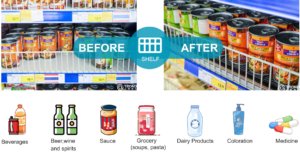
Some types of products work best with a shelf pusher system. Focus on small, even-sized items. Drinks are a good fit. Cans and bottles under 20 ounces move well through the system. Candy bars, protein bars, and chocolate bars also work well. Health and beauty items like deodorant, toothpaste, and face wipes respond well to the spring. Snack bags and chip bags stay neat with the right spring tension. Deli, dairy, and packaged produce benefit from the constant forward push. Even freezer items and fresh herbs stay in place with a good design.
The results show real numbers. Stores see a documented 18-22% sales increase in many retail areas. You also get a 40% drop in restocking labor costs. The system boosts impulse buys by making products easier to see. Customers buy more items per trip because they can find what they want easily. A grocery chain gives a clear example. Messy drink shelves caused frequent restocking and poor order. The store put in gravity-based pushers to keep bottles at the front. Customers noticed the neat look. The display led to a 20% increase in drink sales. This story shows how a simple change can improve your results.
Plan your placement carefully. Put your shelf pusher system in busy areas. Use cross-merchandising by pairing items that go together. Put chips near dips to get people to buy both. The system works well with odd shapes. Back rail stabilization keeps uneven items in place. The locking mechanism stops items from getting stuck. These solutions help you keep a neat store.
Material Quality and Durability Considerations
The quality of materials decides how long your shelf pusher system lasts. You need to pick the right materials for your store. Different plastics have different durability. PET is the most durable with a 5-star rating. It gives great strength for busy and visible areas. ABS comes next with a 4-star rating. It offers strong impact resistance. PP has a 3-star rating for lighter use. Match the material to your product weight and store traffic.
Metal parts make the system stronger. 301 stainless steel works well for rails and dividers. It resists rust and lasts through heavy use. Aluminum gives a light option with good durability. Good makers test these materials well. They do salt spray, hardness, and fatigue tests. These tests make sure the parts last for years. These material choices give you a long-lasting system for your store.
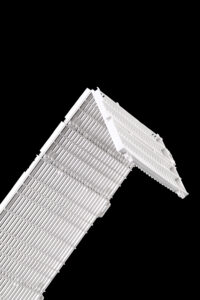
Nova-day’s Beverages Organizer Pushers Glide shows good material choices. It has a strong aluminum fastening rail. This rail gives secure alignment and easy setup. The system uses high-quality strong plastic for the main body. Self-adjustable wire dividers fit different bottle and can sizes. The width changes in three steps for different shelf setups. The housing supports two angles. A 90-degree vertical option works for normal setups. A 70-degree slanted option improves how products look on higher shelves. The slanted angle gives better view of all items on the shelf. A slight 2-degree tilt inside the housing tilts products toward customers. This feature makes it easier to reach items on lower shelves. The system gives a well-organized display through its design.
Think about stainless-steel divider options for heavy use. Two stainless-steel springs give strong durability. The right material choice saves you money over time. You replace systems less often. Your store keeps a professional look. Your customers see a reliable display that fits quality products.
Spring-Loaded vs. Gravity Pushers
When you pick a shelf pusher system, you have two main choices. Each type works in its own way. Each type fits different needs. Knowing the differences helps you choose the right solution for your store.
Pros and Cons of Spring-Loaded Pushers
Spring-loaded pushers use a coiled spring to move items forward. They work well for small, light items. Candy bars, lip balms, and snack packs move easily with these systems. The spring gives steady pressure. This pressure keeps products lined up and facing forward.
Setup is easy. You attach the track to your shelf. You put the spring mechanism inside. You load your products. The system works right away. You can change the width to fit different shelf sizes. This flexibility makes spring-loaded pushers a common choice.
Cost matters for small stores. Spring-loaded pushers cost less at first. You spend less money upfront. But upkeep costs are higher. The spring wears out over time. You may need to replace parts more often. The table below shows the cost comparison.
| Cost Factor | Spring-Loaded Pushers | Gravity Roller Shelves |
|---|---|---|
| Initial Investment | Lower | Higher |
| Maintenance Cost | Higher | Lower |
| Replacement Frequency | Moderate | Low |
| Long-Term ROI | Good | Excellent |
Spring tension matters for product weight. Light items need 2N to 4N of tension. Heavier items need 10N to 15N. You must match the tension to your product. If not, items may not move forward well.
Pros and Cons of Gravity Pushers
Gravity pushers use a simple idea. They use a slight slope to slide products forward. This design works best for heavier, same-sized items. Drink coolers, dairy products, and canned goods move well on gravity systems.
The setup needs more care. You must check shelf strength first. You need to see if the material works. The slope angle must be correct. Follow these steps for proper setup:
- Check shelf strength and material compatibility before mounting.
- Connect rails and rollers securely.
- Line up the track with shelf edges and test product flow.
- Adjust the slope and add dividers as needed.
- Fix problems like misalignment or products getting stuck.
Gravity systems cost more at first. The upfront cost is higher. But they give great value over time. Upkeep costs stay low. Replacement happens less often. For busy settings, gravity solutions give better returns over time.
Your choice depends on your products and shelf setup. Light items work best with spring-loaded systems. Heavy, same-sized products work well with gravity designs. Think about your store’s needs. The right shelf pusher system improves your display and saves labor time. Both options give solid retail solutions. Your choice affects how smoothly your shelves work.
Choosing the Right Size and Customization
Sizing for Standard Shelving Units
Measuring your shelves correctly prevents costly mistakes. Start with the depth of your shelf. Most standard retail shelving units run 12 or 13 inches deep. You need a pusher that fits within that space. Measure from the front edge to the back wall. Write down the width too. This number tells you how many pusher lanes you can fit side by side.
Many small retailers choose deep shelves “just in case.” This choice wastes space. Deep shelves narrow your aisles. They lower your per-square-foot performance. A convenience store using 24-inch shelves may end up with cramped aisles and unused back space. Match your shelf depth to your largest common product plus a small buffer. This approach keeps your store comfortable and functional.
Aisle width matters too. Deeper shelves need wider aisles. Use this guideline: aisle width should be at least 1.5 times your shelf depth. For recommended comfort, aim for 2 times the depth. Ignoring this rule creates tight spaces that frustrate customers.
Do not use one depth for all categories. Small products in deep shelves waste valuable space. Large products in shallow shelves simply do not fit. Use mixed depths for better results. Choose 12 inches for cosmetics, 18 inches for snacks, and 24 inches for beverages. This strategy maximizes your available space and improves your shelf organization.
Customizing Pushers for Unique Store Layouts
Your store layout may not match standard sizes. Adjustable shelf pusher systems solve this problem. Many systems allow lane width changes to fit different products. Some models front a wide assortment of shapes, sizes, and weights. Others offer adjustable lane width for maximum flexibility.
The customization options go beyond width. You can adjust divider rails per lane. Pushers come in widths ranging from 25mm to 100mm or more. For height and weight, lighter products use smaller spring tension. Heavier items like glass jars need stronger spring resistance or reinforced base plates.
Nova-day’s Beverages Organizer Pushers Glide offers practical customization. The width adjusts in three stages. This feature fits various shelf configurations. The housing supports two angles. A 90-degree vertical option works for standard displays. A 70-degree slanted option improves product visibility on higher shelves. The system also includes a slight 2-degree inclination inside the housing. This tilt angles products toward customers. It makes items easier to reach on lower shelving units.
These adjustable features give you flexibility without extra cost. You can reconfigure your display as your product mix changes. This adaptability makes a shelf pusher system a smart investment. You get retail solutions that grow with your business. The right customization turns any layout into an efficient selling space. Your shelves stay organized, your products stay visible, and your customers find what they need quickly.
Top Retail Shelf Pusher Providers for 2026
Leading Brands and Their Unique Selling Points
The market has many well-known brands for retail shelf pushers. POS Tunning from Germany makes systems with precise engineering. They focus on European retail standards. Their products have sleek designs and reliable spring parts. Werba Plast, also from Europe, makes modular systems that can change. You can adjust their pushers as your products change. Joalpe has many years of experience in shelf management. Their systems work well in grocery and convenience stores. Trion Industries has a large catalog with options for almost every product type. They focus on durability and easy setup. iSee Store Innovations LLC makes new designs that look good and set up fast.
Each brand has its own strengths. Some focus on top-quality materials. Others care more about flexibility. A few offer cheaper options. Your choice depends on what you need. Think about product weight, shelf depth, and how many customers you have. The right brand fits your store’s reality.
Nova-day: A Cost-Effective Solution for Small Stores
Nova-day is a top manufacturer in China. The company has made retail display products since 2012. They use plastic injection and extrusion skills along with a focus on new ideas. This mix gives high-quality, long-lasting shelf pusher systems at good prices. For small stores, this value is very important.
You can see how Nova-day’s systems save money when you look at daily work. Restocking by hand takes a lot of labor. A shelf pusher system cuts that work a lot. It also makes things more consistent. Manual facing changes from one shift to the next. A mechanical pusher keeps products in line every time. Think about the time. Manual restocking takes 10 to 15 minutes per aisle. With a shelf pusher system, you only need under 2 minutes for a quick check. Planogram rules also get better. Manual methods often break the rules. A shelf pusher system keeps them automatically.
The numbers back up these benefits. Units sold per facing per day went up from 1.8 to 2.3. Stock-out rate fell from 7% to 2%. Pick errors per week dropped from 14 to 6. Dairy sales increased by 20%. Restocking time improved by 30%. These numbers show real results for stores that use this technology.
Nova-day’s Beverages Organizer Pushers Glide shows their approach. The system has an easy-release front lock. This lets you move it quickly without hand adjustments. Self-adjustable wire dividers fit different bottle and can sizes. The width changes in three steps. This flexibility works for different shelf setups. The housing supports two angles. A 90-degree vertical option works for standard displays. A 70-degree slanted option makes products easier to see on higher shelves. A small 2-degree tilt inside the housing points products toward customers. This design makes items easier to grab on lower shelves.
The system works well in refrigerated counters, stores, and homes. Its strong build lasts a long time. You get a good investment that pays back through less labor and more sales.
Nova-day’s focus on new ideas and happy customers makes them a trustworthy partner. They work with importers and wholesalers to make custom products. Their focus on long-term relationships means they know your problems. For small stores looking for practical solutions, Nova-day is a great choice. Their shelf management system mixes quality, durability, and low cost. You get a professional display without spending too much.
Shelf pusher systems deliver real value for small retailers. You gain improved product visibility, better space use, and faster restocking. These retail solutions turn messy shelves into organized displays that attract customers and boost sales.
Choose your system carefully. Match spring-loaded or gravity designs to your product weight. Measure shelf depth before buying. The right fit maximizes efficiency and keeps your store looking professional.
Nova-day offers durable, cost-effective options. The Beverages Organizer Pushers Glide features adjustable dividers and dual housing angles. This shelf pusher system works for many retail environments.
Ready to transform your shelves? Explore Nova-day’s range of shelf pusher systems today and give your store the competitive edge it deserves.
FAQ
How much time can a shelf pusher system save my staff?
A shelf pusher system cuts restocking labor significantly. Manual facing takes 10 to 15 minutes per aisle. With a pusher system, you only need under 2 minutes for a quick check. That frees your team for customer service and other tasks.
Will shelf pushers work with my existing shelves?
Most standard retail shelving units measure 12 or 13 inches deep. You measure your shelf depth from front edge to back wall. Then you select a pusher that fits that space. Many systems offer adjustable widths, so they adapt to your current setup without major changes.
What types of products work best with pusher systems?
Small, uniform items work best. Beverages, snack bags, candy bars, cosmetics, and medicine all respond well. The spring tension must match your product weight. Light items need 2N to 4N of tension. Heavier items need 10N to 15N. Choose accordingly for smooth movement.
How do I choose between spring-loaded and gravity pushers?
Spring-loaded pushers suit small, lightweight items. They offer consistent pressure and easy installation. Gravity pushers work better for heavier, same-sized products like canned goods. They require a slight incline. Consider your product weight and shelf configuration before deciding.
Are shelf pusher systems worth the investment for a small store?
Yes. Stores report an 18-22% sales increase in many retail areas. Restocking labor costs drop by 40%. The system pays for itself through saved time and increased revenue. Durable materials last for years, making this a cost-effective retail solution for your store.