Christmas Stock Replenishment means restocking store shelves and supply centers fast.
Do this during the holiday shopping surge.
Your main goal keeps products ready to buy.
This avoids expensive stockouts and overstock risks.
How can your store keep products ready?
How do you run smooth store operations?
Do this during big demand spikes.
Every missing item hurts your profits.
| Consumer Action | Percentage of Shoppers |
|---|---|
| Switch brands or shop at a rival retailer | 70% |
Empty shelves make shoppers switch brands quickly.
Or they buy from your competitors instead.
Good inventory work protects your market share.
It also brings in maximum holiday money.
Key Takeaways
- Plan holiday stock months early.
- Early planning secures factory slots.
- It also stops shipping delays.
- Use past data with live sales.
- This mix prevents empty shelves.
- It also avoids extra stock.
- Use smart inventory systems.
- They automate your reorders fast.
- Tracking tools adjust safety buffers.
- This action stops stockouts quickly.
- Install auto-pushers and digital shelf labels.
- These store accessories speed up restocking.
- They also reduce pricing errors.
Understanding Christmas Stock Replenishment

Defining Seasonal Inventory Replenishment
Seasonal inventory replenishment aligns your supply chain. It matches predictable holiday demand spikes. You move products into distribution hubs. You also restock store shelves quickly. Do this at exact peak moments. Successful Christmas Stock Replenishment uses three steps:
- Pre-Season Allocation (Push): You send out initial stock first. Base this on early demand forecasts. This ensures strong store displays early. It keeps items ready at launch.
- In-Season Replenishment (Pull): You shift inventory continuously. Real-time sales data drives these moves. This matches active customer shopping trends.
- End-of-Season Allocation (Push): You rebalance your remaining stock strategically. Final distribution clears seasonal goods fast. This step prevents leftover inventory problems.
Doing these steps well maintains product availability. It keeps stock moving smoothly. It protects your backroom space from clutter.
The High Cost of Holiday Stockouts and Overstock
Bad inventory control harms your holiday profits. Stockouts cause instant lost sales revenue. They also frustrate your eager shoppers. Unhappy buyers switch to rival stores. You lose those sales forever.
Key Takeaway: Holiday stockouts break customer trust, while excess inventory drains your cash flow immediately after the peak season ends.
Too much stock creates big operational problems. Extra goods clog warehouse spaces fast. They trap your key working capital. You must use deep price discounts later. These markdowns clear out deadstock items. Deep discounts destroy your profit margins. Balance stock availability with inventory holding costs. This smart balance brings holiday success.
Peak Season Demand Forecasting Strategies
Accurate demand forecasting protects your store.
It helps during the Christmas rush.
Predict shopping habits early on.
Do this weeks before stores get busy.
Modern tools use past sales data.
They also use smart stock models.
This brings in the most money.
Analyzing Historical Sales and Market Patterns
Avoid stock errors using predictive analytics platforms.
Smart systems study old sales patterns.
They look at past holiday sales spikes.
They check prices and buyer types.
You get exact store forecasts.
These cover individual product lines too.
💡 Tip: Modern predictive tools replace manual guesswork, turning raw store data into precise purchasing schedules.
- Data Integration: Mix old sales data with real-time POS data. Add current market trends.
- Granular SKU Prediction: Review past sales data. Predict demand for exact sizes. Check top colors and materials.
- Proactive Supply Chain Management: Find long-term trends early. Adjust buying plans fast. Move store inventory wisely. Trigger automatic stock replenishment.
Balancing Push and Pull Replenishment Models
Mix push and pull stock methods.
This creates a strong supply chain.
You push initial stock into stores.
This builds full displays before shoppers arrive.
Then, pull inventory using real sales.
This refills empty store shelves fast.
- Categorize Products by Demand: Push steady, top-selling goods. Use pull methods for trend-sensitive items.
- Adapt to Market Uncertainty: Use pull mechanics to stop overstocking. Use push tactics for stable sales.
- Establish a Flexible Supply Chain: Work with suppliers for fast restocks. Set up warehouses for big shipments.
- Implement Advanced Technology: Use stock tracking tools to set reorder points. Improve demand forecasting to stop stockouts.
You can use hybrid logistics setups:
| Hybrid Strategy Model | Operational Mechanism |
|---|---|
| Push-pull (Semi-push) | Fulfills real-time demand from existing stock, letting inventory deplete before scheduled periodic replenishment. |
| Pull-push (Semi-pull) | Fulfills customer orders directly from stock and immediately triggers a small production run to replace sold units. |
| Hybrid Framework | Uses forecasted schedules for core mass production (push) alongside flexible runs to handle unexpected demand surges (pull). |
| Push and Pull | Mass-produces and holds core components in advance (push), completing final assembly only after orders arrive (pull). |
Accounting for Promotional Spikes and Lead Times
Holiday sales events create fast demand surges.
Black Friday and Cyber Monday speed sales up.
Flash sales clear out products quickly.
Include ad campaigns in restock plans.
Peak season causes longer supplier lead times.
December shipping routes get very crowded.
Extend your order lead times early.
Set dynamic reorder points to avoid delays.
This planning keeps sales running smoothly.
Real-Time Inventory Tracking and Reorder Points

Busy holiday shopping tests store work every hour.
Do not use manual counts during peak sales.
Thousands of buyers clear store shelves very fast.
Real-time inventory tracking shows stock across all channels.
Spot missing items fast using live data tools.
Move goods where buyers want them most.
Automating Reorder Points with ERP and MRP Systems
Modern ERP and MRP systems stop order mistakes.
They link store sales with warehouse stock continuously.
An item sells in stores or online.
Your central system updates stock numbers immediately.
Automated reorder triggers create purchase orders fast.
They fire when stock dips below set limits.
Cut operational delays to beat competitor orders quickly.
Pick smart tracking tech for peak season success:
| Technology | Tracking Mechanism | Inventory Accuracy Rate |
|---|---|---|
| RFID Platforms | Automated, hands-free bulk identification via UHF tags without line-of-sight requirements | Above 99% |
| Warehouse Management Systems (WMS) | Perpetual inventory records updated immediately across receiving, picking, and shipping | 98% to 99% |
| Barcode Scanning Systems | Automated capture eliminating manual entry errors during transactions | 97% to 99% |
Using these systems keeps your data accurate everywhere.
Keep good stock levels in stores and warehouses.
Do all this work without manual staff review.
Calculating Dynamic Safety Stock Buffers
Fixed safety stock levels fail during holiday rushes.
Static numbers leave you open to supply delays.
They also fail during sudden viral shopping trends.
Adjust your safety cushions using live market data.
Smart systems update safety stock using math metrics:
- Measuring Demand Volatility: Statistical metrics such as standard deviation and the coefficient of variation evaluate fluctuations in customer purchasing behavior over specific intervals.
- Tracking Lead Time Variance: Supplier dependability is quantified by measuring the standard deviation of historical delivery times to evaluate inventory risk.
- Dynamic Adjustment: Real-time inputs, including point-of-sale updates and supply chain conditions, continually recalibrate safety stock buffers based on these metrics.
Dynamic Safety Stock adjusts mathematically using the forecast-integrated calculation: $\text{Safety Stock} = Z\text{-Score} \times \sqrt{\text{Lead Time} \times \text{Forecast Variance}}$. This combines demand prediction errors with delivery timelines to align buffer inventory with future demand risks.
Updating buffers automatically stops stockouts on popular items.
Hold enough stock to absorb sudden sales spikes.
Avoid tying up cash in extra stock items.
Implementing Just-in-Time Top-Off Strategies
Just-in-Time top-offs save key store shelf space.
Huge shipments block stockrooms and store aisles daily.
Instead, schedule tiny restocks throughout shopping hours.
- Monitor Hourly POS Velocity: Track real-time sales speed to identify rapidly depleting SKUs before shelves go empty.
- Stage High-Velocity Goods nearby: Store top-selling seasonal items in staging areas close to the sales floor for instant access.
- Execute Off-Peak Restocking: Schedule targeted shelf refills during low-traffic operational windows to maintain clear, safe aisles for shoppers.
Top-offs keep goods ready during heavy holiday traffic.
Raise sales total while keeping stock spaces neat.
Merchandising Systems to Streamline Christmas Stock Replenishment
Crowds messy store displays fast.
Smart systems keep displays neat.
They speed up shelf restocking.
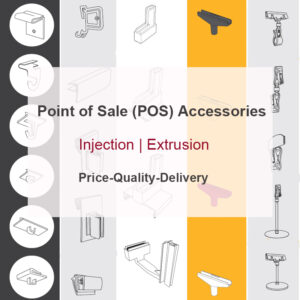
Optimizing Shelf Space with Point of Sales Accessories
Save shelf space using special tools.
Get them from Hangzhou Novaday.
They keep shelves neat every day.
- Shelf Pushers and Dividers: Springs push goods forward fast. Clear dividers separate items neatly.
- Shelf Rolling Systems: Roller mats glide items forward. They make Christmas Stock Replenishment easy.
- Shelf Data Strips: Strong price tags fit shelves. They hold price info well.
💡 Efficiency Tip: Auto pushers save staff time. Workers restock fast-selling items instead.
Accelerating Price Updates using ESL Fittings
Holiday sales need fast price updates.
Update thousands of tags fast.
Novaday ESL Fittings hold digital tags.
| Feature | Operational Benefit |
|---|---|
| Universal Rail Compatibility | Fits Tegometal, HMY, and Wanzl. |
| Durable PC Material | Stops damage from shoppers. |
| Adjustable Display Angles | Helps shoppers see prices clearly. |
Strong mounts protect digital tags well.
They help Christmas Stock Replenishment work.
Boosting High-Velocity Sales via POP Pricing Systems
Bright signs grab shopper eyes fast.
Novaday POP Pricing Systems drive sales.
Put magnetic holders on steel frames.
Attach sign holders to shelf rails.
Hang clip strips in empty aisles.
Clear signs show quick sales fast.
They sell stock and protect profits.
Post-Holiday Inventory Evaluation and Strategy Audit
Audit inventory work right after holiday rushes. Fast checks protect your leftover cash. They prepare stores for future peak seasons.
Reconciling Post-Peak Inventory Levels
Match physical store stock with warehouse data. Count unsold goods across stores and hubs.
- Identify Inventory Discrepancies: Check store counts against ERP data. Spot loss or stock tracking errors fast.
- Calculate Sell-Through Rates: Compare true unit sales with initial forecasts.
- Free Up Storage Space: Shift seasonal goods away from main floors. Make room for everyday store items.
Key Takeaway: Quick stock matching ends holding fees. It frees cash for early spring buys.
Managing Holiday Returns and Deadstock Clearance
Holiday returns flood shipping centers in January. Use good reverse logistics steps. Recover item value and clear deadstock fast.
| Reverse Logistics Strategy | Operational Mechanism | Margin Loss Mitigation Effect |
|---|---|---|
| Rapid Real-Time Triage | Sort returns fast for restock or liquidation. | Speeds decisions to save product values. |
| Tiered Discounting | Set price markdowns using item demand. | Shields item profits while clearing slow goods. |
| Strategic Product Bundling | Pair slow holiday deadstock with top sellers. | Raises item value to sell extra stock. |
Handle returned goods using item conditions:
- Primary Restocking: Place clean Grade A items back fast. Recover cash on good stock items.
- Kitting & Refurbishment: Fix or re-pack Grade B items. Turn broken goods into sellable items.
- Managed Liquidation: Sell bulk leftover items to liquidators. Cut long-term storage space costs.
Refining Supply Chain Workflows for Next Year
Study holiday data to fix supply chains. Review key operational stats to stop delays.
| Audit Category | Post-Holiday KPIs | Strategic Impact on Future Planning |
|---|---|---|
| Operational Performance | Order accuracy, SLA goals, system downtime | Shows growth capacity during peak sales. |
| Inventory Control | Sell-through rate, GMROI, forecast accuracy | Fixes future demand forecasting and costs. |
| Labor Cost Efficiency | Peak order labor cost vs average | Fixes seasonal hiring and training plans. |
Review stats with your core team. Tweak supplier lead times and safety stock. Improve future peak season sales strategies.
Winning seasonal retail needs smart planning.
Predict shopper demands early.
Use automated reordering systems.
Set dynamic safety stock.
Build organized visual displays.
Unify your initial planning.
Ship items to shelves directly.
This brings centralized control.
Audit post-peak work immediately.
Fix supply chain workflows.
Check your sales forecasts.
Evaluate store readiness now.
Confirm supplier capacity early.
Do this months ahead.
Master stock replenishment today.
Upgrade your inventory logic.
Equip your store sales floor.
Use Hangzhou Novaday systems now.
Maximize your holiday profits.
FAQ
When should you start planning your holiday inventory replenishment strategy?
Plan your holiday stock strategy early.
Start three or four months prior.
This secures main factory production slots.
It also prevents late delivery issues.
Crowded shipping paths cause big delays.
Set up extra stock buffers early.
Do this before store crowds arrive.
How do shelf pushers speed up floor restocking during peak retail surges?
Shelf pushers move goods forward automatically.
Items slide up as shoppers buy.
Staff saves time arranging display shelves.
Workers restock store products much faster.
This helps during busy holiday rushes.
What is the main difference between push and pull inventory models?
Push methods use old sales forecasts.
They ship out goods early on.
Pull methods track current live sales.
They trigger new orders as goods sell.
Mix both styles for best control.
This helps during big demand spikes.
Why should you adopt electronic shelf labels before the peak holiday season?
Digital price tags update costs fast.
They change store prices in seconds.
This eliminates costly pricing mistakes.
It helps during fast flash sales.
Smart tags keep store costs right.
They also save valuable work hours.
Use them on busy shopping days.