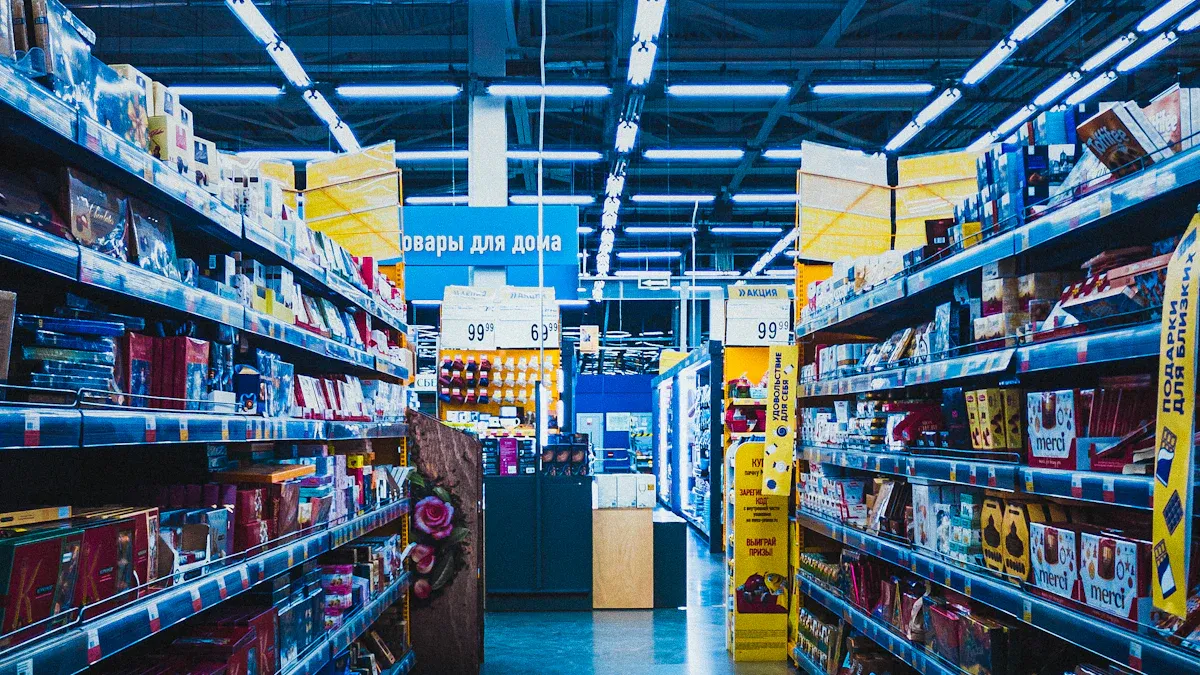
You want your business to succeed in the fast-changing retail sector. Choosing the right electronic shelf label solution can help you match your retail needs and boost performance. Digital price tags give your retail sector real-time pricing, which means you can update prices instantly and avoid mistakes. These tags help your business save labor costs and improve pricing accuracy. Shelf dividers and other accessories keep your store organized and make shopping easier for your customers. Nova-day offers advanced retail solutions, including digital price tags, POP Pricing Systems, and POS Accessories, that support real-time pricing and better customer experience.
The following table shows how digital price tags and shelf management tools benefit the retail sector:
| Benefit | Description |
|---|---|
| Pricing Accuracy | Digital price tags enhance pricing accuracy, reducing errors and discrepancies. |
| Labor Cost Reduction | Automation of price updates minimizes the need for manual labor, leading to savings. |
| Real-Time Pricing | You can adjust prices instantly to stay competitive in the retail sector. |
| Inventory Management | Real-time pricing helps maximize profit margins by matching prices to inventory levels. |
| Customer Engagement | Features like QR codes improve the customer experience and drive sales growth. |
Key Takeaways
- Electronic shelf labels (ESLs) enhance pricing accuracy and reduce errors, helping your business save time and money.
- Consider your store’s specific needs and environment when choosing ESLs to ensure they align with your operational goals.
- Budget for ESLs by factoring in the cost per label, installation, and maintenance; many retailers see a return on investment within 1 to 3 years.
- Ensure seamless integration of ESLs with your existing systems to avoid connectivity issues and maximize efficiency.
- Choose a reliable provider that offers strong support and customizable solutions to meet your long-term retail needs.
Key Factors for Retail Solutions
Store Needs and Environment
You need to start by evaluating your store’s environment and specific requirements. Supermarkets often focus on operational agility and margin sensitivity, while specialty stores prioritize branding and tailored content. The type of electronic shelf labels you choose should match your store’s pace and transformation goals. Full-graphic labels help specialty stores stand out, while supermarkets benefit from dynamic pricing and automated pricing features.
| Store Type | Focus Area | Key Features |
|---|---|---|
| Supermarkets | Operational agility | Margin sensitivity, promotional cadence |
| Specialty Stores | Branding, differentiation | Full-graphic labels, tailored promotions |
Nova-day understands these differences and offers scalable solutions that fit both large chains and niche retailers.
Budget and Cost Analysis
You must consider the cost of implementing electronic shelf labels. The price per label usually ranges from $5 to $20, depending on brand, size, and display capabilities. Larger labels tend to cost more. When you plan your budget, factor in the number of labels needed, installation, and ongoing maintenance. ESL systems generally pay for themselves in under two years, with ongoing savings from reduced labor and improved pricing accuracy. Many retailers see a return on investment within 12 to 36 months, especially when using price optimization software.
- ESLs typically cost $5–$20 per label.
- Larger labels increase the overall cost.
- Most retailers achieve ROI in 1–3 years.
Integration with Retail Systems
Integration is essential for seamless operation. You need electronic shelf labels that work smoothly with your existing POS and inventory systems. Common challenges include connectivity issues, price syncing, and employee training. Stable wireless infrastructure and user-friendly interfaces help overcome these obstacles. Nova-day’s solutions focus on easy integration and minimal disruption, supporting your transformation to automated pricing and dynamic pricing.
| Challenge Type | Description |
|---|---|
| Connectivity and Synchronization | Stable wireless and backup systems required for price syncing. |
| Employee Training | Hands-on training and intuitive interfaces encourage adoption. |
| Maintenance | Minimal upkeep, battery replacements, and software updates. |
Reliability and Support
Reliability and support play a key role in your decision. Leading providers offer robust hardware, cloud-based management, and real-time data synchronization. Nova-day stands out for its commitment to quality, innovation, and customer satisfaction. You benefit from durable products and responsive support, ensuring your system runs smoothly and enhances the customer experience.
Tip: Choose a provider that offers strong technical support and scalable solutions for long-term transformation.
Understanding Electronic Shelf Labels
Digital Price Tags Overview
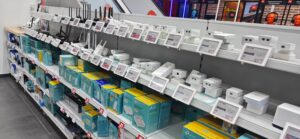
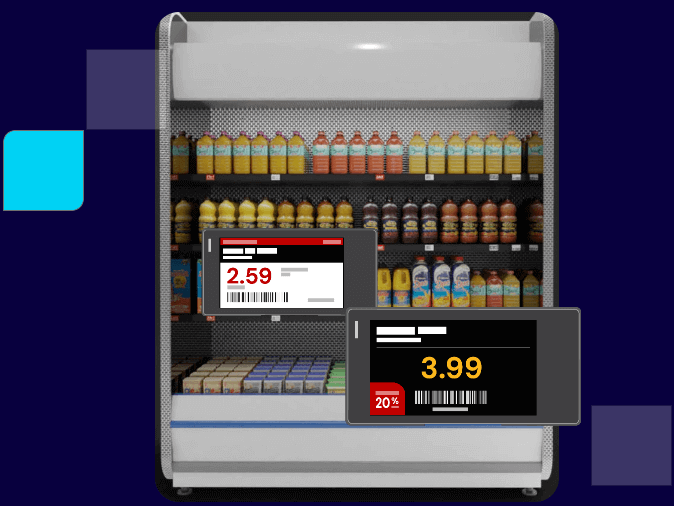
You see digital price tags in many modern stores. These tags use wireless technology to show prices and product details right on the shelf. Each tag connects to a central management system. This system sends updates to every tag, so you always display the latest prices without changing them by hand.
Electronic shelf labels use different display technologies. Some use E-paper, which looks like printed paper and saves energy. Others use LCD screens for bright and clear information. The tags connect to your store’s database through Bluetooth or WiFi. This setup lets you control prices and promotions in real time.
Here is a quick look at the main parts of these systems:
| Component/Technology | Description |
|---|---|
| Electronic Shelf Labels (ESLs) | Digital display devices used to show price information in retail settings. |
| Wireless Communication | Connects ESLs to the store’s computer database via Bluetooth or WiFi for real-time updates. |
| Central Management System | Software that processes product data and sends updates to ESLs, ensuring price consistency. |
| Display Technologies | ESLs can use electronic paper (E-paper) or LCD screens for clear visibility of information. |
| IoT and AI Integration | Enhances shopping personalization and data collection for improved retail strategies. |
Benefits for Retailers
You gain many advantages when you use electronic shelf labels. You can update prices instantly and run promotions with just a few clicks. This system reduces pricing errors and saves your staff time. You do not need to replace paper tags, which lowers labor costs and helps the environment.
Retailers have seen real results. For example, stores using these tags report a 58% drop in human errors related to pricing and inventory. You can also improve inventory accuracy and keep your prices competitive. Many stores, like Lee’s Discount Liquor and Conad Superstore, have improved efficiency and customer satisfaction with these systems.
Some key benefits include:
- Quick price updates and intelligent price changes
- Centralized control for dynamic pricing
- Enhanced operational efficiency
- Better customer experience
Tip: When you use electronic shelf labels, you give your staff more time to help customers and manage inventory.
Comparing Electronic Shelf Labels and Digital Price Tags
Leading Brands and Technologies
You see many brands competing to deliver the best electronic shelf labels for retail environments. Each brand uses unique technologies to improve dynamic pricing, pricing accuracy, and real-time updates. Nova-day’s POP Pricing Systems stand out as a leading solution, offering scalable solutions for retail display management. Other leading solutions include SES-imagotag, Pricer, Displaydata, and Hanshow. These brands focus on automation, wireless communication, and cloud-based management to support dynamic pricing and system integration.
| Brand | Technology Description |
|---|---|
| Nova-day | POP Pricing Systems with customizable display holders and accessories for retail environments. |
| SES-imagotag | Automated pricing, NFC and QR code integration, LED pick-to-light features for retail agility. |
| Pricer | Advanced wireless communication using infrared and radio frequency for secure updates. |
| Displaydata | Full-graphic e-paper ESLs with high-resolution displays and energy efficiency. |
| Hanshow | Robust wireless connectivity, cloud-based management, and sustainability focus. |
You benefit from choosing a brand that matches your store’s needs and supports dynamic pricing and pricing accuracy.
Display Types: E-Paper, LCD, More
Display technology plays a key role in retail environments. E-paper and LCD are the most common types for electronic shelf labels. E-paper displays use e-ink technology, which provides excellent visibility in bright light and consumes very little power. LCD displays offer vibrant colors and clear information but use more energy and may lose visibility at extreme angles.
| Specification | E-paper Display ESLs | LCD ESLs |
|---|---|---|
| Power Consumption | Very low | Moderate to high |
| Readability | Better in bright light | Can sacrifice visibility |
E-ink displays help you achieve real-time updates and dynamic pricing while keeping energy costs low. You improve pricing accuracy and customer experience by choosing the right display for your retail environments. Nova-day’s POP Pricing Systems support both e-paper and LCD options, giving you flexibility for special electronic shelf labels and retail display management.
Integration and Software Compatibility
System integration ensures your electronic shelf labels work smoothly with your retail systems. You need solutions that connect with your POS, ERP, and inventory management platforms. Popular software platforms include fbOS, Core Service, Aims, and SAP ERP E-Ink Label Add-On. These systems allow you to control digital price tags, automate dynamic pricing, and maintain pricing accuracy across all retail environments.
| Software Name | Description |
|---|---|
| fbOS | Controls electronic shelf labels via SubGIG system, includes standard control functions and template generator. |
| Core Service | Manages shelf edge labels in 2.4 GHz system, with Jeegy software for larger retail stores. |
| Aims | Central control for NEWTON Labels, integrates with ERP systems, available in mobile version. |
| SAP ERP – E-Ink Label Add-On | Controls digital labels directly from SAP or other ERP systems. |
Nova-day’s solutions offer seamless integration and compatibility, supporting real-time updates and dynamic pricing. You streamline retail display management and improve pricing accuracy with advanced system integration.
Operational Efficiency
Electronic shelf labels transform operational efficiency in retail environments. You reduce manual labor, minimize errors, and achieve real-time updates for dynamic pricing. Compared to traditional paper labels, ESLs automate price changes and integrate with ERP systems, improving pricing accuracy and reducing environmental impact.
| Feature/Benefit | Electronic Shelf Labels (ESLs) | Traditional Paper Labels |
|---|---|---|
| Real-time updates | Yes | No |
| Manual labor reduction | Significant reduction due to automation | High manual labor required |
| Error minimization | Low error rates due to automated updates | High potential for human error |
| Integration with ERP systems | Seamless integration for intelligent updates | Limited or no integration |
| Environmental impact | Reduces paper waste, operates on low power | Generates paper waste |
| Sorting efficiency | Enhances sorting efficiency by up to 40% | No enhancement |
You improve customer experience by providing accurate information and faster checkout times. ESLs display product price, origin, and specifications, helping shoppers make informed decisions. Real-time updates and dynamic pricing keep your store competitive and responsive to market changes. Nova-day’s POP Pricing Systems and POS Accessories support operational efficiency and scalable solutions for all retail environments.
Tip: You can boost customer satisfaction and loyalty by using electronic shelf labels that deliver accurate pricing and dynamic promotions.
Nova-day Retail Solutions and Accessories
POP Pricing Systems Features
You want a system that keeps your shelves organized and helps you manage products with less effort. Nova-day’s POP Pricing Systems offer a wide range of models, so you can choose the best fit for your retail environment. You can try new display ideas quickly, often within a week, thanks to fast prototyping. You also get to pick your own sizes and colors, making your display unique and matching your brand.
| Feature | Description |
|---|---|
| Organization | Keeps shelves neat with less work for you. |
| Range of Models | Many choices for different displays. |
| Prototyping Speed | Try new ideas quickly, often in just one week. |
| Customization | Pick your own size and colors. |
Nova-day’s POP Pricing Systems help you improve shelf management and pricing accuracy, making your store more efficient.
POS Accessories and Shelf Dividers
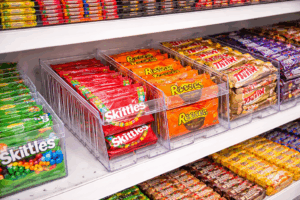
You can use POS accessories and shelf dividers to keep products organized and easy to find. These solutions make your shelves look clean and attractive, which helps customers locate items quickly. Shelf dividers and pusher trays keep merchandise front-facing, so shoppers see products clearly. You can place high-margin items at eye level, boosting visibility and sales. Organized shelves save labor time and encourage customers to return, knowing they can shop without hassle.
- POS accessories and shelf dividers help keep products organized and visually appealing.
- Shelf dividers optimize product placement, ensuring high-margin items are at eye level.
- Clean and organized shelves help customers locate products quickly.
- Shelf dividers and pusher trays keep merchandise front-facing, enhancing product visibility.
- Efficient shelf management allows customers to purchase more items in less time.
You improve customer satisfaction and increase sales when you use shelf dividers and POS accessories in your retail space.
Customization and Durability
You need electronic shelf labels and shelf dividers that last and match your store’s style. Nova-day uses innovative materials that provide strength and durability without adding bulk. Protective casings shield labels from dust, moisture, and damage, so your system stays reliable. You can personalize colors and layouts to fit your branding and design preferences. Common customization requests include rails for placing labels, adapters for versatile displays, and beepers for daily ESL operations.
| Feature | Description |
|---|---|
| Material Innovation | Innovative materials provide strength and durability without adding bulk. |
| Robust Protective Casings | Protective casings shield labels from dust, moisture, and physical damage. |
| Customization Options | Personalized color options and layouts to match branding and design preferences. |
| Accessory Type | Rails, adapters, and beepers for flexible display and daily operations. |
You get a durable and customizable solution that supports your retail goals and keeps your shelves looking great.
Special Features for Retail Environments
Freezer and Waterproof Options
You may need electronic shelf labels that work in tough conditions. Freezer sections and wet areas require labels that can handle extreme temperatures and moisture. You should look for labels with strong adhesives and waterproof ratings. These features help your system stay reliable and readable, even in cold or damp environments.
Here is a table showing the technical requirements for labels in freezer and wet areas:
| Label Type | Adhesive Type | Application Temperature Range | Operating Temperature Range |
|---|---|---|---|
| General Purpose Labels | Hot Melt Rubber Adhesive | 35°F to 120°F | 0°F to 120°F |
| General Purpose Labels | Emulsion Acrylic Adhesive | 0°F | -65°F to 200°F |
| Freezer Grade Adhesive Labels | Hot Rubber Adhesive | -15°F | -65°F to 120°F |
You should also check for an IP67 waterproof rating. This rating protects your labels from dust and water. You can use these labels in many retail and industrial settings. Waterproof labels last longer and keep working in wet conditions.
Tip: Choose labels with freezer-grade adhesives and waterproof ratings for reliable performance in cold and wet retail environments.
Interactive and Smart Features
You can improve your store’s efficiency and customer experience with interactive and smart features. Modern esl systems offer wireless communication, real-time updates, and easy integration with inventory management. You can use Bluetooth technology to connect labels to a central hub. This setup allows dynamic pricing and quick changes.
Here is a table of smart features you may find in the latest esl systems:
| Feature | Description |
|---|---|
| Wireless communication | Connects labels for dynamic pricing and updates. |
| Streamlined picking and fulfillment | Helps staff and shoppers find products quickly. |
| Accelerated shelf replenishments | Makes restocking faster and reduces missed sales. |
| Enhanced shopping experience | Gives customers real-time information and product reviews. |
| Related product recommendations | Shows suggestions for items often bought together. |
| Scannable codes | Lets customers scan QR codes for more details and promotions. |
| Programmable buttons | Allows staff to trigger restocks or urgent alerts. |
| Integrated LED light indicator | Guides staff to the right items with visual signals. |
| On-shelf alerts | Notifies staff about recalls, expiration dates, or backorders. |
| NFC capabilities | Shares deeper product information at the shelf. |
| Long battery life | Lasts up to 15 years, reducing maintenance needs. |
You can use these features to make your store smarter and more responsive. Customers get more information and better service. Staff work faster and keep shelves stocked. You create a modern retail environment that stands out.
Note: Smart esl features help you save time, improve accuracy, and deliver a better shopping experience.
Real-World Retail Case Studies
Success Stories
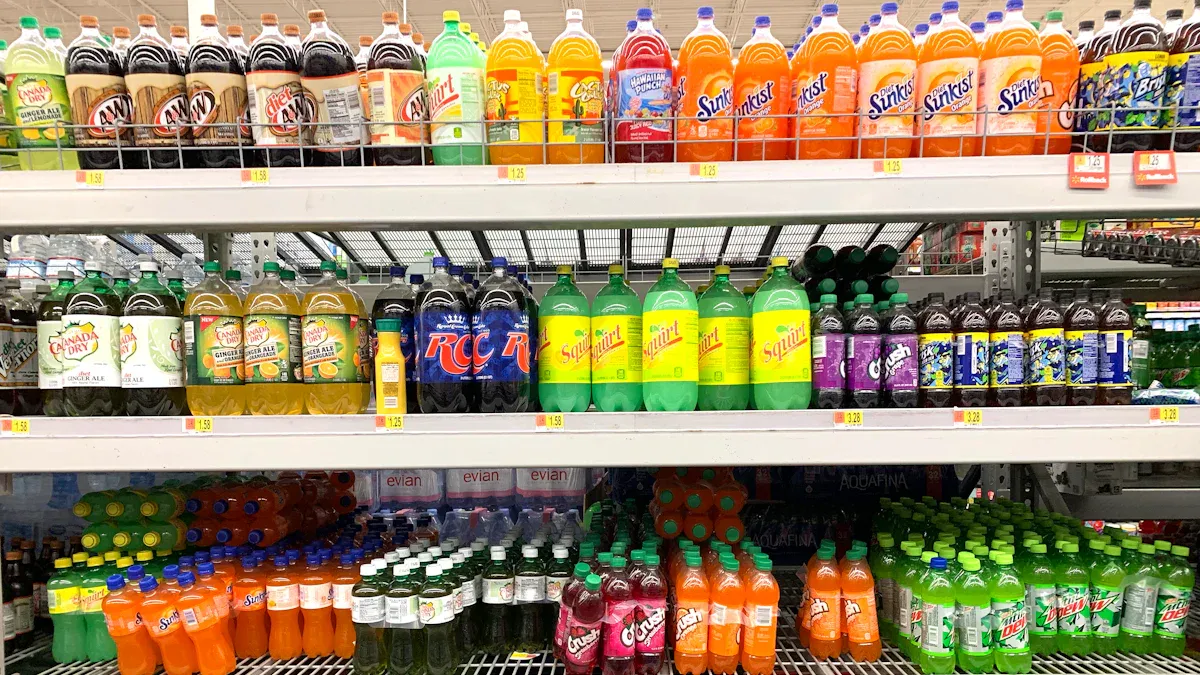
You can see how electronic shelf labels change the way stores operate. Many retail businesses have faced the challenge of updating prices by hand. This process often leads to mistakes and wasted time. When you use esl systems, you automate price changes and keep information accurate. Stores that switched to wireless esl solutions now update prices in real time. Shoppers get the correct price every time, and staff spend less time fixing errors.
Here is a table showing how one retail store improved its operations with esl technology:
| Aspect | Details |
|---|---|
| Challenge | To increase efficiency by eliminating manual pricing updates and correcting discrepancies. |
| Solution | Developed a wireless esl for store-wide price automation and reduced operating costs. |
| Result | Enabled real-time price updates, maximizing operational efficiency and enhancing shopper experience. |
You can boost your store’s efficiency and create a better shopping experience by choosing the right esl system.
Lessons Learned
You may face challenges when you introduce new technology in your retail space. Some stores found that connecting esl systems to older software caused delays and extra costs. Staff sometimes resist new tools, so you need clear training and communication. Wireless dead zones can stop esl tags from updating, which means you must check your store’s infrastructure.
The table below highlights common lessons learned from esl implementation:
| Challenge Type | Description |
|---|---|
| Technical Integration | Integration with legacy systems often presents technical hurdles, leading to delays and costs. |
| Staff Adaptation | Employees may resist new technology; clear communication and training are essential. |
| Connectivity Issues | Wireless dead zones can cause esl tags to miss updates; upgrading infrastructure is necessary. |
You can avoid these problems by planning ahead, training your team, and checking your store’s wireless coverage.
How to Evaluate Retail Solutions
Vendor Questions
You need to ask the right questions when you evaluate electronic shelf labels for your retail store. These questions help you understand if the system fits your needs and if it will work well in your environment. Here is a list of important questions to guide your decision:
- What use cases can improve employee experience in-store?
- How does the system scale as your business grows?
- What features make the solution future-proof?
- How does the system integrate with your current retail software?
- What is the total cost of ownership and expected return on investment?
- What regulations apply to electronic shelf labels in your region?
- What security protocols protect your data?
- What label sizes and color options are available?
- Can the system handle complex messages and promotions?
- What is the expected battery life and replacement cost?
Nova-day supports you during this process. You receive guidance on vendor selection, technical assistance, and ongoing software updates. Nova-day also offers customized solutions to match your market requirements.
Demo and Pilot Steps
You should test any esl system before full deployment. Start with a pilot program in select locations. This helps you spot workflow issues and see how your team adapts. Test the system’s responsiveness and integration across different departments. Check how updates work for various product categories. Gather feedback from store managers and staff to learn what works best.
- Include Section 508 Standards in your pilot to ensure accessibility.
- Use both manual and automated methods during testing.
- Try user testing with assistive technologies.
- Document all results and fix any accessibility issues before you launch the system in all stores.
Nova-day helps you through these steps. You get support for integration, customization, and technical troubleshooting. This ensures your retail solution works smoothly and meets your business goals.
You can match the right electronic shelf labels or esl solutions to your retail needs by focusing on criteria like display resolution, battery life, wireless protocol, and mounting flexibility. Consider your product range, store layout, and how often you update information. Create a checklist, request demos, and involve key stakeholders in your decision. Consult Nova-day for tailored retail solutions. Visit Nova-day’s website to explore more options and get expert support for your retail environment.
| Criteria | Description |
|---|---|
| Display Resolution & Size | Legibility from shopping distances; at least 200×200 pixels recommended. |
| Wireless Protocol | BLE and Wi-Fi offer better scalability. |
| Battery Life | Minimum 3–5 year lifespan. |
| Mounting Flexibility | Clip-on, adhesive, or magnetic rails. |
| Environmental Rating | IP54 or higher for refrigerated or humid areas. |
| Software Integration | API-level integration with POS or inventory systems. |
FAQ
What is the main advantage of using electronic shelf labels?
You can update prices instantly across your store. This reduces pricing errors and saves time. Electronic shelf labels also help you keep your store organized and improve the shopping experience for your customers.
How do Nova-day’s POP Pricing Systems support customization?
You choose from many sizes, colors, and display options. Nova-day lets you match your brand style and store layout. Fast prototyping helps you test new ideas quickly.
Are electronic shelf labels suitable for freezer or wet areas?
Yes! You can use labels with freezer-grade adhesives and waterproof ratings. These labels stay readable and reliable in cold or damp environments.
How do electronic shelf labels integrate with my current POS system?
Most systems connect through wireless networks and software APIs. You can sync price updates and inventory data with your POS for seamless operation.
What support does Nova-day offer during installation and after-sales?
Nova-day provides technical guidance, training, and ongoing support. You get help with integration, troubleshooting, and software updates to keep your system running smoothly.