Choosing the right electronic shelf tags can shape your store’s efficiency and success. Every store faces unique goals and challenges. You may want to improve pricing accuracy, save labor, or boost customer experience. Common issues include high upfront costs, training needs, ongoing maintenance, and technical risks.
- High upfront costs for hardware and software
- Staff training and adaptation
- Regular maintenance and updates
- Technical malfunctions or integration problems
You should compare features, compatibility, and expected return on investment before making a decision. Use this guide to help you select the most suitable system for your business.
Key Takeaways
- Choose electronic shelf tags based on your store’s size and layout to maximize efficiency.
- Ensure your tags integrate smoothly with existing systems to avoid technical issues and save time.
- Consider the total cost and potential return on investment when selecting a system for your store.
- Select tags that can withstand your store’s environment, such as humidity or extreme temperatures, for better durability.
- Utilize interactive features like QR codes to enhance customer engagement and provide instant product information.
Key Factors for Choosing Electronic Shelf Tags
When you select electronic shelf tags for your store, you need to consider several important factors. Each store has different needs, so you should look at your space, technology, budget, and environment before making a choice.
Store Size and Layout
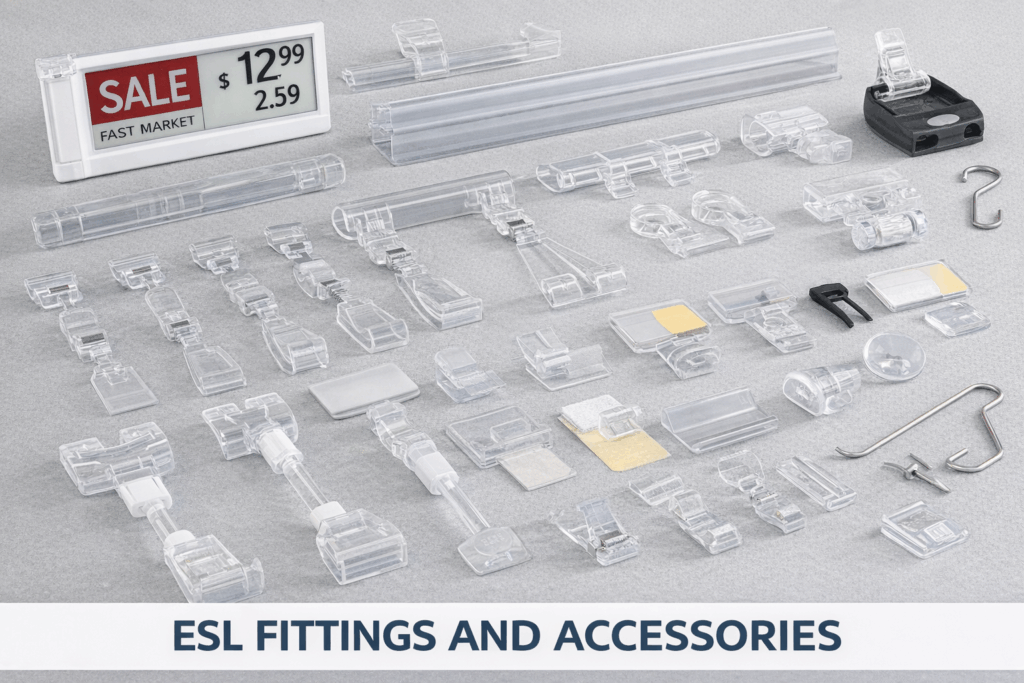
Your store’s size and layout affect how you use electronic shelf tags. Large supermarkets need more tags and flexible mounting options. Small shops may need only a few tags but want them to fit unique shelves. Nova-day’s ESL Fittings work with many shelf types and layouts. You can use them in supermarkets, pharmacies, gas stations, or specialty stores. This flexibility helps you find the right solution for your space.
Integration Needs
You must connect your electronic shelf tags to your store’s systems. Many retailers worry about linking new tags with their POS or ERP software. Today’s ESL platforms offer strong APIs and middleware for easy compatibility. Vendors often help with integration or work with your system provider. You should ask about support and test the connection before a full rollout.
Tip: Always check if your vendor offers integration support or works with system integrators. This can save you time and reduce technical problems.
Budget and ROI
Cost is a big factor. You need to think about both the price of the system and the value it brings. Most stores see a return on investment in 24 to 36 months. Some stores get results in just 12 months, especially when they use price optimization tools with their tags. Plan your budget and look at how fast you can recover your costs.
- Lower labor costs
- Fewer pricing errors
- Faster price changes
These benefits can help you reach your ROI faster.
Store Environment
Your store’s environment can affect how well your tags work. Factors like temperature, humidity, and lighting matter. The table below shows how these can impact performance:
| Environmental Factor | Impact on Performance and Longevity |
|---|---|
| Temperature | Affects functionality and lifespan; devices must withstand varying temperatures. |
| Humidity | High humidity can damage electronic components; proper sealing is essential. |
| Sealing and Ratings | Devices with IP65 ratings are better equipped to handle environmental challenges, ensuring longer durability. |
E-Ink displays resist glare and scratches. You can use them in cold areas, like freezers, or even outdoors. Nova-day’s ESL Fittings are designed for many environments, so you can trust them to last.
Electronic Shelf Tags Overview
How They Work
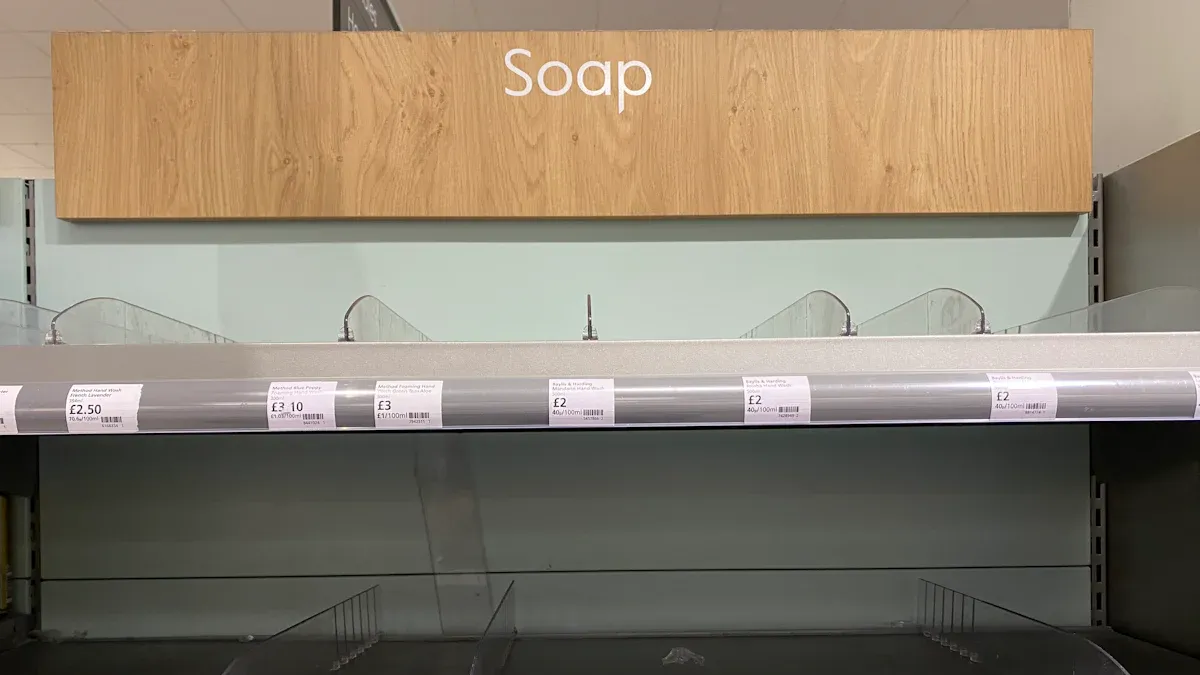
You can think of electronic shelf tags as small digital signs that show prices and product information on store shelves. These tags connect to a central management system that controls updates and changes. When you change a price in the software, the tag updates automatically on the shelf. This process uses wireless communication, often through radio frequency, to send data from the main system to each tag.
Here is a table showing the main parts of an electronic shelf tag system:
| Component | Description |
|---|---|
| Central Management Software | Stores product data and controls price updates. |
| Communication Gateway | Sends information from the software to the tags using wireless signals. |
| ESL Tags | Small display units that attach to shelves and show the latest prices and details. |
Most electronic shelf tags use e-ink or LCD displays. E-ink looks like real paper and uses very little power, so the tags can last for years on a single battery. LCDs refresh faster but need more energy. Modern tags use strong microcontrollers and safe batteries, making them reliable and long-lasting.
Main Benefits for Retailers
Electronic shelf tags offer many advantages for your store. You can save time and money because staff do not need to change paper labels by hand. Price changes happen quickly and accurately, which helps you avoid mistakes.
Note: Stores that use electronic shelf tags report saving up to 12 hours of labor each week. This means your team can spend more time helping customers.
Here are some key benefits:
- You reduce pricing errors, which can be as high as 10% with paper tags.
- You update prices across all shelves at once, keeping everything consistent.
- You improve customer trust by showing the correct price every time.
| Benefit Type | Description |
|---|---|
| Labor Savings | Staff save hours each week by not changing paper tags. |
| Pricing Accuracy | Automated updates keep prices correct and reduce costly mistakes. |
Electronic shelf tags help you run your store more smoothly and give your customers a better shopping experience.
Comparing Top Electronic Shelf Tag Brands
Leading Solutions and Technologies
You will find many brands offering electronic shelf tag systems. Some of the largest brands in the global market include Pricer, SES-imagotag, SOLUM, Hanshow, Displaydata, and VusionGroup. These companies lead the industry with advanced technology and wide adoption. The table below shows some of the top brands and their countries of origin:
| Brand Name | Country |
|---|---|
| Pricer | Sweden |
| SES-imagotag (VusionGroup) | France |
| SOLUM | South Korea |
| Displaydata Ltd. | UK |
| Hanshow | China |
| Opticon | Netherlands |
| Teraoka Seiko Co., Ltd. | Japan |
| Shanghai SUNMI Technology | China |
| Dalian Sertag Technology | China |
Each brand uses different technologies to help you manage prices and product information. For example, SES-imagotag offers automated pricing and LED pick-to-light features. Pricer uses advanced wireless communication for secure updates. Displaydata focuses on high-resolution e-paper displays. Hanshow provides cloud-based management and strong wireless connectivity. Nova-day’s ESL Fittings work with all these major brands, giving you flexibility when choosing your system.
Display Types and Readability
Display technology is important for both staff and shoppers. Most electronic shelf tags use either e-ink (E-paper) or LCD screens. E-ink displays look like real paper and are easy to read in bright light. LCD screens show full color and refresh quickly, but they can be harder to read in sunlight and use more energy. The table below compares the two main display types:
| Feature | E-Ink | LCD |
|---|---|---|
| Readability | Excellent in bright sunlight | Can cause glare in sunlight |
| Energy Efficiency | Lasts up to five years on a charge | Needs frequent charging |
| Color Display | Limited to black-and-white | Supports full color |
| Refresh Rate | Low | High |
You should choose the display type that fits your store’s lighting and product needs. Nova-day’s ESL Fittings support both e-ink and LCD tags, so you can use the best option for your shelves.
Integration and Software
You want your electronic shelf tags to work smoothly with your store’s systems. Leading brands offer strong integration features. These include real-time data management, inventory tracking, and point-of-sale (POS) compatibility. Many systems support APIs, so you can connect them to your existing software. Here are some important integration features to look for:
- Seamless connection with inventory management systems
- Compatibility with POS software for accurate transactions
- Real-time updates and analytics for better decision-making
- API support for custom integrations
Nova-day’s ESL Fittings are designed to fit tags from all major brands, making it easy for you to upgrade or change your system without replacing your shelf hardware.
Pricing and Value
Pricing models for electronic shelf tag brands can vary. Some brands offer a full package with hardware, software, and support. Others let you choose only the parts you need. Value-added features can include automated pricing, NFC and QR code integration, cloud management, and energy-saving displays. The table below shows how some top brands compare:
| Brand | Pricing Model Description | Value-Added Features |
|---|---|---|
| SES-imagotag | Full portfolio for retail agility and efficiency | Automated pricing, NFC/QR, LED pick-to-light |
| Pricer | Reliable and scalable deployments | Advanced wireless, POS/inventory integration, real-time pricing |
| Displaydata | High-resolution e-paper ESLs | Energy efficiency, customizable templates, firmware updates |
| Hanshow | Wide range for different retail formats | Cloud management, interactive NFC, sustainability focus |
Nova-day’s ESL Fittings add value by making installation quick and easy. The fittings use durable, food-safe materials and fit many shelf types. You can trust them to keep your tags secure, even in busy stores. Nova-day’s solutions help you protect your investment and adapt to new technologies as your business grows.
Tip: When you choose your electronic shelf tag system, look for accessories like Nova-day’s ESL Fittings. They help you get the most out of your investment and make future upgrades easier.
Nova-day ESL Fittings and POP Pricing Systems
Product Features and Compatibility
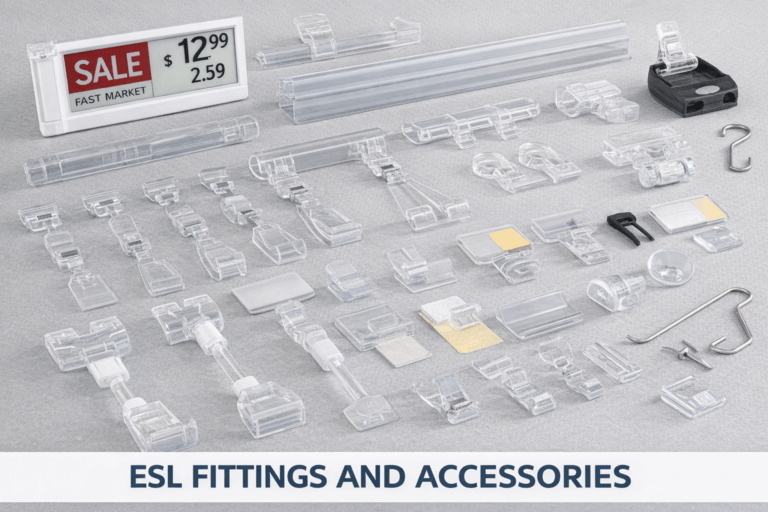
You want your store to run smoothly and look great. Nova-day ESL Fittings and POP Pricing Systems help you do both. These products stand out because they fit many types of shelves and work with top brands of electronic shelf tags. You can use them in supermarkets, pharmacies, or specialty shops. The fittings are tough and last a long time, even in busy stores. You can also choose from many attachment options, like clip-on, magnetic mounts, adhesive strips, stands, and rail systems. This flexibility lets you display your price tags in the best way for your store.
| Advantage | Description |
|---|---|
| Adaptability | Nova-day ESL fittings fit many store environments, giving you more ways to use them. |
| Durability | The fittings handle heavy use and store maintenance, so you do not have to worry about damage. |
| Ease of Installation | The design makes it simple for you to set up and use digital price tags quickly. |
Installation and Customization
You can install Nova-day ESL Fittings and POP Pricing Systems with ease. The user-friendly design means you spend less time setting up and more time serving your customers. You can pick the size and color that matches your brand, making your shelves look neat and professional. Nova-day offers fast prototyping, so you can try new ideas quickly—sometimes in just a week. If you need a special solution, Nova-day can create custom fittings for your unique shelves or displays.
- Choose from many sizes and colors to match your store.
- Try new display ideas with fast prototyping.
- Get custom solutions for special shelf setups.
Value for Retailers
Nova-day products give you strong value. You save time because the fittings are easy to install and adjust. The tough materials mean you do not need to replace them often. You can update prices in real time, which helps you avoid mistakes and keep your store up to date. Nova-day’s focus on innovation and quality helps you get the most from your investment in electronic shelf tags. You can trust these solutions to support your business as it grows.
Tip: Nova-day ESL Fittings and POP Pricing Systems help you create a modern, organized store that attracts customers and boosts sales.
Special Features for Unique Environments
Freezer and Waterproof Options
You may need electronic shelf tags that work in tough environments. Freezers and wet areas can damage regular tags. Some electronic shelf tags have special features to handle these challenges. You can use waterproof tags in places with high humidity or where spills happen often. These tags keep working even after deep cleaning or exposure to water.
The V300 Waterproof series stands out for its strong design. It can handle water, ice, and humidity. You can use it in areas that need strict hygiene. The V300 Freezer model works in temperatures as low as -25°C. This makes it perfect for cold storage or freezer aisles. Some tags also have a 7-color LED blinking feature. This helps your staff find products quickly, even in cold or busy sections.
| Feature | Description |
|---|---|
| Waterproof Design | Handles water, ice, and humidity. Good for deep cleaning and hygiene. |
| Freezer Compatibility | Works in temperatures down to -25°C. Perfect for cold storage and freezer aisles. |
| LED Blinking Feature | 7-color LED helps staff locate items in cold or crowded areas. |
You can trust these tags to last in harsh conditions. They keep your pricing accurate and your store running smoothly.
Interactive and Custom Solutions
You can make shopping easier and more fun with interactive shelf tags. These tags do more than show prices. They help customers find information fast. Many tags now use NFC technology or QR codes. Shoppers can scan these codes with their phones. This gives them instant access to product details, reviews, or special offers.
Interactive tags support dynamic pricing. You can change prices quickly to match demand or run flash sales. Personalized shopping becomes possible when tags show offers based on customer preferences. Customers feel more engaged and informed.
| Feature | Benefit to Customer Engagement |
|---|---|
| Dynamic Pricing | Increases satisfaction and loyalty |
| Personalized Shopping | Creates tailored experiences |
| Detailed Product Information | Helps customers make better choices |
- Customers see prices and details at a glance.
- Tags simplify shopping, even for complex products.
- Shoppers can use their phones to get more information.
You can use custom solutions to fit your store’s needs. Nova-day offers fittings and accessories that support these advanced features. This helps you create a modern and interactive shopping environment.
Case Studies: Retail Success Stories
Supermarket Example
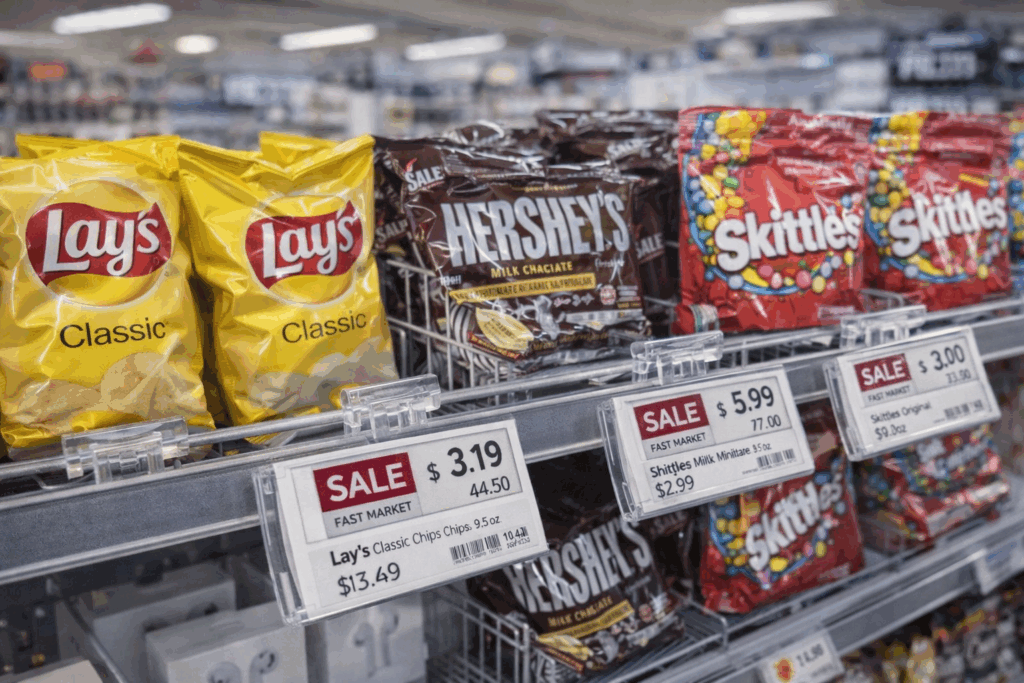
You can see how electronic shelf tags transform supermarket operations. Supermarkets often need to change prices quickly and run many promotions. When you use electronic shelf tags, you make these tasks easier and more accurate. The table below shows how supermarkets benefit from this technology:
| Key Outcome | Performance Metrics |
|---|---|
| Dynamic Pricing Adjustments | Faster price changes, improved profit margins |
| Promotional Campaigns | Higher conversion rates, increased foot traffic |
| Inventory Visibility | Reduced stockouts, better inventory accuracy |
| Regulatory Compliance | Fewer compliance violations, improved traceability |
| Enhanced Customer Engagement | Higher dwell times, improved customer satisfaction scores |
You help your store respond to market changes quickly. Customers find accurate prices and enjoy a better shopping experience.
Specialty Store Example
Specialty stores often sell unique products and need to provide detailed information. You can use electronic shelf tags to show product details and guide customers. This technology helps you keep prices up to date and manage inventory more efficiently. The table below highlights the main benefits for specialty stores:
| Benefit | Description |
|---|---|
| Enhanced Product Information | ESLs provide detailed and accurate product information to customers, improving their shopping experience. |
| Improved Pricing Accuracy | Dynamic pricing models can be implemented, ensuring prices reflect current demand and competition. |
| Streamlined Operations | ESLs reduce labor costs by automating price updates and inventory management. |
| Real-time Stock Visibility | Retailers can monitor stock levels in real-time, preventing stockouts and overstock situations. |
| Customer Guidance | ESLs help customers navigate complex product lines more effectively, enhancing their shopping journey. |
You make shopping easier for your customers and keep your store running smoothly.
Small Business Example
Small businesses face unique challenges when updating prices and managing inventory. You may need to change prices often, which takes a lot of time and resources. Electronic shelf tags solve these problems and help you save money. Here are some common challenges and solutions:
- High frequency of price changes leads to significant labor costs. Electronic shelf tags allow you to update thousands of prices in minutes, saving time and money.
- Traditional pricing methods cause incorrect information and high paper usage. Digital shelf tags help you move toward a paperless environment and improve customer loyalty.
- Old labels create waste. Digital pricing displays last longer and support your sustainability goals.
You can expect a fast return on investment and a better experience for your customers. Your store becomes more efficient and eco-friendly.
How to Select and Implement Electronic Shelf Tags
Selecting and implementing electronic shelf tags in your store involves careful planning and clear steps. You want to make sure the system fits your needs, works well with your team, and delivers strong results. Here is a practical guide to help you through the process.
Questions for Vendors
Before you choose a system, you should ask vendors important questions. These questions help you understand if the solution matches your store’s needs and future plans.
- What use cases does your system support to improve employee experience?
- How does your system scale if I want to add more stores or shelves?
- Can your platform adapt to new features and updates in the future?
- Is your system compatible with my inventory management and point-of-sale software?
- What is the total cost of ownership, including maintenance and ROI calculations?
- Does your system comply with price accuracy laws and regulations?
- What data security measures and certifications do you provide?
- Can I test different label sizes and color features?
- How does your system handle complex messages and promotions?
- What is the expected battery life, and what are the replacement costs?
Tip: Write down your answers and compare them across vendors. This helps you make a smart choice.
Piloting and Testing
You should always test the system before a full rollout. A pilot helps you find any issues early and see how the system works in your store.
| Best Practice | Description |
|---|---|
| Pilot Testing | Test the system in a few locations to spot workflow issues and team habits. |
| Evaluate Response | Check how quickly the system updates and works with other departments. |
| Gather Feedback | Ask store managers and staff for feedback to improve the process. |
| Phased Rollout | Start with one section or store, then expand as you refine your approach. |
| Collaboration | Work closely with your technology provider for support and integration. |
| Focus on Efficiency | Aim to improve operations and price accuracy to build customer trust. |
You can measure success by tracking update rates, offline rates, price differences, and battery status. These metrics show how well the system works and where you can improve.
Staff Training and Rollout
Training your staff is key to a smooth rollout. You want everyone to feel confident using the new system.
| Training Method | Description |
|---|---|
| Group Session | Hold short group sessions to watch videos and discuss challenges together. |
| Hands-on Practice | Let staff practice with the system to build confidence. |
| Instructional Materials | Review manuals and videos before installation. |
| Collaborative Templates | Work as a team to create templates and support each other. |
You should review training materials, practice together, and support each other during the rollout. This helps your team adapt quickly and keeps your store running smoothly.
Note: If you need custom solutions or extra support, reach out to Nova-day. Their team can help you design fittings and systems that match your store’s unique needs.
By following these steps, you can select and implement electronic shelf tags with confidence. Careful planning, testing, and training will help you get the most value from your investment.
You should match electronic shelf tag features to your store’s needs for the best results. Digital shelf tags automate price changes and help you avoid mistakes. You can save time and lower labor costs, letting your staff focus on customers. Use the steps in this guide to compare options and make a smart choice. If you want custom ESL Fittings or POP Pricing Systems, Nova-day can help you find the right solution.
FAQ
How do I know which ESL fitting works for my shelves?
You can check your shelf type and size. Nova-day offers fittings for many shelf brands and layouts. If you are unsure, send a photo or drawing to Nova-day. Their team will help you choose the right option.
Can I install electronic shelf tags myself?
Yes, you can. Nova-day designs ESL fittings for easy installation. Most fittings snap or clip onto shelves without special tools. You can follow simple instructions or ask Nova-day for guidance if you need help.
Are Nova-day ESL fittings compatible with all major ESL brands?
Yes. Nova-day ESL fittings work with leading brands like Pricer, SES-imagotag, Hanshow, SOLUM, and Zkong. You can use them for new systems or when upgrading your current setup.
How do electronic shelf tags handle cold or wet environments?
Many electronic shelf tags have waterproof or freezer-safe options. Nova-day offers fittings that protect tags in cold or humid areas. You can use these in freezers, coolers, or places with frequent cleaning.