Skip to content
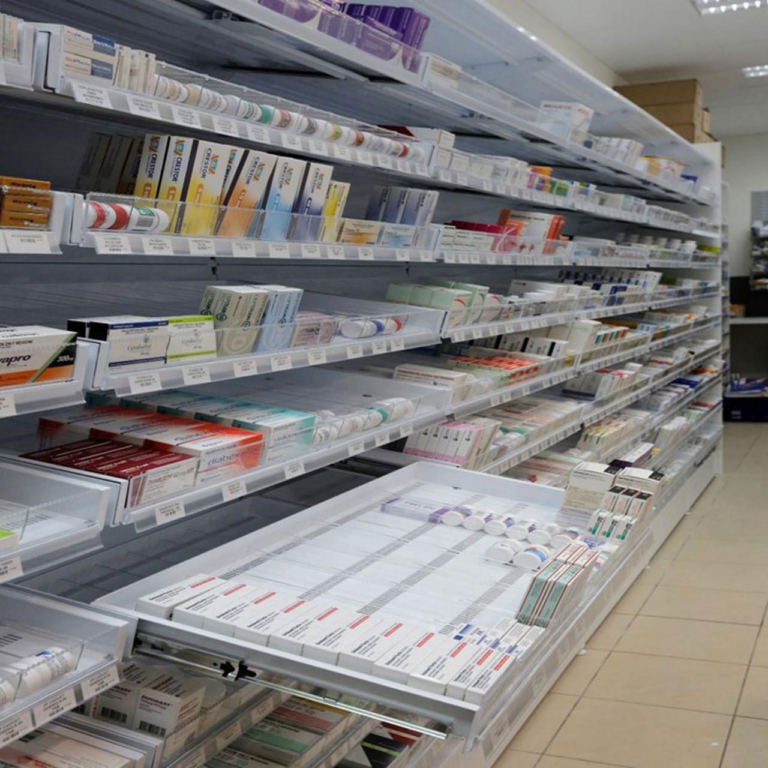
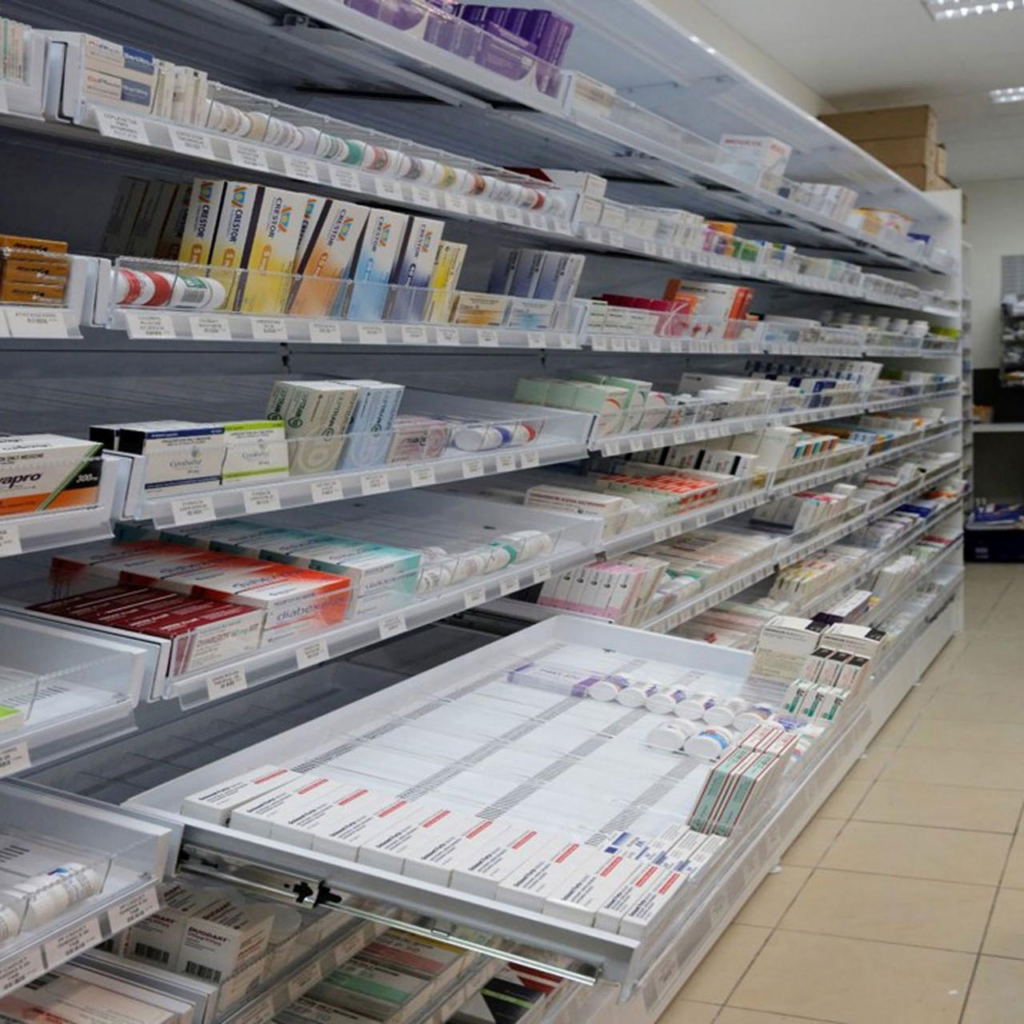
You count on pharmacies to keep medicine shelves neat and correct every day. They use strict rules, new technology, and trained workers to ensure that pharmacies keep medicine safe. These steps prevent mistakes and help you get your medicine quickly. New shelving systems, like those from Nova-day, are incredibly beneficial. When pharmacies utilize roller track shelving, they spend half as much time fixing shelves and make fewer mistakes with inventory. You can trust your pharmacy to prioritize safety and maintain high standards.
Key Takeaways
- Pharmacies follow strict rules to keep medicine safe. They use checklists to stay organized. FIFO and alphabetical systems help use older medicine first. These systems also make finding items easier. Shelf dividers and pushers keep medicine in place. These tools help reduce restocking. Technology like barcoding helps staff work faster. Electronic shelf labels make things more accurate. Regular audits help find mistakes early. Team training keeps safety standards high.
Organization Protocols in Pharmacies
Standard Operating Procedures
When you walk into a pharmacy, you see everything in order. Pharmacies use strict rules called standard operating procedures to keep shelves neat. These rules tell workers how to store, arrange, and check medicine. Workers use checklists to make sure each medicine is in the right spot. Shelves have clear labels, so you can find things fast. These steps help stop mistakes and keep everyone safe.
Note: Standard operating procedures help you keep track of all medicine. They make it easier to find missing or misplaced items before there is a problem.
FIFO and Alphabetical Systems
Pharmacies use two main ways to organize medicine: FIFO and alphabetical order. FIFO means “First In, First Out.” New medicine goes behind older medicine on the shelf. This helps you use the oldest medicine first. It stops expired medicine from staying on the shelf. Alphabetical order helps you find medicine fast. You put medicine in order by name, so you do not have to search long.
- FIFO keeps medicine fresh and safe for people.
- Alphabetical order helps you find medicine quickly, which is important for fast and correct service.
- These two systems work together to keep shelves neat and easy to use.
Role of Shelf Dividers and Pushers
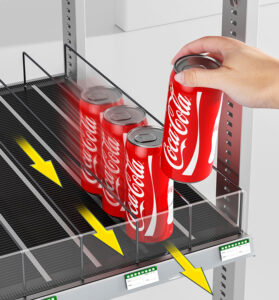
Special tools help keep medicine in place. Nova-day’s shelf dividers and pushers make the job easier. These tools separate different medicine and keep them facing forward. You do not have to fix messy shelves as much. The dividers are clear, so you can see all the products. You can move them easily if you need to change the shelf.
- Modern shelf systems, like Nova-day’s, use space better. You can fit more medicine on each shelf without crowding.
- Pusher systems move medicine to the front by themselves. You do not have to pull items forward by hand.
- Dividers keep medicine apart, so you do not mix them up. This helps stop mistakes and keeps shelves tidy.
- You save time because you do not have to clean up as often. You can help customers more and spend less time fixing shelves.
Old shelves need a lot of work to stay neat. If you do not keep them tidy, you might lose sales or make mistakes. Nova-day’s dividers and pushers help you keep shelves correct and organized with less work. You make fewer mistakes and can find every medicine fast when you need it.
How Pharmacies Keep Medicine Shelves Accurate with Technology

Barcoding and Digital Tracking
Modern pharmacies use technology everywhere. Barcoding and digital tracking help keep medicine safe and organized. When you scan a barcode, you check the medicine. This makes sure it matches the prescription. It helps stop mistakes and makes medicine more accurate. Robotic dispensing units and electronic prescribing systems lower errors. They make medicine safety even stronger. You can trust these systems to check and give out medicine.
| System Type | Impact on Errors |
|---|---|
| Robotic dispensing units | Fewer mistakes and shorter wait times |
| Electronic prescribing systems | Fewer errors than paper |
| Barcode verification | More accurate medicine giving |
| Complex automated medication systems | Fewer mistakes when giving medicine |
| ADC-enabled reverse logistics | Less expired medicine and fewer returns |
Many pharmacies use RFID, BLE, and NFC to keep shelves right. RFID helps you check stock fast and find old medicine. BLE watches temperature and humidity for special medicine. NFC gives you one last check before giving out medicine. These tools help keep medicine right and make sure you have what you need.
Electronic Shelf Labels and Edge Strips by Nova-day
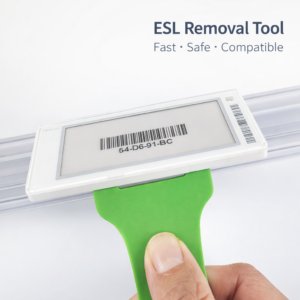
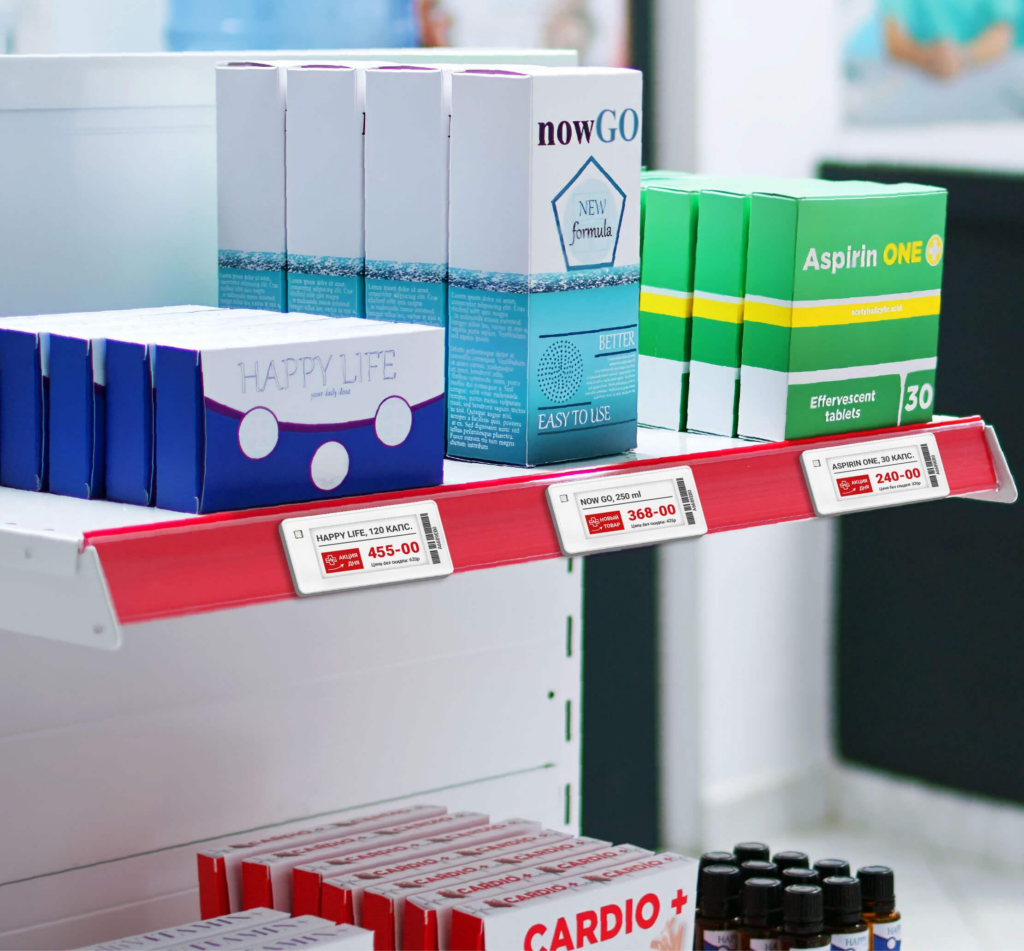
You can see electronic shelf labels in many pharmacies now. These labels change prices and info right away. You do not need to switch paper tags by hand. Nova-day’s Plastic Shelf Edge Strips hold these labels tight. You can use them with lots of shelves. Electronic shelf labels save time and cut down on mistakes. Workers can help patients more instead of changing prices.
Tip: Electronic shelf labels help you find medicine faster. They make sure info is always right. This helps keep medicine safe for everyone.
- You save time and can help more customers.
- Prices stay up to date with real-time changes.
- Nova-day’s edge strips keep your shelves ready for the future and neat.
A pharmacy in Japan used these labels and made 95% fewer mistakes. You can trust these systems to help you find and check medicine.
Automated Inventory Alerts
Automated inventory alerts help you keep medicine in stock. You get alerts for low stock, soon-to-expire, and slow-selling medicine. You do not have to guess when to order more. Smart inventory lets you see stock and sales right away. You can plan ahead and not run out of important medicine.
- Automated systems help you plan instead of just react.
- You work better with suppliers and run the pharmacy smoother.
- You make sure medicine is always ready for patients.
Pharmacies use technology to keep shelves right and neat. You get better shelves, safer medicine, and fewer mistakes every day.
Staff Roles and Training
Pharmacist Verification Steps
Pharmacists have an important job in keeping shelves correct. Each day, they follow steps to check medicine. These steps help stop mistakes before they happen. Pharmacists make sure their work area is neat and organized. They check prescriptions more than once during the process. They are careful with numbers and abbreviations. They try to avoid stress and distractions to stay focused. Pharmacists also talk to patients before giving out medicine. This is the last check to make sure everything is right.
| Verification Step | Description |
|---|---|
| Order entry | Compare written prescriptions and confirm medications. |
| Label printing | Check for accuracy during label creation. |
| Medication filling | Match filled medication to the prescription. |
Pharmacists use barcoding to check each medicine. This helps make sure the medicine matches the prescription. It helps stop mistakes and keeps people safe.
Ongoing Training and Communication
Pharmacy staff need training all the time to stay updated. Training teaches them how to spot mistakes with medicine. They learn why mistakes happen and how to stop them. Staff learn to talk clearly with each other and with patients. Many pharmacies use a Learning Management Portal for training. Managers can see how much training each person has done. They can give new lessons when needed.
- Training helps stop mistakes and keeps shelves neat.
- Staff learn new ways to be more accurate and safe.
- Updates help staff know about new rules and tools.
Learning does not stop after the first day. Staff keep learning new things to help the pharmacy work well.
Teamwork in Shelf Management
Pharmacy staff work together to keep medicine organized. Teamwork makes it easier to manage the shelves. One technician can be the leader and give out jobs. This way, no one has to check all the medicine alone. The team shares the work so nothing gets missed.
Teamwork is very important for this job. One technician can be the leader and give out jobs for checking medicine. This makes it easier than checking all the NDCs at once.
Staff help each other with daily checks and keeping shelves neat. When they work together, the pharmacy is safe and runs well for everyone.
Continuous Quality Improvement
Error Tracking and Reporting
You help keep your pharmacy safe by watching for mistakes. When you see an error, you write it down right away. This helps your team learn from what happened. You can use special forms or computers to record mistakes. Sharing these reports helps everyone avoid the same problem later. Tracking errors shows where you need more training. Talking about mistakes helps everyone feel safe to share.
Pharmacies use different ways to make shelves more accurate and lower mistakes. Here is a table that shows some common ways and how they help:
| Method | Description | Benefits |
|---|---|---|
| Perpetual Inventory | Continuously tracks stock levels for real-time visibility. | Accurate stock levels, reduced stockouts, improved ordering efficiency, better identification of discrepancies |
| ABC Analysis | Categorizes inventory by value to prioritize control. | Focused resource allocation, optimized inventory levels, improved negotiation power |
| FIFO | First-In, First-Out; oldest stock is dispensed first. | Reduces risk of expired medications, minimizes waste, aligns with compliance standards |
| LEFO | Last-Expired, First-Out; prioritizes dispensing products with closest expiration dates. | Ensures compliance with expiration date management |
You use these ways to keep medicine safe and easy to find.
Regular Audits and Feedback
You check your shelves often to keep things in order. Audits help you find problems before they get bigger. You look at different medicines at different times. For example, you check controlled substances every day or week. Fast-moving medicine gets checked each month. Slow-moving items get checked every few months. This table shows how often you should check:
| Audit Frequency | Description |
|---|---|
| Controlled substances | Daily or weekly audits to ensure compliance. |
| Fast-moving medicines | Monthly audits to track inventory closely. |
| Slow-moving or low-risk items | Quarterly audits to maintain oversight. |
When you finish an audit, you talk with your team. You share what went well and what needs work. This helps everyone get better and keeps your pharmacy safe.
Adapting with Nova-day POS Accessories
You can make your checks better with the right tools. Nova-day POS Accessories help you keep shelves neat and organized. You use shelf data strips to show clear info about each medicine. Shelf management systems keep products in the right spot. Shelf talkers and sign holders show important details for staff and customers. These tools make it easier to find mistakes and keep things tidy.
When you use Nova-day’s accessories, you save time and make fewer mistakes. You can focus more on giving out medicine safely and less on fixing messy shelves. Your pharmacy stays ready for checks and always meets high standards.
You notice pharmacies follow clear rules and use smart tools. Trained staff help keep medicine shelves correct and neat. Nova-day’s shelving makes products easy to see and grab. Staff check shelves often with audits and cycle counts. They also use inventory reports to find problems early. These steps help fix mistakes and make things better over time.
| Strategy | Purpose |
|---|---|
| Regular Audits | Help find ways to make shelves more accurate |
| Cycle Counts | Catch errors without stopping the work |
| Inventory Reports | Watch for changes and find problems |
| Identify Slow Movers | Use shelf space for the most needed medicine |
You can count on these ways to keep your pharmacy safe and ready for what comes next.
FAQ
How do pharmacies keep medicine from mixing up on shelves?
Pharmacies use shelf dividers and pushers to keep medicine apart. Clear labels help you find each item fast. Nova-day’s systems hold products in place so you can see them easily.
Why do pharmacies use electronic shelf labels?
Electronic shelf labels let you change prices and info quickly. Nova-day’s edge strips keep these labels secure on the shelf. This helps you make fewer mistakes and saves time for workers.
What happens if medicine is about to expire?
Inventory systems send alerts when medicine is close to expiring. You move this medicine to the front of the shelf. FIFO and LEFO systems help you use the oldest medicine first.
How do audits help keep shelves accurate?
Audits mean you check shelves often for mistakes. You can find problems early and fix them fast. Regular checks help keep your pharmacy safe for everyone.
Can Nova-day’s shelving systems fit any pharmacy?
Nova-day’s shelving systems can be changed to fit many shelves. They work with different sizes and types of shelves. You pick the features that are best for your pharmacy.