Skip to content


Have you seen how kids go to things at their eye level? When you use Children’s Eye-Level Merchandising, you use how kids pick what they want. Kids help decide about 80% of what families buy, like food and things for taking care of themselves. Look at the table below to see how kids’ shopping habits affect your store:
| Key Findings | Description |
|---|---|
| Influence on Purchases | Kids help make most family buying choices. |
| Learning Consumer Behavior | They learn to pick and compare by watching their families. |
| Merchandising Strategies | Putting things at their eye level gets their attention and helps sales. |
You can change your merchandising plan and see how small changes can help a lot.
Key Takeaways
- Put products for kids where they can see them, about 2 to 4 feet from the ground, so kids notice them and sales go up. Use bright colors and fun setups to help products stand out, so kids will want to ask their parents to buy them. Keep similar things together and make themed areas in your store to help families shop easier and have more fun. Use Nova-day’s pusher systems to keep products easy to see and neat, which helps sales and makes customers happy. Check your displays often with a checklist to make sure they look good and are safe.
Understanding Children’s Eye-Level Merchandising

What Is Children’s Eye-Level Merchandising
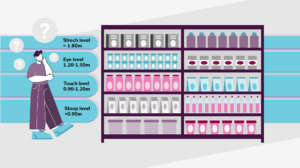
Children’s Eye-Level Merchandising means putting products where kids can see and reach them easily. You don’t want to place items for kids up high where only adults can spot them. Instead, you set these products on lower shelves, usually about 2 to 3 feet from the floor. This way, kids notice them right away.
Retailers use this method in many places. In grocery stores, you might see snacks or cereals on the lower shelves. In toy stores, the most exciting toys sit right at a child’s eye level. Clothing stores do the same with fun shirts or accessories. The main idea is simple: when you put things where kids look first, you make it easier for them to choose what they like.
Here are some key points about this approach:
- Products for children are placed lower to match their eye level, not an adult’s.
- The standard adult eye level in stores is about 50 to 54 inches from the floor, but for kids, it’s much lower.
- High-margin items, like small toys or accessories, often go near checkout areas at kid height to boost last-minute sales.
Why Eye-Level Matters for Kids
Kids shop with their eyes first. When you place products at their eye level, you grab their attention right away. Research shows that shoppers, including children, start looking at what’s right in front of them. If you want kids to notice something, put it where they look first.
Stores use bright colors and fun displays to make these products stand out even more. You might see bold colors or even mannequins dressed in the latest trends. Organizing items by color or age group also helps kids and parents find what they want faster.
Tip: Use bright, high-contrast colors and friendly images to make displays more inviting for kids.
Children’s Eye-Level Merchandising works because it makes shopping easier and more fun for kids. When kids spot something they like, they often ask their parents to buy it. This simple change can lead to more sales and happier families in your store.
The Psychology Behind Children’s Eye-Level Merchandising
How Kids Make Purchase Decisions
You might notice that kids often know what they want before you even reach the shelf. Kids learn about products early because they see ads, watch TV, and spot fun packaging in stores. These things shape what they like and ask for. When you walk through a store, your child might point out a snack or toy they saw on TV. That’s not by accident. Marketers design packaging and displays to catch kids’ eyes and make them want to ask for those products.
Kids also look to their families for ideas. If you pick a certain brand, your child might want it too. Sometimes, kids even lead the way. Studies show that 43% of parents say their kids help decide what to buy. In some families, kids are the main reason for picking certain foods, clothes, or even electronics. Kids want to feel included and important, so they speak up about what they like.
Kids’ choices come from more than just what looks cool. They care about safety, feeling good about themselves, and fitting in with friends. If a product makes them feel special or helps them belong, they’re more likely to ask for it.
Visual Triggers and Impulse Buys
Kids shop with their eyes first. Bright colors, fun shapes, and cool packaging grab their attention right away. When you use Children’s Eye-Level Merchandising, you put these eye-catching products right where kids can see them. That makes it easy for them to spot something new and ask for it on the spot.
Here’s a quick look at what works best:
| Visual Trigger | Description |
|---|---|
| Bright colors | Captivates attention and creates excitement. |
| Attractive packaging | Appeals to aesthetic preferences, especially in children. |
| Striking displays | Draws focus and encourages immediate purchase decisions. |
Next time you walk down an aisle, notice how your child reacts to these displays. You’ll see how a simple shelf change can lead to more smiles—and more sales.
Placement Principles for Maximum Impact
Ideal Height and Shelf Positioning
You want your store to grab kids’ attention right away. The best way to do this is by placing products where kids can see them easily. Most experts recommend putting items for children between 36 and 48 inches from the floor. That’s about 2 to 4 feet. This height matches where kids look first. You don’t need to guess—just measure from the floor and set your shelves at this range.
Here’s a quick checklist for shelf positioning:
- Place popular items between 2 and 4 feet from the floor.
- Keep products targeted to kids at their eye level, usually around 36″–48″.
- Use the front of the shelf for new arrivals or high-margin products.
- Group similar items together so kids can find what they want fast.
Tip: If you want to boost impulse buys, put colorful and fun products right at the edge of the shelf. Kids will spot them as soon as they walk by.
You can use Children’s Eye-Level Merchandising to make your store more inviting. When you set up shelves this way, you help kids make choices and encourage parents to buy more.
Safety and Accessibility
Safety matters when you display products for kids. You need to follow federal safety rules for children’s products. These rules make sure items for kids 12 years old or younger meet strict standards. Always check how your products are classified. This helps you stay compliant and keeps your store safe for families.
Accessibility is just as important. Make sure shelves are easy for kids to reach but not so low that they create clutter or tripping hazards. Avoid sharp edges or unstable displays. Use sturdy shelving and keep walkways clear. If you sell toys or snacks, check that nothing blocks the view or access.
| Safety Tip | Why It Matters |
|---|---|
| Sturdy shelving | Prevents accidents |
| Clear walkways | Reduces tripping risks |
| No sharp edges | Keeps kids safe |
Note: Safe and accessible displays build trust with parents and make shopping easier for everyone.
Using Children’s Eye-Level Merchandising with Nova-day Solutions
You want your store to be different from others. Nova-day gives you helpful tools for this. Their pusher systems, ESL fittings, and plastic holders help you make displays that kids notice. These tools also make shopping easier for families. Let’s see how these solutions can help you sell more and keep shelves neat.
How Nova-day Pusher Systems Help Products Get Seen
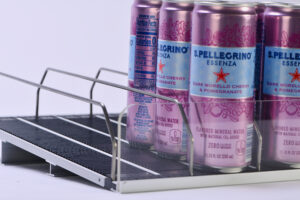
Kids look at things that are right in front of them. Nova-day’s pusher systems keep items at the front of the shelf. You do not have to worry about products sliding back. The pushers use springs to move items forward. This keeps snacks, toys, and drinks easy to see.
Here are ways to use pusher systems for Children’s Eye-Level Merchandising:
- Put top-selling products at kids’ eye level. This makes kids notice them and want to buy.
- Use planograms to decide where each product goes. Grouping similar things together looks tidy.
- Shelves stay neat. The pusher system means you do not need to fix shelves all the time.
- Put new or high-profit items in the front row. Kids will see them first.
Tip: Nova-day’s pusher systems save you time. You do not need to restock as often, and shelves always look good.
Stores using Nova-day’s pusher systems see real changes. Dairy sales go up by 20%. Restocking is 30% faster. Customers are happier because they find what they want easily.
| Benefit | Result |
|---|---|
| Increase in dairy sales | 20% |
| Faster restocking time | 30% |
| Customer satisfaction | Improved |
Children’s Eye-Level Merchandising makes your store more fun and easy to shop in. Nova-day’s pusher systems help keep products where kids can see them. This leads to more sales.
Making Displays Better with ESL Fittings and Plastic Holders
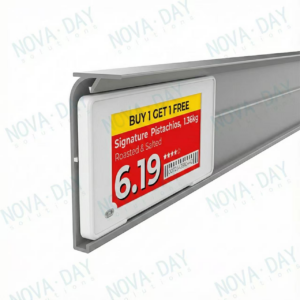
You want price tags and signs to stay in place. Nova-day’s ESL fittings and plastic holders do this job well. These tools keep digital price tags safe, even if shelves shake or get cleaned. You can change prices fast without any tools. This saves time and keeps your store running well.
See the features and benefits of Nova-day’s ESL fittings and plastic holders:
| Feature | Benefit |
|---|---|
| Tight grip | Stops tags from falling |
| Vibration resistance | Less need to fix tags |
| Long-term retention | Tags stay put after cleaning |
| Quick replacement | Fast and easy updates |
You get more than just strong holders. Nova-day uses polycarbonate and ABS, which are easy to clean and safe for food. The slim design lets you use shelf space better. You can change displays quickly because you do not need tools.
- Hygiene and Safety: You can wipe holders fast. They stay clean and safe for kids.
- Space Optimization: Slim holders let you fit more products on shelves.
- Fast Reconfiguration: You can change displays in seconds. No tools needed.
Note: Nova-day gives training and support after you buy. Your staff learns how to use ESL accessories, and you get answers to questions fast.
Nova-day’s ESL solutions also help you save money. You can change prices right away, so you spend less on labor. Dynamic pricing helps people buy on impulse and makes shopping better.
| Feature/Benefit | Nova-day ESL Solutions | Competitors’ Solutions |
|---|---|---|
| Real-time Price Updates | Yes | Varies |
| Enhanced Customer Experience | High | Moderate |
| Dynamic Pricing Capabilities | Yes | Limited |
| Labor Cost Reduction | Significant | Varies |
| Impulse Buying Encouragement | High | Moderate |
You can use Children’s Eye-Level Merchandising with Nova-day’s ESL fittings and plastic holders. This keeps displays neat and nice to look at. Kids see products and prices clearly, so shopping is easier for families.
Steps to Make Shelf Organization Better

You want to use your store space well. Here is how you can use Nova-day’s tools for Children’s Eye-Level Merchandising:
- Put best-selling products at kids’ eye level. Kids see them first.
- Use planograms to organize shelves. Group similar items for easy shopping.
- Add good lighting. Bright shelves help products stand out.
- Keep shelves clean. Tidy shelves bring in more shoppers.
- Use Nova-day’s pusher systems to keep products at the front.
- Install ESL fittings and plastic holders for safe, easy-to-read price tags.
- Change displays quickly when you add new products or run sales.
Callout: You can make your store fun and safe for kids. Nova-day’s solutions help you do this with less work and better results.
Children’s Eye-Level Merchandising works best with the right tools. Nova-day gives you what you need to make your store neat, welcoming, and ready for families.
Practical Tips for Store Layout and Merchandising
Grouping and Zoning Products
You want your store to feel easy and fun for families. Start by grouping products in a way that makes sense for kids and parents. When you organize items by age group or theme, you help shoppers find what they need faster. Try these ideas:
- Place preschool toys and snacks on the lowest shelves so little ones can see and reach them.
- Bundle items that go together, like art supplies with coloring books or water bottles with lunchboxes.
- Create themed zones, such as a “Back to School” area or a “Birthday Gift” corner.
- Use stands or island racks with rounded edges to keep things safe and visible.
- Make sure popular toys and treats sit right at children’s eye level for easy access.
When you zone your store this way, you make shopping less stressful. Kids can spot their favorites, and parents don’t have to search every aisle. You also boost sales by making it simple for families to grab more than one item at a time.
Tip: Don’t overcrowd displays. Too many products in one spot can confuse shoppers. Keep it simple and tidy.
Engaging Displays and Signage
You can turn a regular shelf into an adventure with the right displays and signs. Kids love bright colors, playful shapes, and things they can touch. Try these tricks to make your displays stand out:
- Add interactive displays, like buttons to press or small samples to try.
- Use clear, friendly signs that answer common questions. This helps parents feel confident about what they buy.
- Set up playful zones with bright colors and fun graphics to catch kids’ eyes.
- Encourage kids to touch and explore. Let them pick up toys or test out art supplies.
- Keep signs at a child’s eye level so they can read and understand them, too.
Stores like GameStop and Walmart use interactive displays to make shopping fun. Bath and Body Works lets customers try products, which helps boost sales. You can do the same by inviting kids to explore and play.
Note: Avoid using mannequins that don’t match your actual products. Keep displays simple and at the right height so parents and kids can see everything easily.
Children’s Eye-Level Merchandising works best when you create a space that feels welcoming and easy to explore. With smart grouping, playful zones, and engaging signs, you make shopping a happy experience for every family.
Evaluating Merchandising Effectiveness
Checklist for Store Owners
You want to see if your merchandising works well. Start with a checklist. This helps you find what is good and what needs fixing. Look at where you put products. Check how shelves look. Make sure you follow your planogram. See if you have enough stock. Check if your displays are better than your competitors. Use the table below to help you review:
| Checklist Item | Description |
|---|---|
| Eye-Level Presence | Count key products at kids’ eye level. |
| Planogram Compliance | Make sure shelf layout matches your plan. |
| Shelf Position Score | Rate shelf level, facings, and flow for quality. |
| Competitive Visibility | Compare shelf presence with competitors. |
| Stock Availability on Shelf | Check for out-of-stock issues. |
| Secondary Placement Count | Track extra displays like end caps or promo spots. |
| Sales Uplift from Shelf Strategy | See if shelf placement boosts sales. |
| Category Adjacency Score | Look at product placement near related categories for cross-selling. |
Tip: Check this list every month. You will spot trends and fix problems early.
Measuring Sales and Customer Engagement
You want proof your work helps. Use simple metrics to track sales and see how customers act. Watch how many units sell. See how fast products move. Count how many visitors buy something. Measure foot traffic and how long shoppers stay in the kids’ zone. Ask your staff for feedback about customer interest. The table below shows key metrics and formulas:
| Metric | Formula |
|---|---|
| Sell-through % | (Units Sold ÷ Units Received) × 100 |
| Footfall & Dwell Time | Dwell Time = Total Time Spent in Zone ÷ Number of Visitors |
| Conversion Rate | (Transactions ÷ Visitors) × 100 |
| Full-Price Sell-Through | (Units Sold at Full Price ÷ Units Bought) × 100 |
| Campaign ROI | ((Incremental Sales – Campaign Cost) ÷ Campaign Cost) × 100 |
| Front-Liner Feedback | Ask staff for customer reactions |
Note: When you use Children’s Eye-Level Merchandising, these metrics show real results. You can change displays and boost sales based on what you learn.
You can boost sales and make shopping more fun for families when you use children’s eye-level merchandising. Nova-day’s tools help you keep shelves neat and products easy to spot. Try these steps to improve your displays:
- Create theme-based displays.
- Use eye-catching window setups.
- Group products by age or theme.
- Set up interactive areas for kids.
| Strategy | Description |
|---|---|
| Eye-level positioning | Place items where kids see them first. |
| Maintenance | Keep displays clean and safe. |
| Customer Feedback | Listen to shoppers and adjust layouts. |
Review your current displays and reach out to Nova-day for tailored solutions.
FAQ
How do I know which products to place at children’s eye level?
You can start by looking at your sales data. Pick items that kids ask for most. Place snacks, toys, and colorful products where kids can see them first.
Can Nova-day’s pusher systems work on any shelf?
Yes, you can use Nova-day’s pusher systems on most shelves. They fit many sizes and styles. If you need help, Nova-day offers custom solutions for your store.
Are ESL fittings and plastic holders safe for kids?
Nova-day designs ESL fittings and holders with safety in mind. The materials are food-safe and durable. You can clean them easily, and they stay secure on shelves.
How often should I update my children’s eye-level displays?
You should check displays every week. Change products for new seasons or promotions. Keep shelves tidy and make sure items stay at the right height for kid