Choose electronic shelf label types by the work each department needs the label to do.
In a supermarket, test how the system handles a timed markdown and how staff check the shelf price against the till. In a convenience store, check screen size and removal access on a crowded shelf edge.
Specialty displays may need to show product details or fit a fixture with little room for a rail. Test how the information reads from normal shopping distance and confirm mounting clearance before ordering.
What Are Electronic Shelf Labels (ESLs)?
Wait, what exactly are ESLs?
Electronic shelf labels (ESLs) are the silent revolution reshaping the retail landscape. These nifty devices replace traditional paper price tags with digital displays that communicate directly with a store’s pricing system. But they’re more than just a modern replacement—they’re a leap forward in efficiency, adaptability, and customer engagement.
The Technology Behind ESLs
Here’s the tech magic behind the scenes:
- Display and power — check the screen type, manufacturer-rated battery life and update limits for the exact label.
- Communication and data — confirm the supported protocol, gateway and pricing system. Any stock data displayed needs its own upstream source.
- Types of Displays: E-paper ESLs are perfect for vibrant, high-contrast displays, while LCD options offer bright, detailed visuals.
Key Features of Modern ESLs
Why are these little tags so special?
- Remote Price Updates: Imagine updating thousands of product prices with a single click. ESLs make it a reality, slashing labor costs and eliminating errors.
- Inventory Integration: Real-time synchronization with stock levels ensures that customers never face outdated information.
- Customizable Designs: ESLs allow retailers to display promotions, QR codes, or product details, enhancing both branding and shopper experience.
| Feature | Benefit |
|---|---|
| Remote Price Updates | Save time, reduce errors |
| Inventory Integration | Accurate stock data at all times |
| Customizable Displays | Enhance brand identity and engagement |
Why Retailers Are Switching to ESLs
Let’s get real—why does this tech matter?
- Cost Efficiency: Over time, the savings in labor and paper outweigh the initial investment.
- Price checks — verify that the correct SKU and approved price reached the label and the till.
- Sustainability: With no need for paper tags, ESLs align with green initiatives, an increasing priority for many retailers.
Supermarkets: Real-Time Pricing and Stock Updates
Here’s why supermarkets love ESLs:
Supermarkets are dynamic environments where products and prices change at lightning speed. From perishable goods to daily promotions, ESLs are helping these bustling businesses stay ahead.
Dynamic Pricing for Perishable Goods
What’s the challenge?
Perishable items like fruits, vegetables, and dairy products lose value rapidly as they near expiration. Traditional markdown methods? Clunky and time-consuming.
Here’s the fix:
ESLs enable automated markdowns at predefined intervals. This minimizes waste, maximizes profit margins, and ensures compliance with sustainability goals.
| Before ESLs | With ESLs |
|---|---|
| Manual markdowns | Automated price drops |
| Staff-intensive | Time-efficient |
| Wasteful | Sustainable |
Stock-Level Synchronization
Ever faced an empty shelf?
Where the system supports stock information, identify the data source and update schedule. The label displays the value it receives. Staff and inventory systems still account for actual stock.
Enhanced Customer Communication
More than prices:
Supermarkets can use ESLs to display promotional messages, nutritional information, or even QR codes linking to recipes. It’s about delivering value beyond the product itself.
Convenience Stores: Speed and Simplicity
Let’s talk speed—because time is money in convenience stores:
Convenience stores thrive on quick transactions and optimized space. ESLs fit perfectly into this fast-paced environment.
Faster Checkout Experiences
Why it matters:
Accuracy at checkout is non-negotiable. ESLs eliminate pricing discrepancies between shelves and registers, ensuring smooth, speedy transactions.
Compact Design for Small Spaces
Here’s the challenge:
Limited shelf space demands adaptable solutions. ESLs come in sleek, compact designs that maximize functionality without crowding the store.
Increasing Impulse Purchases
Ever grabbed a candy bar on a whim?
ESLs use dynamic displays to highlight promotions at key touchpoints, boosting impulse sales with minimal effort.
| Feature | Impact on Sales |
|---|---|
| Highlighted Promotions | Boosted impulse purchases |
| Dynamic Displays | Real-time promotional updates |
Stay tuned for the next section, where we’ll dive into how specialty retail stores are leveraging ESLs to personalize customer interactions!
Specialty Retail Stores: Personalized Customer Interactions
Here’s where ESLs shine in niche retail:
Specialty stores, from high-end electronics to fashion boutiques, thrive on unique customer experiences. ESLs are becoming indispensable in elevating these interactions.
Custom Branding and Messaging
Why settle for generic?
Specialty retailers can use ESLs to reflect their brand’s identity. Think custom fonts, logo placements, or even seasonal colors. These personalized touches create an immersive shopping experience that’s anything but ordinary.
Examples of ESL Branding Magic:
- A luxury perfume store using elegant typography to match its sophisticated vibe.
- Tech retailers showcasing product specifications in sleek, modern designs.
Product-Specific Details
Ever wished for more info at a glance?
ESLs allow specialty stores to display detailed product information right on the shelf. From ingredient transparency in beauty products to tech specs for gadgets, customers make informed choices without needing to track down a sales associate.
| Store Type | Information Displayed |
|---|---|
| Beauty Boutiques | Ingredients, usage tips |
| Electronics Stores | Specs, compatibility, comparisons |
Cross-Selling Opportunities
Did you know ESLs can drive sales beyond the shelf?
With clever programming, ESLs can suggest complementary products. For instance:
- A wine shop can pair bottles with recommended cheeses.
- A sporting goods store can promote accessories like water bottles with fitness gear.
It’s like having a virtual salesperson, 24/7.
Department Stores: Managing Large Inventories
Ever wondered how department stores juggle their endless aisles?
With sprawling inventories and diverse product lines, department stores face unique challenges. ESLs are transforming the way these retail giants operate.
Simplifying Complex Pricing Structures
Here’s the deal:
Department stores often have regional and seasonal pricing variations. ESLs streamline these changes, ensuring consistent pricing across multiple locations—no more sticker-swapping chaos!
Promotions and Events
Flash sales just got easier:
Schedule in-store and online changes in the appropriate systems. Test whether the offers appear on time in both channels and record any exceptions.
Insights Through Analytics
ESLs aren’t just smart—they’re insightful:
Advanced ESL systems collect data on customer interactions, such as which promotions catch attention. Department stores can use this data to refine store layouts and tailor future campaigns.
| ESL Analytics Insight | Actionable Strategy |
|---|---|
| Popular promotion zones | Optimize product placement |
| Low-performing items | Adjust pricing or reposition |
Electronics Retailers: Information-Rich Displays
Where specs matter, ESLs deliver:
Electronics retailers cater to tech-savvy shoppers who demand in-depth product details. ESLs meet these expectations with precision.
Detailed Tech Specs at a Glance
Why let customers guess?
ESLs display intricate specifications clearly and concisely, whether it’s the processor speed of a laptop or the resolution of a TV. Shoppers get the clarity they need to decide with confidence.
Seamless Integration with Online Catalogs
Ready for a seamless shopping experience?
By incorporating QR codes or NFC technology, ESLs link in-store products with their online counterparts. Customers can compare models, check reviews, and verify stock levels—all from their smartphones.
Enhancing the High-Tech Shopping Experience
Let’s talk about setting the vibe:
LCD ESLs, bring a futuristic feel to electronics stores. They showcase videos or customer reviews, creating a tech-forward environment that resonates with shoppers.
Next up: Discover how discount retailers use ESLs to stay competitive in fast-paced markets!
Discount Retailers: Maximizing Efficiency
Why are discount stores embracing ESLs?
In a fiercely competitive market, discount retailers thrive on razor-thin margins and high turnover. ESLs offer the speed and adaptability these stores need to stay ahead without breaking the bank.
Rapid Price Adjustments
The power of instant updates:
Discount retailers often engage in aggressive pricing strategies to attract customers. ESLs enable dynamic adjustments within seconds, whether it’s slashing prices during flash sales or updating inventory-based discounts.
| Scenario | Traditional Method | With ESLs |
|---|---|---|
| Flash sales | Time-consuming tags | Instant updates |
| Clearance markdowns | Manual labor | Automated reductions |
Reducing Overhead Costs
Here’s the game-changer:
By automating price updates, ESLs save on labor costs and reduce the waste associated with traditional paper tags. Over time, this investment pays for itself, making ESLs a cost-efficient tool for budget-focused retailers.
Boosting Customer Trust
Let’s face it:
Compare the store’s shelf and till prices after changes. Check the label-to-SKU assignment, network confirmation and fallback procedure for offline labels.
High-End Boutiques: Luxurious and Minimalist Solutions
Can ESLs enhance luxury? Absolutely.
For high-end boutiques, every detail matters—from the lighting to the shelving. ESLs are a sleek, modern solution that complements premium aesthetics.
Sleek Aesthetic Integration
Elegance meets technology:
Luxury boutiques can choose ESL designs that blend seamlessly into their store’s decor. From minimalist black-and-white displays to custom finishes, ESLs enhance the ambiance without overpowering it.
Examples:
- Jewelry stores using gold-accented ESL frames.
- Fashion boutiques opting for slim, understated designs.
Exclusive Offers for Loyal Customers
Making shoppers feel special:
ESLs can display personalized messages or discounts tailored to loyalty program members. Imagine walking into your favorite boutique and seeing an exclusive offer with your name on it—talk about making an impression!
Sustainability Messaging
Luxury and sustainability go hand in hand:
With eco-conscious consumers on the rise, high-end boutiques can use ESLs to highlight sustainability efforts. Displaying information about ethically sourced materials or environmentally friendly packaging resonates with today’s shoppers.
The Role of ESLs in Emerging Markets
What about emerging economies?
Emerging markets present unique challenges—and opportunities. ESLs are proving to be a game-changer in these regions, bridging the gap between tradition and technology.
Affordability and Accessibility
Here’s the twist:
In cost-sensitive markets, scalable ESL solutions are vital. Lightweight, affordable options enable smaller retailers to adopt this technology without overextending their budgets.
Encouraging Technological Adoption
Technology is a ladder, not a leap:
ESLs act as a gateway to digital transformation, helping retailers ease into automation. They’re an approachable step for businesses hesitant to embrace complex systems.
Boosting Customer Engagement
Think beyond price tags:
In emerging markets, ESLs double as educational tools. They can display product origins, usage instructions, or promotions that cater to local preferences, fostering a deeper connection with shoppers.
| Market | Unique ESL Usage |
|---|---|
| Rural areas | Local language displays |
| Urban centers | Promotions tailored to festivals |
Next, we’ll explore how to choose the right ESL solution for your unique business needs. Stay tuned!
How to Choose the Right ESL Solution for Your Business
Feeling overwhelmed by choices? You’re not alone.
With so many electronic shelf label options available, selecting the right one for your business can feel like navigating a maze. But don’t worry—breaking the decision into manageable steps can make all the difference.
Evaluating Business Needs
Start with a deep dive into your requirements.
- Store Size and Layout: Large department stores may need centralized systems, while small boutiques might prioritize aesthetics.
- Product range — test the number of labels, update frequency and error handling the system supports for the intended assortment.
- Customer Demographics: Consider your audience—do they value digital integrations, sustainability, or personalized experiences?
| Factor | Key Consideration |
|---|---|
| Store size | Centralized vs. localized systems |
| Product diversity | Compatibility with varied SKUs |
| Customer expectations | Tailored solutions for engagement |
Pro tip: Map out your store’s pain points before making a decision.
Partnering with the Right Provider
Don’t just choose a vendor—choose a partner.
Here’s what to look for:
- Customization Options: Does the system provider support the label format you need, and do the available ESL fixings fit the fixture and label housing?
- Support Services: Reliable technical support can save you headaches down the line.
- Scalability: Ensure the solution can grow with your business, especially if you plan to expand locations or product offerings.
Future-Proofing Your Investment
Think long-term, not just now.
ESL technology is evolving rapidly. To avoid obsolescence, choose systems with upgradeable features and compatibility with emerging tech trends like AI-driven analytics or IoT integrations.
| Future Trend | Why It Matters |
|---|---|
| AI-driven analytics | Improved decision-making with insights |
| IoT integrations | Seamless connection across devices |
Here’s the takeaway: Future-proofing ensures your ESL system remains a smart investment for years to come.
Last but not least
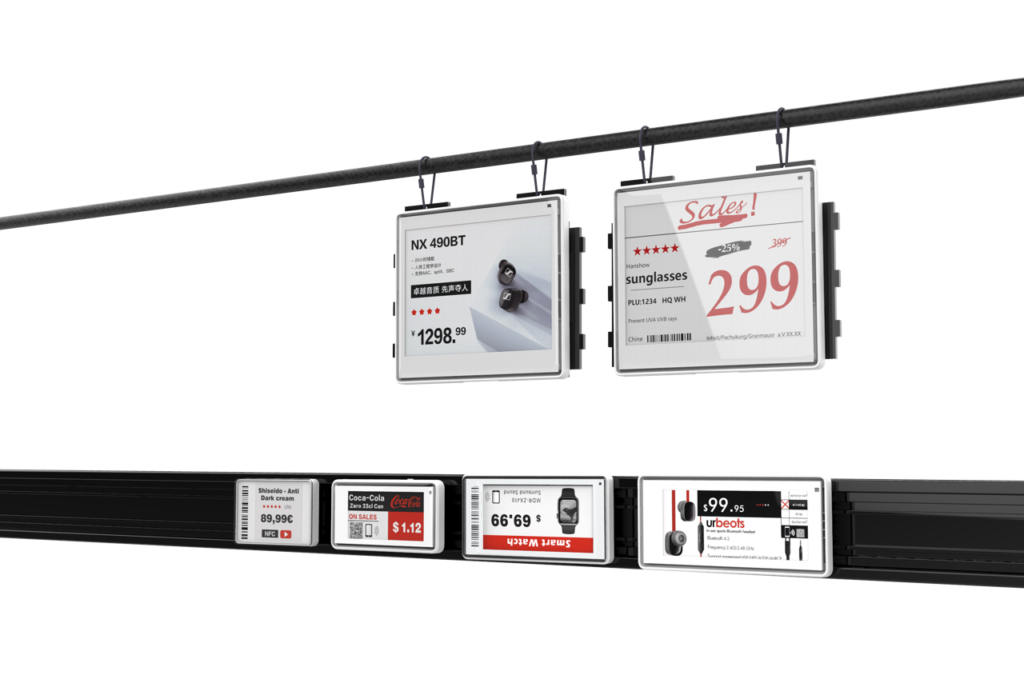
Nova Day supplies mechanical electronic shelf label fittings for selected configurations. Send the exact tag model and a shelf cross-section, then trial the clip or rail before ordering. Software and update capabilities are confirmed separately with the technology provider.
Conclusion
So, why wait?
A store may need more than one display size or mount. Use a pilot that includes the busiest price-change area and the fixture with the least mounting space, then document which label and holder work in each location.
Take the next step today. Assess your needs, explore innovative providers, and embrace the future of retail. Your business—and your customers—will thank you.
Explore our ESL solutions and redefine your retail experience.