Skip to content

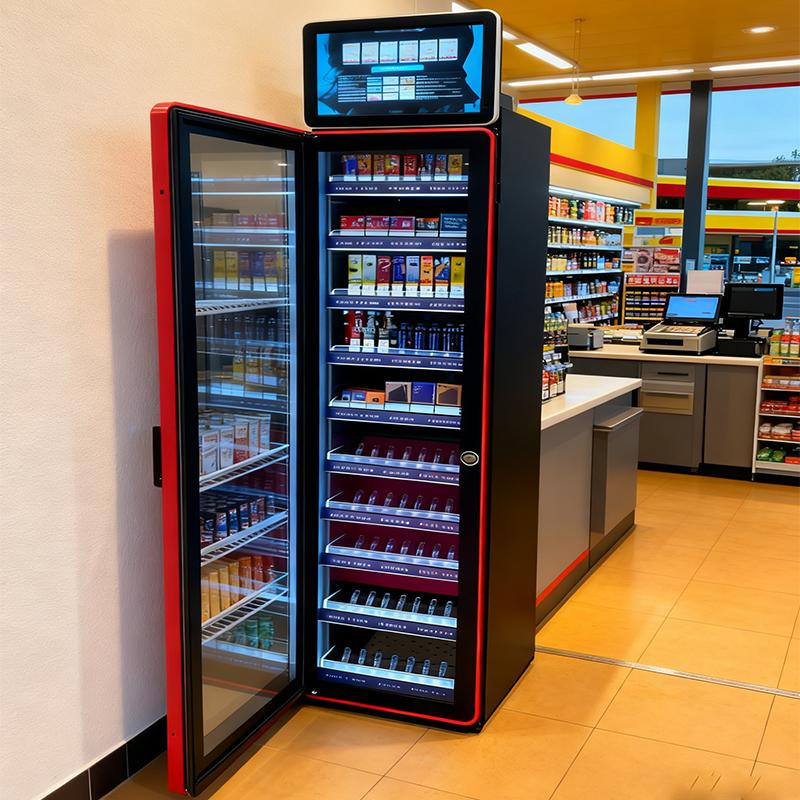
You can find different rules for showing tobacco in stores in many countries, often centered around the debate of Open Display vs Closed Display. Some places allow tobacco products to be visible to customers through open displays, while others require tobacco to be kept hidden behind closed displays. These Open Display vs Closed Display policies are important for you, store owners, and your community. The choice between open and closed displays can significantly influence how people, especially young people, perceive tobacco. Research shows that plain packaging and strong warnings make tobacco less attractive and help people better understand the health risks. Store owners notice that Open Display vs Closed Display regulations impact sales, store security, and how easily they can comply with the law.
Key Takeaways
- Open displays let people see and buy tobacco easily. This can make more people buy it. But it can also make young people want it. – Closed displays keep tobacco out of sight. This makes it harder to see and less interesting, especially for kids. – Countries have different rules for tobacco displays. These rules can change how people act and affect health. – Store owners must pick display racks that follow the law. This helps them avoid getting fined and keeps the store safe. – Modular display racks help stores change fast when rules change. They also help keep the store looking tidy.
Open Display vs Closed Display Explained

What Is Open Display?
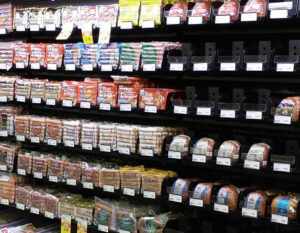
You can see tobacco on shelves in many stores. This is called open display. Store owners put cigarettes and cigars where you can see them. You do not need to ask for help to look at brands or prices. Bright lights and neat racks make tobacco easy to notice. These displays are often near the checkout or in special spots. Open display helps people pick what they want fast. It can also help stores sell more tobacco.
What Is Closed Display?
Closed display means you cannot see tobacco products in the store. Store owners use cabinets or locked trays to hide tobacco. You have to ask a worker if you want to buy tobacco. Closed display makes it harder for kids to see tobacco. You find these setups in places with strict tobacco laws. Closed display keeps tobacco safe and helps stores follow rules. Some racks have locks or panels that only workers can open.
Closed display can make stores safer and stop stealing. You also see fewer tobacco ads in stores with closed displays.
Why Display Policies Matter
Open Display vs Closed Display rules change how you see tobacco in stores. These rules can change sales, safety, and health. Some experts think hiding tobacco stops people from buying it quickly. But a study in eleven European countries found bans and smoke-free laws do not change when kids start smoking. This means display rules alone may not stop young people from trying tobacco. You should know that display choices change how easy it is to buy tobacco and how stores follow the law. Store owners must think about sales, safety, and following the rules.
- Open Display vs Closed Display choices show how countries try to control tobacco.
- You can see that display rules change how tobacco looks in stores and who buys it.
Global Policies on Tobacco Displays
Open Display Countries Overview
You can see open tobacco displays in the United States, Germany, and Japan. These countries let people look at tobacco on shelves or behind the counter. Store owners use bright lights and neat racks to show brands and prices. Open displays help you pick and buy tobacco fast. Many stores use racks, like Nova-day’s, to keep things tidy and easy to see. Open Display vs Closed Display rules change how you shop and how stores sell tobacco. Some countries think open displays help adults choose quickly and help stores sell more.
Closed Display Countries Overview
Many countries now use closed displays for tobacco. You see this in Canada, the United Kingdom, Australia, Norway, and New Zealand. In these places, store owners must hide tobacco behind doors, panels, or locked cabinets. You have to ask a worker if you want to buy tobacco. Closed displays try to protect young people and stop impulse buys. Store owners use special racks, like Nova-day’s Tobacco Display Rack, to stay neat and follow the law. These racks help keep tobacco safe and out of sight, but staff can still get products easily.
Regional Trends and Exceptions
More countries are choosing closed displays every year. Some places started early. Iceland was first to ban shop displays in 2001. Canada banned displays in all provinces by 2010. Ireland was the first EU country to ban displays in 2009. New Zealand started its ban in 2012. The Netherlands banned displays in supermarkets in 2020 and in other stores by 2021, but specialist tobacco shops do not have to follow this rule. The United Kingdom slowly added its ban from 2012 to 2015. Here is a table with some main examples:
| Country/Region | Implementation Date/Details | Notable Exceptions |
|---|---|---|
| Canada | Display ban in all provinces; first in Saskatchewan (2005), latest in Newfoundland (2010) | N/A |
| Iceland | First country to implement a shop display ban (2001) | N/A |
| Ireland | First EU country to implement a display ban (1 July 2009) | N/A |
| New Zealand | Tobacco display ban came into force (23 July 2012) | N/A |
| Netherlands | Ban for supermarkets (1 July 2020), other places (1 January 2021) | Specialist tobacco sellers exempted |
| United Kingdom | Phased implementation from 2012 to 2015 across different shop sizes | N/A |
You can see that Open Display vs Closed Display rules change sales and public health. Open displays might help sales but can let more young people see tobacco. Closed displays help stop temptation and support health goals. Nova-day’s Tobacco Display Rack gives you choices to follow new rules and keep your store legal.
Country-by-Country Comparison
United States
The United States has many rules for tobacco displays. The FDA makes basic rules for signs and displays. Some states add extra laws. In some places, tobacco must be hidden or kept behind the counter. Local governments can make even stricter rules. You must check state and local laws to follow them. Regular checks help you avoid getting fined.
| Regulation Type | Description |
|---|---|
| Federal Compliance | You must follow FDA rules for signage and display. |
| State Variations | Some states require you to hide tobacco or keep it behind the counter. |
| Local Regulations | Local laws may add stricter bans and advertising limits. |
| Compliance Checks | You need regular audits to follow all rules. |
Open Display vs Closed Display rules can change from city to city. You need flexible racks, like Nova-day’s, to adjust fast.
Germany
Most stores in Germany use open displays. Cigarette packs have big warning pictures. These pictures show smoking dangers. Germany still allows outdoor tobacco ads. There is a push to ban these ads soon. Warning labels are easy to see. Studies show habits do not always change. Smoking rates have dropped in recent years.
- Cigarette packs have shock pictures.
- Outdoor tobacco ads are allowed, but may be banned soon.
- Warning labels are easy to see, but habits do not always change.
- Smoking rates have gone down lately.
Japan
Japan uses open displays in most stores. The country has many tobacco laws. Packs have health warnings and high taxes. Smoking is banned in schools, hospitals, and government buildings. The government taxes tobacco a lot. Sales dropped by more than half since 2011. E-cigarettes with nicotine are treated as medicine. You cannot buy them in regular stores.
| Regulation | Description | Effect |
|---|---|---|
| 1984 Tobacco Business Law | Focuses on industry stability and revenue | N/A |
| 2004 FCTC Ratification | Health warnings on packs and high taxes | N/A |
| 2018 Health Promotion Law | Bans smoking in schools, hospitals, and government buildings | Less smoking in public places |
| Tax Increases | 59.9% tax on retail prices | Cigarette sales dropped by 52.7% (2011-2023) |
| E-cigarette Regulation | Nicotine e-cigarettes regulated as medicine | Sale is effectively banned |
Japan’s rules focus on health and taxes. Tobacco is still on display in stores.
United Kingdom
The United Kingdom uses closed displays. You cannot see tobacco in shops. The country banned open displays in all stores by April 2015. The rule aims to cut ads and stop impulse buys. Reports show fewer people see tobacco ads now. Some say the ban caused shop closures and more illegal sales. Experts say other things may play a role.
| Regulation Type | Description | Observed Effects |
|---|---|---|
| Tobacco Display Ban | Complete ban on showing tobacco in shops (by April 2015) | Less exposure to ads and impulse buys. Some claims of shop closures and illegal sales. |
| WHO Report on Display Bans | Bans reduce exposure and impulse buys. | Supports display bans as part of a bigger plan to stop tobacco ads. |
| Claims by Opponents | Some blame the ban for shop closures and illegal sales. | No clear proof that the ban alone caused these problems. |
You must use special racks, like Nova-day’s, to keep tobacco hidden and follow the law.
Australia
Australia uses closed displays too. Most places ban showing tobacco in stores, except specialist shops. The goal is to cut ads and stop impulse buys. Studies show fewer people see tobacco ads and buy on impulse. Some say the ban caused shop closures and more illegal sales. Others think the economy caused these changes.
| Regulation Type | Description | Observed Effects |
|---|---|---|
| Tobacco Display Ban | Ban on showing tobacco in most stores, except specialist shops | Less exposure to ads and fewer impulse buys. Some claims of shop closures and illegal sales. |
You need closed display racks to follow rules and keep your store safe.
Canada
Canada banned open displays everywhere. The first ban started in Saskatchewan in 2005. The last province joined in 2010. After the ban, illegal cigarette sales dropped from 25.1% in 2008 to 20.7% in 2010. Some say the ban caused shop closures. Experts are not sure if this is true.
| Regulation Details | Observed Effects |
|---|---|
| Display ban in all provinces and territories (2005-2010) | Illegal sales dropped from 25.1% (2008) to 20.7% (2010). |
| Some shop closures reported, but link to ban is unclear. |
You must use closed display racks to follow the law and keep tobacco out of sight.
Norway
Norway uses closed displays and plain packaging. You cannot see tobacco in stores. The country bans logos and bright colors on packs. These rules try to make tobacco less attractive to young people. You need special racks to keep products hidden and neat.
New Zealand
New Zealand banned open displays in 2012. You cannot see tobacco in stores. The country wants to protect young people and lower smoking rates. Store owners use closed display racks to follow the law and keep products safe.
Other Notable Countries
Other countries have different rules. Iceland was first to ban tobacco displays. Sweden bans outdoor smoking. Finland bans flavors in e-cigarettes. Norway and Denmark use plain packaging for tobacco and e-cigarettes.
| Country | Policy Description |
|---|---|
| Iceland | Point-of-sale display bans |
| Sweden | Outdoor smoking bans |
| Finland | Flavour bans on e-cigarettes |
| Norway | Plain packaging for tobacco products |
| Denmark | Plain packaging for e-cigarettes |
Open Display vs Closed Display rules change how you buy tobacco worldwide. Each country uses rules to protect health, control sales, and keep stores safe.
Impact of Open Display vs Closed Display
Public Health Effects
You see the effects of tobacco display rules in many ways. When stores use closed displays, fewer young people notice tobacco. This helps lower the chance that kids will try smoking. Health experts say that hiding tobacco makes it less tempting. Open displays can make tobacco look normal and easy to buy. You may see more ads and bright packs in open displays. This can lead to more impulse buys, especially for teens. Closed displays support public health by making tobacco less visible and less attractive.
Sales and Consumer Behavior
Display rules change how you shop. Open displays let you see all the brands and prices. You can pick what you want quickly. This setup can increase sales because you might buy on impulse. Closed displays slow down your choice. You must ask a worker for tobacco. This can stop some impulse buys. Some shoppers may feel shy about asking. Nova-day’s Tobacco Display Rack helps you keep products neat and easy to find in both open and closed setups. You can use racks with lights and signs to show products clearly or keep them hidden when needed.
Compliance and Store Security
You must follow the law in your country. Closed displays help you meet strict rules. They also keep tobacco safe from theft. Nova-day’s Tobacco Display Rack gives you options like lockable trays and sliding panels. These features help you protect your products and follow display laws. Open displays need good organization to stop loss and keep shelves tidy. Nova-day’s racks use pushers and dividers to keep everything in place. You can adjust the racks for new rules or store layouts. This makes it easier for you to stay compliant and secure.
Tip: Choose display racks that match your country’s rules. This helps you avoid fines and keeps your store safe.
You see that Open Display vs Closed Display policies shape health, sales, and store safety. The right display rack helps you succeed in any setup.
Nova-day Tobacco Display Rack Solutions
Features and Benefits
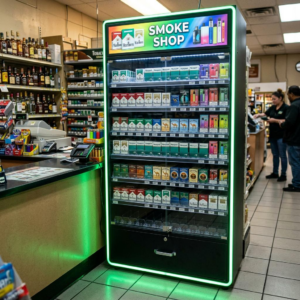
You want your store to look nice and be easy to run. Nova-day Tobacco Display Racks have many good features. You can move the shelves to fit different tobacco boxes. The racks have strong locks to stop stealing and keep kids away from tobacco. Bright lights on the signs help people see what you sell. Clear fronts let people look at the tobacco, but everything stays neat. The racks are small, so you can use them in tiny stores or busy places.
Here are some main features and benefits:
- You can move shelves to fit many products.
- Locks keep your tobacco safe.
- Bright signs make your display stand out.
- Clear fronts show products and keep them tidy.
- Small racks fit in tight spots.
Tip: Nova-day racks help you keep your store clean and make shopping simple for your customers.
Customization for Compliance
You must follow your country’s rules. Nova-day racks make this easy for you. The racks are modular, so you can change them if laws change. You can pick the size and look that fits your store and local rules. Lockable trays help you check ages and follow display bans. The racks are made from strong materials, so they are easy to clean and meet health rules.
| Feature | Benefit |
|---|---|
| Modular Design | Change racks fast when laws change |
| Custom Size/Style | Fit your store and follow the rules |
| Lockable Trays | Help check ages and follow display bans |
| Durable Materials | Easy to clean and good for health rules |
Enhancing Store Security and Sales
You want to keep tobacco safe and sell more. Nova-day racks have strong locks and real-time shelf checks. These features help stop stealing and tell you if there is a problem. Stores with good locks and smart checks lose less tobacco, sometimes by 60%. When your products are neat and easy to see, customers find what they want fast. This helps you sell more and keeps your store running well.
- Locks stop people from stealing.
- Real-time checks warn you about problems right away.
- Neat displays help customers buy fast.
- Strong locks lower tobacco losses.
Note: Nova-day racks help you follow the law, keep tobacco safe, and sell more.
Comparative Analysis & Practical Implications
Key Differences by Country
Tobacco display rules are not the same everywhere. Some countries do not allow open displays. Other countries let stores show tobacco on shelves. Health groups want to ban open displays. The tobacco industry wants to keep them open. You can check this table to see the differences:
| Country | Tobacco Display Policy | Year Implemented | Influence of Interest Groups |
|---|---|---|---|
| Finland | Ban | 2010 | Health groups dominant |
| Ireland | Ban | 2002 | Health groups dominant |
| Germany | No ban | N/A | Tobacco industry dominant |
| Italy | No ban | N/A | Tobacco industry dominant |
| Belgium | Proposed ban | 2016 | Mixed interests |
| Netherlands | Voluntary agreement | 2015 | Mixed interests |
Countries with strong health groups often ban open displays. Countries with strong tobacco industry support keep displays open. These rules change how people see and buy tobacco.
Lessons for Retailers
You can learn from cities with strict tobacco rules. Many places in the United States use local laws to control tobacco sales. Some cities raise the age to buy tobacco. Others stop discounts or limit stores near schools. Here are some examples:
| Location | Policy Description |
|---|---|
| Alachua County, Florida | Raised the legal sales age for tobacco to 21. |
| Edgewater, Colorado | Requires a license to sell tobacco. |
| New York City | Bans price discounts for tobacco. |
| Providence, Rhode Island | Stops stores from selling tobacco at a discount or using coupons. |
| Golden Valley, Minnesota | Uses strong prevention policies to lower tobacco use. |
| Philadelphia, Pennsylvania | Limits the number of tobacco stores near schools. |
Tip: Always check your local laws. Use display racks that you can change fast when rules change.
Policy Recommendations
Public health groups want to keep tobacco away from kids. Their main ideas are in this table:
| Recommendation | Description |
|---|---|
| Clerk intervention for sale of tobacco products | A worker must help with every tobacco sale. |
| Elimination of self-service displays | Customers cannot grab tobacco themselves. |
| Elimination of vending machines | Stores cannot use vending machines for tobacco. |
You can use these ideas to keep your store safe and legal. You help your community and support better health.
Countries have their own rules for tobacco displays. Some stores show tobacco, but others hide it. Many places make tobacco cost more and ban flavors. They also set minimum prices to help people stay healthy. Nova-day’s Tobacco Display Rack helps you follow these rules. It keeps your store neat and organized. Smart display choices help stores stay safe. They also help communities be healthier.
FAQ
What is the difference between open and closed tobacco displays?
You see tobacco products in open displays. Closed displays keep tobacco hidden behind doors or panels. Open displays make products easy to spot. Closed displays help protect young people and support health goals.
How can Nova-day’s Tobacco Display Rack help you follow tobacco display laws?
You use Nova-day’s racks to organize tobacco neatly. The racks have lockable trays and sliding panels. You can adjust them to match your country’s rules. This helps you stay legal and keeps your store safe.
Can you customize Nova-day’s Tobacco Display Rack for your store?
You choose the size, color, and layout for your rack. Nova-day lets you pick features that fit your store. You can add lights, signs, or locks. Custom racks help you meet local laws and improve sales.
Why do countries ban open tobacco displays?
You see bans because health experts want to protect young people. Closed displays make tobacco less visible and less tempting. Countries use these rules to lower smoking rates and support public health.