Introduction
The Role of ESL in Smart Retail: How Digital Labels Are Redefining Shopping
In a connected store, electronic shelf labels (ESLs) display data from a pricing system. A manager can schedule a promotion centrally and check whether the correct prices reached the shelf when the change went live.
Price and stock updates follow different workflows. The ESL can display inventory data only if the relevant systems supply it. Store teams still need a way to identify unconfirmed price updates, check the till and resolve exceptions.
This shift isn’t just about convenience. It’s about survival. In today’s ultra-competitive retail space, those who fail to embrace smart retail solutions risk falling behind. ESLs are more than digital labels; they are the beating heart of modern retail efficiency. The question isn’t whether retailers should adopt them—it’s how soon they can afford not to.
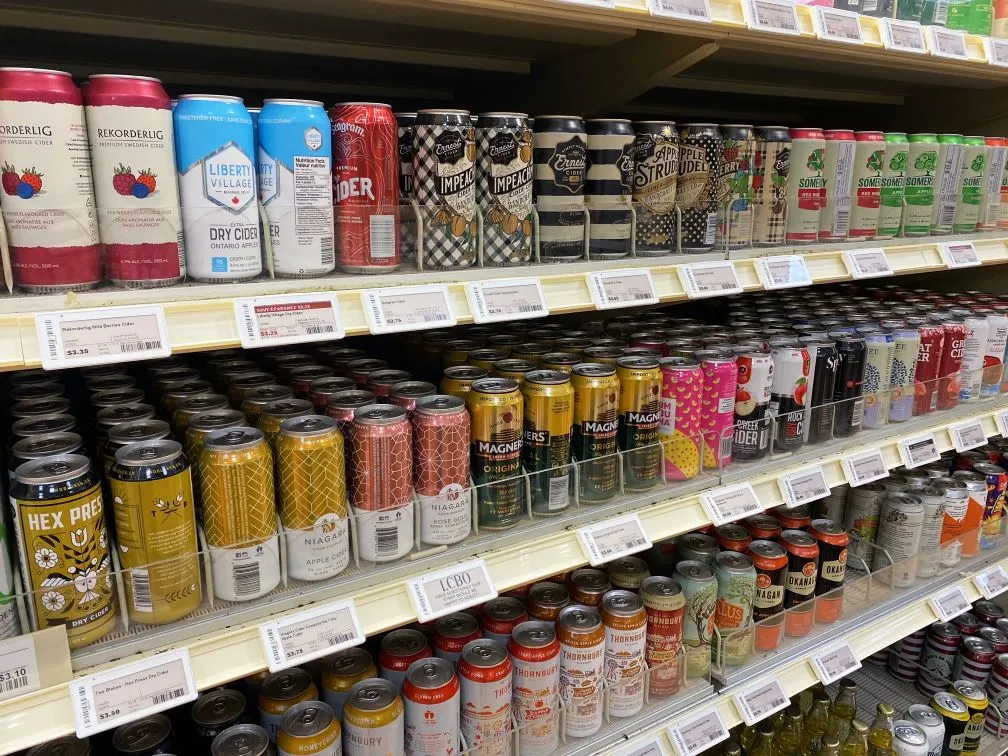
Understanding Smart Retail
Retail is evolving—fast.
Gone are the days when brick-and-mortar stores relied solely on traditional setups. Today, technology has rewritten the rules of engagement, bringing efficiency, automation, and data-driven decisions to the forefront.
This is what smart retail is all about—a blend of innovation and intelligence designed to meet modern consumer demands.
What is Smart Retail?
Think of it as a high-tech makeover for the retail industry.
Smart retail refers to the use of digital tools, automation, and real-time analytics to enhance both the customer experience and operational efficiency. From self-checkouts to AI-driven recommendations, every element works together to create a seamless shopping environment.
But the real game-changer? Dynamic, real-time pricing.
This is where digital shelf solutions play a pivotal role. By removing human error and slow manual adjustments, retailers can react to market shifts in seconds.
Why Smart Retail Matters
Shoppers are impatient. They want accuracy, speed, and convenience.
A connected store can send approved promotions to its labels. Before rollout, check how staff verify an update and how the store handles a label left on the previous price.
For retailers, this means fewer pricing mistakes, optimized stock management, and reduced overhead costs. The result? Higher profits and stronger brand loyalty.
The Role of Digital Transformation in Retail
Retail is no longer just about selling products—it’s about creating experiences.
With automation taking center stage, digital tools allow businesses to analyze buying patterns, optimize shelf space, and personalize shopping journeys.
This shift isn’t temporary. It’s the future of commerce, and those who resist will struggle to keep up.
What Are Electronic Shelf Labels (ESL)?
Traditional price tags are outdated.
Manual updates, human errors, and price mismatches at checkout cause frustration for both customers and employees. The solution? A smarter, automated approach.
Defining ESL Technology
At its core, ESL (Electronic Shelf Labels) are digital price tags that replace paper labels.
An ESL platform sends approved prices and promotions to assigned labels. For inventory information, confirm whether the inventory system supplies a value and how fresh it is.
It’s automation at its finest.
The Evolution of Price Tagging in Retail
Static price tags are a thing of the past.
For decades, retailers relied on printed labels that required manual replacements. Not only was this process tedious, but it also led to frequent pricing discrepancies.
With centralized labeling, staff can send multiple updates together. Confirmation from the label system shows which records need attention.
How ESL Integrates with Retail Operations
Everything connects in today’s retail world.
Electronic shelf labels don’t work in isolation—they integrate with point-of-sale systems, inventory management tools, and online marketplaces.
With one centralized system, prices adjust automatically, promotions sync across all platforms, and in-store inventory updates in real time.
This level of efficiency isn’t just beneficial—it’s essential.
The Benefits of ESL in Smart Retail
Efficiency is king.
A shelf price can be wrong because of its source data, its assignment or a missed update. Give staff one check for each cause.
Increased Pricing Accuracy & Consistency
No more mismatched prices at checkout.
After a batch update, compare the shelf label with the approved price and the till. Check exceptions for the correct SKU assignment, label status and whether a resend is required.
For retailers, this means fewer disputes, smoother transactions, and a boost in consumer confidence.
Operational Efficiency & Cost Savings
Manual price updates? A thing of the past.
Price updates can reduce manual tag changes. Include label matching, exception handling and testing before estimating the labor effect.
The result? A streamlined, cost-effective operation.
Enhancing Customer Experience
Customers don’t just want the right price—they want more information at their fingertips.
Electronic shelf labels can display additional product details, customer reviews, or even QR codes leading to online guides. This creates a richer shopping experience, bridging the gap between physical and digital retail.
When technology enhances efficiency, everyone wins.
Next Steps
Smart retail is here, and digital pricing solutions are leading the way.
From boosting efficiency to enhancing customer trust, electronic labeling technology is redefining how businesses operate. The real question is: Are retailers ready to embrace the change?
The Role of ESL in Dynamic Pricing Strategies
Pricing is no longer static.
In the fast-paced world of retail, flexibility is the key to success. Businesses must be able to adjust their prices on the fly to keep up with demand, competition, and inventory levels.
Enter real-time pricing solutions—the future of pricing optimization.
Real-Time Price Adjustments
What if prices could change instantly?
Where the retailer uses dynamic pricing, send approved changes according to the store’s policy. Verify the effective time at both the register and shelf.
A supermarket could schedule a markdown for a perishable line, while an electronics store could coordinate an in-store price with an online offer. Confirm how those updates are approved, transmitted and checked in the systems the store actually uses.
It’s a game-changer for retail profitability.
Competitive Pricing & AI-Based Adjustments
The retail battlefield is fierce.
To stay ahead, businesses must analyze market trends and competitor pricing strategies. With AI-driven solutions, retailers can set automated price changes based on industry trends, demand surges, or supply chain fluctuations.
Instead of manually researching prices, digital tools do the heavy lifting. The result? More strategic pricing decisions with minimal effort.
Promotions & Personalized Discounts
Shoppers love a good deal.
Imagine walking through a store and receiving a personalized discount based on your shopping history. Smart pricing solutions integrate with loyalty programs, offering tailored promotions at the perfect moment.
Flash sales, bundle deals, and limited-time discounts can be applied instantly, driving impulse purchases and increasing basket size.
When pricing is dynamic, every opportunity is maximized.
ESL & Sustainability in Retail
Retail waste is a global problem.
From paper waste to excessive energy consumption, traditional store operations contribute heavily to environmental issues. Fortunately, digital solutions are paving the way for a more sustainable future.
Reducing Paper Waste
Paper tags? Outdated.
Millions of price labels are discarded daily, contributing to unnecessary waste. By switching to digital alternatives, businesses can eliminate the need for constant reprinting.
This shift doesn’t just save trees—it streamlines operations while reducing costs.
Energy-Efficient Retail Technology
Going green isn’t just a trend—it’s a necessity.
An e-paper label uses little display power to hold a static image. Compare the label, update frequency, battery service and network equipment when estimating energy use.
It’s a win for the planet and the bottom line.
Minimizing Product Waste with Expiry Date Monitoring
No one likes wasted food.
Supermarkets often discard tons of expired products due to inefficient tracking. Digital labeling systems enable real-time expiration date monitoring, allowing retailers to apply markdowns before items go to waste.
This strategy not only reduces losses but also helps customers save money while making sustainable choices.
ESL & Inventory Management Optimization
Stockouts and overstocking—retail’s biggest nightmares.
Managing inventory is a delicate balance. Too much stock leads to wasted resources, while too little means missed sales opportunities.
Thankfully, automated tracking solutions are changing the game.
Real-Time Stock Level Updates
No more guessing games.
A store’s inventory system may trigger an alert when stock falls below a threshold. Staff check the count and take the appropriate refill action.
This means no more frustrated customers searching for products that aren’t there. Efficiency at its finest.
Improved Supply Chain Coordination
A smooth supply chain means better profits.
Use the inventory and replenishment systems to confirm quantity, availability and delivery timing. A connected label may display selected data from those systems.
Store staff still verify physical stock and replenishment at the shelf.
Using ESL for Planogram Compliance
Shelf space matters.
Stores need to ensure products are placed correctly and consistently. Digital pricing systems help enforce compliance, ensuring that each product is displayed in its designated location.
With real-time tracking, retailers can optimize shelf layouts for maximum visibility and sales performance.
Next Steps
Retail is evolving, and automated pricing and inventory management are leading the charge.
By reducing waste, enhancing efficiency, and maximizing profitability, modern solutions are shaping the future of retail success.
The question is: Are businesses ready to embrace the future?