Knowledge by topic

Shelf Management System

Read shelf management guides on fronting stock, dividing product lanes and selecting systems for retail shelving and replenishment.

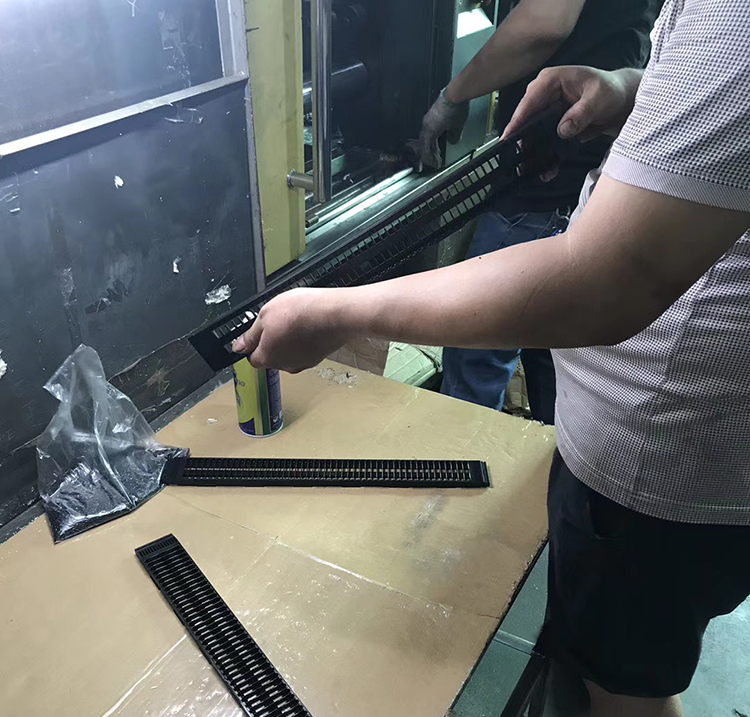
A worker guides a long dark track component through a workshop machine.

March 18, 2025

Maintenance Tips for Gravity Shelf Roller Tracks

Maintaining gravity shelf roller tracks is crucial for seamless product movement and efficient inventory management. When these systems are well-kept, they enhance shelf organization, reduce labor costs, and improve the shopping experience. But neglecting regular upkeep can lead to product jams, uneven rolling, and even costly replacements.
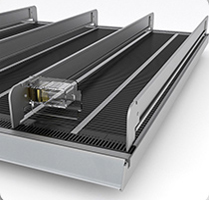
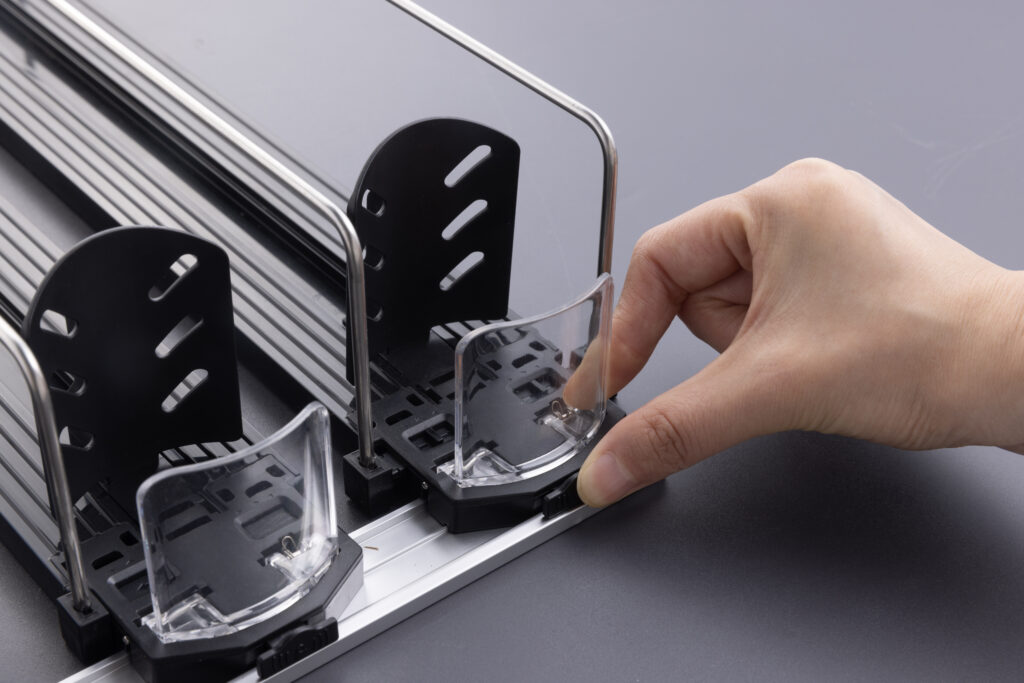
Tall black dividers separate the roller lanes, with a clear pusher component visible in the nearest lane.

March 15, 2025

Shelf Roller Track Types and Alternatives for Retail Shelves

In a fast-paced retail environment, efficiency and organization are crucial. Shelf roller tracks have transformed the way products are displayed, making restocking easier and enhancing customer experience. Whether in supermarkets, convenience stores, or electronics retailers, these systems streamline operations by keeping merchandise neatly aligned and always within reach.
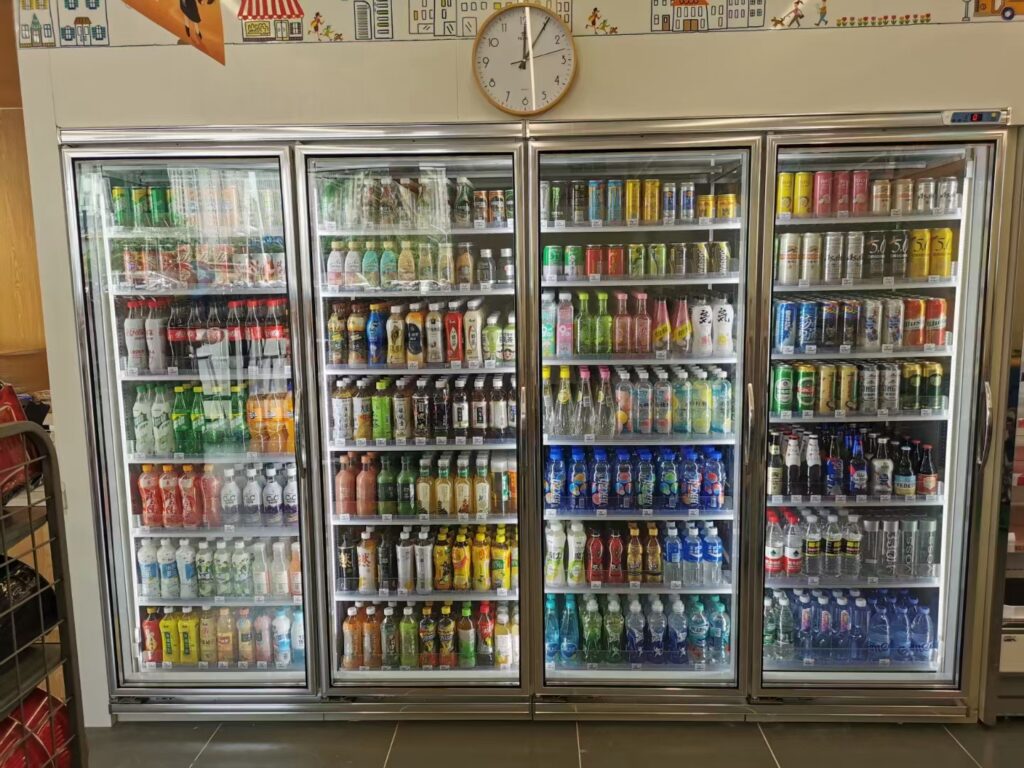
Rows of bottled and canned drinks in a four-door glass-front cooler.

March 14, 2025

How Shelf Roller Tracks Enhance Customer Shopping Experience

Shoppers expect convenience, speed, and organization when browsing store aisles. However, cluttered displays and hard-to-reach products can lead to frustration, reducing overall customer satisfaction. This is where shelf roller tracks come in—they streamline product presentation, making items easily accessible and ensuring shelves always look well-stocked.
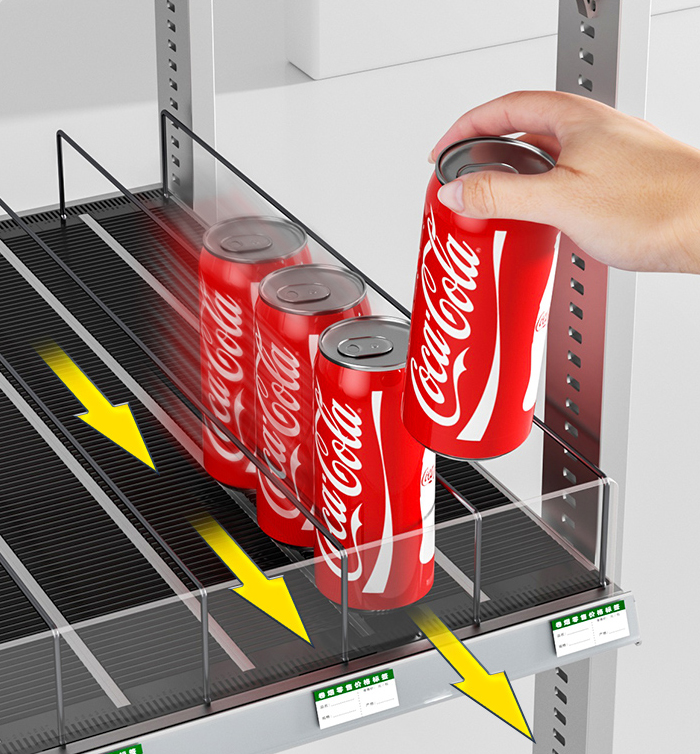
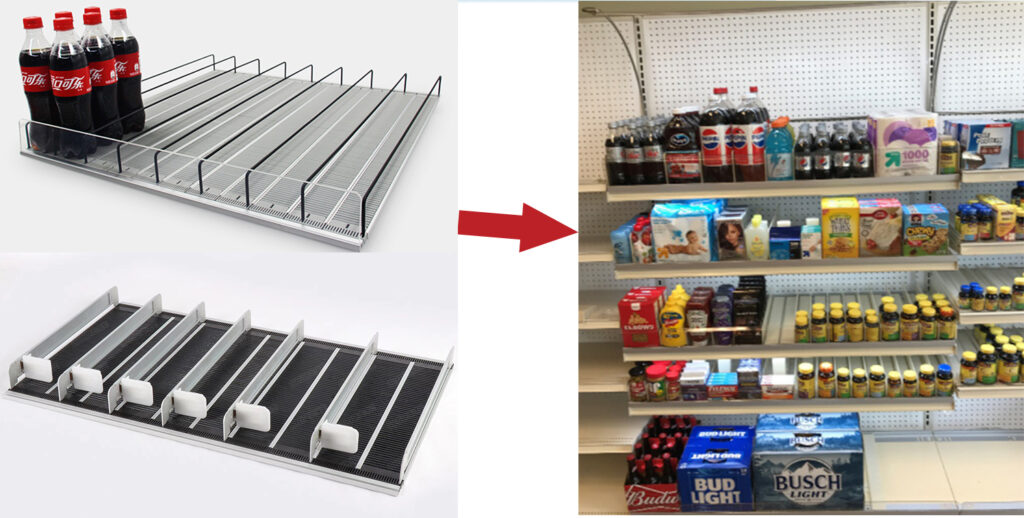
A wire-divided roller deck and a black deck with white pushers are shown beside grocery shelves stocked with bottles, boxes and jars.

March 10, 2025

Why do Supermarkets Use Shelf Roller Tracks for Product Display?

For supermarkets, the benefits go beyond aesthetics. Roller tracks streamline restocking, reduce labor costs, and prevent product waste by supporting a first-in, first-out (FIFO) rotation system. As competition in retail intensifies, adopting modern display solutions is no longer an option—it’s a necessity.