Skip to content


When did a retail sign last make you stop and go inside? That moment shows how strong good signage can be. This guide helps you pick the right retail sign by focusing on three choices: material, design, and display hardware. You will look at key points: location (inside or outside), durability, brand consistency, and budget. Prices go from $20 for simple signs to over $250 for large outdoor signs. You also need to match signage to the customer journey and plan for graphic updates. We offer expert-backed comparisons to help you spend wisely. Your store’s feel and sales will improve.
Key Takeaways
- Pick sign materials based on where they go and how long they last. Aluminum works for outdoor signs. Acrylic works indoors. Foam board works for short-term use.
- Design signs for quick reading. Use simple fonts and strong color contrast. Make letters big enough for the viewing distance.
- Make your sign match your brand. Use the same colors and styles. This helps people trust and remember you.
- Pick sign holders that match your area. A-frame signs work well on sidewalks. For clothing racks, use holders that attach right onto them.
- Change promotional signs every 4 to 6 weeks. Look at signs each month for damage. New signs keep customers interested.
Assessing Your Retail Sign Requirements
Before you look at sign materials or holder choices, you need to know what your retail sign must do. Every sign has one of three main jobs: promotional, wayfinding, or branding. Promotional signs tell customers about sales and deals to get them to buy now. Wayfinding signs help people find their way around your store and find products. Branding signs show your store’s identity and feel without pushing a specific sale. Your main job will guide every later choice, from material to where you put it.
Defining the Purpose and Location of Your Sign
Start by asking yourself one question: where will this sign be placed? The answer tells you if it’s an indoor or outdoor sign, and that choice shapes everything else. Outdoor signs face direct sun, rain, humidity, and temperature changes. They must catch the attention of people walking or driving by, often in just a few seconds. Indoor signs are in controlled spaces with steady temperatures and little moisture. Customers move slower and look longer, so you can add more detailed messages.
Your placement also shows your sign’s purpose. A sidewalk A-frame that promotes a weekend sale does a promotional job. An aisle marker that points shoppers to the fitting rooms does a wayfinding job. A full-wall brand panel near your entrance shows your identity. Think about your customer’s path through your store. Where do they need help? Where do they need convincing? Where do they need to feel good about your brand? Each answer leads to a different sign with a different job.
Balancing Durability, Branding, and Budget
Once you set the purpose and place, you must balance how much you spend now against how long the sign will last. Sign materials vary a lot in both price and lifespan. Aluminum lasts a long time, often 10–15 years outdoors, but costs more upfront. PVC is a cheaper choice but only lasts 1–3 years, so it works best for short-term sales. Acrylic is in the middle, with a classy look and average durability.
Your branding needs should guide this balance. A high-end boutique cannot use cheap foam board without hurting its image. A pop-up shop running a seasonal sale does not need strong aluminum. Think about how long you will use the sign and how often you will change it. The Sign Research Foundation says that 61% of shoppers have missed a storefront because the sign was hard to read or too small. That fact shows why visibility matters more than saving a few dollars now.
Work with a sign maker who understands your budget limits. Clear talk about costs helps find solutions that look good without spending too much. Remember that your retail sign represents your business every day. A strong, well-designed sign pays for itself by building your brand and earning customer trust.
Comparing Materials for Your Retail Sign
The material you pick changes how your retail sign looks, how long it lasts, and where you can put it. Each material has good and bad points for indoor and outdoor use. Knowing these differences helps you choose the right sign materials for your needs. The right sign materials can help or hurt how your store talks to customers. Different sign materials give different benefits based on your location and budget. When you compare sign materials, think about looks, durability, and price. Good sign materials fit your purpose and space. Buying quality sign materials pays off over time. The best sign materials balance all these points.
Acrylic and Aluminum for a Premium Look
Acrylic and aluminum are top picks for a professional, high-end look. Acrylic has a glass-like finish that looks sleek and modern. It is lighter than glass and won’t shatter easily, so it’s safer in busy areas. You can make a cool three-dimensional effect by putting a solid background color behind the acrylic. LED lights work great with this material, spreading light well for better visual appeal. Non-glare coatings soak up light and make the sign easier to read in bright stores. Acrylic can also look frosted, like frosted glass, without the high cost or breakage risk. But acrylic has limits. It doesn’t hold up as well outdoors and may scratch, fade, or bend over time when hit by direct sun or extreme heat.
Aluminum brings different strengths. It won’t rust, is tough, and handles harsh weather well. This sign material works great for storefront signs that face rain, snow, and sun year after year. Aluminum resists rust and keeps its shape over time. It still looks professional and upscale, though it offers fewer color choices than acrylic. You may need to repaint or resurface aluminum now and then to keep it looking fresh. For outdoor signs that need to last a long time, aluminum is a solid pick. Both materials work well for premium retail use.
| Aspect | Acrylic | Aluminum |
|---|---|---|
| Durability | Less durable outdoors; may scratch, fade, or warp | More durable, rust-proof, stronger for outdoor use |
| Appearance | Vibrant colors, sleek modern look, high customizability | Professional, upscale appearance with less color variety |
| Weather Resistance | May fade or warp in direct sunlight or extreme temperatures | Resistant to corrosion and rusting, better for outdoor conditions |
| Maintenance | Easily wiped clean, less frequent maintenance needed | May require repainting or resurfacing periodically |
PVC, Foam Board, and Other Cost-Effective Options
Not every retail sign needs to last ten years. For short-term deals, seasonal sales, or indoor displays, cheaper materials like PVC and foam board work fine. These sign materials cost less upfront but still look professional. PVC foam board costs 15–30% more per sheet than regular plywood, but the whole project often ends up cheaper. You don’t need to prime, seal, or treat the edges. This material handles dampness well and won’t rust. These traits make PVC a smart pick for semi-permanent signs. When comparing sign materials for indoor use, PVC gives great value. These sign materials work well for businesses watching their budget.
You can use PVC for menu boards, promo signs, and checkout displays. It holds printed graphics well and looks clean and professional. Outside, PVC lasts about 2–4 years in full sun and 4–6 years in shade. Regular PVC foam board may fade, bend, get brittle, and lose surface quality when exposed to weather. Darker colors fade faster than white. You can make it last longer with UV-resistant coatings or lamination. Your signage needs will decide which material fits best.
Foam board costs the least upfront. It works best for short-term indoor displays, trade shows, and events. This material is light and simple to cut and put up. But foam board isn’t good for outdoor use or backlit signs. It’s not very stiff, so you may need extra support. Outside, it usually lasts only 2–5 years, and it breaks down faster without protection. Good signage helps you talk clearly with your customers.
For businesses that want eco-friendly options, some PVC makers now offer recycled content and recyclable materials. These eco-friendly signage choices help cut down on environmental harm. Think about your timeline and location carefully. If you need a sign for a few weeks indoors, foam board saves money. If you need a sign for a few years outdoors, invest in aluminum or treated PVC. Matching the material to the job ensures you get the best value for your money. Professional signage makes your store look trustworthy and neat.
Mastering Retail Sign Design Principles

Your retail sign’s design matters just as much as its material. A sign that is built well but has hard-to-read text or weak contrast will not work. Customers make quick choices based on what they see first. Good design rules help your message reach people fast and clearly. The right design turns a simple display into a strong sales tool.
Ensuring Readability and Visual Hierarchy
Readability starts with the font you pick and its size. Sans-serif fonts like Arial, Helvetica, and Futura are easiest to read from far away. Script or fancy fonts become hard to read when seen from a distance. Use the 1-inch-per-10-feet rule: for every ten feet of viewing distance, letters should be one inch tall. A sign seen from 50 feet away needs letters at least five inches tall.
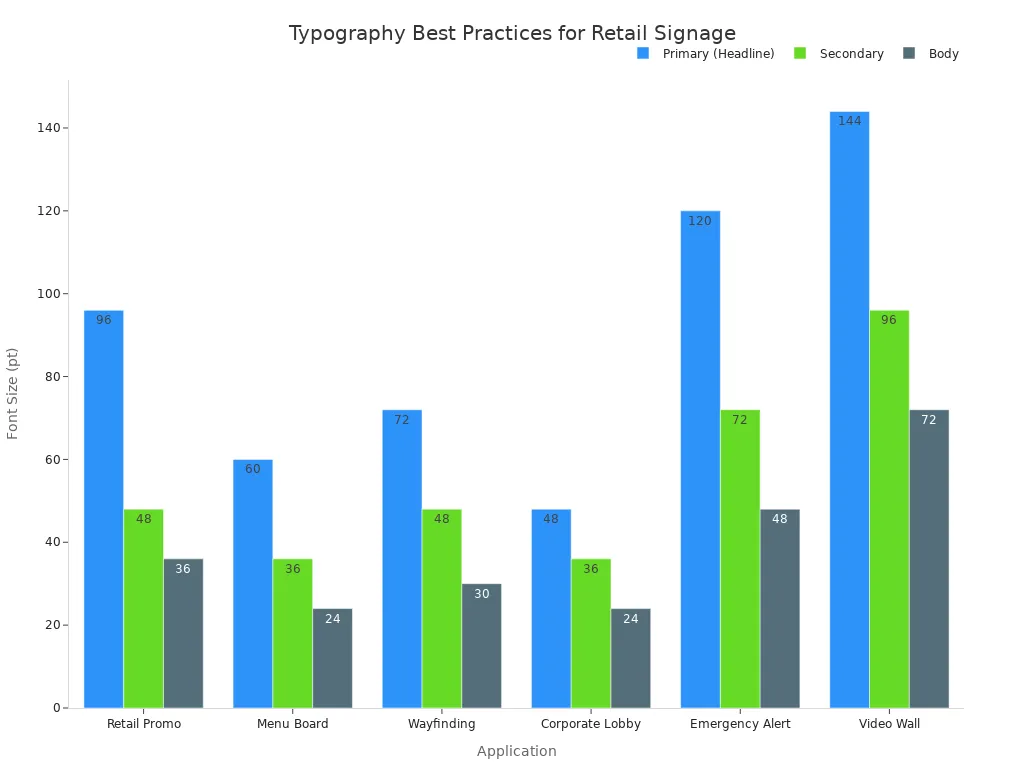
Color contrast decides if customers can read your message quickly. The WCAG standard says body text should have a contrast ratio of at least 4.5:1. Black on white gives a 21:1 ratio, making it the best choice. Yellow on black also works well at 12:1. Stay away from low-contrast pairs like red text on green backgrounds.
| Viewing Distance | Recommended Font Height Range |
|---|---|
| 30 ft | 1.5–6 inches |
| 50 ft | 2–10 inches |
| 100 ft | 4–20 inches |
| 250 ft | 10–50 inches |
Visual hierarchy puts the most important information first. Use size, color, and placement to guide the eye. Your headline should stand out the most, with supporting details below. Use no more than two font styles per sign to keep it clean. Try the squint test: look at your sign from the intended distance and squint. If the text disappears, make it bigger. A clear message with strong hierarchy helps people understand it fast.
Aligning Design with Your Brand Identity
Your signage must support your brand identity at every point where customers meet it. Using the same typography, colors, and materials creates a smooth experience. A luxury boutique needs elegant, refined designs with lots of white space. A playful children’s store works better with bold colors and rounded fonts. Your sign designs should match your store’s personality.
Finish and texture add another way to express your brand. Matte finishes look classy and cut down on glare. Glossy surfaces feel modern and lively. Frosted acrylic gives an upscale look while still offering privacy. These choices shape how customers see your business before they read even one word.
Customization lets you match signage to your exact brand colors. Work with your sign maker to pick colors that fit your logo and store decor. Think about how your signage will look at different times of day and under different lights. A steady approach across approach, arrival, orientation, navigation, and confirmation stages builds customer trust and shows professionalism. Your signage pays off when every piece works together to tell your brand story.
Selecting the Right Sign Holders and Display Systems
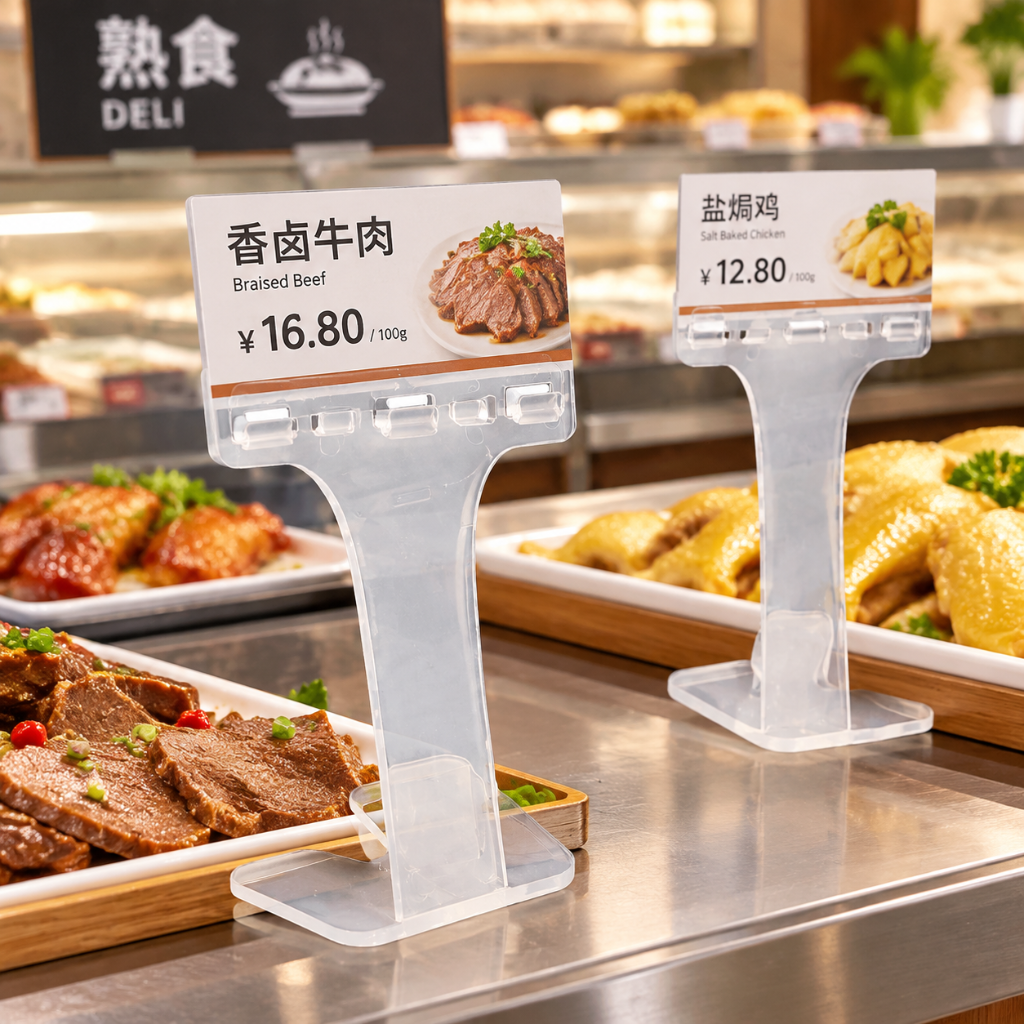
Even the best retail sign won’t work if you don’t have the right hardware to show it. You can spend money on top materials and perfect designs, but bad sign holders can ruin everything. The right display system keeps your message easy to see, steady, and professional. It also protects your money by stopping damage and wear. Think of sign holders as the base that holds up your visual communication plan.
Floor-Standing and A-Frame Sign Holders
Floor-standing holders do different jobs depending on where you put them. A-frame signs work great for sidewalk ads because they sit right where people walk. These holders grab attention better than signs on walls. They also cost less to make, so they are a cheap signage choice. Most A-frame signs are easy to carry and fold flat for simple storage. You can move them during the day or try different spots without paying for installation.
For busy retail areas, look for certain features in floor-standing holders. Weighted bases give extra stability when customers bump into the sign or wind blows. Strong metal builds with chrome or matte black finishes look professional and last long. Freestanding designs don’t need wall mounting, so you can put them anywhere. Easy-to-change parts let you swap promotional messages fast.
| Material | Suitability for High-Traffic Retail | Key Limitation |
|---|---|---|
| Acrylic | Ideal – resists impacts, stays clear | Needs mild soap cleaning |
| Metal | Durable but may rust over time | Needs protective coating |
| Glass | Fragile, cracks easily | Takes time to clean |
| Wood | Not good – scratches and warps | Keep away from water |
Steel-based stands with snap frames hold up to crowds and heavy use. Models with brochure pockets or quick-change graphics make them more useful and flexible for retail sales. Studies show that wayfinding signs using these holders lower customer worry by 20% and boost happiness by 15%. Normal holders can support up to 15 pounds with a 12-pound steel base. Heavy-duty ones handle 35 pounds with a 30-pound reinforced steel base and bigger locking wheels. Pick based on your sign size and how many people come by.
Solutions for Fashion and Apparel Displays
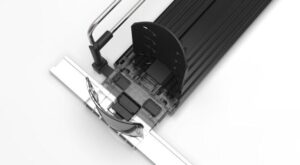
Clothing stores face special challenges with signage. Garment racks move a lot as shoppers look through items. Signs must stay easy to see without taking up valuable rail space. Reflex Sign Holders from Nova-day solve these problems with smart design. These sign holders attach right to clothing racks, keeping your retail sign visible without cluttering shelves.
The polycarbonate build is very strong. This material keeps its shine and doesn’t bend even after months of daily use. Break-resistant acrylic stops cracks and shattering when shoppers bump into displays. UV-resistant material stops yellowing, so it looks good for a long time near windows or bright store lights.
Setup takes under five minutes with the tool-free push-and-snap method. Staff just press the holder together without special tools or professional installers. This saves time compared to old signage that needs brackets and screws. The frame is 100% reusable, so swapping graphics takes minutes and allows fast in-store updates.
| Benefit | Description |
|---|---|
| Stays in place when touched | Perfect for clothing racks, keeping signs neat and seen |
| Improves visual communication | Doesn’t take up shelf space, giving clear product info |
| Durable material | High-clarity polycarbonate gives long-lasting shine |
| Wide compatibility | Fits 98% of rail systems and works with shelves, hooks, or clothing arms |
| Tool-free setup | Simple push-and-snap install; no tools needed |
| Quick sign changes | Easily swap signs for updates on prices or sales |
These sign holders fit 98% of rail systems and adapt to different fixtures. The Garment Hanging Arm Model works with every display arm shape. The Display Hook Model adds a smooth touch to fashion hooks. Slim frames keep the focus on clothes, not signs. Smooth edges protect shoppers and delicate fabrics from snags. Available in A8, A6, and A5 sizes, these holders make rebranding easy. You can swap price inserts or branding materials in seconds, keeping your store signs current without changing hardware. For busy clothing stores, this mix of strength, flexibility, and speed makes Reflex Sign Holders a useful tool.
Choosing the perfect retail sign means balancing durable materials, clear design, and the right display hardware for your space. Revisit your location, budget, and brand identity before purchasing. These retail sign decision tips guide you toward a smart investment.
View your signage as a strategic asset, not an expense. Strong signs improve your store’s atmosphere, guide customers, and boost sales. Quality signage solutions pay returns daily.
Your business deserves signs that work hard. Consult a signage expert or explore proven display options like Nova-day’s Reflex Sign Holders. Take action today and transform your retail space with confidence.
FAQ
What material works best for an outdoor retail sign?
Aluminum is the best pick for outdoor signs. It does not rust, stands up to bad weather, and lasts 10–15 years. Acrylic is fine inside but can bend or lose color in direct sun. For a retail sign that faces the weather, aluminum gives you the strength you need.
How do I select the right sign holders for my store?
Pick sign holders that fit your space. Floor-standing A-frames work well on sidewalks and busy entrances. For clothing racks, choose holders that clip right onto the racks. Reflex Sign Holders from Nova-day fit 98% of rail systems and need no tools to set up. Think about your space and how people move through it first.
How often should I update my retail signage?
Change promotional signs every 4–6 weeks to keep deals fresh. Swap out permanent branding signs only when your brand changes. Look over your signs each month for fading, scratches, or damage. Regular updates keep customers interested and make your displays look neat and up to date.
What design elements make a retail sign easy to read?
Use simple fonts without extra lines and strong color pairs like black on white. Follow the rule of 1 inch of letter height for every 10 feet of viewing distance. Use no more than two font styles on one sign. Put your main message at the top. These tips boost visibility and help customers get your message fast.
Can I use the same sign materials indoors and outdoors?
Yes, but results differ. Aluminum and treated PVC handle both settings well. Foam board is only for indoor use or short outdoor events. Acrylic works best inside. Always check how the material handles weather before you put it up. Matching the material to the spot stops early replacement costs.