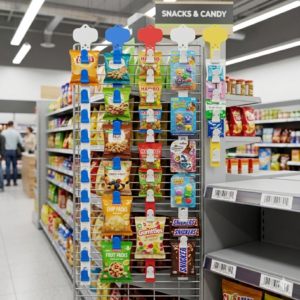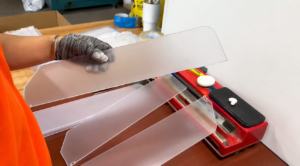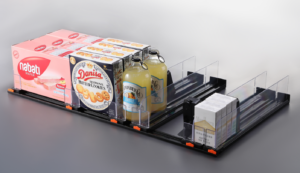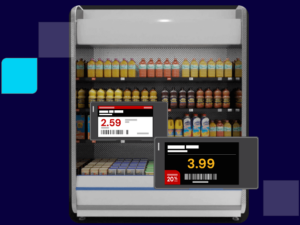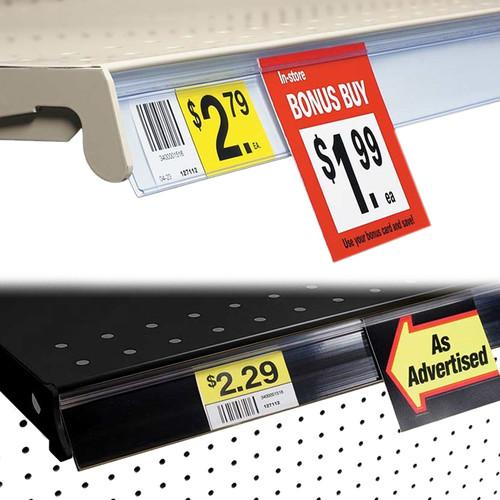
You want to pick the material with the best cost per store for data strips shelf edge strips. PVC is the cheapest choice right now. This is true even after supply chain problems and an 18% price jump. When you check the total cost, look at more than just the material price. You should also think about shipping, installation, durability, and compliance. Many stores use recycled plastic today. Plastic products like PVC and PETG are easy to install and help keep costs low. Buying in bulk saves you even more money. Nova-day gives new plastic solutions to help you make your shelf edge displays better and save money.
Key Takeaways
- Think about the total landed cost when picking data strips. This means you should count product cost, shipping, taxes, and other fees. – PVC costs less at first, but PETG lasts longer. PETG may save money later because you replace it less. – Buying a lot at once can lower costs a lot. Look at your store’s size and how busy it is to pick the right amount. – Both PETG and PVC can be recycled. Check your local recycling rules to avoid extra fees and help the environment. – Pick the material that works best for your store. Make sure you balance cost, how well it works, and safety rules.
Understanding Landed Cost
Landed Cost in Retail
When you buy products for your store, you need to know the real price you pay to get them on your shelves. This is called the landed cost. For data strips shelf edge strips, landed cost means more than just the price you pay for each item. You must add up the product cost, shipping, insurance, taxes, and any extra fees. The landed cost formula looks like this:
Landed Cost = Product Cost + Shipping + Duties + Taxes + Fees + Insurance + Handling
You see that the cost of the plastic strips is only the start. Shipping and handling can change the final price a lot. If you order from another country, you might pay customs duties or port fees. You also need to think about insurance and storage. All these parts make up the landed cost for your store.
Why Landed Cost Matters for Data Strips Shelf Edge Strips
You want to make smart choices when you buy plastic products for your store. Landed cost helps you see the full picture. If you only look at the price of the plastic strips, you might miss hidden costs. For example, shipping delays or extra fees can raise your total cost. When you know the landed cost, you can plan better and avoid surprises.
Here is a table that shows how landed cost helps you control your store’s profits:
| Workflow capability | Control objective | Margin benefit |
|---|---|---|
| Landed cost calculation | Capture freight, duty, and ancillary costs early | More accurate item and category profitability |
You also need to think about how you buy plastic strips. If you order a lot at once, you might pay less per strip, but you need more space to store them. Picking the right supplier and order size can help you save money. Durable plastic strips can also lower your total cost because you replace them less often.
- You pay for the plastic strips.
- You pay for shipping and handling.
- You pay for taxes, duties, and insurance.
- You pay for storage and any extra fees.
Knowing your landed cost lets you compare options and pick the best one for your store.
PETG vs PVC Cost Breakdown
Material Cost Comparison
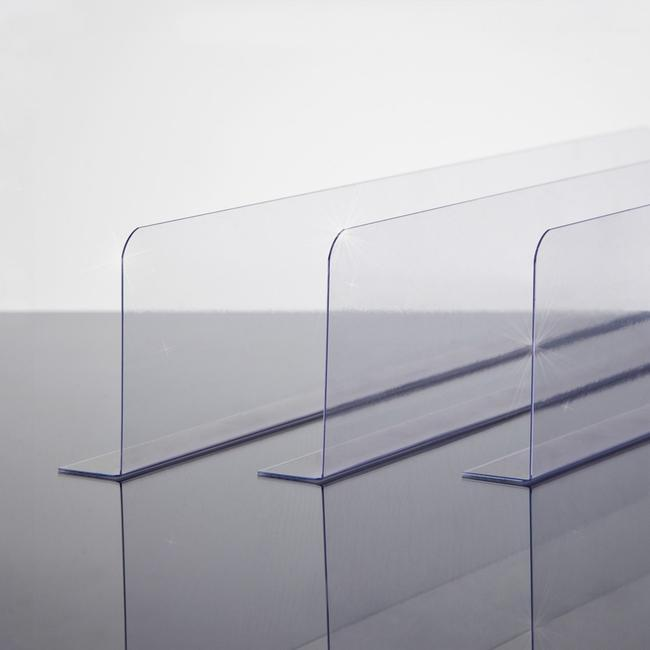
You should check the price of each material first. PETG and PVC are both used in stores. PETG is strong and works well in busy places. PVC costs less and is good for most displays. The table shows the cost per meter for each material:
| Material | Average Cost (per meter) | Notes |
|---|---|---|
| PVC | $0.15 | Cost-effective but can turn yellow. |
| PETG | $0.30–$0.95 | Stronger, good for busy areas. |
PVC is cheaper at the start. PETG costs more but lasts longer. PETG is tough compared to other plastics. Think about what your store needs. If you want strips that last, PETG may be better.
Shipping and Handling
Shipping and handling add to your total cost. PVC is light and bends easily. You can fit more PVC strips in each box. This saves money on shipping. PETG is heavier and needs extra care when shipped. You might pay more to ship PETG. But PETG is strong and less likely to break. Nova-day’s ESL Fittings use smart packaging for both materials. Your strips will arrive safely. PETG’s strength means fewer breaks during shipping.
Installation and Labor
You want to install strips fast and easy. PVC strips often have sticky backs. You can stick them right on shelves. This saves time and money. PETG sometimes needs special tools to install. Nova-day’s ESL Fittings make it easy for both materials. Pick the best way for your store. PETG lets you make unique shelf designs. Expanded pvc is good for displays that need quick setup.
Durability and Replacement Frequency
Durability decides how often you replace strips. PVC lasts 1 to 3 years in stores. Clean it with gentle soap to keep it clear. PETG lasts 3 to 5 years or more. It stays clear and resists hits in busy aisles. You spend less on replacements with PETG. The table shows how Nova-day’s ESL Fittings compare:
| Cost Factor | PETG | PVC |
|---|---|---|
| Material Costs | Higher because it lasts longer | Lower but changes with prices |
| Installation Methods | Needs special tools sometimes | Easier with sticky backs |
| Durability | High, good for long use | Medium, needs more replacements |
| Total Cost of Ownership | Higher at first, lower later | Lower at first, higher later |
PETG gives better performance over time. PVC is good if you want to spend less at first. PETG stands out for lasting longer. You need to balance price and value.
Environmental and Compliance Costs
Think about the environment and rules when picking plastic. Many stores want recycled plastic for green goals. Both PETG and PVC can be recycled. PETG is easier to recycle in some places. You may pay more if you must follow strict rules. Nova-day offers safe, food-grade products. PETG often meets higher safety standards. You get peace of mind and better stability.
Tip: Always check your local recycling programs before picking a material. This helps you avoid extra costs and supports your store’s green image.
Look at all these things before you choose. PETG and PVC both have good points. Your choice depends on your budget, store traffic, and rules. Nova-day’s plastic solutions help you pick what works best.
Data Strips Shelf Edge Strips: Side-by-Side Cost Comparison
All-In Cost Table
You want to know how PETG and PVC compare. The table below shows the total cost for each store. It includes material, shipping, installation, durability, and compliance. This helps you pick the best choice for your store.
| Material | Material Cost | Shipping | Installation | Durability | Compliance | Total Cost per Store |
|---|---|---|---|---|---|---|
| PVC | Low | Low | Easy | Medium | Standard | $0.25–$0.35 |
| PETG | Medium | Medium | Moderate | High | High | $0.40–$0.60 |
Nova-day gives you both options. You can pick the plastic that fits your needs. The Shelf Talker Easy Clip Data Strip uses strong plastic. It fits many shelves and works well.
Key Differences Overview
You need to think about more than price. Picking the right material is important. PETG gives better performance and stability. It lasts longer in busy stores. PVC costs less at first, but you may need to replace it more often. You should think about these trade-offs.
When you compare polycarbonate and acrylic, both have good points. Polycarbonate is stable and resists impacts. Acrylic looks clear and bright. For shelf edge strips, you want plastic that balances performance and stability. Nova-day uses advanced plastic to give you great results.
You should also think about how plastic changes your store’s look. PETG and polycarbonate help your shelves stay strong. Acrylic is good for displays that need a clear look. Your material choice affects cost and how your shelves look.
Tip: Always match your plastic to your store’s needs. Think about cost, performance, and stability before you choose.
Nova-day helps you pick the right plastic for your store. You get expert advice on materials, performance, and cost. This makes your data strips shelf edge strips work better and last longer.
Real-World Scenarios with Nova-day ESL Fittings
PETG in Retail Environments
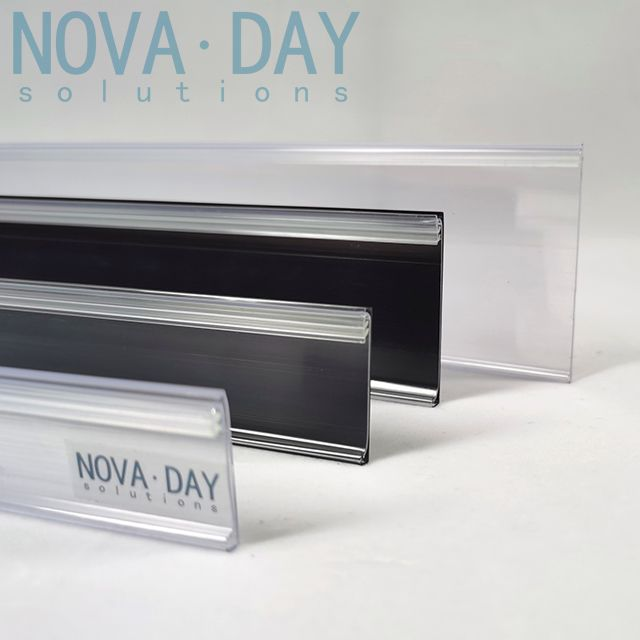
You see PETG used in many busy stores. This plastic works well when you want high performance and long durability. You can use PETG for data strips shelf edge strips in places with a lot of shoppers. PETG gives you strong stability and keeps your shelves looking clear. You do not need to replace these strips often. PETG also helps you meet safety rules. When you compare polycarbonate vs acrylic, PETG stands out for its impact resistance and clarity. You get a good balance of performance and stability. PETG is a smart material selection if you want your displays to last.
PVC in Retail Environments
You find PVC in many stores because it costs less. This plastic is easy to cut and shape. You can use PVC for quick setups or when you want to save money at first. PVC gives you good stability for most displays. You may need to replace PVC strips more often, but you spend less at the start. When you look at polycarbonate vs acrylic, PVC does not match their clarity, but it still works for many uses. Expanded pvc is also popular for lightweight displays. You should think about the trade-offs between cost and performance. PVC is a good material selection for stores with lower traffic.
Impact of Store Scale on Cost
Store size changes your total cost. If you run a small store, you may not see big savings from bulk orders. Large stores can save more by buying many plastic strips at once. You need to look at how material selection affects cost, performance, and stability. Nova-day ESL Fittings help you install both PETG and PVC strips fast. You get strong stability and easy handling. When you compare polycarbonate vs acrylic, you see that each plastic has its own strengths. Polycarbonate gives you high stability and impact resistance. Acrylic offers bright clarity. You must balance performance, cost, and durability for your store. The right plastic choice helps you get the best results for your shelves.
Tip: Always check how your store’s size and traffic affect your plastic needs. This helps you plan for better performance and lower costs.
You see that PVC delivers the best landed cost per store for data strips shelf edge strips. You should always look at more than just the price of plastic. Think about how each plastic fits your shelves, the label size, and extra features like hinges or clip-on options. You want a plastic that matches your store’s needs and keeps your cost low. Nova-day gives you high-quality plastic solutions and expert advice. Contact Nova-day for help choosing the right plastic for your store.
FAQ
What is the main difference between PETG and PVC data strips?
You will notice PETG offers more strength and clarity. PVC gives you a lower price and works well for most stores. Your choice depends on your store’s needs and how long you want the strips to last.
How does the cost of PETG compare to PVC?
You pay more for PETG at first. PVC gives you a lower cost per strip. Over time, PETG may save you money because you replace it less often.
Are PETG and PVC safe for food areas?
You can use both PETG and PVC in food zones. Nova-day provides food-safe options. Always check your local rules to make sure you meet safety standards.
Can I recycle PETG and PVC shelf edge strips?
You can recycle both materials in many places. PETG is easier to recycle in some cities. Always check your local recycling program before you choose a material.
How do I pick the right data strip for my store?
You should look at your store’s traffic, shelf type, and budget. Think about how often you want to replace strips. Nova-day can help you find the best fit for your needs.