Skip to content


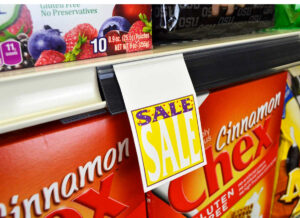
Your hand hovers between two products. What tips your decision? Often, a small sign on the shelf edge. That sign is a shelf talker—your silent salesperson.
Study Reveals Shoppers Make 71% of Decisions In-Store
Poor shelf talker printing wastes money. A flimsy sign damages your retail brand. How do you choose materials that make shelf talkers sell? The wrong choice costs you sales.
Key Takeaways
- Choose shelf talker material that matches your store and campaign length. This stops early wear and saves money.
- Use digital printing for small batches and offset printing for big orders. This way, you get good quality without spending too much.
- Add protective finishes like lamination or UV coating. This step makes your signs last longer and keeps your brand looking clean and professional.
Shelf Talkers Retail Role and Impact
Defining the Silent Salesperson
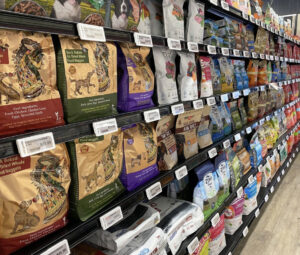
A shelf talker is a small printed sign that hangs on the shelf edge. It sits right in front of a product. This retail sign works as a point-of-purchase tool. It shows deals, features, or suggestions at the exact moment shoppers choose what to buy.
The numbers show why shelf talkers matter. A POPAI shopper engagement study says 16% of impulse buys come from in-store ads and signs. Another study with over 3,000 shoppers found that 82% decide what to buy while in the store. Also, 62% of shoppers bought something on impulse during their visit.
These impulse purchase triggers depend on effective point-of-purchase strategies.
Where you place your shelf talker decides its success. Put it at eye level. Set it right before the product. This merchandising strategy connects browsing with buying. Without this push, many shoppers walk past your product completely. Good shelf talkers grab attention in seconds. Shelf talkers retail spaces need this quiet push at the moment of choice.
Why Material Quality Affects Brand Perception
The physical quality of your shelf talker shows your brand’s worth. A weak paper sign tells shoppers you don’t care. A hard plastic sign suggests skill and trust. Signage works as a physical part of your brand before any direct customer contact happens.
Think about two examples. A fancy cosmetic brand uses thick, strong materials with sharp printing. This choice supports premium quality and new ideas. A discount grocery item might use thin cardstock for a weekly deal. That works fine for short campaigns. But steady signage—matching colors, fonts, and materials—builds professionalism and customer trust.
Cheap or worn-out signage suggests neglect. It creates doubts about product quality. Faded signs or bent edges point to falling standards. Over time, uneven signage hurts brand value. It lowers perceived quality, brand recognition, and customer trust.
Spending on strong materials cuts maintenance costs. It supports a steady brand image. Your retail displays and design choices directly shape how shoppers see your whole product line. This effect goes beyond one sign to your entire brand’s name. Well-made shelf talkers create lasting trust. Shelf talkers retail plans must focus on material quality. Shelf talkers retail success depends on this physical care for detail.
Comparing Materials for Shelf Talkers
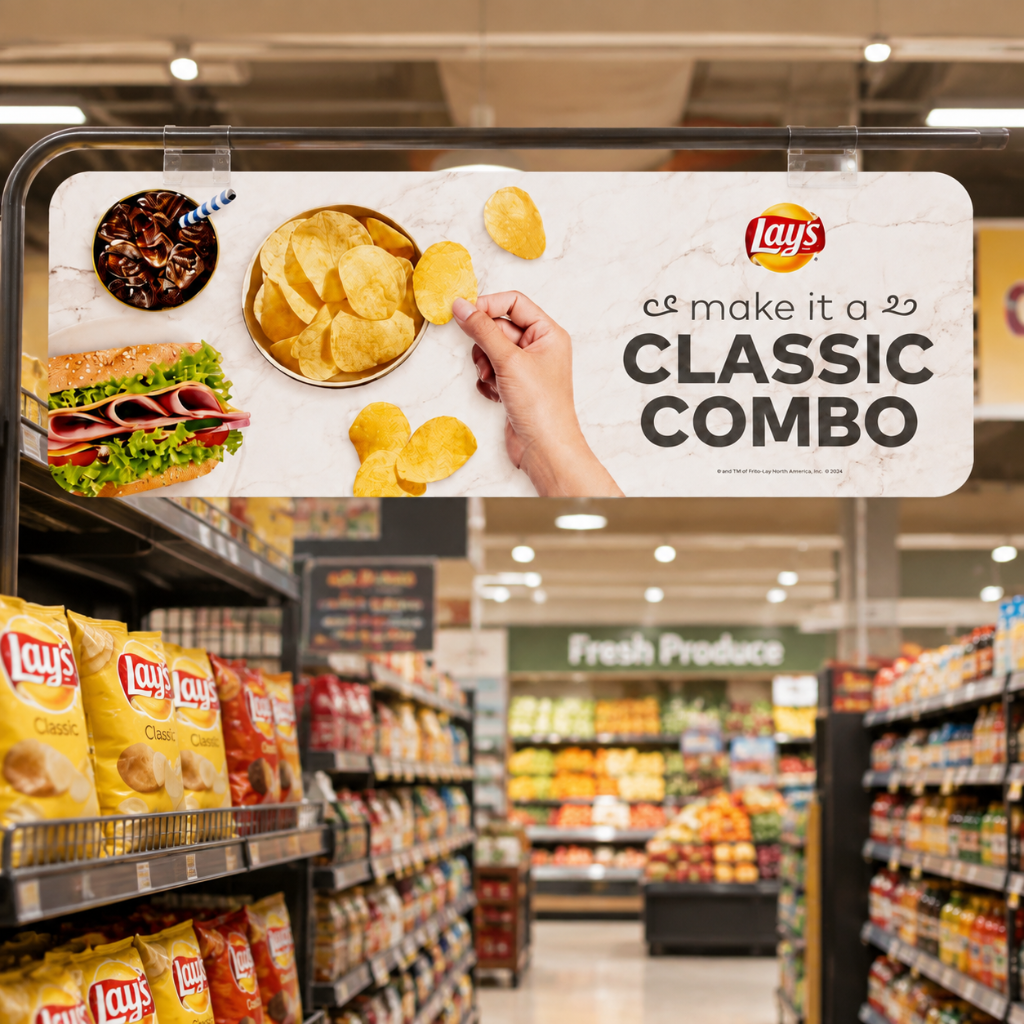
Your choice of material decides how long your sign lasts and how well it shows your brand. Each material has a different job. Knowing these differences helps you pick the right sign for your campaign goals.
Cardstock and Paperboard for Short-Term Use
Cardstock is the cheapest way to start with shelf talkers. This paper material prints clearly and shows bright colors well. You can order small amounts without spending too much. For a two-week sale or a seasonal clearance event, cardstock works great.
The problems show up fast. Cardstock cannot handle water or damp air well. A wet store causes curling, bending, and ink smears. The edges tear easily when shoppers bump into them. You will need to replace these signs often. That cost adds up over time.
Paperboard is a bit thicker. It is stiffer than regular cardstock. Still, it has the same weakness to wet conditions. Use these materials only for short campaigns in dry aisles. They work well for quick price cuts or limited-time deals. The low starting cost makes them good for trying different messages.
Durable Plastics and Magnetic Substrates
Plastic materials turn your shelf talker into a long-lasting investment. PVC, PET, and styrene each offer different benefits. These materials resist water, dampness, and temperature changes. They keep their shape and look for months. A freezer aisle needs this kind of strength. A six-month brand campaign also makes the higher cost worth it.
Styrene is a stiff, low-cost plastic choice. It cuts cleanly and keeps sharp printed details. PET gives better clarity and can be recycled. PVC offers strong print grip and solid structure. Each option resists the wear that ruins paper signs.
Vinyl is a bendable option. You can put vinyl shelf talkers on curved surfaces or odd shelf edges. The material fits its mounting spot without cracking. This flexibility opens up many more placement choices.
Magnetic materials work only on metal shelves. The magnet holds the sign firmly in place. You can move it quickly without sticky marks. This works well for frequent price changes or rotating deals. The magnetic back means you do not need clips or tape.
Your store setting decides the right material. A dry shelf with a short campaign only needs cardstock. A freezer section or busy area needs plastic or vinyl. Think about how long the campaign will run before you choose. The cheapest option often fails mid-campaign, forcing early replacement. That hidden cost wipes out any first savings. Custom shelf talkers printed on strong materials give better long-term value. The customization options today let you match material thickness, finish, and shape to your needs. Smart design choices plus proper materials create signs that sell. Your pricing plan should consider how long the material lasts, not just the per-unit cost. These selection methods keep your shelf talkers retail presence strong for the whole campaign. Good shelf talkers retail performance starts with honest material review. Every shelf talker you use represents your brand. Choose materials that respect that duty.
Shelf Talker Printing Methods and Finishing
Digital vs. Offset Printing Techniques
Your choice of printing method depends on how many signs you need and the quality you want. Digital printing is best for small runs. It has low setup costs and fast turnaround times. Digital also lets you change details on each sign. You can print different prices or messages for each store. Custom options like special offers are easy with digital technology. You can test a message in one store before making many copies. You go from an idea to a finished sign in just days.
Offset printing works better for large orders. You pay more at first for plates and setup. But the cost per sign goes down a lot as your quantity grows. Offset gives sharper images. Colors stay the same across the whole run. Getting colors right is important for your brand’s look. A national campaign with thousands of identical shelf talkers gets the best quality for the price from offset.
Digital technology makes it easy to customize signs for different stores. Your choice affects the final product. Digital works well for quick promotions. Offset is better for long campaigns with fixed designs. Good shelf talker printing means picking the method that fits your needs. Many printers offer both options. Both methods work well for what they are designed to do.
Protective Finishes for Longevity
The printing method creates the image. The finish protects that image from the store environment. Two common finishes help your sign last longer: lamination and UV coating.
Lamination adds a thin plastic layer over the printed surface. You can choose gloss for a shiny look. Or you can choose matte to cut down on glare. A printed cardboard shelf talker with laminate becomes more durable. The laminate protects against scratches, moisture, and fingerprints. The sign stays readable longer in busy aisles. This finish costs more than plain paper. But it gives better value for longer campaigns. Different materials need different finishes for the best results.
UV coating uses ultraviolet light to harden a protective layer onto the ink. You apply this finish to plastic shelf talkers for top results. Plastic shelf talkers with UV coating are very durable. They last 1 to 2 years and need few replacements. Compare that to cardboard signs that last only 2 to 4 weeks without coating. The UV coating stops fading from store lights. It also blocks damage from spills and cleaning products.
Your finish choice depends on how long your campaign runs and the store setting. Short promotions on cardboard do well with lamination. Long campaigns on plastic need UV coating. Both finishes protect your design work. They save you money over time. Your store presence stays strong and steady. Your shelf talker printing investment deserves this protection.
Selecting Materials Based on Application
Matching Substrate to the Retail Environment
Your store setting tells you what material to use. The material is not the main choice. The setting is. After you know the setting, picking the material makes sense. This idea works for shelf talkers too.
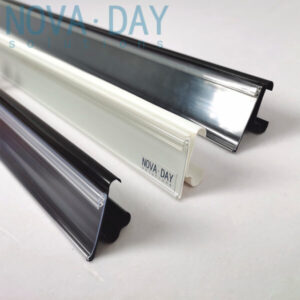
Wet areas need waterproof choices. For fridges and coolers, use clear stiff vinyl PVC. It does not bend, tear, or get wet. It works well in cold spots where paper fails. Dry, fancy aisles like makeup counters need PET or acrylic. These materials give a high-end look. Short sales on dry shelves can use cardboard. It is fine for brief campaigns.
Busy stores wear out materials faster. PVC breaks down more quickly in high-traffic spots. You have to swap it more often. PETG lasts longer against wear. You pay more at first but replace it less.
| Environment | Recommended Material | Key Driver |
|---|---|---|
| Wet (refrigerated) | PVC | Waterproof, resists water drops |
| Dry, high-traffic | PVC / Magnetic | Tough against handling |
| Dry, premium indoor | PET / Acrylic | Nice look |
| Temporary promotions | Cardboard | Low price |
Calculating Cost-Per-Impression for Campaign Length
The cheapest material often ends up costing more. Think about cost-per-impression. Split total cost by how long it lasts.
A cardboard shelf talker costs $0.30 each. It lasts 3 weeks before it curls. A PETG shelf talker costs $1.20 each. It lasts 6 months without damage. For a 6-month campaign, you need 8 cardboard signs. That is $2.40 total. One PETG shelf talker costs $1.20. The cheaper material costs twice as much. Your pricing must include this hidden expense. Better pricing shows the real long-term cost.
Custom shelf talkers give better value when matched to campaign length. Many options fit your budget. These choices include material thickness, finish, and size. Good placement plans think about restocking. Your placement choices affect labor costs for replacing signs. Hard-to-reach shelves need durable materials. These methods keep your total cost low. Strong shelf talkers retail performance comes from the full picture.
Design and Placement Best Practices

Optimizing Readability and Visual Impact
Start with high contrast when you design shelf talkers. These design strategies help your sign stand out before shoppers even notice it. Put dark text on a bright background. This creates separation from nearby products. Use bold colors that stand out against the shelf.
Keep your message short. Use three to seven words that tell the benefit. Make fonts large and easy to read from several feet away. Avoid thin or fancy typefaces. Test your design by printing it and holding it at arm’s length. Add a strong call-to-action like “Buy Now” or “Save Today.” Think about adding a QR code. This small feature gives shoppers more information without making the sign bigger.
Test your design under real store lighting. Fluorescent, warm, and LED lights change how colors look. A contrast that looks strong in daylight may fade under store lights.
Strategic Placement for Maximum Visibility
Great design means nothing if a shelf talker sits in the wrong spot. Strategic placement puts your shelf talkers where shoppers already look. Focus on high-impact zones. These include store entrances, endcaps, main aisles, checkout areas, and department transitions. Every strategic placement choice directly affects your campaign results.
Put signs at eye level for the best impact. This eye-level placement puts your message right in the shopper’s line of sight. Place each shelf talker directly in front of your product. This eye-level placement ensures your sign gets seen before customers walk past. Make sure it does not block nearby items. Shopping carts can hit oversized signs that stick out too far.
Your attachment method affects where you can place signs. Adhesive strips give secure placement. They cost $0.12 to $0.18 per unit for quantities over 500. Setup takes about 0.3 minutes per sign. These strips last 6 to 12 months. Clips cost $0.65 to $0.95 per unit. They last 4 to 6 years and allow easy repositioning. For quarterly refreshes, clips reduce annual card replacement labor by about 65 percent. Choose the method that matches your campaign length.
Remember these placement tactics. Keep signs clean and current. Inconsistent signage erodes shopper trust. Your placement choices directly affect retail performance.
Assess your environment first. Check moisture, temperature, and handling. Then determine campaign lifespan. Match your budget to material durability and print volume. The cheapest option fails mid-campaign, costing more. Quality shelf talker printing on proper materials builds brand perception and drives sales. Request physical samples before large runs. Audit your current shelf talkers retail placement. Identify one upgrade opportunity. Smart strategies create measurable impact for shoppers.
FAQ
How Long Should a Shelf Talker Last?
Pick a material that fits your campaign. Cardstock works for a few weeks. Plastic lasts months. Freezer aisles need tough materials. Think about your timeline first.
What Is the Best Material for Wet Environments?
PVC stands up to moisture well. It handles water drops and cold air. Paper curls and smears fast. Use PVC in refrigerated areas. Your signs stay clear longer.
How Do I Reduce Replacement Costs?
Choose strong materials for long campaigns. Add up the total cost over the whole time. A cheap sign that needs many swaps costs more. Smart shelf talker printing saves money in the long run. Retail success depends on this planning. Shoppers spot worn signs fast. Quality printing protects your brand image.