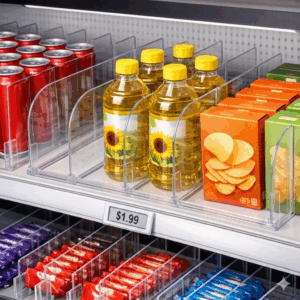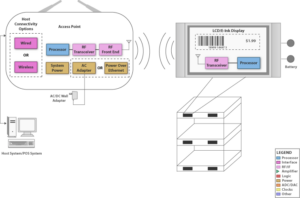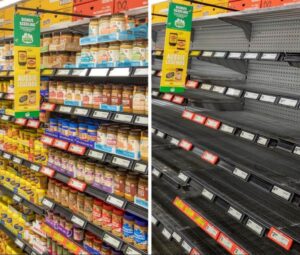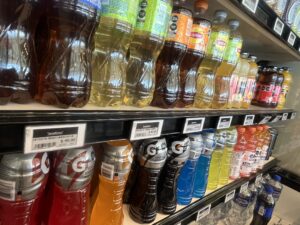
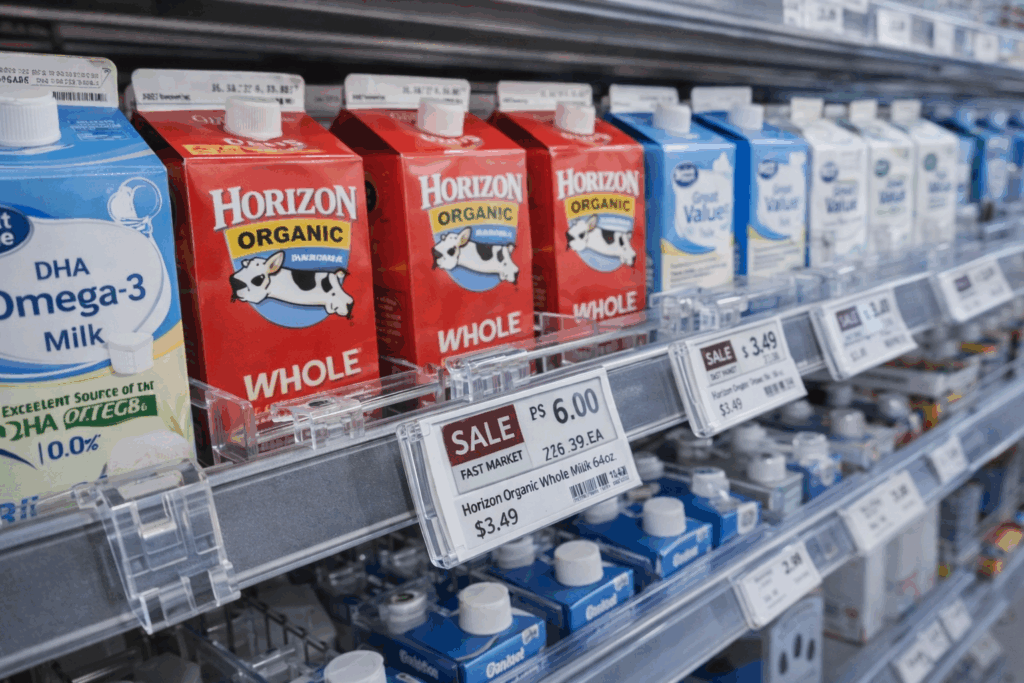
AI and IoT integration in smart shelf technology changes how you shop and how stores operate. You see real-time inventory tracking, fewer out-of-stocks, and personalized shopping experiences. The global smart retail market grew from $34.73 billion in 2022 to $43.73 billion in 2023. Experts expect it to reach $108.37 billion by 2027. Many leading retailers now use smart shelf systems, as shown below:
| Retailer | Region | Adoption Status |
|---|---|---|
| Walmart | North America | Leading in smart shelf implementation |
| Carrefour | Europe | Implementing smart shelf solutions |
| Jumbo | Netherlands | Partnering for digital transformation |
| Carrefour, Auchan, Casino | France | Implemented smart shelves |
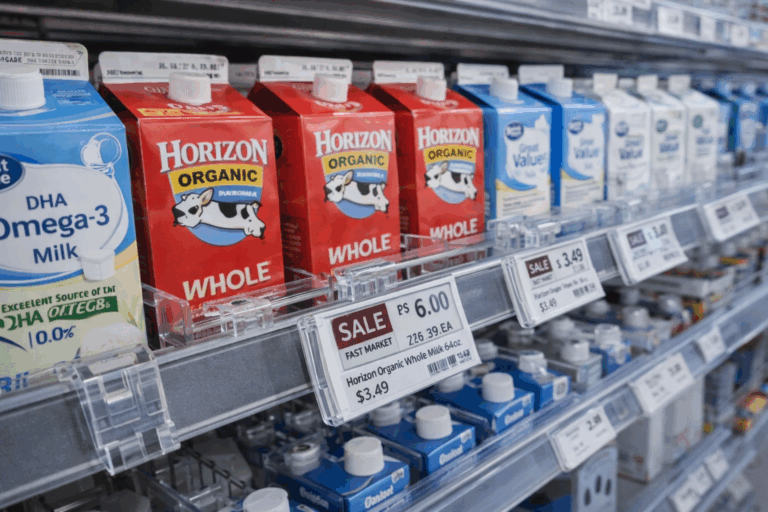
You experience benefits like electronic shelving labels, which help stores update prices and promotions instantly. These changes help you find what you need quickly and improve your shopping experience.
Key Takeaways
- Smart shelf technology uses AI and IoT to enhance your shopping experience with real-time inventory tracking and personalized recommendations.
- Electronic shelving labels provide instant updates on prices and promotions, ensuring you always see the correct information while shopping.
- Stores benefit from automated inventory management, reducing out-of-stock situations and improving operational efficiency.
- Personalized promotions based on your shopping habits can increase basket size and customer loyalty, making shopping more enjoyable.
- Investing in smart shelf technology can lead to higher sales, lower operational costs, and a better overall experience for both customers and retailers.
AI & IoT Transforming Retail
Enhanced Shopping Experience
You notice the difference as soon as you walk into a store powered by AI and IoT. These technologies work together to make your shopping trip smoother and more enjoyable. Smart shelves use sensors and cameras to track what is on display. You always find the products you want because real-time inventory tracking keeps shelves stocked and reduces empty spots. When you pick up an item, digital labels show you detailed information, such as price, ingredients, or even allergy warnings. This helps you make quick and informed choices.
AI personalizes your experience by learning from your shopping habits. For example, if you often buy pasta, the system might suggest a new sauce or recipe based on your past purchases. Cameras and mobile beacons can sense when you show interest in a product and send you instant recommendations or special offers. You feel like the store knows what you want, which makes shopping more fun and engaging.
Tip: Personalized offers based on your loyalty data and purchase history can help you save money and discover new products.
Here are some ways AI and IoT improve your shopping experience:
- Real-time inventory tracking means fewer empty shelves.
- Personalized offers and recommendations make shopping more engaging.
- Digital labels provide clear product details.
- Strategic product placement encourages you to try new items.
- Contactless shopping options add convenience, especially when you are in a hurry.
| Transformation Aspect | Description |
|---|---|
| Enhanced Connectivity | AI and IoT create interconnected ecosystems that improve communication and data flow. |
| Real-time Insights | These technologies enable immediate access to data, allowing for quick decision-making. |
| Improved Customer Experiences | AI personalizes shopping experiences, while IoT optimizes customer interactions. |
| Streamlined Operations | Automation and AI enhance efficiency in inventory management and operational processes. |
Operational Efficiency Gains
You benefit from more than just a better shopping experience. AI and IoT also help stores run smoothly behind the scenes. Smart shelves automate inventory management, so staff spend less time checking stock and more time helping you. The system sends alerts when items run low, making restocking faster and easier. This reduces the chance of out-of-stock situations and keeps your favorite products available.
Stores use real-time data to manage inventory levels and avoid overstocking. This improves cash flow and reduces waste. Automated systems also help prevent theft by monitoring shelf activity. When you see electronic shelving labels update instantly, you know the store can change prices or promotions quickly, keeping information accurate and up to date.
Here are some key efficiency gains from AI and IoT in retail:
- Real-time inventory tracking keeps shelves full.
- Automated low stock alerts help staff restock quickly.
- Theft prevention tools reduce shrinkage.
- Optimized replenishment cycles improve restocking efficiency.
- Instant synchronization with POS and supply chain systems ensures smooth operations.
| Efficiency Gain | Description |
|---|---|
| Real-time inventory tracking | Enables tracking of inventory levels as they change. |
| Automated low stock alerts | Sends notifications when stock levels drop below a threshold. |
| Theft prevention | Helps in reducing shrinkage and theft through monitoring. |
| Optimized replenishment cycles | Improves the timing and efficiency of restocking products. |
| Instant synchronization with systems | Connects with POS and supply chain systems in real-time. |
You see the results in your everyday shopping. Shelves stay organized, products remain available, and staff can focus on helping you instead of counting items. Smart shelf technology, powered by AI and IoT, transforms both your experience and the way stores operate.
How Smart Shelves Work
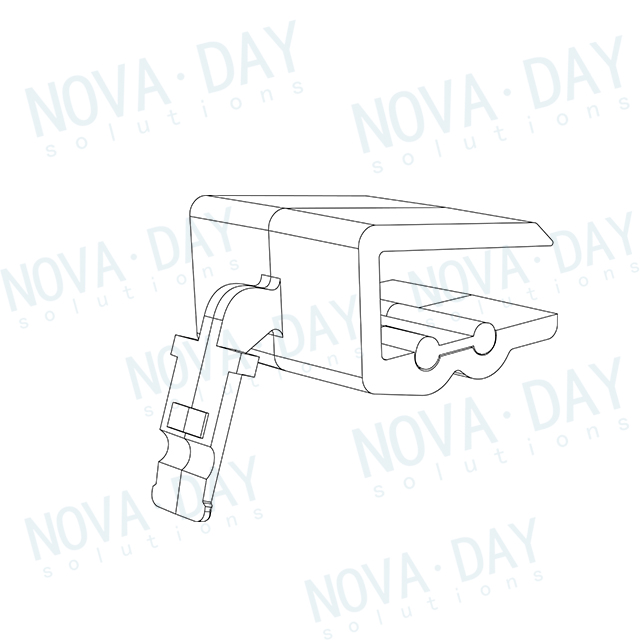
Sensors, RFID, and Connectivity
You see smart shelves using a mix of hardware and software to keep stores running smoothly. Sensors detect when you add or remove items from the shelf. RFID tags, which are small chips attached to products, let the system track each item without needing a direct line of sight. This means you can move products around, and the system still knows where everything is.
Weight sensors sit under the shelves. They notice even small changes in weight, so the store knows exactly how many items are left. IoT connectivity links these sensors and RFID tags to the store’s main computer system. This connection sends real-time updates about stock levels and product movements.
Here are the main components that make smart shelves work:
- Sensors for detecting when products are added or taken away
- RFID tags for fast and accurate inventory tracking
- Weight sensors for checking stock levels
- IoT connectivity for sending data to inventory systems
- Security features like encrypted data and user authentication
You also find electronic shelving labels on many smart shelves. These labels update prices and promotions instantly, making sure you always see the latest information.
Data Flow and Analytics
Smart shelves collect a lot of data every second. This data helps stores make better decisions and improve your shopping experience. The system gathers information about inventory, customer interactions, and real-time analytics.
| Type of Data Collected | Description |
|---|---|
| Inventory Data | Tracks stock levels using weight sensors and RFID tags to monitor product presence and movement. |
| Customer Interaction | Cameras watch how you interact with products, giving stores insights into shopping behavior. |
| Real-time Analytics | Data platforms process sensor inputs to give actionable insights for inventory management. |
Cloud-based software collects all this data and analyzes it. The system can predict when shelves will run low and suggest the best time to restock. It also helps stores decide where to place products for better sales. When you shop, you benefit from organized shelves and quick updates, all powered by smart shelf technology.
Electronic Shelving Labels & Smart Displays
Real-Time Pricing and Promotions
You see electronic shelving labels changing how stores manage prices and promotions. These digital labels let you view the most current price every time you shop. Stores can update prices instantly from a central system. This means you always see the right price, even during busy sales or holiday events. You do not have to worry about price mismatches at checkout.
Here is how electronic shelving labels help stores and shoppers:
| Key Feature | Description |
|---|---|
| Real-time updates | Prices change right away, so you always see the latest deals. |
| Centralized control | Stores can manage prices in many locations from one computer. |
| Error reduction | Digital labels cut down on mistakes that happen with paper tags. |
| Enhanced customer experience | Accurate prices make shopping easier and build trust. |
You also benefit from dynamic pricing. Stores can adjust prices based on demand or inventory. For example, if a product is running low, the price can change to match the market. This helps you find fair prices and special deals. Smart displays can show extra information, like QR codes or NFC tags, so you can learn more about products or get special offers right on your phone.
Integration with Nova-day POS Accessories
You get an even better shopping experience when stores use Nova-day POS accessories with smart shelf systems. These accessories, like shelf data strips and shelf talkers, make products stand out and help you find what you need faster. Shelf talkers can boost sales by up to 6% and help products sell much quicker. Stores also save time because these tools make it easier to organize and restock shelves.
Here are some ways Nova-day POS accessories work with electronic shelving labels:
- Shelf data strips keep prices clear and easy to read.
- Shelf management systems make sure products stay in the right place.
- Shelf talkers highlight promotions and new items, catching your eye.
- Integration with smart shelves means staff spend less time on shelf work and more time helping you.
| Example | Description |
|---|---|
| ESL Integration | Digital labels replace paper tags, making price changes simple and fast. |
| POS System Extension | Labels can show sales and stock levels, helping staff manage inventory. |
| Checkout Efficiency | Accurate prices at checkout mean fewer disputes and faster service. |
You notice that these tools make shopping smoother and more enjoyable. Stores can show you the best deals, keep shelves organized, and make sure you always see the right price.
Benefits & Applications for Retailers
Inventory Management
You want your store to run smoothly and keep products available for your customers. Smart shelf technology helps you do this by giving you real-time data on what is on your shelves. Sensors, RFID, and IoT work together to show you exactly which products are running low or need restocking. This means you can avoid empty shelves and keep your customers happy.
Smart shelves also help you reduce mistakes and save time. You do not need to check every shelf by hand. The system sends alerts when stock is low, so your staff can act fast. This leads to better forecasting and less over-ordering or under-ordering. You spend less money on extra stock and avoid running out of popular items.
Here is how smart shelf technology improves inventory management:
| Improvement in Inventory Accuracy | Description |
|---|---|
| Elimination of Stockouts | AI-driven shelf intelligence gives you up-to-date stock visibility, helping you avoid stockouts and phantom inventory. |
| Enhanced Forecasting Accuracy | Better visibility leads to improved forecasting and replenishment, so you order the right amount every time. |
| Increased Revenue | Stores have increased revenue by up to 2.5% by keeping shelves stocked and restocking faster. |
| Lower Operating Expenses (OPEX) | Optimized inventory management helps you spend less on operations. |
| Improved Customer Satisfaction | Higher product availability means happier customers. |
You also save time and money on manual work. Electronic shelving labels remove about 95% of the manual work tied to pricing at the store level. Employees spend 80% less time on price changes, so they can focus on helping customers.
Note: Smart shelves help you prevent expired products and keep your store organized. This leads to faster audits and less waste.
Personalized Promotions
You can use smart shelf technology to give your customers special offers that match their shopping habits. When a customer stands near a shelf, the system can show them deals or suggest products they might like. This makes shopping more fun and helps customers find new items.
Personalized promotions also help you sell more. When you show the right offer at the right time, customers are more likely to buy extra products. For example, if someone buys pasta, you can suggest a sauce or cheese. This increases the total value of each basket and helps you cross-sell related items.
Here is a table showing how personalized promotions make a difference:
| Metric | Description | Impact on Effectiveness |
|---|---|---|
| Basket Size | Customers buy more when they see personalized suggestions. | Raises total basket value by 15–20%. |
| Attach Rate | Customers often buy related products together. | Enhances cross-selling opportunities. |
| Dwell Time | Shoppers spend more time at shelves with personalized offers. | Leads to better product discovery and purchases. |
| A/B Testing | You can compare different promotions to see what works best. | Gives you proof of what drives sales. |
You also build loyalty by making customers feel special. Smart shelves and electronic shelving labels let you engage with shoppers in real time. When you recognize loyal customers and give them unique offers, they feel valued and want to return.
- Personalized promotions create unique shopping experiences.
- Real-time engagement helps you upsell and cross-sell.
- Customers feel recognized, which boosts loyalty and repeat visits.
Nova-day Solutions in Action
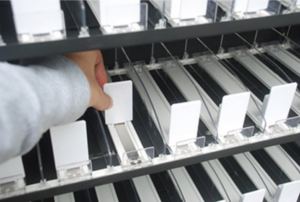
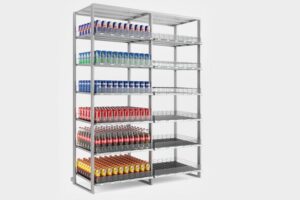
You can see the real impact of smart shelf technology by looking at how Nova-day solutions work in real stores. Nova-day offers POS accessories like shelf data strips, shelf management systems, and roller tracks. These tools help you keep shelves neat, prices accurate, and products easy to find.
Here are some real-world examples:
| Case Study Description | Problem | Solution | Results |
|---|---|---|---|
| Supermarket Chain | Overstocked items pushed to back, expired products found during audits | Used automated shelf tracks for first-in, first-out stock rotation | 40% fewer expired items, faster product turnover, quicker stock audits |
| Convenience Store | Cluttered shelves made it hard for customers to find products | Installed roller tracks for neat, front-facing displays | 25% more impulse purchases, less labor for shelf organization, happier customers |
| Pharmacy | Small products pushed to back, time spent adjusting shelves | Added roller track shelving for better organization | 50% less time spent reorganizing, better inventory accuracy, faster access to products |
Nova-day POS accessories also help you save money and boost sales. Stores using these solutions save 200-300 hours each year on price changes. They see 5-8% fewer pricing mistakes after switching from paper tags. Labor costs drop by 20%, and the investment pays for itself in 12-18 months.
| Benefit | Statistic/Fact |
|---|---|
| Labor Time Saved | 200-300 hours saved each year on price changes |
| Pricing Error Reduction | 5-8% fewer pricing mistakes after switching from paper |
| Labor Cost Reduction | 20% less money spent on store workers after using ESL |
| ROI | ESL costs paid back in 12-18 months |
Tip: Nova-day solutions help you organize your store, improve efficiency, and increase sales. You can learn more about these products at Nova-day’s official website.
Smart shelf technology and Nova-day POS accessories give you the tools to run a better store. You keep shelves stocked, prices accurate, and customers happy. This leads to higher sales, lower costs, and a stronger business.
Challenges & Future Trends
Implementation Barriers
You may face several challenges when you bring smart shelf technology into your store. These barriers can slow down your progress and make it harder to get the most out of your investment.
| Challenge Type | Description |
|---|---|
| Connectivity Issues | Unreliable connections can cause problems and slow down your operations. |
| Outdated Hardware and Software | Old systems may not keep up with new technology, making your store less efficient. |
| Data Silos | When data stays in separate places, you may see errors and miss important information. |
| Lack of IoT Platform Integration | Systems that do not work well together can limit what you can do with smart shelves. |
| Latency and Real-Time Limits | Delays in data can make it hard to make quick decisions and manage inventory well. |
You can overcome these barriers by taking a few smart steps:
- Upgrade your network for better speed and reliability.
- Choose platforms that work well with IoT devices.
- Bring all your data together in one place.
- Use real-time analytics to spot problems fast.
- Replace old hardware and automate tasks to save time.
Tip: Start with small changes and scale up as you see results.
Data Privacy & Integration
You must protect customer data when you use smart shelves. These systems collect a lot of information, so you need strong security.
- Guard customer data from breaches and misuse.
- Watch out for cyber threats like hacking and leaks.
- Know that more connected devices can give hackers more ways to attack.
- Follow data rules and keep your systems up to date.
Many retailers now use advanced data capture tools to keep information safe. About 70% have automated these processes, which helps reduce mistakes and improve data quality. Still, half of retailers say following data rules is their biggest challenge.
The Future of Smart Shelves
You will see smart shelves become even more powerful in the next few years. IoT will help you keep track of inventory in real time. AI will give you better insights into what your customers want.
- Automation will grow, making stores run smoother.
- Customers will expect perfect inventory accuracy.
- Technology will keep improving, bringing new features.
- E-commerce will expand, and stores will focus more on eco-friendly solutions.
IoT and AI will help you offer personalized shopping experiences. Smart shelves will suggest products based on what customers like. You will spend less time on manual tasks and more time helping shoppers. The future of retail will be smarter, faster, and more connected.
You see how AI and IoT-powered smart shelves change retail. These tools help you keep shelves full, prices correct, and customers happy. When you solve setup challenges, you unlock even more value for your store. Nova-day’s POS Accessories give you a smart way to grow your business.
Tip: Stay open to new ideas. Innovation will shape the future of shopping and help you lead in retail.
FAQ
What is smart shelf technology?
Smart shelf technology uses sensors, RFID, and digital labels to track products and update prices. You see real-time inventory and accurate pricing. Stores use this system to keep shelves organized and improve your shopping experience.
How do electronic shelf labels work?
Electronic shelf labels show prices and promotions on digital screens. You see instant updates when stores change prices. Staff control these labels from a computer, so you always get the latest information.
Can smart shelves help prevent out-of-stock items?
Yes! Smart shelves send alerts when products run low. You help staff restock faster. Stores keep your favorite items available and reduce empty shelves.
What are Nova-day POS accessories?
Nova-day POS accessories include shelf data strips, shelf talkers, and management systems. You find products easily and see clear prices. These tools help stores organize shelves and highlight promotions.