Introduction
For shoppers, the first test of electronic shelf labels is whether the price is easy to read and matches the price at checkout. Test both conditions on a sale item as well as on a regular shelf price.
Test updates where a mismatch is most likely, such as when a promotion starts or ends. Ask staff to compare the on-shelf, checkout and online prices where the retailer intends those prices to match.
To assess promotion performance, record when the price and message actually appeared and compare the result against a comparable shelf or period. Stock, placement and the offer itself can all affect the outcome.
If the pilot includes QR codes or NFC, test what the shopper sees after scanning or tapping and how staff handle an outdated product link.
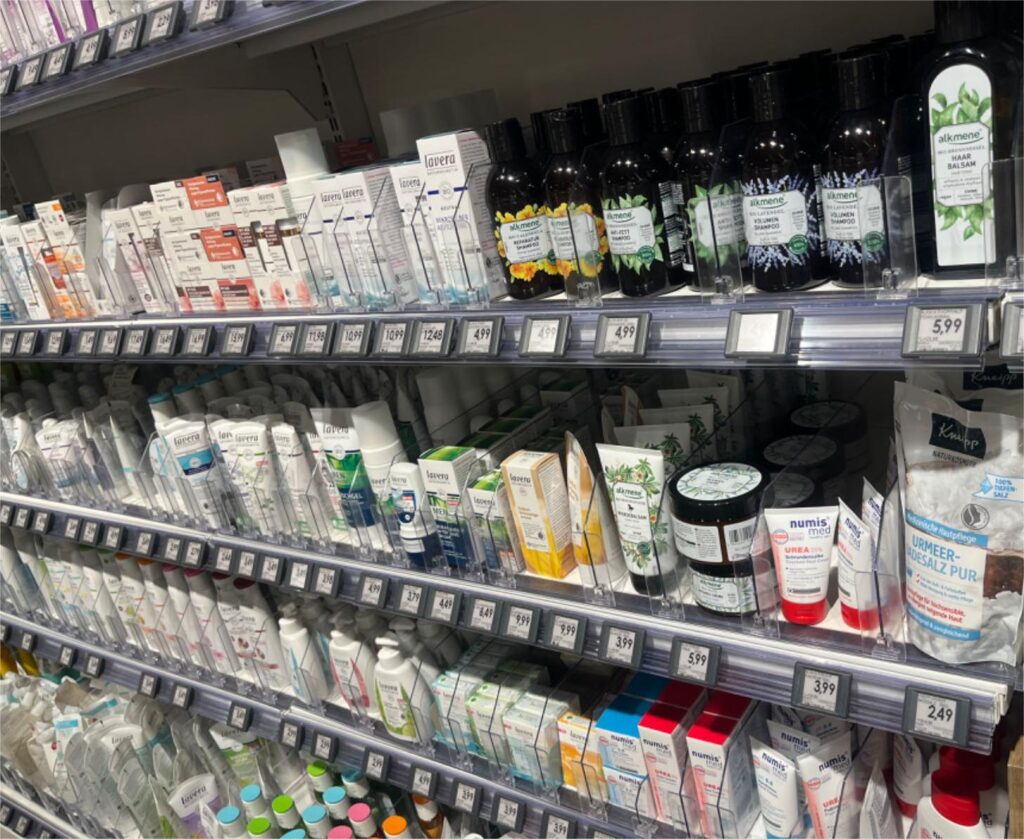
1. What Are Electronic Shelf Labels (ESL)?
Let’s start with the basics.
A store can send approved prices to digital shelf labels through a supported gateway and pricing system. During a trial, record the update time and checkout result for a representative set of labels.
But how do they actually work? And why are so many retailers making the switch? Let’s break it down.
1.1 Evolution of Pricing Displays in Retail
Remember the days when store employees had to manually replace price tags? That method wasn’t just inefficient—it led to errors, inconsistencies, and higher labor costs.
Different stores use digital pricing displays to replace some printed inserts. First map where approved prices originate and who assigns each label.
From paper to digital, this shift is about more than just convenience—it’s about staying competitive in an era where speed and accuracy define success.
1.2 How ESL Works: A Breakdown
Here’s where the technology gets exciting.
A digital price label displays the data it receives from the selected system. The store’s existing workflows determine where prices originate and how exceptions are handled.
The technology behind it includes:
- Wireless communication via Bluetooth or Wi-Fi
- E-ink or LCD displays for clear visibility
- Connections to stock and promotions depend on the project’s interfaces and data ownership.
Test an approved price at the shelf, at checkout and online. Note when each place shows the new value and what happens in the event of a failed update.
1.3 Adoption Trends Across Retail Sectors
Big retailers are catching on fast.
Before rolling out digital price displays, test a representative bay with the actual item labels, promotions and lighting.
From local supermarkets to international brands, the demand for automated pricing solutions is skyrocketing.
2. ESL and Customer Experience: A Game Changer
Customers expect seamless shopping.
At the shelf, shoppers need a readable item description and price. Compare the electronic shelf tag with the till result during an offer and after it ends.
Let’s explore how they reshape the customer experience from start to finish.
2.1 Real-Time Price Updates for Transparency
Imagine this: You see a product on sale, but when you check out, the price is higher than expected. Frustrating, right?
With automated shelf labels, check that the same approved price reaches the label and checkout. A missed update or wrong SKU association can still produce a mismatch.
2.2 Enhancing Customer Convenience and Confidence
It’s not just about price—it’s about trust.
When shoppers know that pricing is accurate and up-to-date, they feel more confident in their purchases. Plus, digital labels can display additional information like:
- Product specifications
- Allergy warnings
- Promotions and discounts
For multilingual shoppers, some systems even support multiple languages, making shopping easier for everyone.
2.3 Interactive Shopping: QR Codes & NFC Integration
Today’s shoppers want more than just a price—they want details, reviews, and comparisons.
If the proposed smart price display supports a QR code or NFC, check which approved page opens on the devices shoppers actually use.
- Scan and read product reviews
- Compare similar items
- Check that the approved offer is readable from the aisle.
This added layer of interaction turns passive browsing into an engaging shopping experience.
3. Measuring the Effects of Promotions and Price Updates
Track display legibility and the number of price queries separately from units sold.
Track whether digital shelf tags reduce price discrepancies and promotion setup time. Review sales changes alongside stock, location and offer differences before assigning a cause.
How? Let’s dive in.
3.1 The Power of Dynamic Pricing
Pricing isn’t static.
Markets change. Competitors adjust. Demand fluctuates. And traditional pricing methods just can’t keep up.
When testing scheduled price updates, compare the following results.
- Adjust prices based on stock levels
- Confirm who approves changes and who resolves a failed update.
- Optimize promotions based on customer behavior
Set up scheduled price updates under the retailer’s approved policy. Review actual tag and register changes before comparing unit sales or payment disputes.
3.2 Reducing Labor Costs and Increasing Efficiency
Think about this—how much time do employees spend updating prices manually?
By switching to digital pricing displays, businesses cut labor hours significantly, allowing staff to focus on more valuable tasks like customer service.
Less manual work. Fewer errors. Higher productivity.
3.3 Impulse Buying and Promotion Strategies
Compare how the same promotion appears at the shelf and checkout in two comparable periods.
With scheduled price releases, test the promotion’s start and end on selected labels. Record any delay or stale price and check how staff identify it.
Measure sales outcomes against an equivalent offer. Record the actual shelf availability and timing of the display update for both periods.
This is just the beginning of how automated pricing is transforming retail. Want to know more? Keep reading as we explore sustainability, integration challenges, and future trends in the next sections!
4. ESL and Sustainability: A Green Initiative
Retail is moving toward sustainability.
If digital price tags replace paper inserts, compare both systems at the same number of labels, stores and price changes.
Compare the materials used and replaced under the two systems.
4.1 Measuring Paper and Replacement Parts
Imagine how many price tags a single store replaces in a year.
For large chains, that number runs into the millions. Printing, distributing, and disposing of outdated labels adds up—not just in cost but in environmental impact.
By switching to electronic pricing displays, retailers significantly cut down on:
- Count printed inserts and reloads across the same number of price changes.
- Ink usage
- Distribution emissions
Keep batteries, damaged screens, fittings and remaining printed signs in the comparison.
4.2 Setting the Scope for an Environmental Comparison
It’s not just about paper—it’s about energy.
Traditional price tags require frequent updates, meaning employees have to:
- Print new labels
- Walk through aisles to replace them
- Dispose of outdated tags
Now, multiply that effort across hundreds of locations.
For automated pricing updates, compare store printing, delivery and servicing over the same observation period. Include power, replacements and disposal for each system before calculating emissions.
4.3 Consumer Perception and Brand Loyalty
Shoppers notice when businesses go green.
Today’s consumers actively seek out eco-conscious brands, and implementing sustainable pricing solutions sends a strong message. Retailers using automated pricing technology often see:
- Increased customer trust
- Stronger brand loyalty
- A competitive edge in the sustainability movement
It’s not just about cost savings—it’s about aligning with modern values.
5. Overcoming the Challenges of Implementing ESL
No innovation comes without hurdles.
While digital shelf labels offer undeniable advantages, some retailers hesitate due to costs, integration challenges, and employee adoption.
Let’s break down these concerns and how businesses can navigate them.
5.1 Initial Costs vs. Long-Term ROI
Yes, transitioning to automated pricing solutions requires an upfront investment.
But here’s the bigger picture:
- Staff time spent scheduling, checking and correcting prices
- Printing and paper expenses for the tags replaced by the pilot
- Equipment and support including gateways, installation, software, batteries and spare tags
Estimate payback using measured net operating savings and the installed cost. Include the costs that remain after rollout and compare different store sizes.
5.2 Integration With Existing Retail Systems
Not all stores run on the same software.
One major challenge is ensuring digital labels integrate smoothly with existing inventory and pricing systems. Without proper planning, mismatches can cause delays and technical issues.
Best practices for a seamless transition:
- Partner with experienced vendors
- Conduct phased rollouts instead of full-scale replacements
- Train IT teams on system compatibility and troubleshooting
A well-planned implementation prevents disruptions and ensures a smooth technology upgrade.
5.3 Staff Training and Adoption Resistance
Change can be intimidating.
Some employees worry that automated price tags could make their jobs redundant, while others may struggle with the technology shift.
To overcome resistance:
- Emphasize benefits: Show staff how to confirm an update and record any time spent resolving errors
- Provide hands-on training: Ensure employees feel comfortable using new systems
- Roll out gradually: Start with high-impact sections, then expand storewide
When employees see how much easier their job becomes, acceptance grows naturally.
6. ESL in Omnichannel Retailing
Retail is no longer just about in-store shopping.
Consumers switch between online and physical stores seamlessly, expecting consistency in pricing and promotions. Automated price labels play a crucial role in maintaining this balance.
Let’s see how.
6.1 Checking Online and In-Store Values
Ever checked a product price online, only to find a different number at checkout?
That frustration is a deal-breaker for many shoppers.
With connected pricing systems, test each update path against the retailer’s policy.
- Check whether online and store prices match where the retailer intends them to match.
- Test the start and end of a promotion on the tag, app and checkout.
- Log failed updates and verify how they are corrected before relying on synchronized prices.
Track exceptions at the register and shelf after each promotion change.
6.2 Leveraging ESL for Data-Driven Marketing
Retailers sit on a goldmine of data.
By tracking price changes, promotions, and customer interactions, businesses can optimize marketing strategies based on real shopping behavior.
This leads to:
- Smarter promotions tailored to customer preferences
- Optimized inventory management based on real-time demand
- Dynamic pricing adjustments based on competitor activity
Analyze promotion and sales data only after checking where stock, pricing and shopper traffic changed.
6.3 Enabling Contactless Shopping Experiences
Shopping habits have changed.
Customers now expect self-checkouts, mobile payments, and contactless interactions. Smart pricing displays enhance this by integrating with:
- QR codes that open the intended product information, where the selected label supports them
- NFC technology for one-tap purchases
- Self-checkout stations for faster transactions
Check which changes shoppers noticed and which still required staff help.
Retail is changing, and automated pricing is leading the charge.
**Lastly,Secure Your Electronic Shelf Labels with Novaday’s Precision-Fit ESL Fixings! **
For a mounting trial, send the exact tag housing and shelf-edge section to the fitting supplier. Try the proposed rail with a stocked shelf and leave space for staff to release the label.
Retention: remove and refit the label on the trial bay.
Tag series: match the locking points on the named housing.
Material: request the grade and service conditions for the quoted part.
Installation: confirm the shelf profile, clips and release tool.
Custom parts: approve the drawing and test a sample before rollout.
💡 Why ESL Fixings Matter?
Without the right fixings, ESLs can shift, fall, or become unreadable—impacting pricing accuracy and customer experience. A reliable mounting system ensures ESLs stay in place, providing a clean, professional, and efficient store environment.
🚀 Upgrade your ESL setup with Novaday today! Contact us for bulk orders, custom designs, or distributor opportunities!
Keep the approved trial configuration and results together. Recheck price delivery and fit when the store changes its shelf hardware or platform.