Skip to content


PETG is emerging as a leading sustainable material. Known for its strength and recyclability, PETG significantly reduces waste and promotes eco-friendly practices. As a result, there is an increasing demand for PETG in packaging, medical tools, and everyday items. Nova-day is dedicated to enhancing PETG sustainability by developing innovative store solutions that utilize PETG for long-lasting products. You may wonder if PETG is truly beneficial for the planet and durable over time. The answer is yes; it has a minimal environmental impact and is increasingly being incorporated into green projects.
Key Takeaways
- Picking PETG items helps cut down on waste and helps recycling. This is good for the environment.
- PETG is strong and lasts a long time. You do not need to replace it often. This saves resources as time goes on.
- Using PETG in your store can lower carbon emissions. It is better than using regular plastics. This helps keep the planet clean.
- Nova-day’s PETG products are made so they can be recycled easily. This lets you join in a circular economy.
- Changing to PETG can make your store work better. It also meets what customers want for eco-friendly choices.
What Drives PETG Sustainability
Recyclability and Circular Economy
When you pick PETG products, you help the planet. PETG can be recycled many times. This means less waste and materials last longer. Recycling PETG uses steps like collecting, sorting, cleaning, grinding, and reusing. These steps save energy and cut down pollution. You do not need to make new PETG each time.
PETG works well in a circular economy. Recycled PETG makes new things, so resources stay in use. This stops them from going to landfills. Scientists try to make PETG even greener. They want it to break down and compost better. Factories also use less energy to make PETG. This lowers the carbon footprint of PETG packaging.
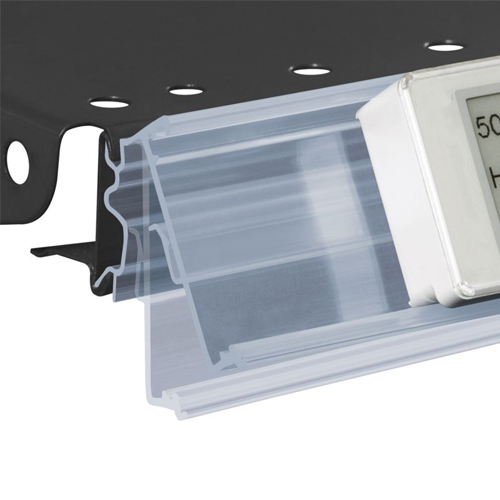
Nova-day uses PETG for shelf dividers. These dividers can be recycled. When you use and recycle them, you help nature. You join a system where materials get reused and waste goes down.
| Factor | Description |
|---|---|
| Recycling Processes | Steps include collecting, sorting, cleaning, grinding, and reusing PETG waste. |
| Energy Consumption | Recycling needs less new material, so energy use and pollution drop. |
| Water Usage | Water is needed for cleaning and making PETG, which affects local water supplies. |
| Emissions | Moving and making PETG creates air pollution and greenhouse gases. |
| Quality of Recycled PETG | Recycled PETG may not be as strong, so it might not last as long. |
| Multiple Recycling Cycles | PETG can be recycled many times, but each time uses energy and resources. |
Low Impact Manufacturing
Choosing PETG products helps lower harm to the environment. Making PETG uses less energy than some other plastics. Recycling PETG means less new material is needed. This cuts carbon emissions. For example, recycled PETG makes less CO2 than pure PETG.
| Product | CO2 Emissions (kg) | Reduction (%) |
|---|---|---|
| Prusament PETG (pure) | 5.85 | N/A |
| Prusament PETG Recycled | 2.55 | 56 |
Life Cycle Assessments show PETG has a smaller carbon footprint when recycled. You also save energy and water during production. Nova-day uses PETG in shelf dividers. These products are made with less impact on nature. You help PETG sustainability by picking items made from recycled materials and smart manufacturing.
Durability for Long-Term Use
PETG is tough and lasts a long time. PETG products can handle hits, heat, and chemicals. You can use PETG dividers in stores for years. This means less waste and fewer resources used.
PETG is better than plastics like PLA and ABS. It is stronger, handles heat well, and resists chemicals. PETG also deals with sunlight better than ABS. You can use it in bright places.
| Property | PETG | PLA | ABS |
|---|---|---|---|
| Impact Resistance | 2-3x stronger than PLA | Brittle, cracks easily | Good, but needs skill |
| Heat Resistance | Up to 80°C | Softens at 60°C | Moderate |
| Chemical Resistance | Excellent | Moderate | Moderate |
| UV Resistance | Better than ABS | Poor | Needs stabilizers |
Nova-day’s PETG shelf dividers stay clear and strong. They last in busy stores. You do not need to replace them often. This helps PETG sustainability and cuts down on new products.
Tip: Picking PETG products helps keep the earth clean. You support green choices in stores.
PETG Sustainability vs. Other Materials
PETG vs. PLA and ABS
You may wonder how PETG compares to other common plastics like PLA and ABS. Each material has its own strengths, but PETG stands out when you look at the environment. PLA is made from plants, so it can break down under special conditions. However, it is not as strong as PETG. PLA often cracks or breaks in busy stores. ABS is tough and used in many products, but making ABS creates more carbon emissions. This means it adds more pollution to the air.
PETG gives you a balance. It is strong like ABS, but it is easier to recycle. You can use PETG products for a long time, and then recycle them when you finish. This helps keep plastic out of landfills. PETG does not break down like PLA, but its recycling process is more effective. You help the planet by choosing PETG, because it reduces waste and pollution.
Here is a quick look at how these materials compare:
| Material | Recyclability | Environmental Impact |
|---|---|---|
| PETG | Easier to recycle | Lower environmental footprint when recycled |
| ABS | Hard to recycle | Higher emissions during production |
| PLA | Compostable in labs | Needs special conditions to break down |
- ABS has high carbon emissions during production.
- PETG has better recyclability than ABS, which helps lower its impact.
- PLA can break down, but only in special places, not in regular landfills.
When you choose PETG, you support a material that lasts, recycles well, and keeps emissions low. This is why many stores and brands now use PETG for displays and dividers.
PETG vs. Traditional Plastics
Traditional plastics, like PVC or polystyrene, have been used for years in stores. These plastics are hard to recycle and often end up in landfills. They can take hundreds of years to break down. When you use these plastics, you add to the growing problem of plastic waste.
PETG offers a better choice. You can recycle PETG more easily. The process to make PETG uses less energy than many older plastics. This means factories release fewer emissions. PETG also has high impact resistance, so products last longer and break less often. You do not need to replace PETG items as much, which means less waste.
Nova-day picks PETG for its retail solutions because it is fully recyclable. The company wants to reduce the need for new materials and cut down on waste. PETG production creates fewer emissions, which helps the environment. The extrusion process for PETG uses less energy, making it a smart choice for stores that care about the planet.
You see PETG in Nova-day’s shelf dividers and ESL label adapters. These products stay strong and clear, even in busy stores. PETG is safe for food contact in certain grades, so you can use it in many places. The material is also easy to shape and print, which helps manufacturers make many types of products.
Tip: When you choose PETG products from Nova-day, you help support petg sustainability. You make a choice that is good for your store and the earth.
- PETG is fully recyclable, so you use fewer new resources.
- The production process for PETG creates fewer emissions.
- PETG products last longer, so you replace them less often.
- High impact resistance means less breakage and less waste.
- PETG is safe, versatile, and reliable for many retail uses.
You can see why Nova-day prefers PETG for its sustainable retail solutions. PETG helps you meet your green goals and keeps your store running smoothly.
Nova-day’s Sustainable Retail Solutions

ESL Fittings and PETG Dividers
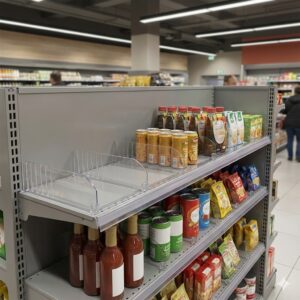
You want your store to look clean and organized. Nova-day’s PETG shelf dividers help you do that. These dividers use PETG, a material that is strong and clear. You can see products easily. The dividers last a long time, so you do not need to replace them often. This saves money and reduces waste.
Nova-day also offers ESL fittings. These fittings hold electronic shelf labels in place. Electronic shelf labels use less energy than paper tags. You can save up to 40% on energy over five years. E-paper displays need very little power. They cost less to run than a single LED bulb each year. When you switch to electronic labels, you use less paper. This means less waste and fewer carbon emissions. You can also change prices quickly. This helps you sell perishable items before they spoil, which cuts down on food waste.
Tip: Using PETG dividers and ESL fittings helps your store become greener and more efficient.
ESL Label Adapter Innovations
You can make your store even better with Nova-day’s ESL label adapters. These adapters snap onto shelves and hold digital price tags. You can choose from different sizes and colors to match your store’s style. The adapters use durable plastic, so they last a long time.
When you use ESL label adapters, you help the environment. You do not need to print new paper tags for every price change. This saves trees and lowers your store’s carbon footprint. The adapters also make it easy to highlight sales and special offers. You can grab your customers’ attention and boost sales.
Nova-day’s PETG-based products fit today’s market trends. Stores want to save energy, reduce waste, and use materials that last. You can join this movement by choosing PETG dividers, ESL fittings, and label adapters for your store.
Future Trends in PETG Sustainability
Manufacturing Innovations
You will see new ways to make and recycle PETG. Manufacturers use bio-based PETG and recycled PETG called rPETG. These materials come from plants like sugarcane. They help lower pollution and keep PETG strong. Multilayer structures make it easier to reuse PETG. Companies such as Eastman use molecular recycling to get PETG waste back.
Some companies make marine-degradable PET blends. These blends break down faster in the ocean but still protect products. Food-grade PET sheets keep food fresh for 30% longer. This helps meet goals from the EU Green Deal. More changes will make PETG safer for the planet.
Recycling machines are getting better. Machines like In-Flight Sorting® and PET Boost® sort and recover PETG more accurately. Auto Calibration keeps these machines working well and cuts downtime.
| Technology | Description |
|---|---|
| In-Flight Sorting® | Finds and removes materials while moving, making sorting more pure and accurate. |
| Auto Calibration | Makes machines reliable and reduces downtime, keeping them accurate. |
| PET Boost® | Finds hard-to-detect materials, so more PET containers get recovered. |
Nova-day uses PETG in shelf dividers and ESL adapters. You get products that last longer and help petg sustainability.
Regulatory and Market Shifts
You will see new rules and changing market needs. California plans to give producers more time under the EPR law. Producers must show their materials can be recycled or composted. By 2032, all materials must meet these rules. This changes how PETG is made and recycled.
Cities grow, so packaging needs to be efficient. People want products that are easy to use and keep food fresh. Governments push for recyclable plastics to fight pollution. PETG fits these needs because it can be recycled and reused. Manufacturers focus on eco-friendly grades, and over 40% now pick sustainable materials.
The PETG market is growing fast. More people want sustainable packaging. New ways to make PETG help this growth. The consumer goods sector grows, so PETG use goes up.
| Segment | CAGR (%) | Time Period |
|---|---|---|
| Overall PETG Market | 4.5 | 2026 to 2033 |
| Extruded-grade PETG | 6.5 | 2026 to 2033 |
PETG will be used more in stores and packaging. Nova-day offers products that match these trends and help create a cleaner future.
Note: Picking PETG solutions helps your store follow new rules and market needs. You support a greener future with every product.
You notice PETG is becoming a top eco-friendly material. Studies show PETG can be recycled more than PLA and ABS. New blends and recycling ways make PETG even better for nature. Nova-day uses these new ideas to make strong products that last. When you pick Nova-day’s dividers and ESL solutions, you help petg sustainability. You help your store and the planet at the same time.
- PETG’s recycling steps are easy to follow.
- New PETG blends make it tougher and look nicer.
- Nova-day’s products help you reach your green goals.
Pick PETG and Nova-day to make your store cleaner and smarter.
FAQ
What makes PETG a sustainable choice for retail displays?
You can recycle PETG many times. This reduces waste and saves resources. PETG also lasts longer than many plastics. You help the planet when you choose PETG for your store.
Can you recycle Nova-day’s PETG shelf dividers?
Yes, you can recycle Nova-day’s PETG shelf dividers. Just place them in the correct recycling bin. This helps keep materials in use and supports a circular economy.
How do PETG ESL fittings help reduce store waste?
PETG ESL fittings last a long time. You do not need to replace them often. This means less plastic waste in your store. You also save money over time.
Are Nova-day’s PETG products safe for food contact?
Many PETG products are food-safe. You can use them near food displays. Always check the product details or ask Nova-day for specific safety information.
Tip: Choosing PETG products from Nova-day helps you meet your store’s green goals and keeps your displays looking great.