Skip to content

You need a tabletop sign holder, but you can’t pick between an adjustable or fixed model. This choice feels hard because both options work well for showing your signs. Your choice should depend on three things: how often you swap your signs, your budget, and your store’s physical setup.
Adjustable vs. Fixed Sign Holder Stands show a clear give-and-take. Adjustable stands give you more flexibility for changing messages and placing signs at eye level. Fixed stands offer a steadier, cheaper option for signs that stay the same. Neither type is better in every case.
This guide helps you look at these factors in a practical way. You will see how each stand type works in real stores. You will find out which model fits your routine and how you like to show signs.
Key Takeaways
- Pick adjustable stands if you often change your signs or need to place them at eye level.
- Pick fixed stands if you want a steady display for a long time and want to spend less at the start.
- Choose the stand based on where you use it: use acrylic in busy areas and UV-resistant materials outdoors.
- Think about long-term value: adjustable stands can change with your marketing needs, which saves you money in the long run.
- Try different spots to find the best height and angle for the most people to see it clearly.
Adjustable vs. Fixed Sign Holder Stands: Key Differences
Before you compare features, you need a clear picture of what each product type actually is. An adjustable tabletop sign holder contains moving parts. You can change its height, tilt its face, and often rotate the sign between portrait and landscape positions. A typical adjustable model features a metal stem that extends from 13 inches to 22 inches, giving you a 9-inch range of motion. This flexibility lets you position your message exactly where your customers look.
A fixed sign holder takes the opposite approach. Its rigid, one-piece construction locks your sign into a specific size and angle. You cannot alter the display once you set it up. This design simplicity means fewer parts that can break or shift out of alignment. The trade-off is clear: you gain stability but lose control over presentation.
Versatility and Adjustability
The adjustable stand’s height range creates practical advantages in real retail spaces. You can raise a sign to match eye level for standing adults or lower it for countertop displays that serve seated customers. This eye-level placement matters because people notice signs positioned directly in their line of sight. A sign sitting too low or too high simply disappears into the visual noise of a busy store.
Tilt adjustment adds another layer of control. Slightly angling a sign toward approaching foot traffic increases the chance someone will notice it. This becomes especially valuable on curved aisles or near store entrances where sightlines get complicated. Even a few degrees of tilt can boost visibility significantly. You should test the angle from your customer’s perspective, then adjust for sunlight and shadow patterns throughout the day. A sign that catches direct light reads easier than one sitting in glare.
Orientation flexibility rounds out the adjustable stand’s toolkit. You can switch between landscape and portrait layouts depending on your content and available shelf space. Landscape orientation aligns with natural horizontal human vision, which improves information recall. Portrait orientation accelerates vertical reading, making it ideal for menus or bold, short messages paired with images. A three-sided closed holder design works in both orientations, so you can adapt without buying new hardware.
Fixed stands offer none of these options. Their rigidity ensures the sign never shifts, but you also cannot reposition it when your display context changes. What you set is what you get.
Cost, Durability, and Ease of Use
Fixed stands typically cost less upfront because they contain fewer components and require simpler manufacturing. Their one-piece construction also means fewer failure points. Nothing can loosen, bend, or wear out through repeated adjustment.
Material choice affects durability more than the adjustable-versus-fixed distinction. Acrylic stands handle impacts up to 10-30 times better than glass, making them ideal for high-traffic areas where bumps happen regularly. Metal lasts long but may rust in humid environments. Glass cracks easily, and wood warps or scratches, so neither suits busy retail settings. Acrylic delivers the best balance of strength and safety for most businesses.
Ease of changing signage reveals a surprising advantage for adjustable holders. Many models offer quick, tool-free access to swap signs in seconds. This efficiency matters in fast-paced environments where staff update promotions daily. Fixed holders limit you to one sign size, and changing the message requires removing the entire unit from the table.
That said, simplicity sometimes outperforms complexity. A fixed stand’s straightforward design means no learning curve and no mechanical parts to maintain. For a permanent display that rarely changes, this simplicity becomes a genuine feature rather than a limitation.
The Adjustable vs. Fixed Sign Holder Stands comparison ultimately comes down to how you work. Dynamic operations benefit from adjustability. Static displays thrive with fixed stability.
Choosing the Right Stand for Your Business
Assessing Your Business Environment
Your physical space shapes the best choice. A fast-casual restaurant faces different needs than a boutique retail store. Outdoor placement demands holders that withstand wind, rain, and sun. Indoor holders can focus on matching your interior style. Lighting creates another factor. Bright ambient or spot lighting produces glare on standard acrylic. Anti-glare acrylic holders keep your menu signs readable without reflection. High-traffic dining areas near serving stations need break-resistant acrylic. Customers bump into signs regularly. Acrylic handles impact up to 30 times better than glass. UV-resistant acrylic prevents yellowing near windows or on a patio. This maintains clarity over time.
Retail stores benefit from strategic placement. Position signs near entrances or high-traffic zones. Well-positioned signage highlights overlooked offers. A 2022 study showed all types of in-store displays increased revenue. 69% of shoppers said displays led to more sales. Permanent displays raised sales by 19%. Temporary displays raised sales by 23.8%. Your environment determines your stand choice. A fixed stand works well for a permanent “Sale” sign in a retail corner. An adjustable stand suits a restaurant that changes daily specials. You need eye-level positioning for busy environments. Test different placements. Small adjustments in height or angle improve how often people notice signs.
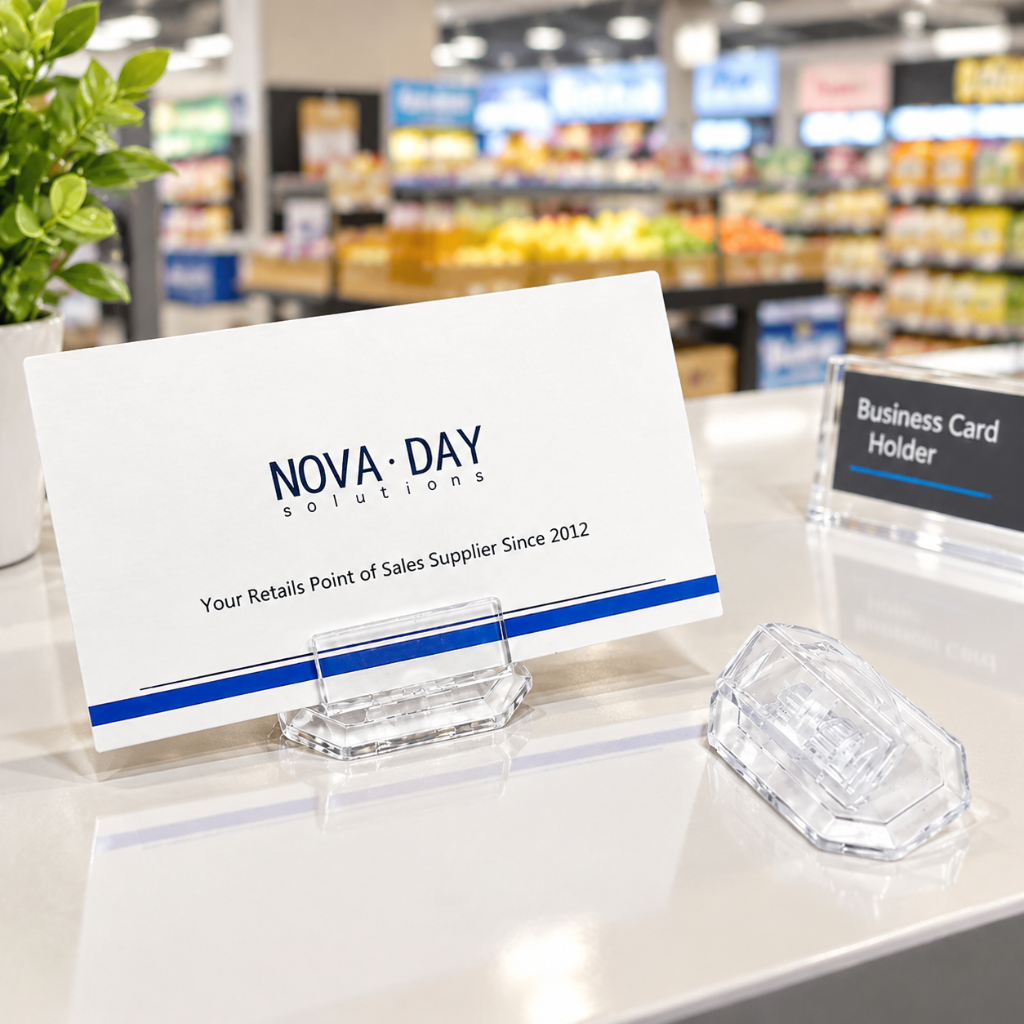
Manufacturers like Nova-day offer options in both categories. Their product line includes simple, robust fixed stands. They also offer adjustable models with bottom-loading mechanisms for rapid sign changes. The choice is not about quality. It is about matching the product to your workflow.
Evaluating Signage Update Frequency
Your sign update frequency guides your decision. A boutique retail store with a permanent “Sale” sign values stability. A fast-casual restaurant that updates its daily specials board needs flexibility. Count your sign changes per week. Daily changes favor adjustable stands. Many models offer tool-free access to swap signs in seconds. This efficiency matters in fast-paced environments.
The Adjustable vs. Fixed Sign Holder Stands decision depends on your routine. Fixed stands suit stable, long-term messages. Adjustable stands benefit businesses with frequent promotions. Consider your long-term needs. A fixed stand has lower upfront cost. An adjustable stand may prevent buying new stands every time your marketing strategy changes. Browse a manufacturer’s catalog to see specific features and materials available in each category.
Making the Final Choice: Recommendations
You now understand the key differences between both stand types. The final decision comes down to matching the product to your specific workflow. Let us walk through clear scenarios that point you toward the right choice.
When to Choose a Fixed Stand
Choose a fixed stand when your message stays the same for months or years. A boutique retail store with a permanent “Sale” sign fits this category perfectly. A regulatory posting that never changes also suits a fixed holder. Your staff will not need to swap graphics, so the lack of adjustability costs you nothing.
Fixed stands also win in high-traffic areas where customers bump into displays. Their rigid construction keeps signs aligned no matter how many people brush past them. Heavy bases prevent the holder from falling in strong wind. Moisture vents allow water to escape, preventing internal damage from weather changes. Protective coatings resist fading, chipping, and corrosion from rain, snow, and UV exposure. Aluminum frames remain lightweight yet strong, rust-free for outdoor use. Special coatings for metal protect against fading and rust in wet environments like kitchens and bathrooms.
Budget constraints also point toward fixed stands. The upfront cost stays lower because the product contains fewer components. Consider the long-term economics before you decide:
| Signage Type | Initial Cost | Replacement Frequency (10 years) | Total Cost Over 10 Years |
|---|---|---|---|
| Temporary | Lower | 5 times | Exceeds permanent upfront cost |
| Permanent | Higher | 0 times | Single upfront investment |
Replacing a temporary sign five times over a decade makes its real cost exceed the one-time investment in a permanent sign that lasts the full period. Permanent signage requires a higher initial capital expenditure but delivers a lower cost-per-year over its operational life. For static messages, regulatory posting, or brand identity, this makes permanent signage the most cost-efficient choice.
When to Choose an Adjustable Stand
Choose an adjustable stand when your promotions change frequently. A fast-casual restaurant updating daily specials needs quick graphic swaps. A retail store running weekly promotions benefits from repositioning signs to match new displays. Adjustable height signage holders allow you to set the display between 33.5 and 53.4 inches, enabling customization for different audiences. The integrated locking mechanism secures the sign at the chosen height, preventing movement or falls during busy retail events.
Adjustable sign holders enable height adjustment to match the average eye level of the target audience, ensuring optimal visibility and engagement.
Positioning signs at eye level is most effective as it ensures they are easily noticed and readable, improving customer engagement.
The adjustable clip sign holders allow you to modify angle, height, or orientation, providing flexibility to adapt signs quickly in dynamic retail environments. This adaptability enables you to align in-store signage with online promotions and changing marketing strategies. Integration of digital technologies such as QR codes and NFC tags into these holders further bridges the gap between physical and digital marketing.
Consider your long-term needs before purchasing. A fixed stand has a lower upfront cost, but an adjustable stand may offer better long-term value if it prevents buying new stands every time your marketing strategy changes. The Adjustable vs. Fixed Sign Holder Stands decision ultimately reflects how you operate. Browse a manufacturer’s catalog, like the one from Nova-day, to see the specific features and materials available in each category. Their product line includes both simple, robust fixed stands and adjustable models with bottom-loading mechanisms for rapid sign changes. Match the product to your workflow, and you will make the right investment.
No single stand type works for every business. Your choice depends on your specific needs. Consider how often you change signs, whether you need flexibility or stability, and what your budget allows.
Adjustable stands reward you with versatility. You can reposition messages as your marketing evolves. Fixed stands reward you with simplicity and lasting durability. They serve static displays reliably for years.
Stop weighing abstract features. Walk through your store. Count your weekly sign changes. Measure your display spaces. Watch how customers move through your aisles. This practical audit reveals your true requirements.
Then explore your options. Nova-day offers tabletop sign holder stands in both categories. Their catalog shows you real products with real specifications. Find the stand that matches your operations and your brand’s visual identity.
FAQ
Can I use an adjustable stand for heavy or oversized signs?
Adjustable stands are best for lighter signs since their moving parts have weight limits. Check the maker’s maximum capacity rating before you buy. Fixed stands hold heavier displays because their design is rigid. Choose based on how much your sign weighs.
How do I clean acrylic sign holders?
Use a soft microfiber cloth and mild soapy water. Do not use cleaners with ammonia or alcohol. These can ruin the acrylic surface. Dry with a clean cloth to stop water spots. Clean the signs often to keep them clear.
Can I use these stands outdoors?
Yes, but you need weather-safe materials. Pick UV-resistant acrylic and rust-proof metal frames. Normal indoor stands may turn yellow or rust outside. Always check the specs before using any stand outdoors.
How long do these stands typically last?
With good care, acrylic stands can last 5 years or more. Fixed stands usually last longer than adjustable ones because they have fewer moving parts. Material quality and your store setting affect how long they last. Choose tough materials for years of use.