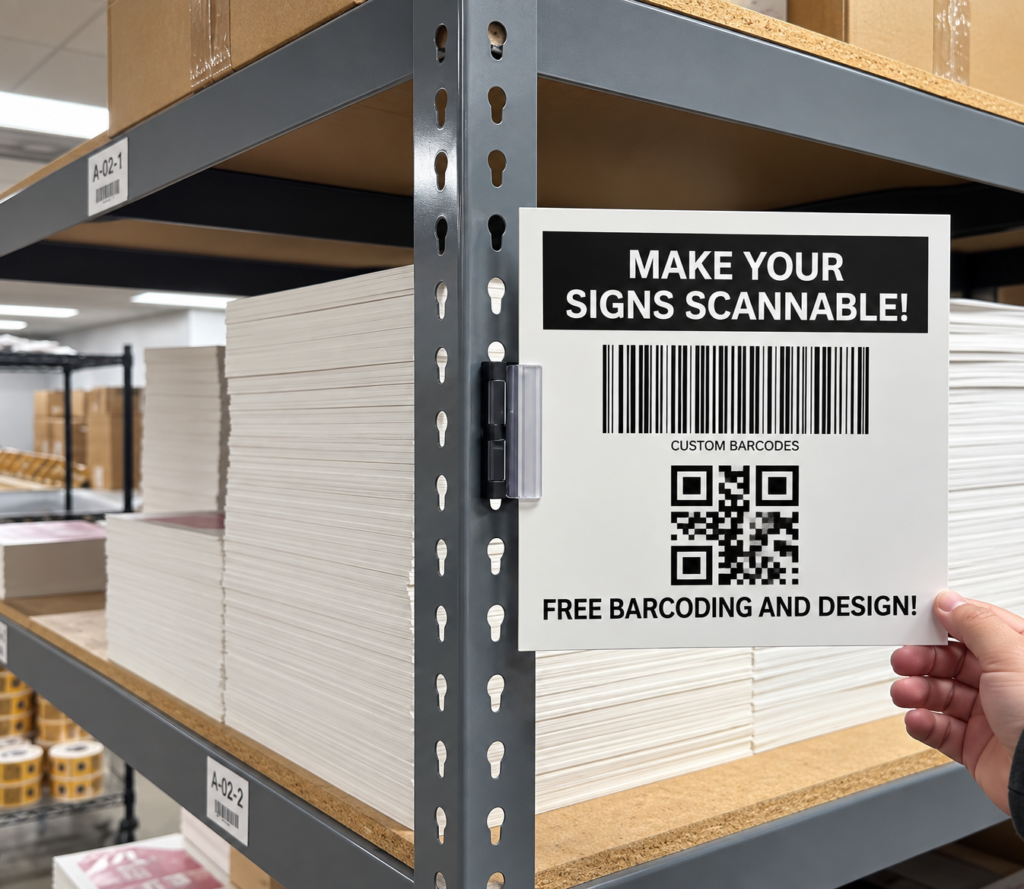
Signage helps shoppers find items and make quick buying choices. A magnetic sign holder looks easy to use, but picking the wrong one causes real issues. You need to match the holder to your metal shelves, think about how often you change your signs, and weigh price against strength. Your sign should also fit your store’s look without blocking products. So, how do you choose the right sign holder for your displays? This guide offers a simple, useful plan. You will learn about magnet power, surface fit, and sign size. The answer to your clear business message challenge is right ahead.
Key Takeaways
- Test your shelf with a magnet before buying a holder.
- Match the holder size to your sign and display spot.
- Verify outdoor suitability for the selected holder and fixing.
- Use magnetic holders to change signs quickly and easily.
- Test the entire mounted holder with the actual insert and fixture.
What Is a Magnetic Sign Holder?
A magnetic sign holder uses magnets to hold signs, posters, or graphics on metal surfaces. You put your printed message inside the holder, then attach the whole unit to steel shelves, racks, or display frames. No drilling, no sticky mess, and no lasting changes to your fixtures. This simple design makes the holder a handy tool for stores that update displays often.
Key Benefits for Retail Signage
The biggest plus is that you can use it again and again. You can move a magnetic sign holder from one shelf to another in seconds. When a sale ends, you swap the graphic and reuse the same holder. This saves money over time because you buy the holder once and only replace the printed inserts.
A magnetic holder can be repositioned if the surface is suitable. Test it on the actual panel and in the planned orientation, including the weight of the insert and any effects of a painted or curved surface.
Look for sliding or rotation after the holder is fitted. Confirm that the card remains flat and readable when staff brush past it or move items nearby.
Common Applications in Stores
Gondola shelving units appear throughout supermarkets, drugstores, and convenience stores. Retailers place them in aisles, along walls, or in central floor areas. These flexible fixtures make great spots for magnetic sign holders. You can attach signs to gondola tops for overhead visibility or to side panels for eye-level messaging.
End cap displays also work well with magnetic holders. These busy areas showcase seasonal items or featured products. A magnetic sign holder lets you swap promotional graphics as inventory changes. Warehouse racking and checkout counters offer more places to mount signs.
For a metal entrance or counter fixture, confirm there is an approved magnetic contact area and assess the sign while it is in use.
Types of Magnetic Signage Holders
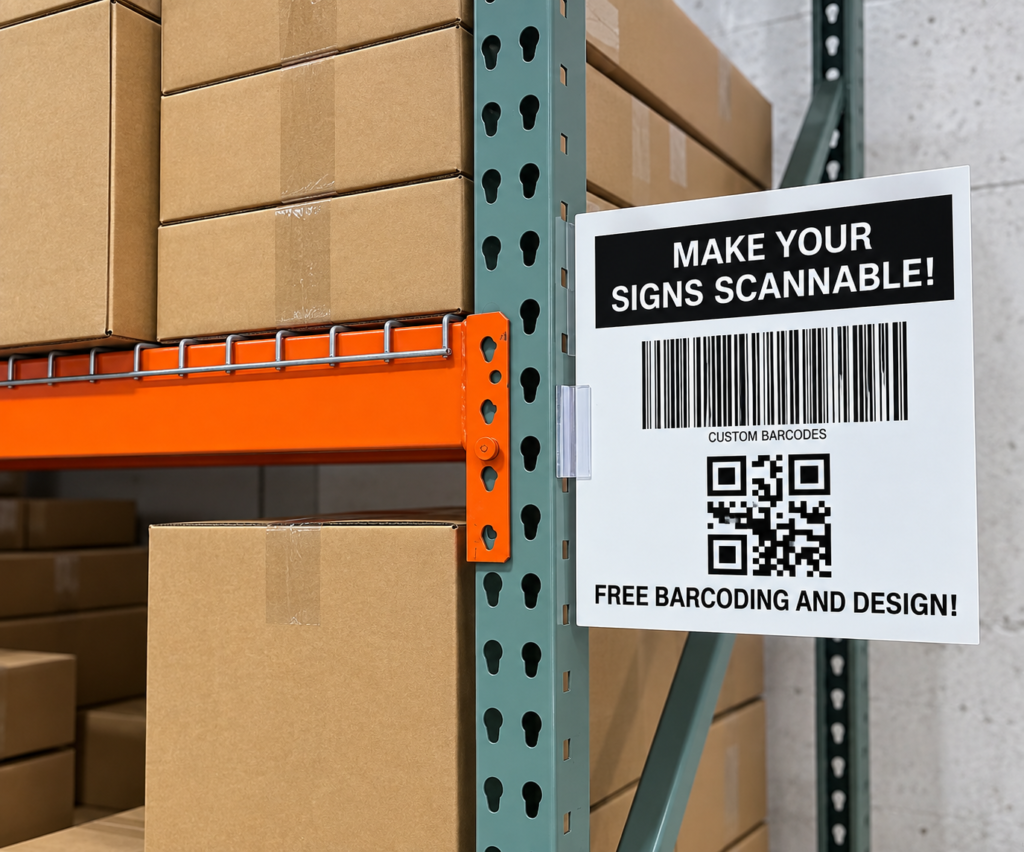
Retail stores use several kinds of magnetic signage holders. Each type serves a different purpose. Knowing the difference helps you pick the right tool for your display. The main categories include flat magnetic sheets, magnetic frames, and magnetic base adaptors.
Flat Magnetic Sheets and Strips
Flat magnetic sheets come as thin, flexible pieces. You cut them to any size you need. These sheets work well for lightweight paper signs or small labels. You place the graphic between the sheet and the metal surface. The magnetic force holds everything in place.
These sheets cost less than other options. You can trim them with scissors for a custom fit. However, they offer limited holding power. Heavy cardstock or thick posters may slide down over time. Flat strips work the same way but come in narrow rolls. Use them for price tags or small shelf labels. For a quick change on a flat steel panel, this option works fine. But for larger displays, you need something stronger.
Magnetic Frames and Base Adaptors
Magnetic frames use a rigid border with magnets built into the edges. You slide your printed graphic into the frame. Then you attach the whole unit to the shelf or rack. These frames hold heavier materials without bending or sagging. They also give your display a clean, finished look.
A magnetic base adaptor has a mounting base and an attachment for the sign. Verify the actual steel surface, geometry and sign connection.
If using a separate acrylic sign holder, confirm the joint and test the full assembly. For an overhead sign, use an installation specifically approved for that position.
For outdoor use, check the stated finish, sealing, temperature and exposure limits. Compare only models rated for the intended conditions.
Some base adaptors work as freestanding units. You attach them to a small metal plate that sits on a counter. This setup lets you display signs without drilling holes. A magnetic sign holder with a gripper slot accepts graphics up to several millimeters thick. You can reposition the entire unit in seconds. This flexibility makes base adaptors a favorite among store managers.
How to Choose the Right Sign Holder
Picking the right holder takes careful thought about magnet strength, surface type, and sign size. You need to match the holder to your exact display spot and surroundings. This part explains each factor so you can choose with confidence.
Checking Magnet Strength and Surface Fit
A published pull force usually describes separation perpendicular to a specified steel test plate. On a vertical fixture, the sign weight acts along the surface. Test for sliding and rotation using the actual base, insert and fixture in its installed orientation.
Magnetic grip depends on the alloy, steel thickness, coating, gap and contact area. Use these checks for representative surfaces before ordering.
| Surface Type | Field Check | What Can Affect the Result |
|---|---|---|
| Painted metal (ferromagnetic base) | Check the actual grip with the coating in place. Use the full loaded holder. | Paint and surface shape can create a gap and reduce contact. |
| Stainless steel 300-series (304, 316) | Verify grip on the exact fixture. | Some austenitic stainless steels have little magnetic response. Processing and grade can affect the result. |
| Stainless steel 400-series (410, 430) | Try the mount on the intended section. | A ferritic grade may hold a magnet. Fitting, surface finish and sign orientation still matter. |
Test the actual contact surface with the complete mounted holder. Use an approved mechanical option where the surface does not provide the required grip.
Paint thickness and texture can affect attachment. Inspect for curved sections or uneven coating and repeat the check on the actual fixture.
Check manufacturer guidance for wet or outdoor exposure. A chrome finish alone does not establish an outdoor rating.
Ask the equipment supplier about any separation requirements near electronic tags or security equipment.
Matching Size and Look to Your Display
Sign size decides which holder you need. Pick the right size for your graphic so it does not slip or curl. Measure your sign first to get the correct holder. The holder must fully support the width and height of your material.
Check the mounted orientation for each fixture type. Use a documented fixing where the sign would hang overhead or extend into the aisle.
Think about how the holder looks in your store. Chrome finishes match most retail shelves. An acrylic sign holder looks clean and professional. You can use these for price tags, direction signs, or promo messages. The acrylic sign holder style helps signs fit into your store while staying easy to read. For short-term signs like business hours near doors, a sign holder lets you swap signs fast. You can change the message each season without buying a new holder.
Match the holder style to your brand. Sleek metal bases fit modern stores. Clear acrylic sign holder options work for simple displays. The right pick keeps your store neat and professional. Your business looks better with steady, high-quality signs all over your store.
Spotlight on Nova-day’s Magnetic Adaptor
Use the Nova Day MAG75-75 adaptor as one option for an approved steel display surface. Confirm whether the current model and sign attachment suit the site.
Product Features and Specifications
The product listing describes a 75 × 22 × 6 mm base. Verify the current drawing, base finish and total sign dimensions before specifying it.
Confirm the listed finish and cleaning instructions. Verify moisture and corrosion limits with the supplier before using it in an exposed position.
The product listing identifies up to 4.8 mm insert thickness and recommends 3 mm. Check the selected gripper with that insert. Insert thickness does not establish a safe mounted sign weight.
Test the planned horizontal or vertical position using the actual mounting surface. Include the weight of the holder, insert, connector and any extension that can rotate the base.
Ideal Retail Use Cases for the Magnetic Adaptor
This sign holder works well in many store locations. Place adaptors on top of gondola runs for overhead signs. These signs catch shopper attention from across the aisle. Use them on the side of gondola uprights for eye-level messages. Mount them on warehouse rack beams for clear signage in storage areas.
Checkout counters offer another good spot. Attach the adaptor to the counter front. Insert a promotional sign or a loyalty program notice. Customers see your message while they wait in line. This spot drives impulse purchases and builds brand awareness effectively.
For gondola, cooler or service counter use, identify a compatible surface and verify the assembled sign stays in position during normal work.
Confirm the adaptor is approved for expected moisture and outdoor exposure before fitting it near an entrance or outside.
An acrylic sign holder pairs well with this adaptor. The clear plastic lets your message stay visible from all angles. You can use an acrylic sign holder for price tags, directional signs, or promotional messages. The adaptor holds the acrylic sign holder in place on any steel surface. An acrylic sign holder also protects your printed materials from dust and fingerprints.
Check whether staff can move and refit the mount without damaging the fixture finish. Include normal bumps and handling in the trial.
Record the tested sign size, weight and installation orientation with the product reference.
Choosing the right magnetic sign holder comes down to four factors: magnet strength, size, surface type, and environment. Evaluate each one before you buy. This effort prevents fallen signs, damaged graphics, and wasted money. A professional storefront depends on stable, clear displays.
The correct sign holder protects your brand image. It also saves time during resets. You can reposition signs quickly without tools. This efficiency matters for any business with frequent promotions.
Check for moisture, temperature and cleaning conditions before deciding whether an indoor model is adequate.
Now assess your current displays. Apply these principles today. Upgrade your signage with confidence. Your customers will notice the difference.
FAQ
Can you use a magnetic sign holder on any metal surface?
Check the actual metal surface and fixture finish. Fit the acrylic sign holder and any connector before testing grip in the intended orientation.
Can you use magnetic sign holders outdoors?
Use a product rated for the planned conditions. Check corrosion, wind and temperature limits for the complete installed assembly.
Can you use an acrylic sign holder with a magnetic base?
Yes. An acrylic sign holder pairs well with a magnetic base. The clear plastic keeps your message visible. It protects your graphics from dust and fingerprints.
How do you know the magnet is strong enough?
Test the total sign-and-holder weight in the mounted direction. Ask for the manufacturer’s test plate and pull direction if it lists magnetic pull force, then check the actual fixture for sliding or rotation.
What is a good way to display business hours?
Mount a magnetic sign holder near your entrance. Attach it to a steel door frame. This lets you update business hours easily. It keeps the information clear.