Skip to content


The best choice between digital and traditional options depends on your business goals, your budget, and your target audience. Each type of pop display has clear good points and real bad points. The global point-of-sale display market is expected to grow at about 8% each year from 2022 to 2030, reaching over US$22.2 billion. That growth shows how much retailers value good in-store presentation. You should think about your own needs as you read this comparison. A digital display may fit one store perfectly, while a printed setup works better for another. Your own situation matters most.
Key Takeaways
- Pick digital displays for busy stores that change their content often.
- Pick traditional displays if you have a small budget and want promotions to last a long time.
- Try both kinds of displays to find out which one works best for your store.
What Is a POP Display?
A pop display is a marketing tool you put right where customers decide to buy. You will also hear it called a point-of-purchase display. Both names mean the same thing. These displays sit near checkout counters, on shelves, or in aisles. They catch your eye and push impulse buys.
A point of purchase (POP) display is a marketing tool placed on purpose to sway shoppers’ buying choices right where they shop.
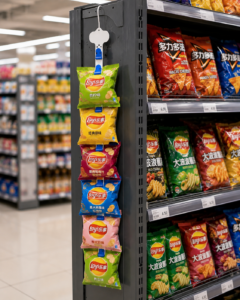
You will find two main types. Static printed setups use cardboard, foam board, or plastic. Rotating digital displays use screens and software. Both types do the same job. They put your product in front of the right customer at the right time.
Digital vs Traditional: A Quick Overview
Digital pop display units depend on screens, media players, and cloud software. You can change content remotely in seconds. Traditional displays use printed graphics on materials like PVC foam board. You make them once and put them in the store.
Each type has its own good points. Digital units shine in busy areas where you need fresh content often. Traditional units work well for seasonal campaigns and fixed promotions. Your choice depends on your budget, your audience, and how often you update your message.
Why POP Displays Matter in Retail
POP displays cost less per impression than TV or digital media. They reach shoppers at the exact moment of decision. That timing makes them a strong sales driver. Research shows that visual disruption techniques raise shopper stopping rates compared to standard branding.
| Source | Finding |
|---|---|
| Milesight IoT | Visual disruption boosts shopper stopping rates |
| PMC study | Rapid visual engagement drives impulse purchases |
| Oregon State ergonomics guide | 50–54 inches is optimal height for consumer interaction |
| Distribution Team standard | 54-inch height is the optimal strike zone for eye-level visibility |
The retail impact goes beyond simple visibility. Proper placement and height affect whether shoppers interact with your product. A well-designed display turns passive browsers into active buyers. You gain measurable sales lift when you match display placement with shopper behavior.
Cost: Digital POP Displays vs Traditional
Upfront Investment and Long-Term Value
Digital pop displays demand a significant upfront investment. You pay for screens, media players, mounting hardware, and content management software. Installation may also require electrical work or network setup. These starting costs can add up quickly.
Traditional displays cost far less to produce. You print your graphics on materials like cardboard or PVC foam board. A simple printed pop display may cost a fraction of a digital unit. This lower entry point helps small businesses test promotions without a large financial commitment.
The long-term picture changes when you look at recurring expenses. Digital signage lets you update content remotely through the cloud. After installation, changing your message costs essentially nothing. You avoid reprinting fees entirely. Traditional signage carries high ongoing costs. You pay for printing, installing, distributing, removing, and redoing ads. Those reprints can exceed $500 each year.
| Feature | Digital Signage | Traditional Signage |
|---|---|---|
| Cost Over Time | Low ($0 reprints) | High ($500+/year in printing) |
Your roi depends on how often you change your message. A store that updates promotions weekly will recover the digital investment quickly. A store with one stable campaign may never justify the hardware expense. Calculate your break-even point before you commit.
Cost-Effective Options With Nova-day
You do not need a huge budget to run effective in-store promotions. Posters and signs communicate your message at a fraction of the cost of traditional media. Shelf talkers offer a cheap and easy way to guide customers to products. These printed tools deliver strong sales impact without draining your marketing funds.
Nova-day‘s PVC Foam Board POP Displays give you a lightweight, durable, and customizable traditional option. You can order these displays for short-term promotions and seasonal campaigns. The material holds up well in busy retail environments. You customize the color and size to match your branding. The displays assemble quickly and reposition without effort. This flexibility helps you maximize visibility and drive impulse purchases. Your roi improves when you place cost-effective displays in high-traffic areas.
Engagement and Customer Experience

Engagement decides if a shopper stops or walks by your product. Both digital and traditional options grab attention, but they do it in very different ways. Your choice depends on your audience and the store where you work.
Digital POP Displays: Interactive and Dynamic
They use touch screens, QR codes, and video to catch your eye. Games or quizzes help people pick products and make shopping more fun and useful. Touching the product helps people remember it and makes them more likely to buy. Digital monitors and LCD screens show products through videos or slideshows that change on their own. Fun features like robot arms and sensors create memorable moments. These things draw customer interest and make them want to learn more about your products.
You can change promotions right away and set content to show at certain times of day. This keeps content fresh and useful for every visit. You can keep the same message across many stores and change it from one central dashboard. Time your message to match the busiest times at each store. These features make digital signs strong tools for busy stores.
Traditional POP Displays: Tangible and Trustworthy
They feel more real. Shoppers can touch the material and see the product up close. You put them in smart spots around the store. Place them in busy areas like checkout lines and the ends of aisles. This puts products in front of shoppers right when they decide.
Traditional displays build trust because they are physical. Shoppers think printed materials come from well-known brands and stand for quality. These work well for in-store sales when you want a simple, reliable message. You do not need power or tech help for these displays. The display just sits there and works with no upkeep. This reliability matters in supermarkets, convenience stores, and gas stations. Shoppers like the simple look. They pick up the product, read the info, and decide fast. This hands-on experience helps sales in fast-paced stores where people make quick choices.
Flexibility and Customization
Digital POP Displays: Instant, Remote Updates
Digital screens let you change your message very easily. You control everything with a content management system, or CMS. This software helps you make, plan, and send content to your screens. A typical CMS has a content editor, a library of assets, scheduling tools, and ways to manage devices.
You can update promotions right away from anywhere. You don’t have to go to the store or print new stuff. For stores with many locations, managing devices from one place lets you update a promotion across hundreds of stores at once. This makes campaigns faster and stops stores from showing old ads.
| Aspect | Traditional Signs | Digital Signage |
|---|---|---|
| Content Updates | Manual, requires physical replacement | Instant, remote updates |
This remote feature protects your ROI because you never pay for last-minute reprints or fast shipping. You change the message when you need to, and the screen shows it right away.
Traditional POP Displays: Custom Designs for Fixed Promotions
Traditional displays work best for fixed, long-term promotions. You design the display once and put it in the store. The display keeps that message for weeks or months without changes. This works well for seasonal campaigns, new product launches, and steady pricing offers.
You can fully customize these displays in color and size. Nova-day makes custom PVC Foam Board POP Displays just for you. You pick the size that fits your shelf or floor space. You choose colors that match your brand. UV printing makes bright graphics that grab attention.
This custom design helps you make a display that feels special to your store. You don’t settle for a generic look. Your display fits your space and your brand. For promotions that don’t change for a while, this printed choice gives good value without the trouble of digital systems.
Maintenance and Durability
Digital POP Displays: Power and Technical Needs
A digital display must have power all the time to work. You have to plug it into a wall outlet or a backup battery. If the power goes out, your message stops right away. You also need a steady network connection to update it remotely. Without that connection, you cannot send new content to the screen.
Technical support is important for these units. Screens can freeze, software can crash, and media players can stop working. You or your staff need to know how to restart the system. You also have to install software updates on a regular schedule. These updates fix problems and keep your display working well. A store that likes technology can handle this work easily. A small shop with no IT staff may have a hard time.
Traditional POP Displays: Low Maintenance, Subject to Wear
A printed display needs almost no care. You set it up and leave it alone. There are no power cords, no software, and no network connection. This low-maintenance quality makes traditional options dependable for any store setting.
Wear still happens over time. Cardboard can bend, tear, or fade under bright lights. Printed graphics may get scuffed when shoppers brush past them. You replace a worn display when it no longer looks clean. PVC Foam Board POP Displays resist this wear much better than paper or cardboard. The material is lightweight, durable, and easy to put together and move. You can move the display to a new spot without tools or extra help. This durability keeps your display looking sharp through a whole promotion. You get a professional look without constant repairs or replacements.
When to Choose Digital POP Displays
High-Traffic, Tech-Savvy Environments
You should pick a digital display when your store has lots of foot traffic and your shoppers like technology. Malls, airports, flagship stores, and tech-friendly retail spaces fit this description well. These places need eye-catching content that changes throughout the day. A static poster cannot match the energy of a busy terminal or a crowded shopping hallway.
Transportation hubs gain a lot from digital screens. Airports, train stations, bus terminals, and metro stations provide rotating, real-time content where static posters often fall short. North American retailers use digital signage, interactive kiosks, and video walls with dynamic, data-driven content to promote products, upsell, and highlight limited-time offers. In the United States, interactive demos, immersive video, and augmented reality create hands-on engagement, especially in consumer electronics, home improvement, and luxury goods. Asia Pacific markets support immersive advertising through high-resolution LED, LCD, and OLED displays. In mature markets there, AI-powered personalization, mobile app integration, and interactive touch-enabled kiosks serve digitally savvy shoppers. China goes further by connecting displays with mobile commerce and payment ecosystems. Shoppers scan QR codes, get personalized discounts, and make instant purchases through apps like Alipay and WeChat Pay.
Modern stores often mix digital signage for dynamic content with traditional posters, banners, and shelf talkers. This hybrid approach keeps the hands-on impact of print while allowing instant updates through QR codes or NFC triggers, and it can connect with mobile apps, loyalty programs, and social feeds.
A leading electronics retailer set up interactive displays that let customers explore product features and specifications. This approach increased customer interaction and led to a big boost in sales. Another major electronics retailer reported a 30% increase in sales for a new product line after using interactive displays with product demos and customer reviews. These results show how digital engagement drives measurable returns in the right setting.
Businesses Needing Frequent Content Changes
Your business should choose digital when your promotions change often. Digital displays can be updated instantly, so you do not need to reprint or reinstall materials. You can change content remotely, letting you manage displays from any location. You can schedule promotions by specific time or day, which allows dynamic messaging throughout the day. Different messages can run across multiple locations at the same time. You keep displays fresh without extra effort, unlike static signage which is stuck once printed.
The operational advantages go beyond convenience. Instant updates happen right away from a central platform, with no waiting on vendors or reprinting. You get rid of recurring costs for posters, flyers, and in-store signage, saving thousands each year on design, printing, and installation labor. Fixing errors becomes simple. You correct mistakes or price changes immediately without the 3-5 day turnaround common with print. This efficiency lowers operational overhead and frees up time for strategic work like campaign planning and customer engagement. You also cut down environmental waste from outdated materials.
Track your roi by watching key metrics. Sales lift measures the percentage increase in sales of promoted products after display installation. Foot traffic patterns show if the digital display attracts and redirects shopper flow in high-traffic zones. Dwell time reveals how long shoppers look at or engage with the display. Customer engagement rates count how many people scan QR codes or tap interactive elements. These metrics tell you whether your digital investment pays off. Review your sales data regularly to confirm the display delivers results.
When to Choose a Point-of-Purchase Display (Traditional)
Budget-Conscious or Low-Tech Settings
Pick a traditional display when you have a small budget or your store has no tech setup. Supermarkets, convenience stores, gas stations, checkout counters, and pop-up shops all work well. These places need cheap, reliable tools that do not need power or internet.
Affordability is the top advantage. You print your graphics on materials like PVC foam board for much less than digital hardware. Portability also matters. You move these displays by hand and set them up in minutes without tools or help. Assembly is easy, so your staff can move them during a shift without calling an installer.
| Store Type | Description | Typical Displays |
|---|---|---|
| Grocery/Supermarket | Offers a range of food, drink, and household products | Dump bins, retail shelving, aisle units, gondola displays |
| Convenience Store | Smaller quick-stop shops with basic foods, drinks, and essentials | Countertop options at cashier for impulse buys, shelf stoppers for promotions |
Convenience store ads get twice the visibility of larger stores. Retail media works better than traditional channels for brand recall. So convenience store ads are key for long-term brand growth. A good display at your checkout counter turns last-minute interest into sales.
Studies indicate that positioning products within specially curated in-store exhibits can boost sales by as much as 478%.
That number shows how much a smart POP display strategy can do. Retail displays that are well designed can boost sales a lot. They help attract customers and stop them from going to competitors. They make a good brand impression. They share promotions and sales well, and give good value for money.
Short-Term or Tactile Promotions
Traditional displays work great for short-term promotions and hands-on experiences. Holiday sales, seasonal events, and new product launches all do well with lightweight setups you can swap easily. You need displays that feel real and make shoppers want to touch, taste, or try your product.
Mixing sensory cues like textured materials, glossy finishes, and soft lighting invites touch and action. This makes people more engaged. Warm colors like red and orange create a sense of urgency. Bright contrasts draw the eye to featured products. Clean lines, good spacing, and easy placement make it simple for shoppers to act.
| Display Type | Advantage for Short-Term / Tactile Promotions |
|---|---|
| End-cap displays | High visibility and natural traffic patterns place featured products in the shopper’s line of sight, boosting noticeability for impulse and seasonal purchases. |
| Counter and checkout displays | Positioned at the moment of commitment, they prompt incremental purchases without disrupting checkout flow, turning last-minute attention into revenue. |
| Samples and showcases | Provide a tangible experience (touch, taste, try) that reduces hesitation and builds trust, increasing conversion for new or experience-based items. |
| Temporary displays | Lightweight setups designed for short-term promotions (e.g., holiday sales, new product launches) that are easy to swap out. |
POP marketing works because it matches how people shop naturally. It grabs attention with bold visuals and smart placement. Shoppers are drawn to these displays and spend more time looking at them. This triggers impulse buys by showing tempting items at key times, like near the checkout. It makes choices easier by giving product info that highlights deals and new items. It also makes shopping more fun with engaging visuals, creating a better experience.
Nova-day’s PVC Foam Board POP Displays are perfect for short-term promotions, seasonal events, and product launches. The material is light, strong, and can be customized. You pick the color and size to match your brand. UV printing makes bright graphics that grab attention. The displays set up fast and can be moved without effort. This flexibility helps you get more visibility and boost impulse buys. Your return on investment gets better when you put cheap displays in busy areas. You get a professional look without needing constant fixes or replacements.
Your budget, audience, store setting, and how often you change your message all shape this choice. Digital screens work well in busy, tech-friendly stores where the message changes often. Traditional options fit small budgets and promotions that stay the same. No single choice wins every time. Both do well when they match your business goals.
If you can, test both types in your store. Watch how shoppers react to each display. Track sales and measure your roi. This hands-on approach shows what works for your own situation.
Audit your current POP strategy today. Talk to a display expert to find the right mix. Small changes at the point of purchase can lead to big results.
FAQ
Which option costs less to start?
Traditional displays cost much less at the start. You print graphics on materials like PVC foam board for a small part of digital hardware prices. Digital units need screens, media players, and software. Your budget and promotion timeline decide which investment makes sense for your store.
Do digital displays really boost engagement?
Yes, in the right place. Touch screens, QR codes, and video catch attention in busy, tech-friendly stores. Shoppers interact with changing content and remember products better. Traditional displays build trust through physical presence. Both approaches work when you match them to your audience.
How often can I update content on each type?
Digital displays let you change messages right away through cloud software. You update promotions from anywhere without reprinting. Traditional displays stay fixed once printed. You replace them by hand for new campaigns. Choose digital for frequent changes and traditional for stable, long-term promotions.
What maintenance does each display need?
Digital units need power all the time, network access, and software updates. Screens can freeze or crash. Traditional displays need almost no care. You set them up and leave them alone. PVC foam board resists wear better than cardboard. Replace worn displays when they look dirty or damaged.