Skip to content


Picture yourself at a weekend market. Your hand-painted sign table stand wobbles and falls over for the third time. Across the aisle, a competitor’s smooth acrylic display stands strong, pulling in customers with ease. You ask yourself: does your DIY choice really save money, or does it quietly hurt your image?
The first cost check favors DIY, but that view misses the whole story. A full cost-benefit look shows that professional options often give better value through strength and brand appeal. This review looks at your budget, how you use the stand, and long-term gains. We will dig into hidden costs, compare real-life cases, and help you see which pick helps your business most. Your signage deserves smart thought.
Key Takeaways
- Professional stands cost more at first but last longer, so each use costs less.
- DIY stands hide costs like your time, materials, and customers you lose because your display looks weak.
- A wobbly homemade stand can make customers lose faith and buy less.
- Professional displays build trust and make your brand look reliable.
- Pick DIY for a single event or when money is tight. Choose professional stands if you will use them again and again.
DIY Sign Table Stand: Upfront Costs
Materials and Tools
Your first step in a DIY project is to get materials and tools. The cost can change a lot based on what you pick. A basic foam board stand costs about $20. A wooden frame with adhesive vinyl is about $100. The price depends on the quality of materials you choose. You might already own some tools like a ruler or a utility knife. Other tools, such as a cutting mat, a printer for your artwork, and adhesive spray, add to your starting costs. A cutting mat costs $20 to $40. A basic printer that can print signs costs $50 to $100. These items increase how much you spend at the start. A simple cost-benefit analysis of your material choices can help you save money later. The benefit of picking better materials is a longer-lasting stand. But the initial cost may be hard on your budget.
Time Investment and Skill Level
Building the stand takes 3 to 5 hours. For a business owner who earns $50 per hour, that time means $150 to $250 in lost work. This is a real cost you should think about. Printing your own sign takes design skills. You need to make a layout, pick fonts, and line up graphics. If you make mistakes, you waste materials and have to redo work. Common errors include skipping the planning phase. Many beginners don’t know how much work it takes. They rush into building without measuring twice. This mistake means parts don’t fit together. Using the wrong materials is another common error. Wood that is warped or cracked makes assembly hard. A messy workspace makes it easier to make mistakes. Checking your skills before you start can stop these problems. Think about how much time you need versus the benefit of a professional look. Using professional materials gives you a longer-lasting stand. But saving money at the start is tempting. A complete cost-benefit analysis of your options guides your decision. This analysis should include both costs you can see and costs you can’t. A final look at your business needs shows the best choice. A cost-benefit analysis of your signage investment matters. A proper CBA shows you the true value of professional options. A good CBA shows hidden costs that DIY often hides. A modest budget for a temporary event might support a DIY approach. More funds for repeated use might favor a professional stand.
Professional Sign Printing: Pricing and Quality

Pricing Models and Options
Professional sign table stand pricing starts lower than most business owners expect. A basic plastic table tent begins around $6.99 per unit. A pedestal sign starts near $8.99. A tabletop banner with a tripod stand and carrying case starts at $17.99. These figures from FedEx Office represent the entry point for professional printing. The upper range extends well beyond these numbers based on your material choices and level of customization.
Your pricing analysis reveals two distinct paths. Off-the-shelf designs offer the lowest cost and fastest turnaround. You select from standard templates, approve a proof, and receive your order within days. Custom options cost more but deliver stronger brand alignment. You control colors, fonts, layout, and messaging. This design freedom ensures your signage matches your other marketing materials exactly. A thorough cost-benefit analysis should weigh the higher upfront price against the marketing benefit of a cohesive brand image across every customer touchpoint.
Professional sign printing eliminates the hidden costs of DIY production. When you attempt mounting custom-printed graphics yourself, you risk creasing or misalignment that permanently damages the appearance. Modern printing technology uses UV-resistant inks and precision cutting that standard office tools cannot replicate. Professional installers serve as your final quality control layer. They ensure high-resolution output presents exactly as intended, protecting both durability and visual outcome.
| Product Type | Starting Price | Key Feature |
|---|---|---|
| Plastic Table Tent | $6.99 | 7 sizes; engraving option |
| Pedestal Sign | $8.99 | 4 sizes; one-sided print |
| Table Top Banner | $17.99 | 11″x17″; tripod included |
Nova-day’s Manufacturing Advantage
Nova-day stands apart as a leading manufacturer of retail display products. The company has produced durable acrylic and plastic sign holders since 2012. This 10-plus years of experience means you receive products engineered for repeated use in demanding retail environments. Nova-day focuses exclusively on business-to-business relationships, which keeps pricing competitive without sacrificing quality.
Acrylic sign holders from Nova-day outperform glass alternatives in several measurable ways. They resist impact 10 to 30 times better than glass. They resist scratches and shattering far more effectively. They weigh less, which simplifies transport and setup at events. Maintenance requires only mild soap and a soft cloth. This durability analysis shows why acrylic represents a superior long-term investment for your business.
Nova-day offers custom designs, including printed logos, laser-etched graphics, and special shapes. These custom holders help small businesses stand out, align with their brand, and create a polished, cohesive look for awards, lobby signs, or special promotions.
Your product selection analysis should consider your specific retail layout. Tabletop holders work well at checkout counters and service desks. Wall-mounted holders save floor space and guide customers at eye level. Floor-standing options capture attention near entrances. Reflex sign holders fit 98% of fashion retail rail systems with tool-free setup. Each option serves a distinct purpose, and your choice affects both presentation quality and customer engagement.
A complete cost-benefit analysis of professional sign printing versus DIY must account for replacement frequency. Professional stands endure 50 or more events with proper care. This longevity transforms your initial investment into a minimal per-use cost. The benefit extends beyond dollars. Consistent, polished signage builds customer trust and reinforces your brand identity at every market, trade show, or retail appearance.
Cost-Benefit Analysis: DIY vs. Professional
Durability and Lifespan
Your DIY sign table stand may only last for one to three events before it shows damage. Foam board bends at the corners. Humidity makes adhesive vinyl peel off. Temperature changes can warp wooden frames. Each failure sends you back to the craft store for new supplies. That repeated cost slowly eats away your first savings.
Professional acrylic stands from Nova-day last for fifty or more events with good care. Acrylic takes hits ten to thirty times better than glass. It does not warp, fade, or turn yellow in sunlight. A quick wipe with mild soap brings back its clear look. This toughness turns your purchase into a long-term asset, not a one-time expense.
Think about the cost for each use. A $30 DIY stand that lasts two events costs $15 per use. A $150 professional stand that lasts fifty events costs $3 per use. The professional option gives you five times the value per event. Your cost-benefit analysis should look at this number, not just the price tag. This analysis shows the true money sense of each choice.
The replacement cycle also matters. Each DIY rebuild needs new materials, new printing, and new setup time. Professional stands skip that repeated work. Your analysis must include these hidden costs to get a fair comparison. A thorough CBA counts every dollar spent over the product’s whole life.
Brand Perception and Customer Trust
Your sign talks before you say a word. Research from the Sign Research Foundation shows that 75% of people notice signage before anything else. Poor design makes 61% of possible customers miss a business completely. These numbers show that your display directly affects foot traffic and sales.
A shaky DIY stand tells buyers you are not stable. It hints that your products or services might not be reliable. Customers see crooked angles and peeling edges. They read these flaws as signs of how you run your business. This view costs you trust before you make your first sale.
Professional displays build trust with a consistent look. Acrylic holders show your message with clean lines and smooth surfaces. They tell people you care about how you present yourself. This quality signals that you will treat customers with the same care you show your brand.
The numbers back this up. 76% of shoppers have entered a store just because of a sign. 68% have stayed away from a business because of poor signage. High contrast signs boost brand recall by 47%. These facts show that your display choice directly affects customer choices.
Your CBA must weigh these hidden factors along with material costs. A $30 stand that pushes customers away costs more than its purchase price. A $150 stand that draws attention gives ongoing marketing value. This wider view gives the full picture.
Google search insights confirm this pattern. Acrylic and metal holders cost more upfront but look better and last longer. Businesses that go to many events each year get better ROI with professional options. The durability and steady look of these products justify their higher price.
Your final analysis should compare total cost of ownership, not just the first cost. Professional sign printing gives clear value through customer trust and repeated use. DIY options work for certain situations but rarely match this long-term value. Choose based on how often you use it, your brand goals, and your growth plans.
When DIY Makes Sense for Your Business

One-Off Events and Temporary Promotions
DIY sign table stands work well for single-use situations. A weekend market, a garage sale, or a pop-up event rarely needs a costly display. You attend once, pack up, and never use that stand again. Paying $150 for a professional holder for one Saturday makes little sense. Your cost-benefit analysis should accept this fact.
Vendor booth signs at craft fairs and conventions fit this category well. Wedding seating charts and event check-in stations also work fine with temporary displays. Conference schedules on tables, restaurant table signs for daily specials, and countertop promos for product launches all benefit from simple DIY options. These uses share one thing: short time. You need the sign to work for hours, not years.
The main point is reuse potential. Ask yourself if you will attend similar events next month or next quarter. If not, DIY sign printing offers a smart path forward. Your look at event frequency guides the right pick. A one-time vendor fair with a $25 foam board stand beats a $200 acrylic holder that sits unused later.
Ultra-Tight Budgets: The $20 Solution
New businesses often have zero marketing money. Every dollar goes to inventory, permits, or booth fees. In this case, a $20 DIY stand fills the gap until revenue allows better options. You make a basic foam board sign, attach it to a simple frame, and show your products well enough to start selling.
This method comes with a warning. Even cheap stands must stay steady and easy to read. A poorly built sign that wobbles or shows smudged text hurts more than it helps. Customers judge your business by what they see. A crooked, unclear sign points to carelessness, no matter your budget limits. Your honest check of your crafting skills matters here. If you cannot make a clean, straight sign, save for a professional option instead.
The gain from this $20 solution goes beyond quick savings. You test your product-market fit without heavy upfront costs. You learn which events bring sales and which waste your time. This knowledge guides future marketing choices. When revenue grows, you invest in professional displays that match your established brand. Your budget review should treat the DIY stand as a starting point, not a final answer.
When to Go Professional: Durability and Brand Impact
Outdoor Events and High-Traffic Environments
Outdoor events put your display through tough conditions. Wind can knock over light stands. Rain can bend foam board and smear printed ink. Sun can fade colors in just a few hours. These conditions damage DIY materials that lack protective layers.
Professional sign printing uses materials built for these challenges. Acrylic resists bending and stays clear even in strong sun. Metal frames give steady support that handles wind. UV-resistant inks keep your message bright and readable all event long. This toughness means your display works for you from start to finish.
Busy areas create other demands. Customers bump into displays as they shop. Knocks can crack cheap plastic or bend thin frames. Professional acrylic stands handle this contact without damage. Their smooth surfaces resist scratches and stay clean. Think about these physical stresses before you pick your display method.
Reusable Branding for Multiple Shows
Businesses that attend five or more events each year gain clear benefits from professional stands. The cost per use changes a lot with frequency. Look at the numbers from a simple comparison:
| Cost Scenario | Cost per Event | Total Cost over 10 Events |
|---|---|---|
| Reusable banner (one-time $150 purchase) | $15 | $150 |
| New banner each time ($40 each) | $40 | $400 |
This comparison shows a net savings of $250 with the reusable option. You also skip monthly fees, per-event printing costs, and storage costs for old signs. The better hardware pays for itself once you stop replacing the whole stand every season. Past three or four events each year, owning a professional stand almost always wins on cost per use.
Interchangeable graphic cassettes add more value. You change your message for seasonal campaigns without buying a new frame. This feature cuts long-term costs for teams running frequent promotions. Your brand stays consistent because the display hardware stays the same while the graphics change.
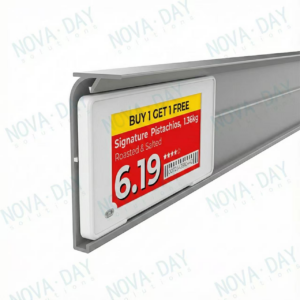
Nova-day makes acrylic sign holders, shelf edge label holders, and in-store displays built for repeated use. Their products boost product visibility and strengthen brand awareness at every touchpoint. Each holder keeps its structure through dozens of events, cutting replacement frequency and waste. This quality turns your purchase into a long-term asset rather than a one-time expense.
When it’s time to go pro, you invest in credibility that pays off. Professional sign printing delivers high-quality signage that shows stability and care. Weigh these long-term benefits against the small upfront savings of DIY options. For growing businesses, the choice is clear: professional displays support your brand’s growth.
CBA: Hidden Costs and Long-Term Value
Replacement Frequency and Waste
Your DIY sign table stand does not last long. It often breaks after a few events. Foam board corners get crushed during transport. Adhesive vinyl peels off when it is humid. Wooden frames warp when the temperature changes. Each problem makes you go back to the store for new supplies. That cost slowly takes away your first savings.
Think about the full replacement cycle. A $30 DIY stand that lasts two events costs $15 per use. If you replace it five times in a season, you spend $150 on materials alone. Add printing costs for new graphics each time, and your total goes higher. Professional sign printing stops this repeated spending. A $150 acrylic holder from Nova-day lasts fifty or more events with good care. Your cost per use drops to $3. That change makes a big difference in your cost-benefit analysis.
Environmental waste adds another factor to your cba. Each thrown-away DIY stand goes to a landfill. Foam board does not break down fast. Plastic laminates give off tiny plastic pieces as they break down. Wooden frames may rot, but the glues and coatings stay around. Think about all small businesses replacing stands every month. The harm to the environment becomes big. A professional stand cuts this waste because you buy once instead of many times.
Your total cost of ownership analysis should also include disposal costs. Many towns charge fees for getting rid of laminated or coated materials. You might have to drive extra miles to a special recycling center. These small costs add up over a year of replacements. A good cba counts every dollar spent over the product’s whole life, not just the buying price.
Missed Opportunities from Weak Presentation
A weak display costs you more than new materials. It costs you customers. Research from the Sign Research Foundation shows that 75% of people see signage before anything else. Bad design makes 61% of possible customers miss a business completely. When your stand wobbles or your sign looks bad, you lose their attention before you even start talking.
Put a number on that loss with a simple math. Imagine a weak sign costs you one lead per event. If each lead brings $500, you lose $500 every time you show up. Go to ten events per year, and that loss is $5,000 each year. A $150 professional stand suddenly seems like a good deal. This missed-opportunity analysis often shows that DIY options cost much more than their price tag says.
Your brand perception directly affects how many people buy from you. A crooked sign shows you are not stable. Customers see that as a sign of your products or services. They are not sure about buying from someone who cannot present themselves well. Professional displays create trust through neat looks and strong materials. Acrylic holders show your message without twisting or losing color. That visual quality shows customers you pay attention to details.
The benefit of professional presentation goes beyond individual sales. Consistent, neat signage helps people remember your brand. Customers remember businesses that look like they are set up well and you can trust them. They return to those businesses when needs come up. This long-term value grows with every event you attend. Your cba should include this ongoing marketing benefit, not just the sales numbers from now.
A complete cost-benefit analysis looks at both real costs and hidden costs the same way. Material costs, how often you replace things, and disposal fees are the real costs. Lost leads, damaged brand view, and reduced customer trust are the hidden costs. Both matter. A $30 stand that turns customers away costs more than what you pay for it. A $150 stand that attracts attention gives you marketing value over time.
Your final analysis should compare total cost over time, not just the initial cost. Professional sign printing gives real value through durability and customer trust. DIY options work for certain situations but do not usually give this long-term value. Pick based on how often you use the stand, your brand goals, and your plans to grow. The cheapest option upfront is not always the best value for money. Value depends on how often you use it, what events you go to, and your brand goals. Calculate your own point where you start saving money using the formula for cost per use we talked about here. For growing small businesses, professional sign table stands are a way to build trust, not just a purchase.
The cheapest option upfront rarely gives you the most value over time. What you pick depends on how often you use it, what events you go to, and your brand goals. Figure out your break-even point with this simple formula: total cost divided by how many events you expect. A $150 professional stand used fifty times costs $3 per event. That math shows why durability matters.
Professional sign table stands do more than save you money. They help customers trust you because your display always looks the same and looks good. Every event is a chance to show your brand is reliable. That benefit grows with each market, trade show, or store appearance.
Look at your upcoming events. Add up your costs. Then ask yourself—what is one lost customer worth to your business? Your answer tells you the true value of what you spend on signage.
FAQ
How do I calculate cost per use for my sign stand?
Take the total price and divide it by how many events you plan to attend. A $150 professional stand used fifty times costs $3 per event. A $30 DIY stand used twice costs $15 per event. This simple math shows you the real value.
What makes acrylic better than glass for sign holders?
Acrylic handles impacts 10 to 30 times better than glass. It weighs less, so it is easier to carry. Acrylic does not scratch or shatter easily. You only need mild soap and a soft cloth to clean it. These features make acrylic great for events you attend again and again.
How should I maintain my professional acrylic sign holder?
After each event, wipe the surface with mild soap and a soft cloth. Stay away from rough cleaners that can scratch acrylic. Keep the holder flat or upright in a padded bag when storing. Good care helps your stand last more than fifty events.
How long does shipping take for Nova-day products?
Nova-day makes its products in Hangzhou, China, and works with importers and wholesalers. Delivery times depend on order size and custom options. For exact shipping dates for your order, email Nova-day directly at sales1@nova-day.com.