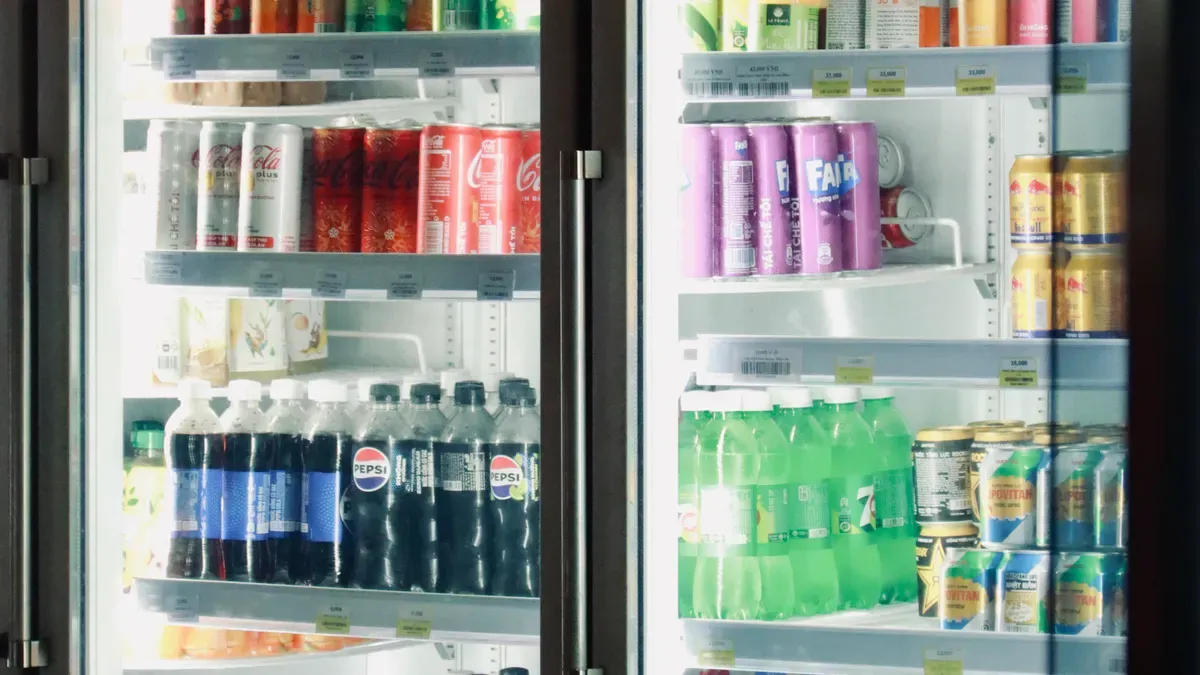
You can keep refrigerated shelves full during peak hours by combining predictive analytics, optimized scheduling, and real-time restocking protocols. Together, these three elements work to prevent gaps when customer traffic spikes.
Peak hours create unique challenges for refrigerated sections. Perishable products sell fast. High turnover empties shelves quickly. Warm air enters every time a cooler door opens. Empty shelves lose thermal mass, so temperatures fluctuate more. Keeping refrigerated shelves full helps both sales and food safety.
This guide speaks directly to retail managers and inventory leads. You will learn practical methods to keep refrigerated displays full and organized. Each strategy focuses on action. You can apply these techniques right away in your store.
Key Takeaways
- Use sales data to predict peak hours and restock before shelves go empty.
- Set target stock levels and use automatic ordering to stop items from running out.
- Train workers in multiple roles and assign runners to keep shelves stocked during busy times.
- Set up shelf sensors and phone alerts to restock in real time.
- Get ready before busy times by setting out products and clearing walkways.
Understanding Peak Demand
Analyzing Historical Sales Data
Your point-of-sale system has the answers you need. Get sales reports for your refrigerated section from the past six to twelve months. Look for patterns that repeat. Most stores see clear spikes during weekday lunch hours, after-work shopping times, and weekend mornings. Write down the exact hours when refrigerated items sell fastest. These are your peak windows.
Next, compare those peaks with your current restocking schedule. You may find gaps where shelves empty before staff can refill them. Change your plan so restocking happens thirty minutes before each peak window starts. This timing keeps products cold and ready.
Full shelves also help keep temperatures steady. A well-stocked refrigerator holds more thermal mass. The CDC recommends using water bottles as thermal ballast inside refrigerators to stabilize temperatures and minimize excursions. A thermal ballast load comprising 10% to 15% of the total refrigerator storage volume sustains temperature maintenance during power loss for approximately 4 to 6 hours. Without thermal ballast, temperature excursions may occur after just 1.5 hours of sustained outage. The recommended safe temperature range for vaccine storage is 2°C to 8°C. Your refrigerated food section benefits from the same principle. Full shelves act as thermal mass. They hold cold air better during normal door openings.
Spotting Refrigerated Hotspots
Walk your refrigerated aisles during a busy hour. Watch which doors open most often. Note which shelves empty first. These are your hotspots. Dairy, ready-to-eat meals, and single-serve beverages usually sell fastest. Mark these locations on a simple store map.
Track hotspot patterns for two weeks. You will see which products need earlier restocking. Assign specific team members to check these zones every thirty minutes during peak hours. A quick visual scan takes seconds. It stops small gaps from becoming empty shelves.
Smart Inventory Management
Setting Effective Par Levels
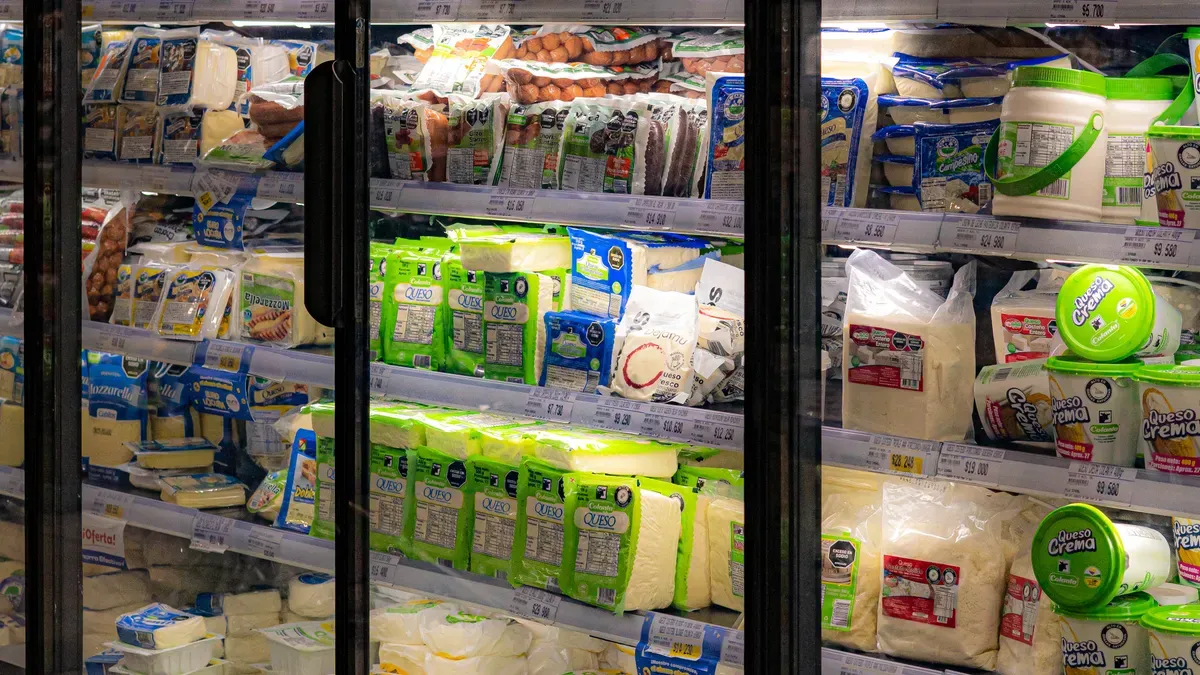
A par level is the smallest amount of a product you want in stock before you order more. Think of it as your safety floor. When your stock reaches this number, it tells you to refill. Setting the right par level for refrigerated items is more important than for shelf-stable goods. Perishable products must be reordered faster. You cannot run out during a lunch rush.
Start by looking at your sales data for each refrigerated item. Figure out the average number of units you sell during a normal peak window. Add extra for surprise spikes. That total becomes your par level. For example, if you sell twenty units of a popular yogurt brand during a two-hour lunch period, set your par at twenty-five. The extra five units cover demand surges.
Change par levels by day of week and season. Weekend traffic is different from weekday traffic. Summer drink sales beat winter sales. Update your par levels every month to match these shifts. A par level that never changes will fail you during busy times.
Safety stock is your emergency reserve. It sits above your par level and protects against supplier delays or sudden demand spikes. Set safety stock based on your supplier’s normal lead time and your sales changes. If your supplier sometimes takes an extra day to deliver, your safety stock should cover that gap.
Automated Ordering and Safety Stock
Automated ordering systems link your point-of-sale data to your supplier network. These systems watch inventory levels in real time. When stock hits your par level, the system makes a purchase order on its own. You no longer depend on manual checks during busy hours. This lowers the chance of stockouts when demand spikes.
The benefits of automated ordering with safety stock calculations include:
- Real-time tracking of reorder points with automatic purchase order generation stops stockouts before inventory reaches danger levels.
- Ongoing recalculation of safety stock based on live supply chain data keeps buffers accurate at scale without manual effort.
- Automated alerts flag excess or shortage before they affect operations, allowing proactive responses during demand spikes.
Stockouts cost U.S. retailers about 7.4% of potential sales, which totaled $82 billion in 2021. That number shows the financial reason to prevent stockouts during demand spikes. Organizations that use automated replenishment or AI-enabled planning usually achieve inventory reductions of 10–30%, improving efficiency and lowering holding costs.
Well-organized refrigerated shelves also help keep temperatures steady. When products sit in neat rows with proper spacing, cold air moves evenly. Empty gaps block airflow and create warm spots. Keeping refrigerated shelves full with organized inventory supports both sales and food safety.
Automated systems free your team from manual counting. Your staff can focus on restocking and customer service instead. The system handles the math. You handle the execution.
Staffing and Restocking Strategies
Cross-Training for Flexibility
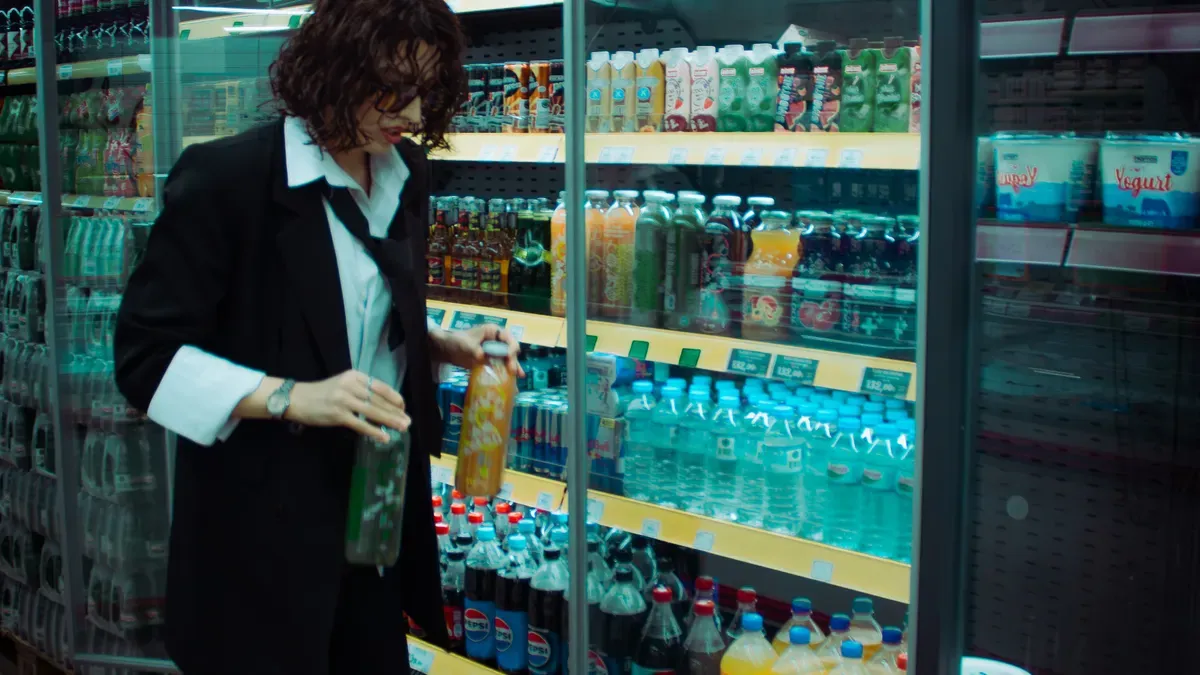
Training your team in different jobs is a direct way to keep refrigerated shelves full during busy times. When every worker can check inventory, restock products, and rotate stock by expiration date, you build a flexible team. You no longer rely on one person to handle the refrigerated section. One absence or distraction can cause empty shelves fast.
Start by teaching your whole team the basics of refrigerated restocking. Show them how to read par levels. Explain the right way to pull older products forward and put new stock behind. Demonstrate how to scan for empty spots quickly. A trained team responds faster when demand spikes. The learning curve is short. Most employees master these skills in a single shift.
Assign runners during peak windows. A runner is a team member whose only job is to move products from the back room to the sales floor. This person does not stop for customer questions or phone calls. Their focus stays on moving stock. Runners keep front-line restockers in the aisle. Every minute a restocker spends walking to the back is a minute the shelf stays empty.
Schedule your runners based on your past sales data. If you know lunch rush starts at 11:30 AM, have a runner ready at 11:00 AM. That runner stages products near each hotspot before demand peaks. Your restockers then fill shelves in seconds instead of minutes. This preparation prevents the gaps that frustrate customers.
Create a simple rotation schedule for runners. Assign one person per peak window. Rotate the role so no one feels overburdened. Your team stays energized and focused. The system works because everyone participates.
Using Nova-day Beverage Pushers for Faster Restocking
The right tools make restocking faster and easier. Nova-day Beverage Pushers and the shelf pushers system are designed specifically for high-traffic refrigerated sections. These tools keep products front and center. They reduce the time your team spends arranging and facing items. Less arrangement time means more time for other tasks.
The easy-release front lock mechanism is a key feature. When you restock, you simply release the lock, slide products into place, and lock the mechanism again. There is no need to remove products or manually adjust each item. This simple action cuts restocking time significantly. Your team can refill an entire shelf of beverages in a fraction of the time it takes with standard shelving.
Users report that this system saves up to half the restocking time. One retail user shared, “Such a smooth and easy-to-use system! It keeps everything front-faced, which saves me time when restocking. Great for any retail setting!” When you cut restocking time by half, you reduce labor costs. You also keep shelves full more consistently during busy hours. Lower labor costs improve your store’s profitability without sacrificing service quality.
The self-adjustable wire dividers add another layer of efficiency. These dividers move automatically to fit different bottle and can sizes. You do not need to measure or adjust dividers by hand. The system accommodates glass bottles, plastic bottles, and cans without any manual intervention. This flexibility means one shelving system works for multiple product types. You avoid the hassle of swapping hardware between product runs.
Nova-day Beverage Pushers also improve product visibility. The slight 2-degree inclination tilts products toward customers. They see every option clearly. They grab the first item without rummaging. The pusher system automatically moves the next product forward. Your shelves stay full and organized even during the busiest hours. Customers find what they want fast. They leave satisfied.
Combining cross-trained staff with efficient tools creates a powerful restocking system. Your runners keep stock moving from back to front. Your restockers fill shelves quickly with minimal effort. Nova-day’s solutions ensure products stay front and center at all times. The result is a refrigerated section that looks full, sells well, and maintains stable temperatures. Customers notice the difference. Your sales numbers will show it too.
Real-Time Monitoring
Real-time monitoring spots empty shelves as soon as they happen. Shelf sensors and phone alerts work as a team. They tell you the exact moment a refrigerated shelf needs restocking. This system takes away the guessing. You act faster.
Mobile Alerts and Shelf Sensors
Put capacitive sensors inside your refrigerated shelves. These sensors notice when a row of products runs out. They send a phone alert to your staff right away. No one has to walk the aisle to check. The alert goes straight to a smartphone.
The sensors work well in cold, damp places. Think about this:
Capacitive sensors give accurate readings in tough places, like refrigerated or high-humidity storage areas. They detect light items without touching them.
You can trust these sensors during busy hours. They do not fail when moisture builds up.
Smart shelving has worked well in real stores. Tesco put IoT sensors in some locations. The system tracked stock levels and alerted staff on its own. Waste fell by 15% because of this. Other grocery stores use similar sensors to watch temperature. When the cooler gets warm, staff get an alert. They move products to a working freezer and set up repairs. This stops spoilage and keeps shelves full longer.
Mobile alerts also make customers happier. Automatic restocking makes sure products are always there. Staff spend less time counting inventory. They focus on restocking and helping shoppers. A full shelf means a happy customer. This cuts product loss and boosts sales.
Quick Team Huddles
Short huddles before and during busy hours speed up restocking. Gather your refrigerated team for five to ten minutes. Go over current stock levels. Give each person a certain zone.
Use this structure for your huddles:
| Huddle Type | Timing | Duration | Key Activities | Impact on Restocking Coordination & Error Reduction |
|---|---|---|---|---|
| Pre-Shift Meeting | Before each rush | 10 minutes | Review specials, sold-out items, and priority restocks | Aligns all staff on available stock. Reduces miscommunication and errors during the rush. |
| Post-Rush Debrief | After each rush | 5 minutes | Discuss what worked, what broke, and what needs fixing | Provides immediate feedback to correct restocking failures before the next peak period. |
A quick five-minute huddle at the start of each shift sets clear volume goals. Talk about safety reminders and process updates. System-guided workflows on handheld devices give real-time instructions. This cuts errors even more and keeps things consistent during busy hours.
When your team knows exactly what to do, restocking happens faster. Shelves fill in minutes instead of hours. Real-time monitoring gives you the data. Huddles give you the coordination. Together they keep refrigerated shelves full.
Pre-Peak Preparation
Consolidating Backstock and Clearing Aisles
Begin your preparation one hour before the first peak window starts. Walk through your backroom and locate every product that belongs in the refrigerated section. Consolidate these items onto one or two dedicated carts. Group products by zone. Place dairy items together. Keep beverages separate. This simple organization saves valuable minutes when restocking begins.
Clear the aisles surrounding your refrigerated section. Remove empty boxes, pallets, and cleaning supplies. Each obstacle slows your restocking team. A clean aisle lets them move fast. You eliminate small delays that create empty shelves.
Check each cooler door for blocked airflow. Make sure nothing sits in front of the vents. Good airflow keeps products cold. When air moves freely, your refrigerator maintains stable temperatures. You protect food safety throughout busy hours.
Staging High-Demand Products
Stage your fastest-selling items right next to their shelf positions. Place a small cart or bin near each hotspot. Fill it with the products you know will sell first. Your restocker grabs from this cart instead of walking to the backroom. Each saved minute keeps shelves full longer.
Think about how you organize your home refrigerator. You put milk and eggs on the easiest shelf. You use them every day. Apply the same logic to your store section. Place your top-selling items where staff can reach them fastest. A frequently used item is always easy to grab at home. Your store should work the same way. This simple idea cuts restocking time by seconds per trip. Those seconds add up over a busy hour.
Keep a backup supply of high-demand products in a small cooler near the sales floor. If a popular yogurt or drink sells out, you refill it immediately. You do not walk to the main backroom. This backup cooler acts as a safety buffer. Keeping Refrigerated Shelves Full starts with smart staging.
Staging also helps you rotate stock properly. Pull older products forward first. Push new stock to the back. Customers always receive the freshest items. You reduce waste from expired products.
End your preparation with a quick team check. Confirm each person knows their staging area. Answer any questions. Your team starts the peak window ready to fill gaps fast. Preparation turns a chaotic rush into a smooth operation.
Keeping Refrigerated Shelves Full with Nova-day Solutions
Shelf Pushers System for Organized Displays
The shelf pushers system keeps your refrigerated displays neat and full. A smooth glide mechanism moves each item forward when a customer takes one. Your shelves look stocked all day. Staff spend less time facing products by hand.
Retailers report a 15–20% increase in impulse purchases when using automated shelf pushers. This gain comes from better product visibility and organization. Shoppers can see every option clearly. They grab items they might have missed on a messy shelf.
Durability matters in cold, high-traffic zones. Most modern shelf pusher models use PET or durable plastic materials that resist wear and tear. If a part breaks, you can usually swap it out without replacing the whole unit. This modular approach keeps maintenance costs low over time. PET offers high transparency and excellent durability. ABS provides strong impact resistance and works well in cold environments. Both materials suit refrigeration.
Setup is fast. Snap-on rails take 1–2 minutes per shelf with no tools. You can change them easily. Adhesive tracks take 2–4 minutes. Screwed frames take 4–7 minutes and rarely allow reconfiguration. Tool-free systems work best for supermarkets that need quick rollouts without disrupting operations.
Beverage Pusher for High-Traffic Coolers
The Beverage Pusher solves common problems in busy cooler sections. Standard shelving creates messy inventory during rush hours. Products hide behind others. Trays bend under pressure. Restocking jams slow your team down.
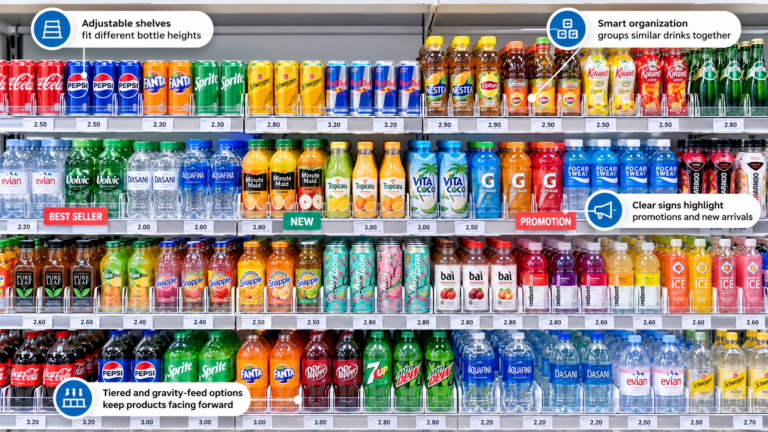
The Beverage Pusher fixes each issue. Self-adjustable wire dividers and strong plastic construction keep shelves neat. Flexible 90° vertical or 70° slanted housings improve product visibility. A sturdy aluminum fastening rail provides a durable base that stands up to heavy usage. Front lock buttons let staff lock the pusher mechanism. This allows two-handed quick refilling without fighting spring tension. Your team cuts work time.
The internal spring mechanism automatically pushes older stock to the front. This makes FIFO rotation simpler and reduces waste. Automated facing and restocking cuts shelf maintenance time by 40%. Your staff can focus on customers instead of fixing shelves.
Shelf pushers make sure that popular items, from soft drinks to canned goods, stay neatly arranged, even during peak hours. The spring mechanism pushes products forward on its own. This improves organization and visibility, which can increase sales. Keeping Refrigerated Shelves Full becomes easier when your display system does the work for you.
For more details, visit https://nova-day.com/beverages-organizer/.
You now have five proven ways to keep your refrigerated section stocked. Predictive analytics, smart inventory, flexible staffing, real-time monitoring, and pre-peak routines all work together. Doing these methods the same way every time keeps refrigerated shelves full during your busiest hours.
The right tools make restocking faster and easier. Nova-day’s Beverage Pusher keeps products front and center. Your team spends less time facing items. Customers find what they want without searching. This simple improvement boosts satisfaction and sales.
Start with one strategy today. Pick the method that fits your store best. Add another next week. Small steps create lasting results. Your shelves stay full, your customers stay happy, and your sales stay strong.
FAQ
How do I predict peak hours for my refrigerated section?
Get your sales data from the past six months. Find sales spikes that happen again and again during lunch, after work, and weekend mornings. Plan restocking thirty minutes before each busy window begins. This timing keeps products cold and ready.
What is a par level and how do I set one?
A par level is the smallest amount of stock you keep before you reorder. Figure it out from your average peak-hour sales. Add extra units for surprise demand spikes. Update the number every month to match seasonal changes and weekend traffic differences.
How do shelf sensors work inside cold refrigerators?
Capacitive sensors notice when a row of products runs out. They send an alert to your smartphone right away. They work well in high humidity and cold temperatures. You get the warning before a gap turns into an empty shelf.
How does the Beverage Pusher speed up restocking?
The easy-release front lock lets you slide products into place and lock the mechanism in seconds. Self-adjustable wire dividers fit different bottle and can sizes on their own. Your staff can cut restocking time by up to half.
Why do full shelves stay colder than empty ones?
Full shelves act as thermal mass. Products hold cold air better than empty space does. Steady temperatures protect food safety and reduce spoilage. Keeping your section well-stocked helps maintain consistent cooling during busy hours.